
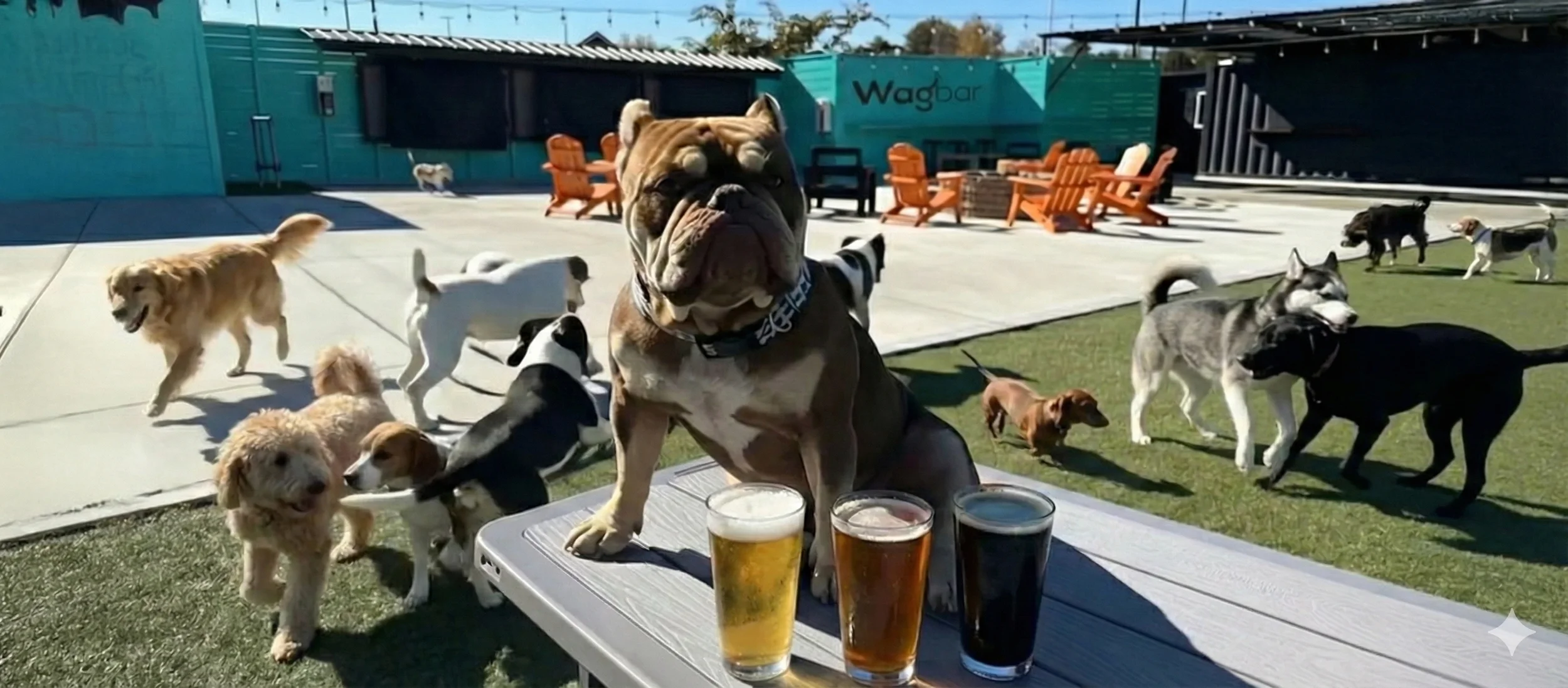
Fenced Dog Parks in Knoxville for Safe Play
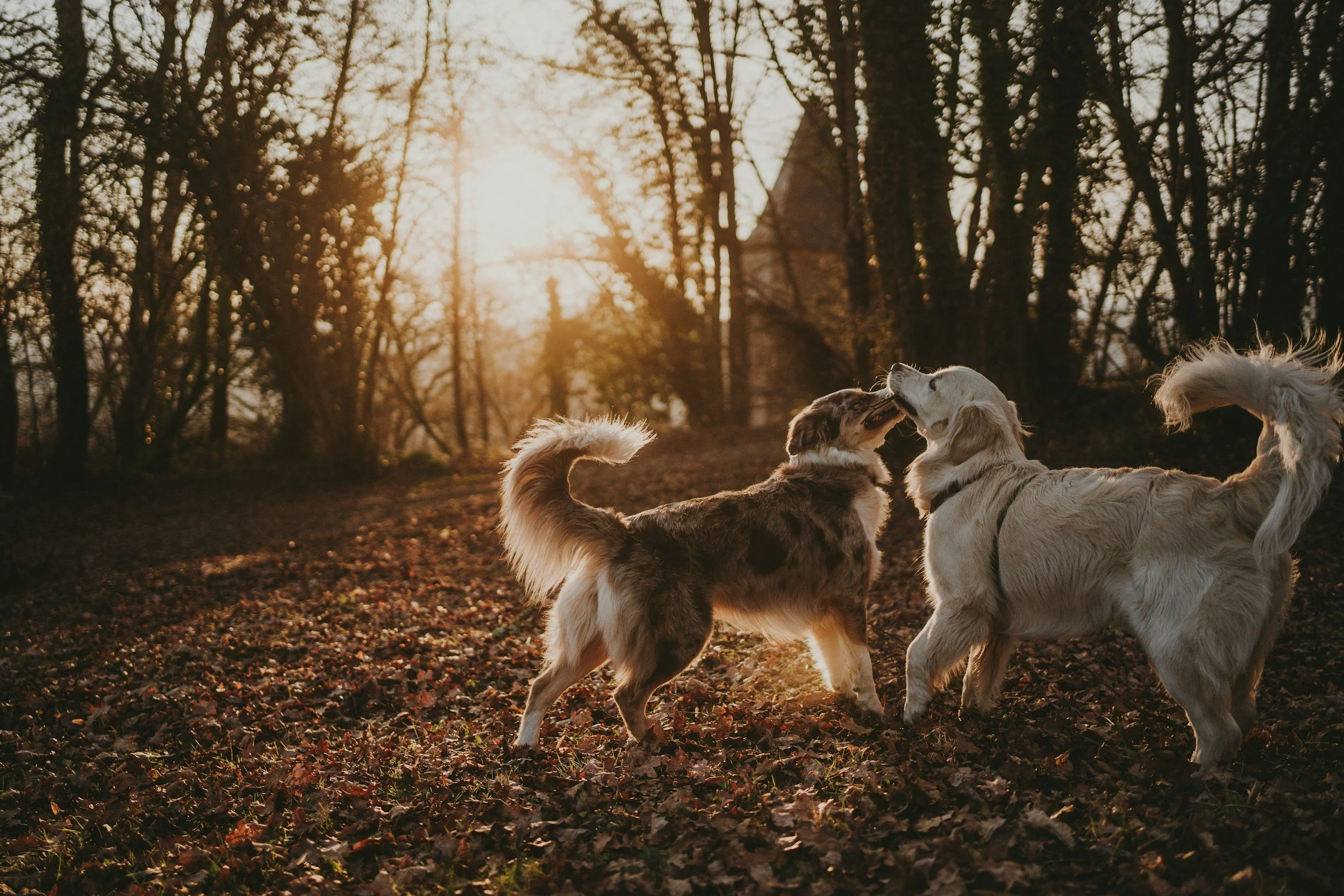
A dog running free at Wagbar's off-leash dog park
Top TLDR: Fenced dog parks in Knoxville provide secure boundaries preventing dogs from escaping into traffic or unfamiliar territory while allowing off-leash socialization and exercise. Popular fenced options include Victor Ashe Park, Tommy Schumpert Park, and the upcoming climate-controlled WagBar facility opening October 2025. Always verify current fencing conditions and gate functionality before releasing your dog, as maintenance standards vary across Knoxville's municipal and private dog park facilities.
Finding a truly secure fenced dog park in Knoxville means more than just locating green space with chain-link around the perimeter. Safe off-leash play requires properly maintained fencing, double-gated entries preventing escape during transitions, and thoughtful design eliminating gaps where smaller dogs might squeeze through or larger dogs might jump over.
Knoxville dog owners need reliable information about which local parks maintain fencing standards that actually keep dogs safely contained. Let's examine what makes fencing truly effective, review Knoxville's current fenced dog park options, and explore how to evaluate whether a facility provides the security your dog needs for worry-free off-leash play.
Why Fencing Matters for Off-Leash Dog Parks
Fencing serves as the fundamental safety feature separating secure dog parks from dangerous improvisations. Without proper physical barriers, even the most well-trained dogs face risks from unexpected triggers—squirrels, other animals, unfamiliar people, or sudden noises—that can override training and send dogs running toward traffic or into unfamiliar neighborhoods.
The stakes prove especially high in urban and suburban Knoxville settings where busy roads surround most park spaces. Dogs escaping unfenced areas face immediate vehicle collision risks, while those fleeing into residential areas may encounter aggressive dogs, frightened residents, or simply become lost in unfamiliar territory they cannot navigate back from.
Proper fencing also protects your dog from unwanted interactions. Fenced boundaries prevent stray dogs from entering play areas, keep wildlife encounters to minimum, and create clear territorial boundaries that help dogs understand the defined play space. This psychological clarity helps many dogs relax and engage more fully in play without constantly monitoring uncertain perimeters.
Understanding dog behavior and body language becomes easier in properly fenced environments where dogs can focus on social interactions rather than scanning for external threats or escape opportunities. The security fencing provides allows owners to observe and learn their dogs' communication patterns without constant vigilance about boundary management.
Essential Fencing Features for Dog Park Safety
Height matters significantly in dog park fencing. Standard residential fence heights of four feet prove inadequate for athletic or determined dogs. Quality dog parks install six-foot fencing minimum, with some facilities using eight-foot barriers for areas accommodating large or high-energy breeds known for jumping ability.
Fence material and construction affect both durability and safety. Chain-link fencing remains most common for dog parks due to visibility, ventilation, and cost-effectiveness. However, quality installations bury fencing several inches underground preventing dogs from digging escape routes, and use heavy-gauge wire resistant to chewing or breaking under impact.
Double-gated entry systems represent the gold standard for preventing escapes during transitions. These create small buffer zones where one gate closes completely before the second opens, ensuring dogs cannot bolt through open gates as people enter or exit. Parks lacking double-gate systems require extreme vigilance during all entries and exits—a single moment of inattention can result in escape.
Gap elimination around gates, under fencing, and at corners prevents squeezes and escapes. Small dogs can fit through surprisingly narrow spaces, while determined diggers exploit any gap between ground and fencing. Regular inspection and maintenance prove essential, as gaps develop over time from weather, erosion, or animal activity.
Victor Ashe Park: Knoxville's Largest Fenced Dog Park
Victor Ashe Park at 4901 Bradshaw Garden Parkway offers Knoxville's most spacious fenced dog park facility with separate areas for large and small dogs. The large dog section provides approximately 1.5 acres of fenced space, while the small dog area offers about half an acre—generous sizing allowing dogs genuine running room rather than just standing space.
Six-foot chain-link fencing surrounds both areas with double-gated entries on each section. The facility includes benches for owner seating, water stations for dogs, and waste bag dispensers for cleanup. Shade trees throughout the space provide relief during summer heat, though indoor alternatives become necessary during Tennessee's most extreme weather.
Location within the larger Victor Ashe Park complex means ample parking nearby and easy access from major roads. The facility's popularity means good opportunities for dog socialization most times of day, though peak hours (early mornings, late afternoons, weekends) can see crowds requiring more active owner supervision.
Maintenance standards at Victor Ashe generally remain good, though weather and heavy use occasionally create muddy conditions or minor fence damage. Check the Knox County website or call ahead after severe weather to verify the facility remains fully secure and operational before visiting with your dog.

Tommy Schumpert Park: West Knoxville's Fenced Option
Tommy Schumpert Park at 4892 Scheel Road in West Knoxville provides another fenced dog park option with separate small and large dog areas. The facility sits in a convenient West Knoxville location making it accessible for residents in that part of the metro area without crossing town to Victor Ashe.
The fenced areas here run smaller than Victor Ashe but still provide adequate space for typical dog park activities including running, playing, and socializing. Standard amenities include seating, water access, and waste stations. Double-gated entries on both sections prevent escapes during transitions.
West Knoxville's residential density means this facility often sees steady use from neighborhood dogs and their owners. The regular crowd can benefit dogs needing consistent socialization opportunities, though newcomers should observe dynamics before introducing dogs to ensure compatible play styles.
Like most municipal dog parks, maintenance depends on county resources and budget priorities. Fence condition generally remains good, though occasional repairs mean temporary closures of one section or another. Following Knox County Parks social media or websites provides current status updates before planning visits.
South Knoxville's New Harvest Park Dog Area
New Harvest Park at 4775 New Harvest Lane offers South Knoxville's fenced dog park facility, serving residents in that part of the metro area. The location provides convenient access for South Knoxville dog owners without requiring drives across the river to other facilities.
The dog park features separation between large and small dog areas with fencing and double-gated entries. Amenities include standard features like seating, water access, and cleanup stations. The facility integrates into the larger New Harvest Park complex with walking trails, sports fields, and other recreational amenities nearby.
South Knoxville's growing residential development means increasing use of this facility, creating good socialization opportunities for local dogs. However, growth also means occasional crowding during peak hours requiring owners to actively monitor play and manage group dynamics appropriately.
Check current conditions before visiting, as municipal facilities face ongoing maintenance challenges. Fence integrity and gate functionality require regular inspection, and periodic closures for repairs or improvements occur across all Knox County dog park facilities.
WagBar Knoxville: Climate-Controlled Fenced Play Opening October 2025
WagBar's Knoxville location opening in October 2025 brings Tennessee's first climate-controlled fenced dog park combined with bar amenities for owners. The facility provides year-round secure off-leash play regardless of weather conditions, addressing Knoxville's summer heat, winter cold, and unpredictable storms that make outdoor parks temporarily unsafe or unusable.
Professional-grade fencing and entry systems ensure dogs remain safely contained in monitored play areas. Unlike open-access municipal parks, WagBar requires health verification (current rabies, bordetella, and distemper vaccinations) and age requirements (6+ months, spayed/neutered), creating safer socialization environments through health screening.
The supervised model with trained staff monitoring play provides additional security beyond physical fencing alone. Staff intervention prevents escalations, manages group composition, and ensures all dogs receive appropriate breaks, creating genuinely safer experiences than unsupervised municipal facilities regardless of fence quality.
Understanding what WagBar offers helps set appropriate expectations. It's not dog daycare where you drop off and leave—it's a social destination where owners stay on premises enjoying beverages and amenities while dogs play in adjacent supervised areas. The model works for owners wanting combined dog exercise and personal social time.
Evaluating Fence Security Before Releasing Your Dog
Never assume fencing provides adequate security without personal inspection. Walk the entire perimeter checking for gaps under fencing, damage to chain-link or posts, and potential weak points where determined dogs might escape. Pay special attention to corners and gate areas where structural stress concentrates.
Test gate latches and closures ensuring they function properly and cannot be nosed open by clever dogs. Quality facilities use spring-loaded self-closing gates with secure latching mechanisms requiring deliberate human action to open. Gates that don't close completely or latch securely create escape opportunities during busy entry/exit periods.
Assess height relative to your dog's size and jumping ability. Athletic breeds or highly motivated dogs can clear surprisingly tall barriers, while small breeds might squeeze through gaps that appear insignificant. Know your individual dog's capabilities and vulnerabilities when evaluating whether specific fencing provides adequate containment.
Watch other dogs interacting with fencing and gates during your visit. If you observe dogs testing barriers, attempting to dig under fencing, or showing interest in escape routes, consider whether the facility provides adequate security for off-leash play or whether your dog requires different containment standards.
Managing Entries and Exits at Fenced Dog Parks
Double-gated facilities require specific procedures preventing escapes during transitions. Enter the buffer zone and completely close the first gate behind you before opening the second gate to the play area. This creates a secure airlock preventing dogs from bolting through both gates simultaneously during entry or exit.
Single-gate facilities demand extreme vigilance. Coordinate with other people entering or exiting, communicate clearly about who will control gates when, and maintain physical control of your dog until safely through transitions. A single moment of distraction during gate operations can result in escape requiring difficult recovery efforts.
Remove leashes only after securing all gates behind you in the play area. Dogs wearing leashes in off-leash areas face entanglement risks and may trigger different behavioral responses from other dogs. Complete your transition fully—secure gates, remove leash, store leash safely—before releasing your dog into the play area.
Exit procedures require equal care. Call your dog back, leash them before approaching the exit gate, and maintain physical control throughout the entire exit sequence. Don't open any gates while your dog remains unleashed, regardless of how reliably trained you believe they are—even well-trained dogs can bolt unexpectedly.
Fence Maintenance and Seasonal Considerations
Spring storms and summer heat create specific fence damage patterns requiring seasonal attention. High winds can damage fence sections or posts, while heavy rains create erosion undermining fence lines and creating gaps under barriers. Inspect carefully after severe weather before assuming facilities remain secure.
Winter freezing and thawing cycles affect fence post stability and gate hardware functionality. Metal components contract in cold and expand in heat, sometimes affecting latch mechanisms or structural integrity. Wooden fence posts or elements face rot acceleration from moisture cycling between seasons.
Tennessee's weather challenges affect both fence integrity and usability of outdoor facilities. Summer humidity and heat make extended outdoor play dangerous regardless of fence quality, while winter ice storms can render facilities inaccessible even when fencing remains intact. Having weather-proof indoor alternatives ensures consistent dog exercise regardless of seasonal conditions.
Regular users should report damage or security concerns to facility operators immediately. Municipal parks respond to maintenance requests through Knox County Parks, while private facilities handle repairs through their own systems. Timely reporting helps protect all dogs using facilities by ensuring problems get addressed before escapes or injuries occur.
Small Dog Sections: Additional Fencing Considerations
Separate small dog areas serve important safety functions but require extra attention to fence integrity. Small dogs fit through smaller gaps, making even minor fence damage potentially catastrophic. Gaps under fencing that large dogs cannot exploit may provide escape routes for toy breeds weighing under 10 pounds.
Height requirements differ for small dog sections since most small breeds lack jumping ability to clear tall barriers. However, this doesn't excuse inadequate fencing—small dog areas still need secure perimeters preventing escapes and protecting from external threats like predatory wildlife or aggressive larger dogs.
Breed-specific considerations affect how small dogs use fenced spaces. Terriers and other breeds with strong prey drives may test fence lines more aggressively than companion breeds, while nervous small dogs need secure boundaries providing psychological safety from both external threats and overwhelming interactions with larger dogs.
Size-appropriate separation prevents injuries beyond just fence considerations. Small dogs playing with large breeds risk accidental injury from size mismatches during enthusiastic play. Secure fencing around dedicated small dog areas creates safer socialization environments where size-appropriate play can occur without risk from well-meaning but physically overwhelming larger dogs.
Training Considerations in Fenced Environments
Fenced dog parks provide controlled environments useful for off-leash training and recall practice, but they shouldn't substitute for proper training foundations. Dogs should demonstrate reliable recall, appropriate social skills, and basic obedience before accessing even fenced off-leash areas, as these facilities present complex social environments requiring behavioral competence.
Practice recall specifically near gates and fence lines where distractions and escape opportunities concentrate. Dogs learning that responding to recall commands near exciting exit points earns rewards develop better habits around the most critical safety moments in fenced parks.
Don't allow fence dependency to replace genuine training. Some dogs develop habits of relying on physical barriers rather than learned behaviors for containment. This creates dangerous situations when fencing fails, gates malfunction, or dogs encounter unfenced areas where they assume physical barriers prevent escape but none exist.
Reactive dog training often works better in fenced environments providing security while dogs work through behavioral challenges. However, reactive dogs need professional guidance and controlled introductions rather than simply releasing them into standard dog parks regardless of fence quality. The security fencing provides helps training but doesn't replace the need for appropriate behavior modification approaches.
Understanding Liability and Responsibility at Fenced Parks
Fencing doesn't transfer responsibility for your dog's safety or behavior from you to facility operators. Dog owners remain legally and ethically responsible for their dogs' actions, supervision, and safety regardless of fence quality or facility amenities. This means actively monitoring your dog, intervening in problematic interactions, and ensuring your dog doesn't create problems for others.
Municipal dog parks generally operate under governmental immunity provisions limiting liability for injuries or escapes. Posted signs typically specify that owners use facilities at their own risk and assume responsibility for damages or injuries their dogs cause. This legal framework means fence failure or inadequate maintenance rarely creates operator liability even when escapes or injuries result.
Private facilities may carry different liability structures and insurance coverage, but owner responsibility remains paramount. Understanding proper dog park etiquette and safety protocols protects both your dog and others while clarifying your responsibilities as a facility user.
Immediately report escapes or near-escapes to facility operators regardless of whether your dog or another caused the incident. This documentation helps operators identify fence failures or security gaps requiring attention while protecting all users through maintenance accountability.
When Fenced Isn't Enough: Recognizing Limitations
Some dogs shouldn't use even properly fenced off-leash areas regardless of fence quality. Dogs with incomplete vaccinations, recent illness, known aggression toward dogs or people, or poor recall face risks in group environments that fencing doesn't mitigate. Similarly, intact adult dogs often trigger unwanted attention or conflict regardless of their individual temperament.
Extremely high prey drive dogs may persistently test fence lines or become so focused on squirrels, birds, or other animals near perimeters that they cannot engage appropriately with other dogs. For these individuals, fenced areas create frustration rather than enjoyment, and alternative exercise approaches serve better.
Very young puppies (under 6 months) and very old dogs both require modified socialization approaches beyond standard fenced dog parks. Puppies still completing vaccination series face disease risks in public facilities, while senior dogs may become overwhelmed by energy levels or rough play styles common in open dog parks.
Individual dog needs and temperament should guide whether fenced dog parks serve your pet appropriately. Some dogs thrive in group environments while others need different exercise and socialization approaches. Fencing addresses containment and security but doesn't create appropriate environments for every individual dog.
Building Comprehensive Safety Approaches
Fencing represents one component of safe off-leash play rather than a complete solution by itself. Comprehensive safety combines physical barriers, training foundations, owner supervision, health screening, and appropriate environment selection matching your individual dog's needs and temperament.
Rotate between different facilities rather than relying exclusively on one location. This prevents fence dependency, exposes dogs to varied environments developing adaptability, and provides backup options when your primary facility closes for maintenance or becomes unusable due to weather or crowding.
Supplement fenced dog park visits with leashed walks, structured training activities, and controlled play dates providing socialization without the variables and risks of open group environments. Fenced parks serve important roles in exercise and social development but shouldn't comprise dogs' entire activity repertoire.
Consider how WagBar's opening adds supervised, climate-controlled fenced play to Knoxville's options. Having professionally monitored facilities available alongside traditional municipal parks creates flexibility for different needs, weather conditions, and individual dog requirements throughout the year.
Planning Your Knoxville Fenced Dog Park Strategy
Start by visiting facilities without your dog to assess fence conditions, observe user dynamics, and evaluate whether environments suit your dog's temperament and play style. This reconnaissance prevents negative first experiences and helps you make informed decisions about which facilities work best for your individual situation.
Consider timing visits during less crowded hours for initial introductions. Early mornings on weekdays typically see smaller groups with more experienced, regular users who understand park dynamics. Weekend afternoons bring crowds and newcomers creating more unpredictable environments.
Bring essentials for every visit: fresh water in a dedicated bowl (don't rely solely on facility water stations), cleanup supplies beyond provided bags, basic first aid supplies, and your phone for emergencies or documenting fence damage. Being self-sufficient reduces stress and ensures you can respond appropriately to unexpected situations.
Build relationships with regular users at your chosen facilities. Experienced dog park visitors often share valuable information about fence conditions, facility quirks, best times to visit, and dogs or situations to avoid. This community knowledge helps maximize safety and enjoyment for both you and your dog.
The Future of Fenced Dog Parks in Knoxville
Knoxville's growing population and increasing dog ownership rates suggest demand for additional fenced dog park facilities will continue rising. The region needs more geographic distribution of quality facilities, particularly in developing areas currently underserved by existing parks.
Modern facility concepts demonstrate how fenced dog parks can evolve beyond basic municipal amenities into comprehensive social destinations serving both dogs and owners. WagBar's model combining climate control, professional supervision, and owner amenities represents this evolution while maintaining the core function of secure fenced off-leash play.
Advocacy for improved maintenance standards and facility investments helps ensure existing parks remain safe and functional. Municipal budgets face competing priorities, and active community engagement demonstrating public value of dog park facilities supports continued funding for maintenance and improvements.
As Knoxville continues growing, the combination of traditional municipal outdoor parks and innovative indoor facilities will create more comprehensive options serving diverse needs. Whether you prefer free outdoor options during good weather or climate-controlled supervised alternatives, having properly fenced secure facilities available ensures all Knoxville dogs access safe off-leash play opportunities.
Bottom TLDR: Fenced dog parks in Knoxville like Victor Ashe Park, Tommy Schumpert Park, and New Harvest Park provide free outdoor off-leash play, while WagBar's October 2025 opening adds supervised climate-controlled fenced options for year-round use. Always personally inspect fence integrity, gate functionality, and potential gaps before releasing your dog regardless of facility reputation. Combining proper training foundations with appropriate facility selection and active supervision creates genuinely safe off-leash experiences beyond what fencing alone provides.