
Dog-Safe Treats vs. Human Food: What Bars Should and Shouldn't Serve Your Dog
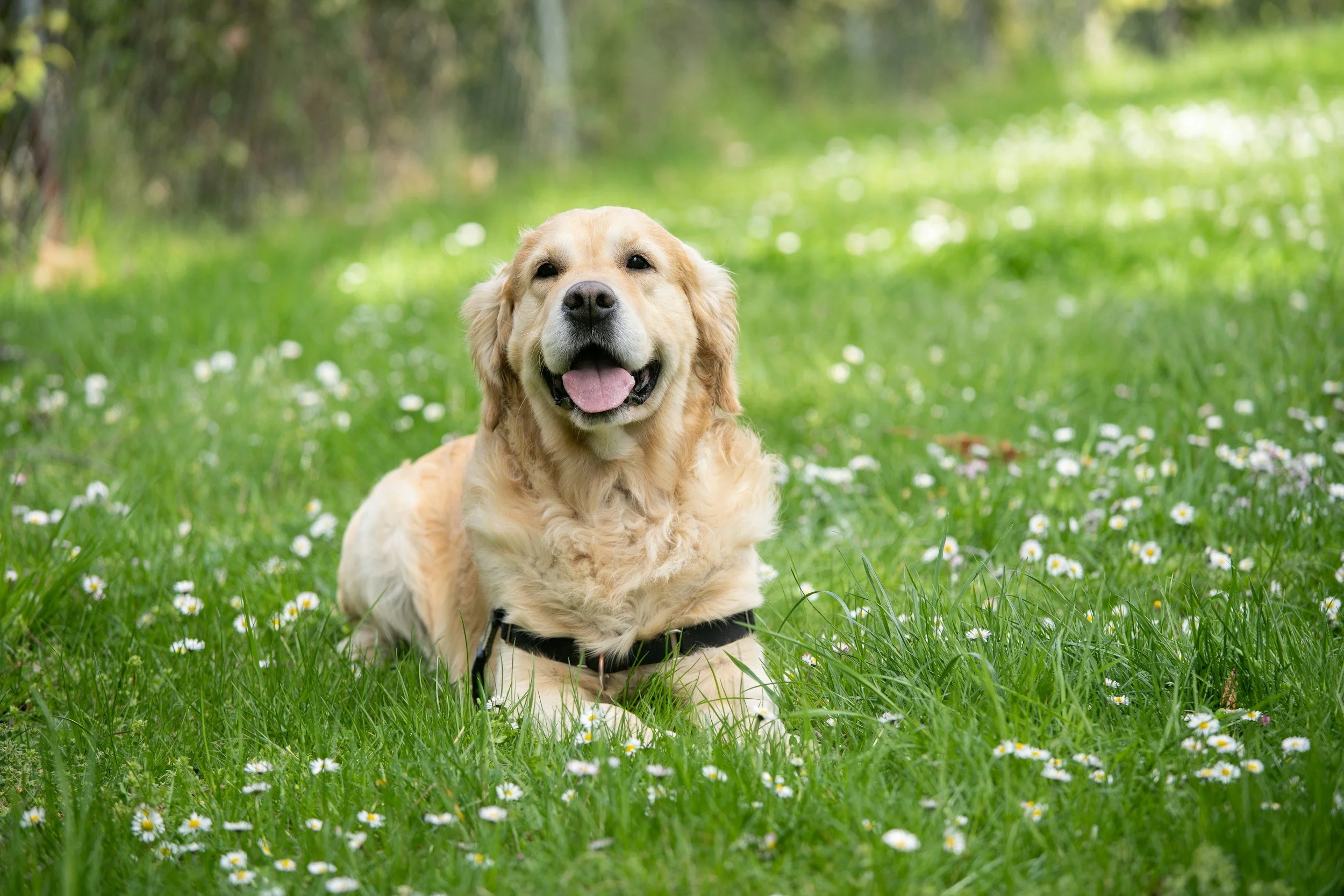
Plain meat (chicken, beef, turkey), most fruits and vegetables, and plain rice are safe to share with your dog in small amounts at a bar. Chocolate, grapes and raisins, xylitol, onion, and garlic are not. Food truck sauces and seasonings are the biggest hidden risk. Keep ASPCA Poison Control (888-426-4435) in your phone before a dog bar visit, and ask staff or the truck for plain food without seasoning.
The Big Three Foods to Always Keep Away
There are three things that come up over and over in emergency vet visits, and all three can show up at a bar: chocolate, grapes, and anything with xylitol. According to the ASPCA Animal Poison Control Center, these account for thousands of dog poisoning calls every year (ASPCA, 2024).
Chocolate. All chocolate is toxic to dogs, but darker chocolate is worse. Theobromine is the chemical that does the damage, and dogs metabolize it slowly. A few squares of dark chocolate can put a 20-pound dog in the hospital. Don't let your dog near a leftover brownie, chocolate ice cream, or anyone's M&M's. The Pet Poison Helpline reports chocolate as one of its top call categories every year (Pet Poison Helpline, 2024).
Grapes and raisins. Researchers still don't fully understand why grapes and raisins are toxic to dogs, but they are. Even a small handful can cause acute kidney failure. According to a 2021 ASPCA report, the suspected toxin is tartaric acid, which is found in higher levels in some grape varieties (ASPCA, 2024). Watch for raisins in baked goods, trail mix, and certain cocktails (like sangria, which is often built on grape wine and chunks of fruit).

Xylitol. This sugar substitute is in sugar-free gum, candy, peanut butter, baked goods, and some "healthy" snacks. Even a small amount causes a rapid drop in blood sugar and can cause liver failure in dogs. Always check the ingredient list on any peanut butter before sharing. The brand matters more than the product, and ingredient lists change without warning. The Wagbar dog health and safety page has more on hidden xylitol sources.
These three are non-negotiable. Even a small amount can land you at the emergency vet on a Friday night.
Foods That Are Surprisingly Safe in Small Amounts
The good news: a lot of human food at a bar is safe to share with your dog in small amounts, as long as it's plain and unseasoned. The American Kennel Club lists the following as generally safe for most dogs (AKC, 2024):
Food Safe in Small Amounts Watch For Plain chicken (cooked, no skin) Yes No salt, no garlic, no onion Plain beef (cooked) Yes No seasoning, no sauce Plain turkey (cooked) Yes No skin, no seasoning Cooked egg (plain) Yes No butter, no salt Plain rice Yes White is easier on the stomach Watermelon Yes No seeds, no rind Blueberries Yes A few at a time Strawberries Yes A few at a time Banana Yes High sugar, limit portions Apple slices Yes No core, no seeds (cyanide) Carrots (raw or cooked) Yes Cut into small pieces Green beans (plain) Yes No salt, no butter Plain peanut butter Yes Xylitol-free only Plain yogurt Yes (for some dogs) Watch for dairy issues Pumpkin (plain canned) Yes Not pumpkin pie filling
What "small amounts" actually means: a few bites, not a meal. A 50-pound dog can have a chunk of plain chicken from a sandwich without trouble. The same dog eating a half pound of seasoned barbecue chicken with onion sauce will spend the next day at the vet.
The cleanest version of any of these is the version with nothing on it. Plain chicken means just chicken. No butter, no garlic powder, no rub, no marinade. If you can't get plain food from the food truck, skip the share.
For more on what's in a typical dog menu instead of human food, see the pup cup and dog menu rundown.
Foods That Are Surprisingly Dangerous
Here's where it gets tricky. A lot of foods that look harmless are actually risky for dogs, and they show up constantly at food trucks and on patio tables.
Onion and garlic. Both are toxic to dogs in any form: raw, cooked, powdered, dehydrated, or in oil. They cause damage to red blood cells that builds up over time. According to PetMD, even small amounts in food can cause issues over weeks of regular exposure (PetMD, 2024). Onion and garlic are in almost everything at a bar: burger toppings, taco salsas, barbecue sauce, fried rice, hot wings, dipping sauces, salad dressings. Assume everything has onion or garlic until you ask.
Macadamia nuts. Unique among nuts, macadamias are toxic to dogs and cause weakness, vomiting, and tremors. The mechanism is not fully understood, but the effect is well documented (AKC, 2024). Watch for them in cookies, trail mix, and Hawaiian-style dishes.
Avocado. The pit and skin are the main problems, but the flesh contains a compound called persin that can cause stomach upset in dogs. Better to skip avocado entirely, even from a side of guacamole that doesn't have onion in it (which is rare).
Cooked bones. Cooked bones from chicken, ribs, or wings splinter easily and can puncture a dog's digestive tract. Raw bones are debated. Cooked bones are a hard no. The bones at the bottom of a wing basket are not a treat. They're a hospital visit.
Corn cobs. The corn itself is fine. The cob is not. It can lodge in a dog's intestine and require surgery. Don't toss a finished cob in your dog's direction.
Bread dough with yeast. Raw bread dough ferments in a dog's stomach, producing alcohol and gas. It can cause both alcohol poisoning and stomach distention. Cooked bread is generally fine in small amounts.
Coffee, tea, and energy drinks. Anything with caffeine is bad. Even iced coffee left on the table can dose a dog if they sneak a lap. Energy drinks are worse. According to the Pet Poison Helpline, caffeine toxicity is a year-round call category (Pet Poison Helpline, 2024).
Hops. Already covered in the doggy beer breakdown, but worth repeating here. Hops in human beer (even N/A beer) cause malignant hyperthermia in dogs, which can be fatal. Never let your dog drink from your beer glass, no matter how empty it looks.
Food Truck Standards at a Dog Friendly Bar
Most dog friendly bars (including Wagbar locations) use food trucks instead of fixed kitchens. That's good for variety but adds a step when you want to share something with your dog.
Here's the practical approach:
Order plain. Ask for the protein with no seasoning, no sauce, no butter. Some trucks will accommodate this. Others won't.
Ask about onion and garlic. These are in almost everything. The truck should be able to tell you which items are onion/garlic free.
Get a kid's portion. Small, plain, less risk.
Cut it up before sharing. Small pieces, slow pace.
Don't share sauce or anything with toppings. Even ketchup has onion powder sometimes.
A good food truck staff knows the questions and won't be annoyed. A great one volunteers the info before you ask. If you visit the same dog bar regularly, the trucks that work the rotation usually figure out which dogs are theirs.
What to Do If Your Dog Eats Something They Shouldn't
Things happen. Someone drops a chip with onion dip. Your dog hoovers up a chocolate cookie. A stranger feeds them a piece of bacon while you're at the bar. Here's the playbook.
Step 1: Stay calm. Panic doesn't help. Most exposures are minor.
Step 2: Identify what was eaten. Find the wrapper, ask the stranger what they fed your dog, check the food truck menu. If it was a packaged item, save the wrapper for the vet.
Step 3: Estimate the amount. How much chocolate? How big was the piece? Was it a square of dark chocolate or a crumb of a brownie? Size matters more than people think. A piece of grape can hurt a small dog. A whole bunch can hurt a big one.
Step 4: Call ASPCA Poison Control or the Pet Poison Helpline.
ASPCA Animal Poison Control Center: 888-426-4435
Pet Poison Helpline: 855-764-7661
Both are 24/7. Both charge a consultation fee (around $95 at ASPCA, $85 at Pet Poison Helpline as of 2024), but it's worth it. They'll tell you whether to head to a vet immediately, induce vomiting at home, or just monitor for symptoms.
Step 5: Watch for symptoms. Signs of trouble include vomiting, diarrhea, drooling more than usual, tremors, weakness, loss of coordination, racing heart, or collapse. Any of these means an emergency vet visit, fast.
The closest emergency vet to the Weaverville flagship is on the way to downtown Asheville. Wagbar staff can point you to the nearest 24-hour vet from any location. Knowing the address in advance saves time during a real problem.
How to Politely Stop Strangers From Feeding Your Dog
This happens at every dog bar. Other people see a cute dog, they have a piece of jerky in their pocket, and they want to share. Most of the time it's harmless. Sometimes it's a trip to the vet. Here's how to head it off without being rude.
Stand between your dog and the table. Body position does more than words. If your dog is at your feet behind you, no one's reaching past you to feed them.
Use a phrase that's clear and short. Try one of these:
"She's on a special diet, thanks."
"He has allergies, please don't feed him."
"She's training, please don't share food."
People accept "diet" or "allergies" without questions. They argue with "I'd rather you didn't."
Carry your dog's own treats. If someone insists on giving your dog something, you can hand them a piece of your dog's safe jerky. That redirects the urge to share without putting your dog at risk.
Loop in the staff. If a specific person keeps feeding your dog after you've asked them to stop, talk to the bar staff. At a proper off-leash dog bar, staff will help shut it down. House rules at most dog bars include "no feeding other people's dogs" for exactly this reason.
Keep an eye on the patio floor. Dropped food is the bigger risk than handouts. Dogs hoover it up before owners can react. A dog who knows "leave it" is worth their weight in gold at a dog bar.
The Wagbar beginner's walkthrough covers a few more tips on managing first visits, including how to keep your dog focused on you instead of the food smells coming from the trucks.
Wagbar's Approach to Food Safety
Wagbar runs its food safety standards through three layers.
Layer 1: Staff training. Every Wagbar employee is trained on the most common toxic foods for dogs (chocolate, grapes, xylitol, onion, garlic, macadamia nuts, hops, alcohol). Staff knows what's in each pup cup and treat on the dog menu and can answer questions about ingredients without checking a label.
Layer 2: Vendor selection. Food trucks that rotate through the Weaverville flagship and the Knoxville location are picked partly on their willingness to accommodate dog-friendly customers. Trucks that can make plain protein on request stay in the rotation. The ones that can't usually rotate out over time.
Layer 3: House rules. No feeding other people's dogs without permission. No leaving food on tables when you leave your spot. No dogs allowed at the bar counter where staff is preparing drinks. These rules exist to keep dogs safe from each other's food.
The full dog bar menu rundown covers the broader human and dog menu setup. The common breeds at Wagbar page covers a few breed-specific considerations for food sharing (like how some breeds are more sensitive to certain ingredients than others). For members who visit often, the membership page covers benefits that include dog menu access.
The Bottom Line
Dog-safe treats at a bar come down to three rules. First, plain protein and most plain fruits and vegetables are fine in small amounts. Second, chocolate, grapes, xylitol, onion, and garlic are not, and they hide in food truck dishes you'd never expect (sauces, marinades, baked goods, even some peanut butters). Third, when in doubt, ask the food truck and the bar staff before sharing. Save ASPCA Poison Control (888-426-4435) in your phone, watch the floor for dropped food, and shut down stranger handouts with a quick "allergies, thanks." A good dog bar makes all of this easier. A great one builds the rules into the place.
Frequently Asked Questions
What human foods are safe for dogs at a bar?
Plain cooked chicken, beef, turkey, and eggs are safe in small amounts. Most plain fruits (watermelon, blueberries, banana, apple slices without seeds) and vegetables (carrots, green beans) are also fine. The key word is plain. No salt, no butter, no garlic, no onion, no sauces. Always ask the food truck what's in the dish before sharing.
What foods are toxic to dogs?
Chocolate, grapes, raisins, xylitol (a sugar substitute), onion, garlic, macadamia nuts, avocado, cooked bones, corn cobs, raw bread dough, coffee, tea, alcohol, and hops are all toxic to dogs. The ASPCA Animal Poison Control Center publishes a regularly updated list at aspca.org.
Can dogs eat french fries at a bar?
Plain, unsalted french fries are generally not toxic in small amounts, but the salt content of most restaurant fries is high enough to cause stomach upset or, in larger amounts, sodium ion poisoning. Better to skip them or share one or two without seasoning. Sweet potato fries with no seasoning are a slightly better option.
What if my dog eats something they shouldn't at the bar?
Stay calm, identify what was eaten and how much, and call ASPCA Animal Poison Control at 888-426-4435 or Pet Poison Helpline at 855-764-7661. Both are 24/7 and will tell you whether to head to an emergency vet. Save wrappers or labels if available, since they help with diagnosis.
How do I stop strangers from feeding my dog?
Stand between your dog and the person, use a short phrase like "she's on a special diet" or "he has allergies," and carry your dog's own treats so you can offer those instead. If someone keeps doing it after you've asked, talk to bar staff. Most dog bars have rules against feeding other people's dogs.
Is peanut butter safe for dogs at a bar?
Plain peanut butter is safe for most dogs, but only if it's xylitol-free. Some "natural" or sugar-free peanut butters contain xylitol, which is highly toxic to dogs. Always check the ingredient list. Brands like Jif and Skippy original are typically xylitol-free, but ingredient lists change, so check every time.
Can dogs eat barbecue at a bar?
Most barbecue contains onion powder, garlic powder, or both in the rub or sauce. That makes it risky for dogs. If you want to share, ask the food truck for a small piece of unseasoned protein cooked plain. Skip the sauce and any side dishes that contain onion or garlic (which is most of them).
Are there dog-safe treats at every Wagbar location?
Yes. Every Wagbar location carries pup cups, dog-safe treats, and (when in stock) doggy beer. The Wagbar FAQ page covers more details on what's served at each location, and staff can answer specific questions about ingredients on the spot.