
Dog Parks: Knoxville vs Nashville, Chattanooga & Tennessee Cities
Top TLDR: Dog parks in Knoxville, Nashville, Chattanooga, and Memphis offer off-leash spaces but share critical limitations: no supervision, no behavioral screening, and inconsistent maintenance create safety risks. Tennessee's municipal parks operate on honor systems without vaccination verification or professional oversight, meaning every visit carries unpredictable risk. Knoxville's upcoming Wagbar location (October 2025) introduces supervised alternatives with trained staff, safety protocols, and year-round amenities addressing traditional dog park gaps.
Choosing the right dog park matters to your dog's happiness, health, and social development. Tennessee offers dozens of options across its major cities, but the quality, safety, and amenities vary dramatically. Whether you're in Knoxville, Nashville, Chattanooga, or Memphis, understanding what makes a great dog park helps you give your pup the best experience while keeping them safe.
Tennessee's dog park scene has grown significantly over the past decade, with cities investing in dedicated off-leash spaces as pet ownership rates climb. According to the American Pet Products Association, 67% of U.S. households own a pet, and dogs remain the most popular choice. In Tennessee's urban centers, that percentage runs even higher, creating demand for quality off-leash spaces where dogs can exercise, socialize, and burn energy.
This guide breaks down the best dog parks across Tennessee's major cities, compares their features and limitations, and explains what serious dog owners should look for when evaluating off-leash spaces.
Why Dog Park Quality Matters More Than You Think
Not all dog parks offer the same experience. The difference between a well-maintained, supervised facility and a neglected public space can mean the difference between a positive socialization experience and a potential incident.
Safety comes first. Dog parks without proper fencing, separate areas for different dog sizes, or adequate supervision create unnecessary risks. Dogs learn social behaviors through repeated positive interactions, but they can also develop fear, reactivity, or aggressive responses from negative encounters at poorly managed parks.
Space and amenities affect exercise quality. A cramped quarter-acre lot doesn't give high-energy breeds the room they need to truly run. Dogs need space to sprint, chase, and engage in natural play behaviors. The best facilities understand this and design accordingly.
Cleanliness directly impacts health. Parks that don't maintain waste removal, drainage, or ground cover become breeding grounds for parasites and disease. Puppies and senior dogs with compromised immune systems are particularly vulnerable.
Knoxville Dog Parks: What the City Offers
Knoxville maintains several public dog parks, each with distinct characteristics, strengths, and limitations.
Victor Ashe Park Dog Park
Located in West Knoxville, Victor Ashe Park features separate fenced areas for large and small dogs, totaling about 2 acres. The park includes benches, waste stations, and water fountains for both dogs and humans.
Strengths: Good size for running, separate small dog area, well-maintained fencing, popular among local dog owners who know each other.
Limitations: Can get muddy after rain, limited shade in summer months, no staff supervision means owner responsibility for managing interactions, parking can fill up on weekends.
New Harvest Park Dog Park
This East Knoxville location offers approximately 1.5 acres of fenced space with separate areas by dog size. New Harvest includes basic amenities like waste bags and water access.
Strengths: Less crowded than Victor Ashe, easier parking, good for dogs who prefer smaller groups.
Limitations: Smaller footprint limits high-speed running, less frequent maintenance than larger parks, fence condition varies by section.
Knoxville Dog Park Gaps
What Knoxville's public parks share: no supervision, no behavioral screening, no guaranteed safety protocols, limited operating hours in some cases, and entirely owner-dependent management of dog interactions.
These limitations aren't unique to Knoxville. They're standard across nearly all municipal dog parks nationwide.
Nashville Dog Parks: The Music City Options
Nashville has invested more heavily in dog park infrastructure than many Tennessee cities, offering numerous locations across Davidson County.
Centennial Park Dog Park
Adjacent to the iconic Parthenon replica, Centennial's dog park sits on premium real estate in Midtown. The facility offers separate areas for large and small dogs with basic amenities.
Strengths: Central location, well-funded maintenance, good foot traffic creating social opportunities, beautiful surrounding area.
Limitations: Size constraints due to urban location, can become overcrowded during peak hours, no supervision means incidents happen without intervention.
Shelby Park Dog Park
Located in East Nashville, Shelby Park provides a larger footprint with more natural terrain and shade trees. The park attracts a dedicated community of regular users.
Strengths: Larger space for running, more natural environment with varied terrain, strong regular user community that self-polices somewhat.
Limitations: Uneven ground creates injury risks, less frequent maintenance than central locations, parking requires walking distance.
Warner Parks Dog Parks
The Warner Parks system includes multiple dog park locations with different characteristics. These suburban facilities offer more space but require driving from central Nashville.
Strengths: Larger acreage, less crowded than urban locations, more natural settings with trails and varied topography.
Limitations: Distance from city center, limited hours, no supervision or safety protocols, requires Nashville residents to drive 20-30 minutes.
Nashville's Overall Dog Park Landscape
Nashville has quantity, but like Knoxville, every facility operates on the same basic model: unsupervised public spaces where owners assume all risk and responsibility. There's no screening for aggressive dogs, no trained staff managing interactions, and no guarantee your visit will be positive.

Chattanooga Dog Parks: Scenic but Limited
Chattanooga offers fewer dedicated dog parks than Nashville or Knoxville, but the city's outdoor culture means dog owners have creative alternatives.
Enterprise South Nature Park Dog Park
This facility offers one of Tennessee's larger dog park footprints with multiple acres and natural terrain. The park includes separate areas by size and basic amenities.
Strengths: Large space, natural environment, less crowded than many urban options, beautiful mountain views.
Limitations: Distance from downtown Chattanooga, limited operating hours, no supervision, muddy conditions after rain.
Warner Park Dog Park (Chattanooga)
Not to be confused with Nashville's Warner Parks, Chattanooga's Warner Park includes a dedicated dog area near athletic fields.
Strengths: Easy parking, accessible location, good for quick visits.
Limitations: Smaller footprint, limited shade, shares space with other park activities creating noise and distractions.
Chattanooga's Dog Park Challenge
Chattanooga lags behind Nashville and Knoxville in dedicated dog park infrastructure. The city's focus on outdoor recreation means many dog owners use hiking trails and riverfront spaces instead of dedicated dog parks, but these don't offer off-leash opportunities.
Memphis Dog Parks: Bigger City, Similar Limitations
Memphis maintains several dog parks across the city, though the quality and maintenance vary significantly by location and neighborhood.
Shelby Farms Dog Park
Part of the massive Shelby Farms Park system, the dog park offers multiple acres with separate areas for different dog sizes. This is Memphis's premier dog park facility.
Strengths: Large space, part of well-maintained park system, good amenities including shade structures and water fountains, separate small dog area.
Limitations: Can become extremely crowded on weekends, no supervision means fights and incidents happen regularly, dusty in summer, muddy in winter.
Overton Park Dog Park
Located in the heart of midtown Memphis, Overton Park's dog area serves the urban core but operates with typical municipal limitations.
Strengths: Central location for Memphis residents, accessible without driving far, good for quick daily visits.
Limitations: Small footprint for the number of dogs using it, limited parking, no supervision creates safety concerns.
Memphis Dog Park Patterns
Memphis follows the same pattern as other Tennessee cities: public spaces without supervision, behavioral screening, or safety protocols. The city's hot, humid summers make shade and water crucial, but not all facilities maintain adequate coverage.
What Makes a Great Dog Park: Key Criteria
After reviewing Tennessee's dog park landscape, clear patterns emerge about what separates mediocre facilities from truly excellent ones.
Safety and Supervision
The single biggest difference between municipal dog parks and premium facilities is supervision. Dog behavior problems don't announce themselves in advance. They develop in seconds, and without trained staff present, owners bear complete responsibility for managing situations they may not understand.
Professional supervision means:
Trained staff who understand canine body language and can intervene before problems escalate
Behavioral screening to prevent aggressive dogs from entering
Consistent rule enforcement creating a culture of safety
Immediate response when issues arise
Space and Layout
Dogs need room to run at full speed. A dog moving at 25-30 miles per hour needs significant space to accelerate, turn, and decelerate safely. Cramped facilities create collision risks and frustration.
Quality dog parks include:
Minimum 1-2 acres for proper running
Separate areas for different dog sizes (dogs under 30 pounds should have their own space)
Open sightlines allowing owners to see their dogs at all times
Varied terrain providing mental stimulation
Shaded areas for rest and heat relief
Cleanliness and Maintenance
Health risks multiply in poorly maintained dog parks. Parasites thrive in fecal matter, standing water breeds mosquitoes and bacteria, and worn ground cover creates injury risks.
Well-maintained facilities provide:
Multiple waste stations with bags and disposal
Daily grounds cleaning and waste removal
Proper drainage preventing standing water
Regular turf or surface maintenance
Quarterly deep cleaning and disinfection
Vaccination Requirements and Health Screening
Municipal dog parks typically operate on an honor system for vaccination status. This creates disease transmission risks, particularly for puppies, senior dogs, and dogs with compromised immune systems.
Professional facilities require:
Current rabies vaccination documentation
Bordetella (kennel cough) vaccination
Documentation of overall health status
Age restrictions (typically 6 months minimum)
Spay/neuter requirements for social stability
Social Environment and Community
The best dog parks attract owners who care about proper dog socialization and responsible pet ownership. These communities self-regulate to some degree, but professional oversight creates consistency.
Tennessee Dog Park Limitations: What's Missing
Across Knoxville, Nashville, Chattanooga, and Memphis, Tennessee's municipal dog parks share fundamental limitations that affect every facility.
No Behavioral Management
Municipal parks can't legally refuse entry to aggressive dogs until after incidents occur. This means reactive or aggressive animals mix with well-socialized dogs, creating unnecessary risks and stress.
Dogs with aggression issues need professional training and controlled socialization, not free access to public dog parks. But without screening, owners of aggressive dogs often use public parks inappropriately, creating problems for everyone.
No Training or Education
Quality dog park experiences require owner knowledge about canine behavior, but municipal facilities provide no education. Owners who don't understand warning signs, appropriate play behaviors, or intervention timing create problems inadvertently.
Limited Operating Hours
Most Tennessee municipal dog parks close at dusk or have restricted winter hours. This creates challenges for working professionals who need evening access and limits year-round usability.
No Amenities for Owners
After standing in a muddy field for 45 minutes watching dogs play, owners at municipal parks have no options for refreshment, comfortable seating, or social spaces. This limits visit duration and reduces the social benefits for humans.
The Off-Leash Dog Park Bar Alternative
A relatively new concept addresses many traditional dog park limitations by combining off-leash play space with bar amenities and professional supervision.
What Off-Leash Dog Park Bars Offer
These facilities fundamentally differ from municipal dog parks in several ways:
Professional supervision and safety protocols. Trained staff monitor dog interactions continuously, intervening before problems escalate. This dramatically reduces incident rates and creates a safer environment for all dogs.
Behavioral screening and vaccination verification. Every dog undergoes documentation review and behavioral assessment before entering. Aggressive dogs are excluded, protecting the community.
Year-round operation with extended hours. Professional facilities operate as businesses, maintaining consistent hours regardless of weather or season.
Owner amenities creating longer visits. When owners have comfortable seating, beverage options, and social spaces, they stay longer. Longer visits mean better exercise and socialization for dogs.
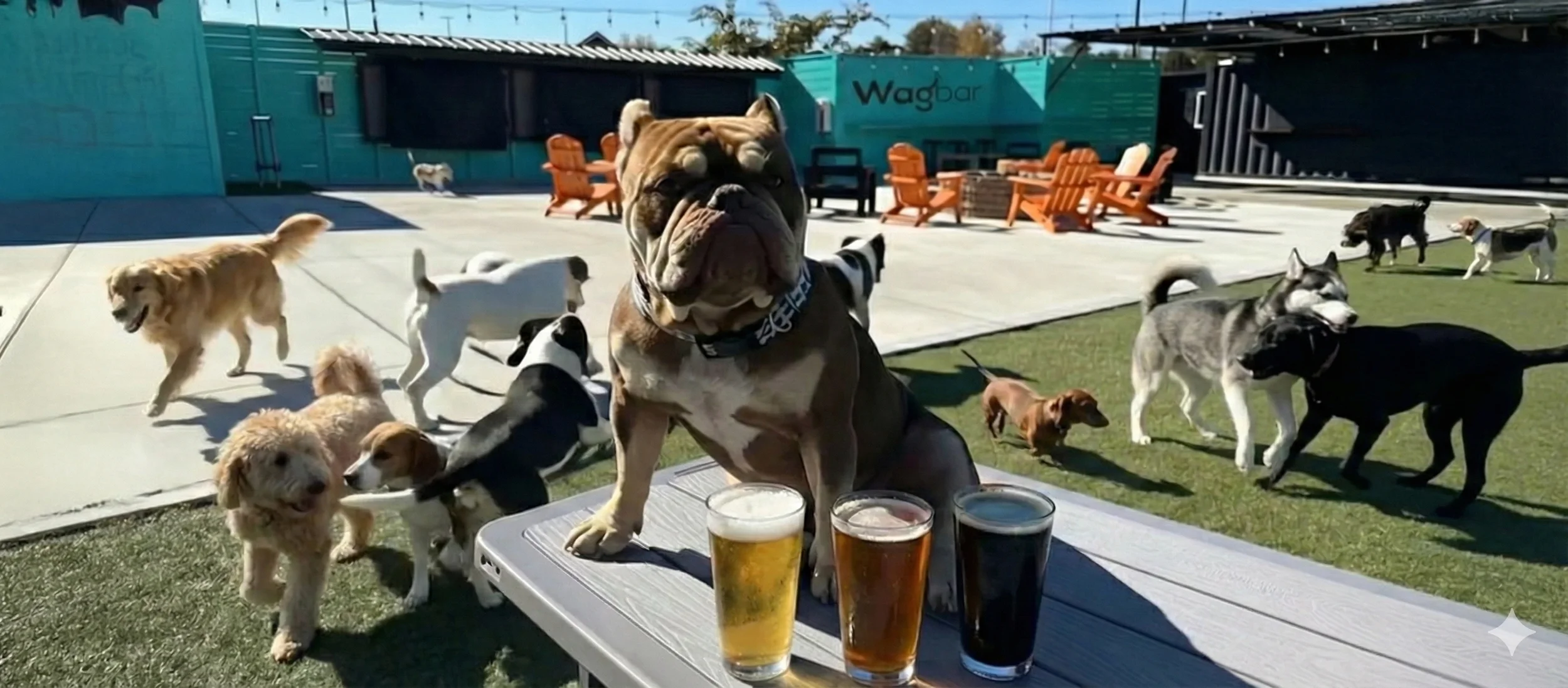
Wagbar's Knoxville location exemplifies this model, opening in October 2025 at the former Creekside Knox venue. The facility transforms traditional dog park limitations into a comprehensive experience addressing safety, supervision, and social elements for both dogs and owners.
How Off-Leash Dog Park Bars Work
The model operates on memberships or day passes, similar to gym memberships. This creates several advantages:
Economic sustainability for professional staffing. Municipal parks run on tax funding with minimal maintenance budgets. Membership models fund professional staff, regular maintenance, and facility improvements.
Community development through regular users. Members who visit frequently develop relationships, creating a self-regulating community that reinforces positive behaviors.
Accountability through membership. When membership can be revoked for rule violations, owners have incentive to manage their dogs appropriately and follow facility policies.
Safety Standards at Professional Facilities
Professional off-leash facilities implement safety protocols municipal parks can't match:
Mandatory documentation before first visit: Proof of vaccinations including rabies, distemper, and bordetella. Documentation of spay/neuter status for dogs over 6 months. Written acknowledgment of facility rules and owner responsibilities.
Ongoing behavioral monitoring: Staff trained in canine communication signals watch interactions continuously. Early intervention prevents escalation. Dogs showing aggressive tendencies are removed immediately.
Physical safety features: Double-gated entries preventing escapes. Separate areas for dogs of different sizes and play styles. Regular facility inspections for hazards. Proper lighting for evening hours.
Comparing Tennessee Cities for Dog Owners
Beyond individual dog parks, comparing Tennessee's major cities reveals different strengths for dog owners overall.
Knoxville: Growing but Behind
Knoxville offers adequate dog park options but lags behind Nashville in quantity and quality. The city's smaller size means fewer facilities overall, though the October 2025 opening of Wagbar Knoxville addresses the supervision and amenities gap.
Strengths: Lower cost of living than Nashville, strong outdoor culture, growing pet-friendly business scene, less traffic making park access easier.
Limitations: Fewer total dog parks, less pet-friendly infrastructure downtown, limited professional dog services compared to larger cities.
Nashville: Most Options but Highest Pressure
Nashville leads Tennessee in total dog park quantity but faces challenges from rapid growth and overcrowding.
Strengths: Most dog parks in the state, strong pet-friendly culture, numerous pet services and businesses, good veterinary access.
Limitations: Overcrowding at popular parks, traffic makes access difficult, higher cost of living affects pet care budgets, hot summers limit park hours.
Chattanooga: Scenic but Limited
Chattanooga's outdoor recreation focus doesn't translate to strong dog park infrastructure, though the city's hiking and trail options partially compensate.
Strengths: Beautiful natural settings, less crowded than Nashville or Memphis, strong outdoor culture, growing craft beverage scene.
Limitations: Fewest dedicated dog parks among major Tennessee cities, long drives to access facilities, limited professional pet services.
Memphis: Adequate but Maintenance Issues
Memphis maintains several dog parks but faces ongoing maintenance challenges in some locations.
Strengths: Shelby Farms offers premium dog park experience, multiple locations across the city, lower cost of living than Nashville.
Limitations: Inconsistent maintenance across facilities, high summer heat limits use, some locations have safety concerns, fewer pet-friendly businesses than Nashville.
What to Look for When Choosing a Dog Park
Whether you're in Tennessee or anywhere else, evaluating dog parks requires looking beyond surface appearances.
Safety and Risk Assessment
Fencing quality matters. Walk the entire perimeter. Look for gaps, weak spots, areas where small dogs could squeeze through. Check gate mechanisms for reliability.
Observe other dogs before entering. Spend 10 minutes watching interactions before bringing your dog in. Look for signs of overstimulation, mounting behaviors, excessive barking, or aggressive postures.
Check ground conditions. Mud creates slip hazards. Bare dirt harbors parasites. Broken pavement or exposed roots cause injuries. Proper maintenance prevents these issues.
Water access is essential. Dogs need fresh water available continuously. Shared water bowls spread disease. The best facilities use running water or individual water stations.
Owner Behavior and Culture
Watch how owners supervise. Are they on phones ignoring their dogs? Chatting in groups while dogs play unsupervised? Sitting too far away to intervene if needed?
Note rule compliance. Do owners clean up waste? Intervene when their dog plays too roughly? Remove dogs showing aggressive behaviors?
Assess crowding levels. Too many dogs in limited space creates stress and increases incident risk. Quality facilities limit capacity or provide extensive space preventing overcrowding.
Cleanliness Standards
Waste management tells the story. Empty waste bins, bags scattered around, or visible feces all indicate inadequate maintenance.
Surface condition matters. Mud puddles after rain signal drainage problems. Dust clouds in summer mean inadequate ground cover. Both create health and injury risks.
Smell is an indicator. Dog parks shouldn't smell like urine. Strong odors mean inadequate cleaning and high disease transmission risk.
Operating Philosophy
Free public parks operate on honor systems. No vaccination verification, no behavior standards, no professional oversight. You assume all risk.
Professional facilities maintain standards. Vaccination requirements, behavioral screening, trained supervision, and accountability systems protect all users.
Best Dog Breeds for Different Tennessee Dog Parks
Not all dogs thrive in all park environments. Understanding your dog's needs helps you choose appropriate facilities.
High-Energy Breeds Need Space
Border Collies, Australian Shepherds, and Huskies need large spaces where they can run at full speed. Small urban dog parks frustrate these breeds and can lead to behavioral problems.
These dogs excel at facilities offering multiple acres and varied terrain. They need mental stimulation along with physical exercise.
Social Breeds Require Positive Interactions
Golden Retrievers, Labrador Retrievers, and other naturally social breeds benefit most from supervised environments where positive play is encouraged and negative interactions are prevented.
These dogs form bad habits from negative experiences at unsupervised parks. They need environments where their naturally friendly temperaments are protected.
Small Breeds Need Protected Spaces
Small dog breeds require separate areas from large dogs. Size differences create injury risks even during normal play behaviors.
Small breed owners should avoid facilities without dedicated small dog areas. The "all dogs together" approach puts small breeds at unnecessary risk.
Reactive Dogs Need Professional Help First
Dogs with reactivity issues should not attend standard dog parks. These dogs need professional training in controlled environments before public off-leash socialization.
Professional reactive dog training addresses root causes. Public dog parks make reactivity worse, not better.
Year-Round Dog Park Considerations in Tennessee
Tennessee's climate creates seasonal challenges for dog park use.
Summer Heat Management
Tennessee summers regularly exceed 90°F with high humidity. Dogs overheat quickly in these conditions.
Morning and evening visits only. Avoid midday heat between 11 AM and 5 PM during summer months.
Shade is not optional. Dogs need constant access to shaded areas. Parks without adequate shade trees or structures are dangerous in summer.
Water access must be continuous. Dogs need to drink frequently in heat. Bring extra water beyond what the park provides.
Winter Weather Challenges
While Tennessee winters are mild compared to northern states, cold and wet conditions still create challenges.
Mud becomes the main issue. Winter rain turns many dog parks into mud pits. Urban dog owners need all-weather options.
Operating hours shrink. Many municipal parks close earlier in winter or have limited access during wet weather.
Professional facilities maintain year-round access. Indoor-outdoor spaces with weatherproofing allow use regardless of conditions.
Spring and Fall: Prime Seasons
Moderate temperatures make spring and fall ideal for dog park visits.
Increased usage creates crowding. Nice weather draws more dogs, particularly on weekends. Early morning or evening visits avoid peak crowds.
Pollen and allergens affect some dogs. Dogs with allergies may need limited exposure during high pollen counts.
Dog Park Etiquette Every Owner Should Follow
Proper dog park behavior makes visits safer and more enjoyable for everyone.
Before You Enter
Assess your dog's readiness. Tired, overstimulated, or anxious dogs shouldn't enter dog parks. Young puppies under 6 months lack social skills and vaccination protection.
Remove leashes before entering. Leashed dogs in off-leash areas become targets for harassment. Remove the leash in the buffer area before entering the main space.
Start with short visits. 30-45 minutes provides adequate exercise without overstimulation. Extended visits increase incident risk as dogs become tired.
While Inside
Watch your dog continuously. Your attention should be on your dog 90% of the time. Brief conversations are fine, but extended phone use or inattention creates problems.
Intervene early in unwanted behaviors. Don't wait for problems to escalate. Remove your dog from situations heading toward conflict.
Clean up after your dog immediately. Bring extra bags beyond what the park provides. Remove waste promptly rather than "coming back for it later."
Avoid bringing toys or treats. These create resource guarding situations and conflict between dogs. Personal toys don't belong in community spaces.
When to Leave
Exit if your dog seems tired or stressed. Panting heavily, seeking corners, or showing avoidance behaviors all signal time to go.
Remove your dog after any aggressive incident. Even if "the other dog started it," your dog needs a break after conflict.
Don't push social interactions. If your dog prefers to stay near you rather than playing, that's okay. Not all dogs are dog-park dogs.
Health and Safety Concerns at Public Dog Parks
Understanding disease transmission risks helps you make informed decisions.
Common Disease Risks
Kennel cough spreads easily. The bordetella bacteria causing kennel cough transmits through shared water bowls, close contact, and contaminated surfaces. Vaccination helps but doesn't provide complete protection.
Intestinal parasites thrive in dog parks. Giardia, roundworms, hookworms, and whipworms all spread through fecal matter. Inadequate waste removal increases transmission.
Canine influenza outbreaks happen periodically. This highly contagious respiratory infection spreads rapidly in group dog settings. Symptoms appear 2-4 days after exposure.
Injury Risks
Rough play causes most injuries. Torn ACLs, shoulder injuries, and soft tissue damage result from dogs running at high speed and making sudden direction changes.
Dog fights create serious wounds. Even brief altercations can cause puncture wounds requiring veterinary care. Facial injuries and ear tears are common.
Environmental hazards vary by facility. Broken glass, sharp sticks, and poisonous plants all appear in poorly maintained parks.
When to Skip the Dog Park
Avoid parks if your dog is recovering from illness. The immune system remains compromised for weeks after respiratory infections or gastrointestinal problems.
Puppies under 6 months shouldn't attend. Young puppies lack complete vaccination protection and proper social skills. Puppy socialization requires controlled environments.
Senior dogs with mobility issues face injury risks. Older dogs can't move as quickly to avoid collisions or aggressive dogs. Consider lower-impact exercise options.
The Future of Dog Parks in Tennessee

Tennessee's dog park landscape is evolving as cities recognize the importance of quality pet amenities.
Municipal Investment Trends
More Tennessee cities are including dog parks in master planning processes. New developments often require developers to include pet amenities as part of community facilities.
Funding remains a challenge. Municipal budgets allocate minimal amounts to dog park maintenance compared to other park facilities.
Private Sector Innovation
Private facilities filling gaps in municipal offerings represent the fastest-growing segment. These businesses provide supervision, safety protocols, and amenities traditional parks can't match.
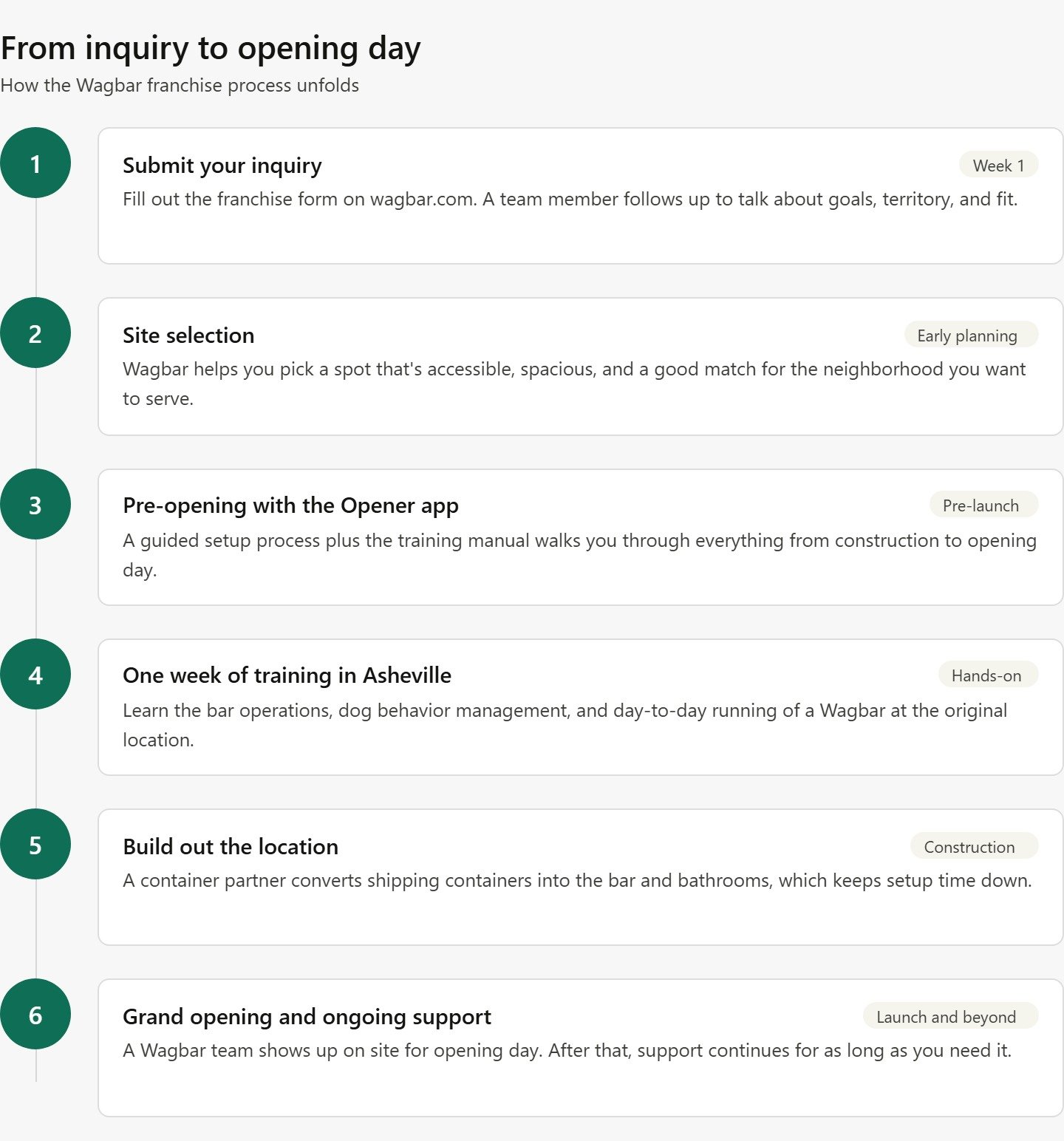
The Wagbar franchise model exemplifies this trend, combining off-leash play with social spaces for owners. As the concept spreads to more Tennessee cities, dog owners gain alternatives to unsupervised municipal parks.
Community Partnership Models
Some Tennessee cities are exploring partnerships between municipalities and private operators. These arrangements leverage public land with private operational expertise and funding.
Making the Right Choice for Your Dog
Tennessee offers numerous dog park options across its major cities, but quality varies dramatically. Understanding what makes a great facility helps you choose wisely.
Municipal parks serve a purpose but come with inherent limitations. No supervision, no behavioral standards, and minimal maintenance create risks every owner should understand.
Professional facilities with trained staff, vaccination requirements, and accountability systems provide safer, more positive experiences. The membership model supports better maintenance, professional oversight, and community development.
Your dog deserves safe, positive socialization experiences. Whether you choose municipal parks, professional facilities, or a combination of both, making informed decisions protects your dog's physical and behavioral health.
For Knoxville residents, the October 2025 opening of Wagbar provides a new option combining off-leash play with professional supervision and owner amenities. Nashville, Chattanooga, and Memphis residents can explore existing municipal options while watching for similar innovations in their cities.
The best dog park is the one that prioritizes safety, provides adequate space and stimulation, maintains clean conditions, and creates positive social experiences for both dogs and their owners. Choose facilities meeting these standards rather than settling for whatever is closest or cheapest.
Bottom TLDR (66 words): Dog parks across Knoxville, Nashville, Chattanooga, and Memphis provide basic off-leash spaces but lack professional supervision and safety standards that protect your dog. Municipal facilities can't screen aggressive dogs, verify vaccinations, or prevent negative interactions that damage your dog's social development. Professional alternatives with trained staff, behavioral screening, and accountability systems offer safer socialization experiences. Choose facilities prioritizing safety, adequate space, and positive social environments over convenience or cost.