
Dog Park Safety in Knoxville: Complete Guide to Etiquette, Requirements & Best Practices
Meta Description: Knoxville dog park safety guide: vaccination requirements, etiquette rules, body language reading, seasonal tips, and emergency resources for safe play.
Top TLDR: Dog park safety in Knoxville requires understanding Knox County vaccination requirements (rabies, DHPP, Bordetella), mastering essential etiquette including 15-minute acclimation periods for new arrivals, recognizing dog body language distinguishing play from aggression, and seasonal awareness preventing heat stroke in summer or hypothermia in winter conditions. Knoxville dog owners must supervise continuously, intervene immediately when play escalates to conflict, maintain recall training enabling emergency control, and carry emergency contact information for veterinary clinics including BluePearl Pet Hospital (24-hour emergency) and University of Tennessee Veterinary Medical Center serving Knox County communities. Public dog parks throughout Knoxville including Sequoyah Hills Dog Park, Tommy Schumpert Park, and Victor Ashe Park provide valuable socialization opportunities, though supervised facilities like Wagbar offer trained staff monitoring interactions, climate-controlled environments eliminating seasonal hazards, and structured playgroups by size and temperament reducing conflict risk. Understanding proper dog park etiquette and safety protocols creates positive experiences for all Knoxville dogs and their owners while preventing injuries, conflicts, and negative socialization encounters damaging dog confidence and behavior.
Why dog park safety matters in Knoxville
Dog parks provide invaluable socialization opportunities, exercise outlets, and community connections for Knoxville's dog owners, serving as outdoor gathering spaces where pets play freely while humans build friendships around shared experiences. Knox County's 10+ designated off-leash areas scattered across Knoxville, Farragut, Powell, and surrounding communities welcome thousands of visits weekly, creating vibrant canine social networks and active lifestyle opportunities for pet-owning residents. However, these benefits depend entirely on safety practices, proper etiquette, and responsible ownership preventing injuries, behavioral problems, and negative experiences transforming positive outlets into sources of stress and conflict.
National data from veterinary emergency hospitals indicates dog park-related injuries occur at rates of 1.5-3% of regular park users annually, with most incidents involving minor issues like scrapes, bruises, or temporary limping but approximately 15-20% requiring veterinary attention including puncture wounds, lacerations, or fractures. While these percentages appear modest, they represent significant numbers across Knoxville's dog population—estimating 35,000-40,000 dogs in Knox County with 20-25% regularly visiting dog parks creates 7,000-10,000 regular users experiencing 105-300 annual injuries, with 16-60 requiring medical intervention. Beyond physical injuries, negative socialization experiences including aggressive encounters, overwhelming play, or frightening incidents create behavioral consequences manifesting as fear, anxiety, or reactivity toward other dogs potentially lasting months or years after single traumatic events.
Knoxville's strong community culture and Southern hospitality traditions create foundation for positive dog park experiences as residents generally demonstrate friendliness, conscientiousness, and willingness to engage constructively with fellow park users. However, relying on general goodwill without specific knowledge about dog behavior, proper intervention timing, vaccination requirements, and safety protocols creates vulnerability to preventable problems. Education empowers responsible ownership, informed decision-making, and proactive safety practices transforming dog parks from potential liability into genuine community assets benefiting thousands of dogs and owners throughout Knox County. This comprehensive guide provides Knoxville residents with practical knowledge, specific recommendations, and local resources ensuring safe, positive dog park experiences for entire community.
Official Knoxville dog park requirements
Knox County vaccination and health mandates
Tennessee state law requires rabies vaccination for all dogs over three months of age, with Knox County Animal Control enforcing this mandate through licensing requirements and potential citations for non-compliance. Rabies vaccines administered by licensed veterinarians provide protection lasting one year (initial vaccine) or three years (subsequent booster shots), with documentation tags or certificates serving as proof of vaccination status. Dog parks operated by City of Knoxville and Knox County Parks and Recreation require current rabies vaccination for all dogs entering facilities, with owners subject to removal and potential fines if unable to provide proof when requested by animal control officers conducting random compliance checks.
Beyond legal requirements, veterinary best practices strongly recommend DHPP vaccine (distemper, hepatitis, parvovirus, parainflex) protecting against highly contagious diseases spreading rapidly in dog-dense environments like parks where multiple animals share space, water sources, and contact surfaces. While Knox County does not legally mandate DHPP for dog park access, responsible owners recognize disease prevention value outweighs modest vaccination costs ($25-$45 per dose), particularly given parvovirus's devastating effects on infected dogs including severe gastrointestinal distress, dehydration, and 10-20% mortality rates in treated cases or 80-90% mortality without treatment.
Bordetella (kennel cough) vaccination, while not legally required, prevents highly contagious respiratory infection spreading easily in crowded dog environments through airborne transmission or contaminated surfaces. Kennel cough causes persistent dry cough, nasal discharge, and lethargy lasting 1-3 weeks, with most cases resolving without treatment though severe cases potentially progressing to pneumonia requiring antibiotics and supportive care. Many Knoxville boarding facilities, daycares, and grooming salons require Bordetella vaccination, and dog park users should consider protection given similar transmission risks in off-leash environments where dogs interact closely and frequently.
Knox County does not maintain formal registry of dog park vaccinations or health screening system, placing responsibility entirely on individual owners verifying their dogs meet health standards before visiting facilities. This honor system works reasonably well in communities with high responsible ownership rates but creates vulnerability as single owner bringing unvaccinated or ill dog to park potentially exposes dozens of other animals to preventable diseases. Some private facilities including Wagbar Knoxville require vaccination verification at registration and maintain records ensuring all dogs accessing facility meet comprehensive health standards including rabies, DHPP, and Bordetella, while also restricting access for dogs showing illness symptoms regardless of vaccination status.
Age, spay/neuter, and behavioral requirements
Knoxville dog parks typically restrict access to dogs four months or older, allowing sufficient time for initial vaccination series (typically administered at 8, 12, and 16 weeks) providing immunity before exposure to high-risk environments. Puppies under four months possess vulnerable immune systems and limited socialization experience, making dog parks inappropriate and potentially dangerous venues for their developmental stage. Young puppies benefit more from controlled socialization through puppy classes, supervised play dates with known healthy dogs, and gradual exposure to various environments building confidence without overwhelming fear or disease risk.
While Knox County does not legally require spaying or neutering for dog park access, many facilities strongly recommend these procedures for dogs over six months of age due to behavioral and health benefits including reduced aggression (particularly in males), elimination of heat cycle complications (females in heat attract unwanted attention from intact males creating disruptive dynamics), and prevention of unplanned breeding from off-leash interactions. Some private dog parks and membership-based facilities mandate spay/neuter for dogs over eight months old, recognizing that intact dogs often demonstrate increased territorial behavior, dominance displays, and sexual interest potentially triggering conflicts with other park users.
Behavioral standards prohibit aggressive dogs from Knoxville public dog parks under city ordinances addressing public safety and animal welfare. Owners must remove dogs displaying aggression including unprovoked attacks, persistent bullying of other dogs, resource guarding of toys or water bowls, or threatening behavior toward humans. However, determining "aggression" versus normal play, appropriate corrections of rude behavior, or defensive responses to provocation requires nuanced understanding that many owners lack, creating inconsistent application and occasional conflicts between park users over whether specific dog behavior crosses unacceptable threshold. Clear guidelines and education about normal dog behavior versus concerning patterns help owners make informed judgments protecting all park users while avoiding overreaction to benign interactions misinterpreted as problems.
Essential dog park etiquette rules
The 15-minute acclimation rule
Dogs entering off-leash environments require time adjusting to new spaces, processing sensory information, and assessing other dogs present before fully engaging in play. The 15-minute acclimation rule recommends keeping newly arrived dogs near entrance area or walking perimeter observing park dynamics before releasing into center of activity, allowing gradual adjustment reducing overwhelming experiences triggering fear or defensive responses. During this acclimation period, owners should maintain proximity to their dogs, offer reassurance through calm presence, and watch for signs of stress or anxiety including excessive panting, wide eyes, low body posture, or attempting to leave park area.
New dogs entering parks often trigger interest from resident dogs rushing to greet newcomers, creating potentially overwhelming situations if multiple dogs simultaneously approach. Positioning near entrance during initial period allows other dogs satisfying curiosity through fence sniffing or brief greetings while newcomer maintains some physical barrier or escape route preventing feeling trapped or cornered. After several minutes of fence interaction, most resident dogs lose interest and return to their activities, allowing safer integration as newcomer enters main park area facing fewer simultaneous interactions and reduced stimulation levels.
Some dogs never acclimate to busy dog parks regardless of adjustment time, demonstrating persistent stress signals or defensive behavior indicating environment doesn't suit their temperament or socialization level. Recognizing when 15-minute rule proves insufficient requires honest assessment of whether continued park presence serves dog's interests or merely fulfills owner's desire for socialization opportunity unsuited to that particular animal. Alternative socialization options including structured playgroups at facilities like Wagbar, one-on-one play dates with familiar dogs, or professional socialization classes better serve dogs struggling with chaotic public park environments.
Intervention timing: When to step in versus let dogs work it out
Understanding when dog interactions require human intervention versus allowing dogs self-regulating through natural communication represents critical skill preventing both unnecessary interference in healthy play and delayed response to genuinely dangerous situations. Appropriate play includes reciprocal chasing (dogs take turns pursuing and being pursued), play bows (front end lowered with rear elevated signaling playful intent), loose body language, and frequent role reversals where dogs switch between dominant and submissive positions. This balanced interaction typically requires no intervention as dogs demonstrating mutual enjoyment and self-regulating intensity through natural breaks, position changes, and clear communication signals.
Concerning interactions requiring immediate intervention include one-sided play where single dog persistently harasses another attempting to disengage, sustained mounting behavior beyond brief displays (mounting serves as dominance assertion or stress response, but extended mounting indicates escalating conflict or anxiety), pinning without release (one dog holding another down without allowing escape or position change), and increasing vocalization intensity (playful barking sounds different from stress whining or aggressive growling, with escalating volume and frequency signaling deteriorating situation). Additionally, any physical contact around neck area or targeting vulnerable body parts transitions from play to genuine conflict requiring immediate separation preventing injury.
Resource guarding situations demand instant intervention regardless of whether actual fighting occurs. Dogs exhibiting stiff body posture, hard stares, or growling around toys, water bowls, or even owner attention create dangerous conditions where physical conflict may erupt suddenly with minimal warning. Removing resource from environment (picking up toy, moving away from water bowl) immediately de-escalates situation, though dogs demonstrating resource guarding behavior may require specialized training before returning to dog park environments where triggers commonly exist and avoidance proves difficult.
Supervision requirements and cell phone etiquette
Effective supervision requires continuous visual contact with your dog, immediate availability to intervene if necessary, and proximity enabling rapid physical intervention within 2-3 seconds. Many Knoxville dog park problems arise from inattentive owners socializing with other humans, absorbed in cell phone activities, or simply failing to watch their dogs assuming general park supervision by collective group. However, each owner bears primary responsibility for their own dog's behavior and safety, making continuous personal supervision non-negotiable component of responsible park use.
Cell phone usage represents particularly problematic distraction in dog park environments. While brief phone calls or quick text messages prove manageable for owners with well-trained dogs demonstrating reliable behavior patterns, extended phone conversations, social media browsing, or video watching creates sustained attention lapses during which incidents occur. Video recording dog play has become popular activity as owners capture entertaining moments sharing on social media, but even filming requires maintaining awareness of broader park dynamics and recognizing when specific interactions shown in viewfinder require intervention rather than continued documentation.
Appropriate supervision doesn't mean hovering anxiously or constantly interrupting play, which communicates tension to dogs and potentially increases their stress levels while annoying other park users. Instead, effective supervision involves positioning where entire park remains visible, conducting visual sweeps every 30-60 seconds ensuring your dog's location and activity remains appropriate, maintaining relaxed but alert body language signaling availability without broadcasting anxiety, and trusting your dog's ability to navigate social situations while remaining prepared to assist if necessary. This balanced approach respects dogs' social autonomy while maintaining safety net preventing minor issues escalating to serious problems.
Food, treats, and toy policies
Most Knoxville public dog parks prohibit food and treats inside off-leash areas due to resource guarding risks, allergic reaction concerns, and general conflict triggers these high-value items create in multi-dog environments. Single treat offered to your dog attracts attention from other dogs potentially creating aggressive confrontations as animals compete for access, while food allergies affecting some dogs mean well-intentioned treats from strangers may trigger serious health reactions requiring veterinary intervention. Additionally, dropped food or treats scattered on ground create scavenging behaviors with dogs aggressively competing for resources or owners inadvertently teaching dogs that ground sniffing and searching proves more rewarding than social interaction with other animals.
Toys present similarly complex situations despite many parks allowing them. While personal toys provide entertainment and energy outlets, introducing toys to multi-dog environment creates possession dynamics where some dogs guard items aggressively, others persistently attempt taking toys from current possessor, and general play deteriorates into toy-focused competition replacing healthy dog-to-dog interaction. Some dogs manage shared toy play appropriately with natural turn-taking and gentle competition, but mixed groups of unfamiliar dogs with varying social skills and resource guarding tendencies make toy introduction risky proposition better avoided or carefully managed.
If bringing toys to Knoxville dog parks, owners should observe park dynamics first, introduce only non-valued items (balls or frisbees rather than favorite toys triggering strong possessive feelings), immediately remove toys if guarding behavior emerges, and accept responsibility for conflicts arising from toy introduction. Better practice involves reserving toy play for controlled environments including home yards, private play dates, or supervised facilities offering structured play sessions where staff manages toy introduction and removes items if conflict develops, preventing escalation while maintaining positive play atmosphere.
Waste removal and park maintenance
Knox County requires immediate waste removal from all public spaces including dog parks, with owners facing potential fines of $50-$150 for non-compliance if observed by park rangers or animal control officers. Beyond legal requirements, prompt waste removal prevents disease transmission through parasite eggs and bacteria surviving in feces for weeks or months contaminating soil and water sources, reduces unpleasant odor affecting all park users' experience, and maintains sanitary conditions encouraging continued facility use by broader community. Bringing adequate waste bags (2-3 per dog per visit accounting for multiple eliminations during extended park stays) and disposing immediately rather than waiting until departure ensures consistent compliance.
Waste removal requires actually locating and collecting waste rather than assuming someone else handles cleanup or rationalizing that outdoor environment naturally processes waste. Some owners struggle identifying their dog's waste in multi-dog parks where numerous piles exist simultaneously, but responsible practice involves continuously monitoring your dog and noting locations where elimination occurs enabling immediate cleanup. The 10-foot rule provides useful guideline—if your dog travels more than 10 feet from where you last observed them, assume elimination occurred somewhere along path and actively search that area rather than relying on having witnessed actual act.
General park maintenance beyond waste removal includes picking up discarded items (toys, tennis balls, or debris), reporting damaged fencing or infrastructure to parks department, and filling water bowls if empty during your visit. These small maintenance contributions by individual users prevent park deterioration, reduce long-term repair costs requiring tax funding, and create culture of collective care benefiting entire Knoxville dog owner community. Strong maintenance culture in Sequoyah Hills Dog Park and Tommy Schumpert Park reflects engaged user bases taking ownership of shared spaces, while deteriorating condition at some lesser-used facilities demonstrates consequences when users adopt purely extractive mindset expecting others handling upkeep.
Safety checklist before your first Knoxville dog park visit
Vaccination verification and health screening
Before attempting first dog park visit, verify your dog has received complete vaccination series including rabies (required at minimum), DHPP (strongly recommended), and Bordetella (recommended for park environments), with documentation available proving compliance if questioned by animal control or facility staff. Contact your Knoxville veterinarian if uncertain about vaccination status or if records indicate boosters are due, as expired vaccines provide insufficient protection and violate facility requirements. Most veterinary clinics including West Knox Veterinary Hospital, Eagleton Clinic, and Chapman Highway Animal Hospital offer convenient walk-in vaccination clinics expediting updates without requiring full appointment scheduling.
Health screening the morning of park visit prevents bringing ill dogs into environments where diseases spread rapidly among multiple animals sharing close proximity. Check for obvious illness symptoms including coughing or sneezing (potential kennel cough), diarrhea or vomiting (gastrointestinal illness), skin irritation or hot spots (potentially contagious dermatological conditions), limping or mobility issues (physical injury worsening with vigorous play), and lethargy or reduced appetite (general illness indicators). If any concerning symptoms present, postpone park visit until dog fully recovers and veterinarian confirms no contagious conditions threaten other animals.
Female dogs in heat must never enter dog parks regardless of vaccination status, as hormonal changes trigger intense interest from male dogs creating disruptive dynamics, potential fighting among males competing for access, and risk of unplanned breeding if intact males present. Heat cycles lasting approximately 3 weeks occur every 6-8 months in unspayed females, making this temporary restriction manageable inconvenience compared to problems caused by bringing in-heat females to multi-dog environments. Plan alternative exercise options including leashed neighborhood walks, private yard play, or supervised indoor facilities during heat cycles maintaining fitness without creating park disruptions.
Basic obedience and recall training assessment
Reliable recall (come command) represents essential safety skill before attempting off-leash dog parks, as owners must effectively summon dogs from distance immediately when necessary preventing conflicts, retrieving dogs showing stress signals, or departing parks efficiently when situations require. Test recall reliability in controlled environments including home yard or quiet park on long leash before trusting in high-distraction dog park settings where competing interests from other dogs, smells, and activities challenge obedience responses. Dogs should respond to recall command 80-90% of time in moderately distracting environments (neighborhood with occasional people and dogs) before attempting dog parks where distraction levels increase exponentially.
"Leave it" command preventing dogs from picking up objects, approaching other dogs, or engaging in unwanted behaviors provides second critical safety skill protecting dogs from consuming dangerous items (discarded food, medication, or toxic substances occasionally found in public parks), preventing unwanted interactions with dogs showing stress signals, and enabling owner directing dog away from concerning situations. Practice "leave it" with progressively valuable items starting with low-interest objects and gradually increasing difficulty to high-value treats or favorite toys, ensuring reliable response even when dog intensely interested in prohibited item or behavior.
Basic socialization readiness beyond specific commands includes comfortable behavior around other dogs on leash walks (no lunging, excessive barking, or fearful cowering), positive reactions to friendly stranger approach without aggression or extreme fear, and general confidence in novel environments including willingness to explore new spaces versus freezing or attempting escape. Dogs lacking these foundational socialization experiences benefit from graduated exposure through controlled settings including puppy classes, private play dates, or professional training programs before attempting chaotic public dog parks potentially overwhelming insufficiently socialized animals creating negative experiences harming long-term behavioral development.
Essential supplies and emergency contacts
Pack adequate supplies supporting safe, comfortable dog park visits including:
Multiple waste bags (minimum 3 per dog)
Portable water bowl and fresh water (especially summer months)
Leash for entering/exiting park safely and emergency situations
Towels for cleaning muddy paws before car entry
First aid supplies including gauze pads, antiseptic spray, and wrap bandaging for minor injuries
Current vaccination records if visiting new facilities requiring documentation
Emergency contact information including personal veterinarian and 24-hour emergency clinic
Store emergency veterinary contacts in phone prior to park visits enabling immediate communication if injuries occur requiring professional attention. BluePearl Pet Hospital (24-hour emergency) located at 1471 Dowell Springs Boulevard provides comprehensive emergency and specialty veterinary services serving greater Knoxville area, while University of Tennessee Veterinary Medical Center at 2407 River Drive offers emergency services and specialty consultations. Having specific addresses and phone numbers readily available prevents wasting critical minutes during emergencies searching for facility information while injured dog requires immediate transport.
Consider microchipping dogs and ensuring current contact information links to chip registration, as accidental escapes occasionally occur at dog parks through gate malfunctions, distracted moments during entry/exit, or dogs squeezing through damaged fence sections. Knox County Animal Control (5720 Old Tazewell Pike) maintains lost and found database, and microchip scanning represents standard protocol when stray dogs arrive at facility. Microchipping costs $25-$50 at most Knoxville veterinary clinics and provides permanent identification increasing reunion chances if separation occurs.

Reading dog body language at Knoxville dog parks
Distinguishing play from aggression
Understanding dog body language represents essential skill enabling appropriate intervention timing and preventing overreaction to normal play behaviors while recognizing genuine conflicts requiring immediate attention. Play behaviors include play bows (front legs extended, chest lowered, rear elevated), loose wiggling body movements, open relaxed mouths, frequent position changes and role reversals, and voluntary breaks where dogs pause interaction before resuming. These signals communicate playful intent and mutual enjoyment, indicating interactions require no intervention allowing dogs continuing self-regulated social engagement.
Aggressive body language shows stark contrast through stiff rigid posture, fixed hard stares, closed mouths with visible tension in facial muscles, direct linear approach rather than curved playful movements, raised hackles (fur standing up along spine and shoulders), and sustained positioning over another dog without release or position change. Vocalizations differ substantially between play and aggression—playful barking sounds higher-pitched and irregular with frequent pauses, while aggressive growling emerges deeper and more sustained with escalating intensity if situation continues. Learning these distinctions through observation and potentially professional guidance through training classes prevents inappropriate intervention in healthy play while ensuring rapid response when genuine aggression emerges.
Mixed signals occasionally occur where play starts appropriately but gradually escalates beyond comfortable boundaries for one participant. Watch for asymmetry where one dog attempts disengaging (moving away, seeking owner, attempting to leave area) while other dog persists pursuing and re-engaging despite clear avoidance signals. This imbalance indicates play deteriorated from mutually enjoyable interaction into harassment requiring intervention regardless of whether overtly aggressive behavior displayed, as continued forced interaction creates negative experiences potentially damaging less-assertive dog's confidence and relationship with other dogs.
Stress signals requiring immediate attention
Stress manifests through multiple physical and behavioral indicators that Knoxville dog owners should recognize prompting immediate intervention removing stressed dogs from overwhelming situations before escalation occurs. Common stress signals include excessive panting disproportionate to activity level and ambient temperature, yawning repeatedly in stimulating rather than tired contexts, lip licking when no food present, whale eye (whites of eyes visible as dog averts gaze while keeping head relatively forward), lowered body posture with weight shifted backward, and tail tucked between legs or held low rather than relaxed neutral position.
Displacement behaviors—actions unrelated to current situation serving as stress coping mechanisms—indicate dogs struggling with environment including sudden ground sniffing when no apparent scent interest exists, scratching despite no obvious itch, and shaking off as if wet when completely dry. These behaviors help dogs self-regulating stress, but their presence indicates environment exceeds comfortable arousal levels requiring owner assessment of whether situation improves with brief break or necessitates complete park departure preventing continued stress accumulation.
Freezing or immobility represents particularly concerning stress response indicating dog feels threatened and uncertain how to respond, potentially preceding defensive aggression if perceived threat continues approaching or engaging. If you observe your dog freezing or another dog freezing as yours approaches, immediately recall your dog and create distance allowing stressed animal recovery without continued pressure. Some owners misinterpret freezing as "dominant" behavior requiring confrontation, but this misunderstanding escalates situations unnecessarily—space and reduced pressure resolve most frozen-dog scenarios without conflict.
Intervention protocols and de-escalation techniques
When concerning interactions require intervention, effective techniques prioritize safety while minimizing drama that excites other park dogs potentially joining conflicts. Avoid reaching directly between fighting dogs as hands positioned between snapping jaws risk serious injury—instead, grab dog by hips or rear legs pulling backward away from conflict while other owner employs same technique with their dog. This wheelbarrow method creates physical separation without placing hands near mouths, enabling simultaneous pulling by multiple parties if necessary.
For less intense situations requiring separation but not involving active fighting, recall commands or verbal interruptions may suffice redirecting attention. Calling dog's name enthusiastically, clapping hands creating surprising noise, or even running in opposite direction triggering chase instinct effectively breaks focus on concerning interaction. Once separated, create physical distance before attempting re-introduction, and carefully assess whether re-entry proves appropriate or if park departure better serves all parties' interests given escalation risk if second interaction proceeds poorly.
Post-intervention assessment determines appropriate next steps including immediate park departure if your dog demonstrated aggression, brief time-out period outside main play area before re-entry if your dog seemed overwhelmed but not aggressive, or continued play if incident appeared minor and all dogs recovered quickly demonstrating interest in resuming interaction. Honest evaluation of your dog's role in conflict—victim, instigator, or mutual participant—guides decision-making about whether continued park presence serves dog's interests or creates liability risk for other park users. Facilities like Wagbar employ trained staff implementing structured intervention protocols preventing escalation while maintaining positive play atmosphere through proactive monitoring and early intervention before conflicts develop.
Seasonal safety considerations for Knoxville dogs
Summer heat management (June-September)
Knoxville's humid subtropical climate creates challenging conditions for dogs during summer months when temperatures regularly exceed 85-95°F with humidity levels of 60-80% dramatically reducing evaporative cooling efficiency limiting dogs' ability to regulate body temperature through panting. Heat stroke—potentially fatal condition where body temperature exceeds 104-106°F causing organ damage and neurological dysfunction—represents serious risk during summer dog park visits, particularly for brachycephalic breeds (bulldogs, pugs, boxers) with compromised respiratory systems, dogs with thick coats designed for cold climates (huskies, malamutes), elderly dogs with reduced physiological resilience, and overweight dogs carrying excess insulation.
Prevent heat-related illness through restricted park hours visiting only during cooler morning periods (before 9 AM) or evening hours (after 7 PM) when temperatures moderate and sun intensity reduces, providing unlimited access to fresh clean water with multiple water sources preventing competition and ensuring all dogs can drink freely, offering shade structures or natural tree cover where dogs can rest between play sessions cooling core temperatures, and monitoring for heat stroke symptoms including excessive panting with difficulty breathing, drooling heavily, bright red or pale gums, vomiting or diarrhea, weakness or collapse, and disorientation or seizures.
If heat stroke symptoms appear, emergency treatment involves immediately moving dog to shade or air-conditioned vehicle, applying cool (not ice-cold) water to body particularly abdomen, groin, and paw pads where large blood vessels near surface enable rapid cooling, offering small amounts of room-temperature water if dog can drink safely without choking risk, and transporting immediately to emergency veterinary facility as internal organ damage may continue even after external cooling. BluePearl Pet Hospital maintains 24-hour emergency services equipped with advanced cooling protocols and supportive care for heat stroke cases, with survival rates exceeding 80% if treatment initiates within 60-90 minutes of symptom onset but declining rapidly if delayed beyond 2-3 hours.
Winter cold weather precautions (December-February)
While Knoxville winters prove relatively mild compared to northern climates with average January temperatures of 30-50°F, cold weather considerations still apply particularly during polar vortex events dropping temperatures into teens or single digits. Small dogs, dogs with thin coats (greyhounds, whippets, Chihuahuas), and elderly dogs with arthritis or circulatory issues experience cold sensitivity at temperatures above freezing (40-45°F) requiring shortened visits, protective clothing like insulated dog coats, and careful monitoring for shivering, reluctance to move, or seeking warmth by clustering near owners or heated surfaces.
Ice hazards present significant injury risk at Knoxville dog parks following freezing rain events or when morning frost creates slippery conditions before temperatures rise. Dogs running at full speed on ice may slip and fall causing muscle strains, ligament tears (particularly ACL injuries requiring surgical repair), or bone fractures. Additionally, chemical ice melters spread on parking areas and pathways contain sodium chloride or calcium chloride irritating paw pads and potentially causing gastrointestinal upset if dogs lick treated paws, making paw washing immediately after park visits important protective measure during winter months.
Frozen ground conditions, while less obviously hazardous than ice, create harder running surfaces increasing impact forces on joints and potentially aggravating arthritis or causing overuse injuries in dogs unaccustomed to prolonged play on unforgiving terrain. Winter park visits should emphasize quality over quantity with 20-30 minute sessions providing adequate socialization and exercise without excessive joint stress, supplementing with gentler exercise options including leashed neighborhood walks on softer surfaces or indoor play at climate-controlled facilities maintaining consistent surface conditions year-round.
Spring mud and parasite considerations (March-May)
Spring rains transform Knoxville dog parks into muddy conditions creating slip hazards, sanitation challenges, and parasite transmission risks. Muddy conditions obscure waste making cleanup difficult and increasing parasite exposure as dogs track through contaminated areas absorbing hookworm larvae, roundworm eggs, or giardia cysts through paw contact then ingesting during grooming behaviors. Post-visit paw washing with antiseptic solution reduces parasite exposure while preventing household contamination as dogs track muddy paws across floors spreading potential pathogens to living areas.
Spring marks peak season for external parasites including fleas awakening from winter dormancy and ticks emerging as temperatures consistently exceed 40°F. Dog parks represent high-risk environments for parasite transmission as multiple dogs sharing space facilitate flea jumping between hosts while ticks positioned on vegetation attach to passing dogs brushing against plants. Monthly flea and tick preventatives including oral medications like NexGard or Simparica or topical treatments like Frontline Plus provide essential protection, with products requiring consistent administration rather than sporadic treatment reacting to visible infestations.
Environmental allergens including tree pollen (oak, maple, elm) peak during April-May creating allergic responses in sensitive dogs manifesting as skin irritation, excessive scratching, ear infections, and respiratory symptoms. While dog parks don't cause allergies, outdoor exposure concentrates allergen contact potentially worsening symptoms in affected animals. Dogs demonstrating spring allergy symptoms benefit from reduced park frequency or transitioning to indoor play alternatives during peak pollen periods, antihistamine treatment under veterinary guidance, and post-visit bathing removing pollen from coat before extensive grooming spreads allergens across entire body surface.
Fall hazards and seasonal preparation (September-November)
Autumn introduces unique hazards including foxtails—barbed grass seeds detaching from dried grasses and burrowing into skin, ears, eyes, or nasal passages causing painful infections requiring veterinary removal. Knoxville dog parks with unmaintained grassy areas accumulate foxtails during late summer and fall, creating particular risk for dogs with long coats or floppy ears trapping seeds during play. Post-visit inspections checking between toes, inside ears, around eyes, and anywhere seeds might lodge prevents embedded foxtails causing serious complications if overlooked allowing deep migration into tissues.
Seasonal allergies continue into fall with ragweed pollen peaking in September-October affecting allergic dogs similarly to spring symptoms, while mold spores from decomposing leaf litter add additional allergen exposure. Dogs demonstrating increased scratching, paw licking, or respiratory symptoms during fall may benefit from veterinary evaluation determining whether allergies require medical management through antihistamines, immunotherapy, or other treatment options improving quality of life during problematic seasons.
Weather transitions between warm days and cool nights create temperature management challenges as owners arrive prepared for daytime warmth but depart during evening chill. Pack layered gear including portable water and shade for warm afternoon arrivals but also light jacket or windbreaker if remaining into evening when temperatures drop 10-20°F within hours during fall months. Monitoring weather forecasts before park visits enables appropriate preparation preventing discomfort or health risks from unexpected temperature swings characteristic of Knoxville's transitional seasons.
How supervised play at Wagbar Knoxville differs from public dog parks
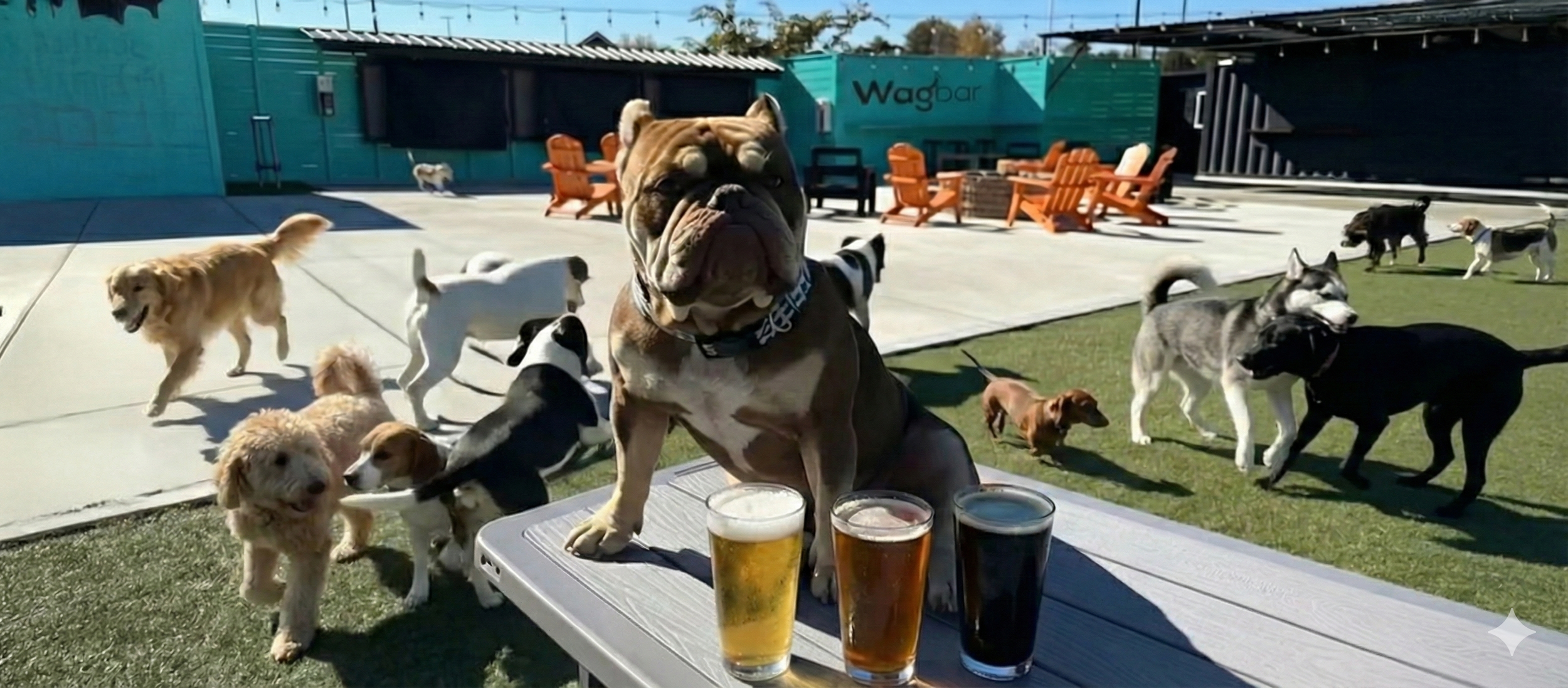
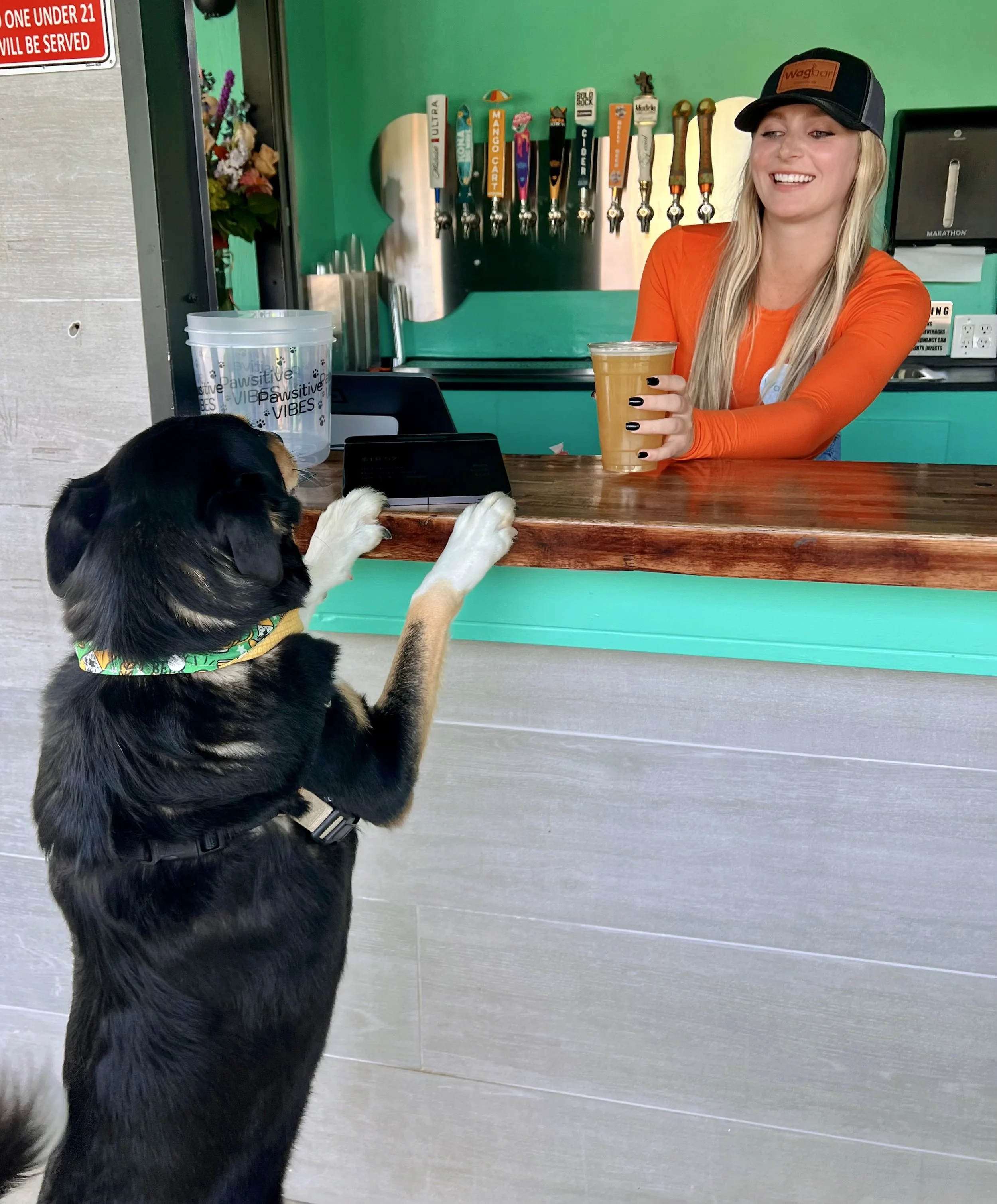
Wagbar Knoxville represents fundamentally different model from traditional public dog parks through professional staffing, controlled access, mandatory health verification, and structured playgroup management creating safer, more positive experiences for dogs and owners. Trained staff members continuously monitor all dog interactions throughout facility implementing proactive intervention protocols addressing concerning behaviors before escalation, recognizing subtle stress signals many owners miss, and maintaining optimal group dynamics through strategic management of playgroup composition, size, and energy levels.
Mandatory vaccination verification at registration ensures all dogs accessing facility meet comprehensive health standards including rabies, DHPP, and Bordetella, with documentation reviewed and recorded creating accountable health screening system protecting entire membership community. Dogs showing illness symptoms face denied access regardless of vaccination status, preventing sick animals exposing healthy dogs to contagious conditions. This controlled access model contrasts sharply with public park honor system where unvaccinated or ill dogs may enter without detection until problems emerge.
Climate-controlled environment eliminates seasonal hazards including summer heat stroke risk through air conditioning and shade structures, winter hypothermia concerns through heated indoor spaces, spring mud contamination through proper drainage and artificial turf sections, and fall allergen exposure through filtered air systems and maintained grounds. Year-round consistent conditions enable reliable scheduling and predictable experiences versus public parks where weather and seasonal factors dramatically affect usability creating unpredictable availability and variable conditions complicating planning.
Structured playgroups organized by size, temperament, and play style optimize interaction quality preventing problematic mismatches where large dogs overwhelm small breeds, high-energy dogs frustrate calm animals, or incompatible play styles (wrestler versus runner) create conflict. Staff actively manage group composition adding compatible dogs and removing poor matches before negative experiences occur, maintaining positive atmosphere benefiting all participants. This intentional curation produces consistently enjoyable experiences versus public park randomness where arrival timing determines whether compatible playmates present or if incompatible dogs create stressful situations.
Frequently asked questions about Knoxville dog park safety
Q: How old should my dog be before visiting Knoxville dog parks?
A: Most Knoxville dog parks recommend minimum age of 4-6 months allowing completion of initial vaccination series (typically 8, 12, and 16 weeks) plus time for immunity development before high-risk exposure. Beyond vaccination timing, puppies benefit from controlled socialization through puppy classes, private play dates, and gradual environmental exposure before attempting chaotic dog park environments potentially overwhelming insufficiently prepared young dogs. Some behaviorists recommend waiting until 6-8 months or even one year for particularly shy or anxious puppies, prioritizing foundational confidence-building over premature park exposure risking negative experiences harming long-term behavioral development.
Q: Are certain dog breeds not allowed at Knoxville dog parks?
A: Knox County does not maintain breed-specific restrictions for public dog parks, rejecting breed discrimination recognizing that individual temperament and training determine behavior more reliably than breed characteristics. However, owners of breeds with strong prey drive (terriers, hounds), protective instincts (guardian breeds), or significant size advantages (giant breeds) bear extra responsibility carefully supervising interactions and managing their dogs proactively preventing problems arising from breed-specific behavioral tendencies. Private facilities may implement breed policies based on insurance requirements or operational experience, though most focus on individual behavioral assessment rather than blanket breed restrictions.
Q: What should I do if another owner's dog attacks mine at a Knoxville dog park?
A: If attack occurs, prioritize immediate safety separating dogs using wheelbarrow method (grabbing hind legs pulling backward) rather than reaching between dogs risking hand injuries, then assess injuries determining whether emergency veterinary care needed. Document incident taking photos of injuries, obtaining contact information from other owner (name, phone, address), and requesting vaccination records verifying rabies status addressing potential exposure concerns. Report serious incidents to Knox County Animal Control (865-215-6650) filing official complaint creating documentation for potential civil liability claims if veterinary expenses result. Exchange information with witnesses willing to provide statements supporting accurate incident reconstruction if disputes arise.
Q: Should I break up dogs that appear to be fighting or let them work it out?
A: Immediate intervention becomes necessary when play escalates to fighting characterized by sustained vocalization (growling intensifying rather than playful barking), stiff rigid body language replacing loose play movements, dogs locked together or repeatedly attempting bite holds rather than play mouthing, one dog clearly attempting escape while other pursues aggressively, or any targeting of vulnerable areas including neck, face, or underbelly. Minor disagreements with brief vocalization followed by immediate separation and resuming play may resolve without intervention, but err on the side of caution separating dogs if situation appears genuinely dangerous rather than hoping resolution occurs naturally risking serious injuries requiring veterinary treatment.
Q: Can I bring my dog to Knoxville parks if they're reactive toward other dogs on leash?
A: Dogs demonstrating leash reactivity (lunging, barking, or aggressive displays toward other dogs when restrained) may or may not translate that behavior to off-leash environments where different dynamics apply. However, leash reactivity often indicates insufficient socialization, fear-based responses, or frustration potentially manifesting as off-leash problems warranting caution before attempting dog parks. Consider professional reactivity training addressing underlying causes before park introduction, or trial supervised facility where staff can assess behavior safely before exposing reactive dog to uncontrolled public park environments risking incident with other dogs.
Q: How do I know if my dog is ready for Knoxville dog parks versus needing more socialization first?
A: Key readiness indicators include comfortable behavior around other dogs during leashed walks showing interest without fear or aggression, successful play experiences with known dogs during controlled play dates, reliable recall response in moderately distracting environments, and general confidence in new places without excessive fear or stress. If your dog demonstrates persistent fear, excessive excitement unresponsive to calming cues, aggression toward other dogs even during brief encounters, or complete lack of interest in dog interaction preferring human attention exclusively, dog parks likely prove inappropriate requiring graduated socialization through classes, private sessions, or structured playgroups before attempting uncontrolled public environments.
Q: What's the difference between small dog and large dog sections at Knoxville parks?
A: Many Knoxville facilities including Tommy Schumpert Park and Victor Ashe Park maintain separate small dog areas (typically under 20-30 pounds) protecting smaller breeds from injury during rough play with larger dogs, providing less overwhelming environment for shy small breeds intimidated by large dog energy, and enabling small dog owners socializing without constant vigilance against potential size-related injuries. However, size separation creates tradeoffs including reduced space limiting running ability and fewer potential playmates restricting socialization variety, with some well-socialized small dogs preferring large dog section for more vigorous play while some gentle large dogs appreciate small dog section's calmer energy despite technically exceeding weight limits.
Q: Should I stay inside the dog park or can I wait outside the fence?
A: Remaining inside park enables immediate response if intervention needed, provides reassurance to your dog particularly during initial visits, allows closer observation of body language and stress signals difficult noticing from distance, and models responsible ownership for other users. However, some extremely confident dogs function better without owner presence enabling full engagement with dog playmates rather than checking back frequently with owner, while owners managing multiple dogs, small children, or personal physical limitations may legitimately choose fence-side positioning maintaining visual contact without internal presence. Assess your specific dog's needs and supervision requirements determining appropriate positioning prioritizing safety and positive experience over rigid rules applying equally to all situations.
Q: Can I bring treats to reward my dog's good behavior at Knoxville dog parks?
A: Most Knoxville public dog parks prohibit food and treats inside off-leash areas due to resource guarding risks as food's high value triggers possessive behavior in many dogs creating conflict potential, food allergens affecting some dogs meaning well-intentioned treats from strangers may trigger dangerous reactions, and training challenges as food motivation becomes unreliable with multiple dogs potentially intercepting rewards intended for your dog. Reserve treat-based training for controlled environments using alternative motivators including toys (if allowed), praise and petting, or short play breaks as rewards during park visits. If your dog requires frequent food rewards maintaining behavioral compliance, dog parks may prove inappropriate environment versus structured training facilities or one-on-one sessions enabling consistent reinforcement.
Q: What time of day is safest for visiting Knoxville dog parks?
A: Early morning hours (6-8 AM) offer advantages including cooler temperatures benefiting heat-sensitive dogs, fewer crowds reducing stress for dogs uncomfortable with high-energy group dynamics, and regular attendees often consisting of experienced, responsible owners forming de facto community with shared safety standards. Early evening hours (5-7 PM) provide similar temperature advantages versus midday heat while accommodating work schedules, though typically attracting larger crowds and potentially less experienced owners visiting occasionally versus daily morning regulars. Avoid midday summer visits (11 AM-4 PM) when heat poses serious risk, and exercise caution during early evening Friday/Saturday when increased alcohol consumption by some irresponsible owners compromises supervision quality and decision-making.
Q: Is it safe to let my dog drink from communal water bowls at Knoxville dog parks?
A: Communal water sources carry disease transmission risks including leptospirosis (bacterial infection spread through urine-contaminated water causing kidney and liver damage), giardia (intestinal parasite causing diarrhea), and kennel cough (respiratory infection), though actual transmission rates remain relatively low and most healthy dogs with current vaccinations tolerate exposure without illness. Minimize risk by bringing personal water bowl and fresh bottled water preventing shared water source contact, ensuring your dog maintains current vaccinations providing immunity against preventable diseases transmitted through water sources, and avoiding water bowls appearing heavily contaminated with saliva, food particles, or algae growth indicating insufficient cleaning and maintenance.
Q: How should I handle situation where another owner won't control their aggressive dog?
A: Address situation by calmly but directly communicating concerns to owner stating "Your dog seems stressed/aggressive—please secure them while we exit," avoiding accusatory language potentially triggering defensive responses while clearly requesting action. If owner refuses or situation appears dangerous, prioritize immediate safety removing your dog from environment even if requiring walking through portion of park to reach exit. Report persistent problems to Knox County Parks and Recreation (865-215-1660) documenting specific dates, times, dog descriptions, and owner information enabling staff addressing repeat offenders through warnings, temporary bans, or permanent exclusions protecting all park users from irresponsible owners creating dangerous conditions.
Q: Can puppies under 4 months visit Knoxville dog parks if they've started their vaccination series?
A: Knoxville dog parks typically restrict access to dogs 4+ months ensuring completion of initial vaccination series and allowing time for immunity development, with most veterinarians and behaviorists recommending waiting until 16-18 weeks (full vaccination series completed) before high-risk exposure. Young puppies possess vulnerable immune systems and critical early socialization periods (8-16 weeks) benefiting more from controlled exposures through puppy classes, supervised play dates with known healthy dogs, and environmental exposure building confidence without disease risk or overwhelming experiences. Premature park introduction risks both infectious disease exposure and negative socialization experiences creating lasting behavioral problems outweighing potential benefits of early uncontrolled dog park access.

Q: What's appropriate dog park visit duration preventing exhaustion or overstimulation?
A: Optimal visit duration varies by individual dog age, fitness level, and temperament, though general guidelines suggest 30-60 minutes for most adult dogs providing adequate exercise and socialization without excessive fatigue or overstimulation. Puppies and adolescent dogs benefit from shorter 15-30 minute sessions preventing exhaustion and maintaining positive associations before arousal levels exceed self-regulation capacity. Senior dogs or those with health limitations may require only 10-20 minutes meeting social needs without excessive physical demand. Monitor your dog for signs indicating readiness to leave including reduced play interest, seeking out quiet areas away from action, approaching you frequently requesting attention, or displaying stress signals suggesting overstimulation exceeding comfort level.
Q: Should I socialize my dog at public parks before joining membership facilities like Wagbar?
A: Public dog park experience provides socialization exposure but also carries risks including negative encounters damaging confidence, disease exposure despite vaccination, and learning inappropriate behaviors from poorly managed dogs modeling problematic interaction patterns. Supervised facilities like Wagbar offer superior initial socialization environments through staff-managed playgroups matching compatible dogs, intervention preventing negative experiences, and controlled access ensuring health standards protecting vulnerable dogs from preventable disease exposure. While public parks prove adequate for well-socialized confident dogs, puppies or anxious dogs developing foundational social skills benefit from professional oversight available at membership facilities preventing problems arising from unmanaged public park chaos during critical learning periods.
Q: Are Knoxville dog parks safe during evening hours or should I avoid after-dark visits?
A: Evening safety depends on specific park characteristics including lighting quality, neighborhood crime rates, and regular user patterns establishing informal social monitoring. Well-lit parks in safe neighborhoods with regular evening user communities generally prove safe during darkness hours, while poorly lit facilities in isolated areas or high-crime neighborhoods create personal safety risks beyond dog-specific concerns. Most Knoxville dog parks close at dusk or 9 PM limiting after-dark access, though some facilities maintain extended hours during summer months. Use personal judgment assessing comfort with specific locations after dark, trusting instincts about safety concerns, and choosing alternative exercise options if evening park visits feel unsafe regardless of actual crime statistics suggesting acceptability.

Emergency resources for Knoxville dog owners
24-hour emergency veterinary clinics
BluePearl Pet Hospital Knoxville 1471 Dowell Springs Boulevard, Knoxville, TN 37909 Phone: (865) 693-5065 Services: 24-hour emergency care, critical care, surgery, advanced diagnostics Distance: Central Knoxville location within 15 minutes most Knoxville dog parks
University of Tennessee Veterinary Medical Center 2407 River Drive, Knoxville, TN 37996 Phone: (865) 974-8387 Services: 24-hour emergency services, specialty consultations, teaching hospital with advanced care options Distance: Near UT campus, 10-20 minutes from most Knoxville locations
PetMed Mobile Veterinary Services After-hours mobile emergency care: (865) 789-7297 Services: House call emergency services, after-hours urgent care, euthanasia services Coverage: Greater Knoxville area including Farragut, Powell, Maryville
Knox County Animal Control and resources
Knox County Animal Control 5720 Old Tazewell Pike, Knoxville, TN 37918 Phone: (865) 215-6650 Services: Animal control enforcement, dog bite investigations, dangerous dog complaints, lost/found pet database Hours: Monday-Friday 8 AM-5 PM, emergency dispatch available after hours
Young-Williams Animal Center 3201 Division Street, Knoxville, TN 37919 Phone: (865) 215-6599 Services: Lost pet recovery assistance, temporary boarding during emergencies, low-cost veterinary clinic Hours: Monday-Saturday varying hours, check website for current schedule
Professional behavior and training resources
Beyond the Dog Training Multiple Knoxville locations Phone: (865) 386-9380 Services: Reactivity training, socialization classes, private consultations, behavioral assessments Specialties: Addressing dog park-related behavior issues, fear and aggression modification
K9 Solutions Dog Training Phone: (865) 269-1914 Services: Obedience training, behavioral problem solving, puppy socialization programs Specialties: Off-leash reliability, recall training, public behavior management
PetSmart Training (Multiple Knoxville Locations) Phone: Location-specific Services: Group training classes, private lessons, puppy socialization Specialties: Basic obedience, intermediate skills, behavioral consultations
Bottom TLDR: Dog park safety in Knoxville requires comprehensive preparation including current vaccinations (rabies, DHPP, Bordetella), basic obedience skills emphasizing reliable recall, and thorough understanding of canine body language distinguishing healthy play from concerning aggression requiring immediate intervention. Knox County's public dog parks including Sequoyah Hills, Tommy Schumpert, and Victor Ashe provide valuable free socialization opportunities, though success depends on owners maintaining continuous supervision, respecting essential etiquette rules including 15-minute acclimation periods and immediate waste removal, and recognizing when their individual dogs benefit from park environment versus struggling with overwhelming stimulation requiring alternative socialization approaches. Seasonal considerations dramatically impact safe park usage—summer temperatures exceeding 85°F create heat stroke risk necessitating restricted hours and unlimited water access, winter ice presents injury hazards from slips and falls, spring mud increases parasite exposure, and fall foxtails lodge in ears and paws causing painful infections if undetected. Emergency preparedness including stored veterinary contacts (BluePearl Pet Hospital 865-693-5065, UT Veterinary Medical Center 865-974-8387), first aid supplies, and current vaccination documentation enables rapid appropriate response if incidents occur requiring professional medical attention. Knoxville dog owners seeking safer alternatives to unpredictable public park environments should investigate supervised facilities like Wagbar offering trained staff monitoring interactions, mandatory vaccination verification, climate-controlled environments eliminating seasonal hazards, and structured playgroups optimizing compatibility producing consistently positive experiences for dogs and owners throughout Knox County communities.