

Dog Park Health Risks & Protection: Complete Veterinary Guide to Safe Socialization
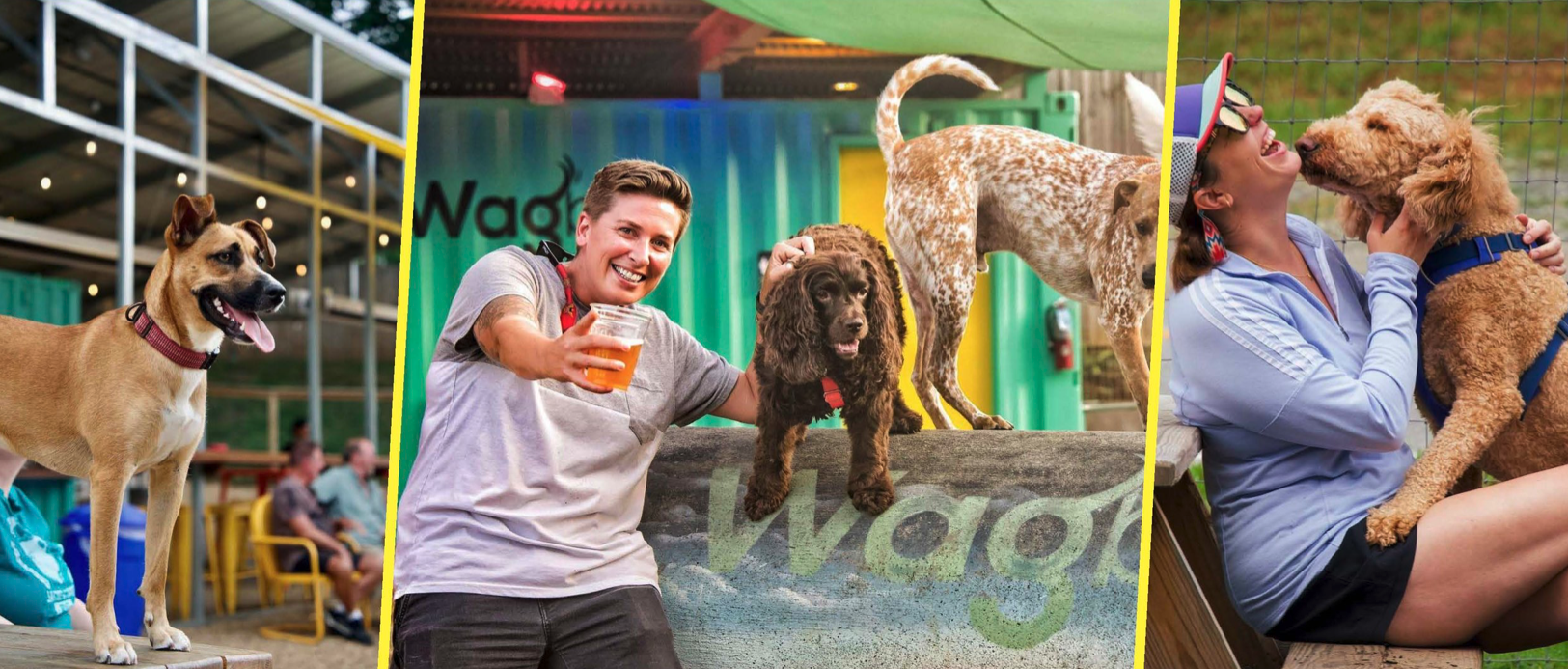
Top TLDR: Dog park health risks include infectious diseases like kennel cough and parvovirus, physical injuries from rough play, parasites such as giardia, and environmental hazards. Protect your dog with up-to-date vaccinations including rabies, distemper, bordetella, and parasite prevention before visiting any dog park. Monitor your dog's behavior closely, know warning signs of illness or injury, and choose supervised facilities with safety protocols like Wagbar's off-leash dog park locations that require proof of vaccinations and maintain trained staff oversight.
Dog parks offer incredible benefits for canine socialization, exercise, and mental stimulation. But like any shared public space, they come with health considerations that responsible dog owners need to understand. Whether you're a first-time dog park visitor or a regular who's there several times a week, knowing the potential risks and how to protect your dog makes the difference between beneficial socialization and costly veterinary visits.
The good news? Most health risks at dog parks are preventable with proper precautions, updated vaccinations, and awareness. This guide walks through everything you need to know about keeping your dog safe while enjoying the social and physical benefits of off-leash play.
Understanding Common Health Risks at Dog Parks
Dog parks concentrate multiple animals in shared spaces, creating environments where certain health risks become more likely than in isolated settings. Recognizing these risks helps you make informed decisions about when, where, and how to use dog parks safely.
Infectious Disease Transmission
When dogs gather in close quarters, sharing the same grass, water bowls, and play equipment, infectious diseases can spread between animals. According to the American Veterinary Medical Association, communal dog spaces increase exposure risk for several contagious conditions.
Kennel Cough (Bordetella)
Kennel cough spreads rapidly in dog parks through airborne droplets when infected dogs cough, bark, or sneeze. This highly contagious respiratory infection causes a distinctive honking cough, sneezing, and nasal discharge. While usually mild, kennel cough can develop into pneumonia in puppies, senior dogs, or those with compromised immune systems.
The bordetella bacteria that causes kennel cough survives on surfaces for 24-48 hours, meaning your dog can contract it from shared toys, water bowls, or even the ground where an infected dog recently played. Symptoms typically appear 3-10 days after exposure and can last 1-3 weeks.
Canine Influenza
Dog flu spreads through respiratory droplets and contaminated surfaces, with two main strains (H3N8 and H3N2) affecting dogs in the United States. Nearly 80% of exposed dogs develop infection, according to veterinary research. Symptoms include coughing, fever, nasal discharge, lethargy, and reduced appetite.
Unlike kennel cough, canine influenza can cause severe respiratory illness requiring hospitalization. The virus survives on surfaces for up to 48 hours and on clothing for 24 hours, making dog parks prime transmission locations.
Parvovirus
Parvo presents one of the most serious health threats at dog parks, especially for puppies and unvaccinated dogs. This highly contagious virus attacks the gastrointestinal tract, causing severe vomiting, bloody diarrhea, lethargy, and rapid dehydration. Without treatment, parvovirus kills up to 91% of infected puppies.
The virus survives in soil for months and resists many common disinfectants. A dog park where an infected dog eliminated just once becomes contaminated for extended periods. Parvo spreads through direct contact with infected dogs or their feces, contaminated surfaces, or on people's shoes and clothing.
Distemper
Canine distemper virus spreads through airborne exposure and shared food or water bowls. This serious disease affects respiratory, gastrointestinal, and nervous systems, causing discharge from eyes and nose, fever, coughing, vomiting, diarrhea, seizures, and paralysis. Distemper proves fatal in 50% of adult dogs and 80% of puppies who contract it.
While vaccines provide strong protection, outbreaks still occur in areas with low vaccination rates. Dog parks in communities where vaccine hesitancy is common present higher distemper risks.
Leptospirosis
This bacterial infection spreads through contact with infected urine or contaminated water and soil. Dogs contract leptospirosis by drinking from puddles, ponds, or communal water bowls where infected animals have urinated, or through contact with contaminated grass and dirt.
Leptospirosis causes fever, muscle pain, vomiting, diarrhea, loss of appetite, and can progress to kidney or liver failure. The bacteria survives in warm, wet environments for months, making dog parks with poor drainage or standing water particularly risky.
Physical Injuries from Rough Play
Dog park injuries range from minor scrapes to serious wounds requiring emergency veterinary care. Understanding common injury types helps you recognize when play has crossed from healthy to harmful.
Bite Wounds and Lacerations
Even friendly dogs sometimes play too rough, leading to puncture wounds, scratches, and lacerations. Dog mouths harbor bacteria that can cause serious infections if wounds aren't promptly cleaned and treated. Deep puncture wounds may appear small on the surface while causing significant damage to underlying tissue.
According to veterinary emergency data, bite wounds account for approximately 40% of dog park-related injuries requiring medical attention. Small dogs face higher injury risk when playing with much larger dogs, as size mismatches can lead to accidental injuries even without aggressive intent.
Orthopedic Injuries
Running, jumping, and sudden direction changes on uneven ground or slippery surfaces lead to sprains, strains, torn ligaments, and broken bones. Anterior cruciate ligament (ACL) tears represent one of the most common serious injuries at dog parks, particularly in dogs who suddenly accelerate or pivot while playing chase.
Large breed dogs face higher orthopagic injury risk due to their size and weight placing more stress on joints during high-impact activities. Senior dogs with existing joint problems or arthritis may aggravate these conditions during vigorous play.
Eye Injuries
Corneal scratches from roughhousing, getting poked by sticks or grass, or contact with another dog's paw or claw cause painful eye injuries. Dogs with prominent eyes (brachycephalic breeds like Pugs, Boston Terriers, and French Bulldogs) face higher eye injury risk.
Signs of eye injury include squinting, excessive tearing, pawing at the face, light sensitivity, redness, and cloudy appearance. Eye injuries require immediate veterinary attention as even minor scratches can lead to ulcers, infections, or vision loss if untreated.
Paw Pad Injuries
Hot pavement, rough ground, sharp objects, ice, and de-icing chemicals damage paw pads. Burns from hot surfaces, cuts from glass or metal debris, and chemical burns from ice melt products all occur at dog parks. According to veterinary data, paw pad temperatures can reach 145°F when pavement temperature hits 125°F, hot enough to cause second-degree burns within 60 seconds.
Cracked, blistered, or bleeding paw pads indicate injury requiring veterinary care. Prevention includes checking ground temperature before play, avoiding peak heat hours, and inspecting the park for debris or hazards.
Parasite Transmission
Dog parks create ideal conditions for parasite transmission through contaminated soil, shared water sources, and close contact between animals. These parasites affect not just dogs but can transmit to humans in some cases.
Intestinal Parasites
Giardia, roundworms, hookworms, whipworms, and tapeworms spread through contact with infected feces or contaminated soil. Dogs contract parasites by sniffing, licking, or eating contaminated material, which happens easily at dog parks where multiple dogs eliminate in shared spaces.
Giardia causes persistent diarrhea, weight loss, and dehydration. This microscopic parasite survives in soil for weeks and spreads through both feces and contaminated water. Roundworms and hookworms pose zoonotic risks, meaning humans can contract them through soil contact, making proper hygiene after dog park visits essential.
External Parasites
Fleas and ticks transmit through direct contact between dogs or from infested grass and vegetation. Ticks carry Lyme disease, ehrlichiosis, anaplasmosis, and Rocky Mountain spotted fever. According to the Companion Animal Parasite Council, tick-borne disease rates have increased significantly in recent years, with dog parks representing high-risk environments for tick exposure.
Fleas cause allergic dermatitis, transmit tapeworms, and can trigger anemia in severe infestations. A single flea-infested dog at a dog park can spread hundreds of flea eggs that develop in the environment and infest other dogs.
Environmental Hazards
Beyond infectious diseases and parasites, physical environmental factors at dog parks pose health risks that owners should recognize and avoid.
Toxic Substances
Dog parks may contain pesticides, herbicides, fertilizers, ice melt chemicals, and landscape materials toxic to dogs. Cocoa mulch, commonly used in landscaping, contains theobromine—the same toxic compound found in chocolate. Ingesting even small amounts causes vomiting, diarrhea, rapid heart rate, tremors, and seizures.
Blue-green algae (cyanobacteria) in ponds and water features produces toxins that cause liver damage, seizures, and death within hours of exposure. According to veterinary toxicology reports, toxic algae blooms increase during hot weather, making summer dog park ponds particularly dangerous.
Weather-Related Risks
Heat exhaustion and heatstroke kill dogs at dog parks every year, particularly during summer months. Dogs regulate body temperature less efficiently than humans and can overheat quickly during play, especially brachycephalic breeds with compressed airways.
Cold weather brings hypothermia risk, especially for small dogs, short-haired breeds, and those who get wet. Frostbite affects ears, tails, and paw pads when dogs play in snow and ice for extended periods.
Water Safety
Communal water bowls spread disease and contaminated ponds harbor parasites and bacteria. Standing water breeding mosquitoes exposes dogs to heartworm. Poorly maintained water features grow harmful bacteria and algae.
Dogs who drink large amounts of water during play can develop water intoxication (hyponatremia), where excessive water consumption dilutes blood sodium levels, causing weakness, loss of coordination, bloating, vomiting, and in severe cases, seizures and death.

Preventive Measures and Vaccination Protocols
Protecting your dog from health risks starts before you ever enter a dog park. A comprehensive prevention strategy combines proper vaccination, parasite control, behavioral assessment, and smart park selection.
Essential Vaccination Requirements
Up-to-date vaccinations form the foundation of dog park disease prevention. Reputable facilities like Wagbar locations require proof of current vaccinations before entry, creating safer environments for all dogs.
Core Vaccines for Dog Park Safety
Rabies vaccination stands as the most critical requirement, protecting against this fatal viral disease. State laws mandate rabies vaccination, with initial vaccines given at 12-16 weeks and boosters every 1-3 years depending on local regulations and vaccine type.
Distemper, parvovirus, and adenovirus (DHPP or DA2PP combination vaccine) protect against three deadly diseases common in areas where dogs congregate. Puppies receive a series of DHPP vaccines starting at 6-8 weeks, with boosters every 3-4 weeks until 16 weeks old. Adult dogs need boosters every 1-3 years.
Bordetella vaccine prevents kennel cough, the most commonly transmitted disease at dog parks. Dogs who regularly visit dog parks need bordetella vaccination every 6-12 months. Intranasal and oral vaccines provide immunity within 48-72 hours, while injectable versions take longer but may offer more extended protection.
Additional Recommended Vaccines
Canine influenza vaccine protects against both H3N8 and H3N2 flu strains. Dogs visiting dog parks in areas with documented flu outbreaks should receive this vaccine. Initial vaccination requires two doses 2-4 weeks apart, with annual boosters.
Leptospirosis vaccine prevents bacterial infection from contaminated water and soil. Dogs using parks with water features, ponds, or poor drainage should receive this vaccine. Initial series includes two doses 3-4 weeks apart, with annual boosters.
Lyme disease vaccine helps protect dogs in areas where deer ticks are prevalent. While not universally recommended, this vaccine benefits dogs in endemic areas who spend significant time outdoors. Initial series requires two doses 2-3 weeks apart with annual boosters.
Vaccination Timing and Immunity
Vaccines need time to build immunity. Most vaccines don't provide full protection for 7-14 days after administration. Puppies completing their vaccination series shouldn't visit dog parks until 7-10 days after their final puppy shots, typically around 18 weeks of age.
Vaccine immunity wanes over time, making booster schedules critical. Titers (blood tests measuring antibody levels) can determine if a dog maintains adequate immunity, though most veterinarians recommend following established booster schedules rather than relying solely on titers.
Comprehensive Parasite Prevention
Year-round parasite prevention protects dogs from intestinal parasites, heartworm, fleas, and ticks encountered at dog parks. Modern preventive medications combine multiple protections in convenient monthly treatments.
Monthly Preventive Medications
Broad-spectrum parasite preventives protect against heartworm, roundworms, hookworms, and whipworms. Products like Heartgard, Interceptor, and Sentinel provide this protection in monthly chewable tablets. Heartworm prevention requires consistent monthly dosing as the medication kills larval heartworms contracted during the previous 30 days.
Flea and tick prevention should be used year-round, even in cold climates where parasites may seem absent. Products like NexGard, Bravecto, Simparica, and Credelio kill fleas and ticks before they can transmit disease. Topical products like Frontline and Advantix offer alternative delivery methods for dogs who won't take oral medications.
Some products combine heartworm, intestinal parasite, flea, and tick prevention in one dose. Simparica Trio, Interceptor Plus, and Revolution Plus provide comprehensive protection, reducing the number of products needed and simplifying preventive care.
Fecal Testing Schedule
Annual fecal examinations detect intestinal parasites even in dogs on monthly preventive medication. Dogs frequently visiting dog parks should have fecal tests twice yearly. These tests identify parasites before they cause clinical symptoms, preventing disease transmission to other dogs and humans.
Routine fecal testing becomes especially important after any gastrointestinal symptoms (diarrhea, vomiting, weight loss) or exposure to potentially contaminated environments. Some intestinal parasites don't respond to standard preventive medications and require specific treatments identified through fecal testing.
Behavioral Readiness Assessment
Not every dog belongs at dog parks, regardless of vaccination status. Honest assessment of your dog's behavioral readiness prevents injuries and ensures positive experiences for all park users.
Basic Obedience Requirements
Dogs should reliably respond to recall commands before off-leash dog park use. If your dog won't come when called, you can't remove them from dangerous situations or stop inappropriate play. Practice recall extensively in controlled environments before testing it at the distracting, high-energy dog park.
Basic commands like sit, stay, and leave it help manage your dog's behavior around other dogs, distractions, and potential hazards. Dogs who understand these commands can be redirected from escalating play, stopped from eating found objects, and controlled during greetings.
Socialization Foundation
Proper socialization with other dogs in controlled settings should precede dog park visits. Puppies who attend puppy kindergarten classes, adult dogs who've successfully participated in group obedience training, and dogs who regularly have positive encounters with other dogs on leashed walks demonstrate better dog park readiness.
Dogs showing fear, anxiety, or aggression toward other dogs need professional behavioral help before dog park visits. Forcing fearful or aggressive dogs into dog park situations increases risk for everyone and rarely improves the behavior problem.
Play Style Compatibility
Understanding your dog's play style helps select appropriate dog parks and playmates. Some dogs prefer chase games, others enjoy wrestling, and some prefer parallel play (playing near but not directly with other dogs). Size-segregated dog park areas help match dogs with compatible play partners.
Overly rough players, dogs with poor body language reading skills, or those who don't respect other dogs' signals to stop need additional training before they're ready for free play environments. Consider structured playgroups or daycare with careful supervision as stepping stones toward dog park readiness.
Smart Park Selection and Timing
Not all dog parks offer equal safety, and visit timing significantly impacts health risk levels. Strategic park selection and scheduling reduce exposure to hazards and problematic dogs.
Evaluating Dog Park Safety
Well-maintained facilities provide separate areas for small and large dogs, secure double-gated entries preventing escape, adequate shade, water stations, waste disposal stations, and parking. Ground surfaces should be grass, wood chips, or sand rather than concrete or gravel. Inspect for hazards like broken equipment, holes, standing water, and debris before allowing your dog to play.
Supervised facilities with trained staff monitoring dog interactions offer significantly higher safety levels than unsupervised parks. Facilities like Wagbar, which require proof of vaccinations, maintain trained staff oversight, and enforce behavioral standards, provide the safest socialization environments for dogs.
Clean parks with covered waste stations, regular maintenance, and active cleanup by users reduce parasite transmission risk. Parks with standing water, overflowing waste bins, or obvious cleaning neglect should be avoided regardless of other features.
Optimal Visit Timing
Early morning visits typically find parks less crowded with calmer dogs and more responsible owners. Avoid peak after-work hours (4-7 PM) when parks overflow with dogs and tired, less attentive owners.
During hot weather, visit during cooler morning or evening hours. Mid-day summer visits create dangerous heat exposure for dogs, and hot ground surfaces burn paw pads. Test pavement temperature with your hand—if it's too hot to keep your hand on for 5 seconds, it's too hot for dog paws.
Observe the park before entering. If you see overcrowding, unsupervised dogs, rough play without owner intervention, or dogs showing stressed body language, come back another time. The quality of the dog park experience matters more than the quantity of visits.
Recognizing When to Seek Veterinary Care
Quick recognition of health problems after dog park visits prevents minor issues from becoming serious conditions. Understanding which symptoms require immediate care versus routine vet visits helps you respond appropriately to concerning signs.
Immediate Emergency Situations
Certain symptoms following dog park visits indicate medical emergencies requiring immediate veterinary attention or emergency hospital care. Don't wait for your regular veterinarian's office hours if your dog shows these signs.
Difficulty Breathing
Labored breathing, gasping, blue or pale gums, or excessive panting that doesn't resolve within 30 minutes of rest indicates respiratory distress requiring emergency care. This could signal heatstroke, allergic reaction, heart problems, or throat injury from collar trauma during play.
Dogs with brachycephalic syndrome (flat-faced breeds) face higher breathing emergency risk during and after exercise. If your Bulldog, Pug, Boston Terrier, or similar breed shows breathing problems after dog park play, seek immediate veterinary care.
Severe Bleeding
Deep wounds, profuse bleeding that doesn't stop with 5-10 minutes of direct pressure, or bleeding from body openings (nose, mouth, rectum) requires emergency veterinary attention. Bite wounds may appear small on the surface while causing significant internal tissue damage, especially to the neck, chest, and abdomen.
Apply direct pressure with clean cloth or gauze while transporting to the emergency veterinarian. Don't remove blood-soaked materials—add additional layers on top. Avoid using tourniquets unless instructed by veterinary staff, as improper tourniquet application causes more harm than benefit.
Collapse or Inability to Stand
Dogs who collapse, can't get up, or show sudden severe weakness need immediate emergency care. These symptoms may indicate heatstroke, heart problems, internal bleeding, toxin ingestion, or severe infection. Heatstroke symptoms include collapse, excessive drooling, vomiting, diarrhea, rapid breathing, and body temperature above 104°F.
Transport collapsed dogs carefully on a flat surface. Cool overheated dogs gradually with wet towels (not ice water) during transport, but don't delay transport to attempt extensive home cooling measures.
Seizures
First-time seizures, seizures lasting more than 3-5 minutes, or multiple seizures in 24 hours require emergency veterinary evaluation. Seizures may result from toxin exposure (including blue-green algae), brain injuries from trauma, metabolic problems, or epilepsy.
During a seizure, move your dog away from hazards but don't restrain them or put anything in their mouth. Time the seizure duration and note specific movements or behaviors to report to the veterinarian. After the seizure ends, keep your dog calm and transport immediately to emergency care.
Eye Injuries
Sudden vision loss, obvious eye trauma, eye swelling, excessive discharge, persistent squinting, or visible changes to the eye's appearance need emergency evaluation. Eye injuries can rapidly worsen, and prompt treatment often prevents permanent vision damage or loss.
Don't attempt to remove foreign objects embedded in the eye. Prevent your dog from pawing at injured eyes using an Elizabethan collar (cone) or soft cone during transport to veterinary care.
Symptoms Requiring Same-Day Veterinary Attention
Some post-dog park symptoms, while not immediately life-threatening, need same-day veterinary evaluation to prevent progression to serious problems.
Persistent Vomiting or Diarrhea
Multiple episodes of vomiting or diarrhea within a few hours, especially if containing blood or accompanied by lethargy and appetite loss, indicate conditions requiring prompt veterinary attention. These symptoms may signal infectious disease, toxin ingestion, or intestinal parasites contracted at the dog park.
Dehydration develops quickly in dogs with gastrointestinal symptoms. Check gum moisture (should be wet and slippery) and skin elasticity (pinched skin should snap back immediately). If gums feel tacky or skin stays tented, your dog needs fluid therapy from a veterinarian.
Limping or Refusal to Bear Weight
Dogs who won't put weight on a leg, have obvious limb swelling or deformity, or show pain when the area is touched need same-day veterinary evaluation. Sprains, strains, torn ligaments, and fractures all occur during dog park play.
Don't give human pain medications like ibuprofen, acetaminophen, or aspirin to dogs. These medications cause serious toxicity in dogs. Wait for veterinary-prescribed pain medications appropriate for canine use.
Severe Lethargy or Behavioral Changes
Dogs who seem disoriented, won't interact normally, hide, show personality changes, or sleep excessively after dog park visits may have suffered head trauma, toxin exposure, or early stages of infectious disease. Behavioral changes often precede more obvious physical symptoms of serious conditions.
Track your dog's normal baseline energy level and behavior patterns so you can recognize significant deviations. What's "lethargic" for one dog might be normal for another, making knowledge of your individual dog's typical behavior essential.
Excessive Drinking or Urination
Dramatically increased water consumption or urination frequency following dog park visits can indicate water intoxication, urinary tract infection, or early kidney problems from toxin exposure. While increased drinking after exercise is normal, excessive intake beyond what's typical for your dog warrants evaluation.
Water intoxication symptoms include lethargy, bloating, vomiting, dilated pupils, light gum color, loss of coordination, and difficulty breathing. This life-threatening condition develops when dogs drink too much water too quickly during play, diluting blood sodium to dangerous levels.
Schedule Routine Veterinary Evaluation
Some post-dog park symptoms don't require emergency care but should prompt scheduling a veterinary appointment within a few days.
Mild Coughing or Sneezing
Occasional coughing, sneezing, or nasal discharge developing 3-10 days after dog park visits may indicate kennel cough or canine influenza. While not usually life-threatening, these respiratory infections benefit from veterinary evaluation and potential treatment to prevent progression.
Dogs with persistent or worsening respiratory symptoms, those showing reduced appetite or energy, or puppies and senior dogs with any respiratory signs should be seen sooner rather than waiting several days. These populations face higher risk for complications from respiratory infections.
Minor Wounds or Scratches
Small cuts, scratches, or abrasions that aren't bleeding profusely should be cleaned at home with antiseptic solution. Monitor healing over 2-3 days. If wounds show signs of infection (increasing redness, swelling, heat, discharge, odor, or pain), schedule veterinary evaluation.
Puncture wounds, even small ones, always warrant veterinary evaluation as they create anaerobic environments ideal for dangerous bacterial infections. Dog bite wounds should be examined by a veterinarian within 24 hours, even if they appear minor.
Persistent Itching or Skin Changes
Increased scratching, licking, or chewing at skin developing after dog park visits may indicate flea infestation, contact allergies to environmental substances, or skin infections. Check for fleas, ticks, or signs of irritation. If you find parasites or symptoms persist beyond 2-3 days, schedule veterinary evaluation.
Hot spots (acute moist dermatitis) can develop rapidly when dogs repeatedly lick or scratch irritated areas. These painful lesions require veterinary treatment with antibiotics and anti-inflammatory medications, plus addressing the underlying cause of irritation.
Understanding Pet Insurance for Dog Park Injuries
Veterinary care for dog park-related injuries and illnesses can quickly become expensive. Comprehensive pet insurance helps manage these costs while ensuring your dog receives necessary treatment without financial barriers.
Types of Coverage Relevant to Dog Park Risks
Pet insurance policies vary significantly in what they cover. Understanding different coverage types helps you select appropriate protection for dogs who regularly use dog parks.
Accident Coverage
Accident-only policies cover injuries from unexpected incidents like dog fights, falls, foreign object ingestion, broken bones, and trauma. For dogs who primarily face injury risk rather than illness risk at dog parks, accident coverage provides affordable protection for the most common dog park-related veterinary expenses.
Typical accident coverage includes emergency veterinary visits, diagnostic testing (x-rays, ultrasounds, blood work), surgery, hospitalization, and medications related to injury treatment. Accident policies cost significantly less than comprehensive coverage but exclude illness treatment.
Accident and Illness Coverage
Comprehensive accident and illness policies cover both injuries and diseases, including infectious conditions like kennel cough, canine influenza, parvovirus, and parasite infections dogs contract at parks. This coverage level provides the most complete protection for active dog park users.
Standard exclusions include pre-existing conditions, preventive care (wellness exams, vaccinations, routine parasite prevention), breeding costs, and elective procedures. Some policies exclude bilateral conditions (cruciate ligament tears in both knees) if one side was pre-existing.
Wellness Coverage
Wellness or preventive care add-ons reimburse routine veterinary expenses including annual exams, vaccinations, heartworm testing, fecal exams, and parasite prevention medications. Since dog park dogs need consistent preventive care and monitoring, wellness coverage helps offset these recurring costs.
Wellness plans typically work as reimbursement pools rather than percentage-based coverage. Plans might provide $250-$500 annually toward preventive care, reimbursing specific amounts for each covered service until the annual maximum is reached.
Coverage Limits and Reimbursement Structures
Insurance policies structure coverage limits and reimbursement in several ways that affect your out-of-pocket costs for dog park-related veterinary care.
Annual Limits vs. Unlimited Coverage
Policies with annual limits cap total reimbursement at specific amounts per policy year, typically $5,000, $10,000, or $15,000. Unlimited annual coverage policies don't cap yearly reimbursement but still include per-incident limits, deductibles, and lifetime maximums for chronic conditions.
For serious dog park injuries requiring extensive surgery and hospitalization, unlimited annual coverage provides better protection. A complicated fracture repair with overnight hospitalization and follow-up care can easily exceed $5,000, making limited coverage insufficient for major incidents.
Deductibles and Co-pays
Annual deductibles require you to pay a specific amount ($250-$1,000 typically) out of pocket each policy year before insurance reimbursement begins. Per-incident deductibles apply to each separate injury or illness rather than annually, potentially requiring multiple deductible payments in a single year.
Reimbursement percentages (typically 70%, 80%, or 90%) determine what portion of eligible costs the insurance covers after you meet the deductible. If you select 80% reimbursement, you pay 20% of covered costs plus the full deductible amount.
Maximum Payouts
Some policies cap lifetime reimbursement for specific conditions. If your dog tears both cruciate ligaments over several years (common in dogs who regularly play at dog parks), the policy might limit total reimbursement for orthopedic conditions to $10,000 lifetime rather than covering both surgeries at $5,000+ each.
Per-incident maximums limit reimbursement for individual injuries or illnesses. A policy might cover 80% of costs up to $5,000 per incident. Complex injuries exceeding this amount would leave you responsible for all costs beyond the cap, not just the 20% co-pay.
Exclusions and Waiting Periods
Understanding what insurance doesn't cover and when coverage begins helps set realistic expectations about protection from dog park-related veterinary costs.
Pre-Existing Condition Exclusions
Conditions existing before policy enrollment or during waiting periods aren't covered. If your dog has a history of knee problems and tears their ACL at the dog park after enrolling in insurance, the insurer may deny the claim based on pre-existing joint issues.
Some insurers use "bilateral condition" exclusions stating that if one limb/side develops a condition, the same condition affecting the opposite side is considered pre-existing even if it occurs years later. This significantly impacts coverage for common dog park injuries like cruciate ligament tears that often affect both knees eventually.
Standard Waiting Periods
Accident coverage typically begins 2-15 days after enrollment, while illness coverage doesn't start for 14-30 days. Orthopedic condition waiting periods often extend to 6-12 months, preventing coverage for common dog park injuries like ACL tears and hip dysplasia unless you enrolled in insurance well before problems developed.
Waiting periods mean you can't purchase insurance when your dog shows symptoms and expect immediate coverage. Enrolling young, healthy dogs in insurance before problems develop provides the most comprehensive protection.
Selecting Appropriate Coverage for Dog Park Users
Dogs who regularly use dog parks face higher injury and illness risk than dogs with more controlled exercise routines. Selecting insurance coverage should reflect this elevated risk profile.
High-Risk Breed Considerations
Large breeds prone to orthopedic injuries (German Shepherds, Labrador Retrievers, Golden Retrievers, Rottweilers) who play at dog parks need higher coverage limits and orthopedic coverage. These breeds frequently sustain cruciate ligament tears, hip dysplasia progression, and other joint problems during vigorous play.
Brachycephalic breeds (Bulldogs, Pugs, Boston Terriers, French Bulldogs) face respiratory emergency risk during dog park play. Select policies covering emergency care, hospitalization, and breed-specific conditions without brachycephalic syndrome exclusions.
Activity Level and Coverage Needs
Dogs visiting dog parks multiple times weekly face significantly higher injury and illness exposure than occasional users. If your dog plays at dog parks 3+ times weekly, prioritize unlimited annual coverage or at least $10,000+ annual limits to protect against multiple incidents per year.
Active dogs who play hard benefit from policies covering physical therapy and rehabilitation. ACL tears and other orthopedic injuries often require months of physical therapy costing $75-150 per session. Policies excluding alternative therapies leave you paying these substantial rehabilitation costs entirely out of pocket.
Legal and Liability Considerations
Dog park injuries create complex legal questions about liability, compensation, and owner responsibilities. Understanding your legal position protects you financially and helps you make informed decisions about dog park use.
Understanding Liability at Public Dog Parks
Public dog parks operated by municipalities or park districts typically shield the government entity from liability for injuries that occur during dog park use.
Government Immunity Protections
Most states provide governmental immunity protecting cities, counties, and park districts from liability for injuries at public recreational facilities, including dog parks. Legal precedent across multiple jurisdictions has established that dog park injuries fall under "recreational use" statutes limiting government liability.
Governmental immunity doesn't extend to gross negligence or willful misconduct. If a municipality fails to maintain a dog park despite known hazards causing injury, or if park staff directly contribute to an injury through their actions, immunity may not apply. However, proving gross negligence requires demonstrating the government entity knew about hazards and deliberately ignored them.
Assumption of Risk Doctrine
Dog park users typically assume responsibility for inherent risks associated with off-leash dog interaction. Courts have repeatedly held that dog owners who voluntarily bring their dogs to off-leash parks accept risks including disease transmission, dog fights, and injuries from rough play.
Signage at dog park entrances usually includes liability waivers and assumption of risk language. While these signs don't necessarily eliminate all potential claims, they strengthen the park operator's legal position by documenting that users were warned about risks before entering.
Private Dog Park Liability
Private dog parks, whether standalone businesses or facilities within larger establishments, operate under different liability standards than public parks.
Commercial Facility Liability Standards
Private dog park businesses owe customers a duty of care to maintain reasonably safe premises. This includes regular inspection for hazards, prompt repair of dangerous conditions, proper maintenance of fencing and equipment, adequate supervision, and enforcement of behavioral standards.
Facilities like Wagbar's supervised dog park locations maintain trained staff monitoring dog interactions, enforce vaccination requirements, and implement behavioral screening, demonstrating reasonable care in risk management. These safety measures both protect dogs and reduce facility liability exposure.
Insurance Requirements for Private Facilities
Commercial general liability insurance for dog park businesses typically carries high premiums due to the injury risks inherent in the activity. Policies must cover animal liability, premises liability, and potentially professional liability if staff intervene in dog behavior.
Membership agreements at private facilities usually include liability waivers where users acknowledge risks and agree not to hold the facility responsible for injuries. While such waivers don't eliminate all liability, they provide some protection against lawsuits and often include agreements to arbitrate disputes rather than litigate.
Owner-to-Owner Liability
When one dog injures another at a dog park, determining liability between the two owners becomes complex and varies by state law.
Strict Liability vs. One-Bite Rules
Some states impose strict liability for dog bites, holding owners responsible for injuries their dogs cause regardless of the dog's history or the owner's knowledge of aggressive tendencies. In these jurisdictions, if your dog bites another dog at the park, you're liable for resulting veterinary costs.
"One-bite rule" states only impose liability if the owner knew or should have known their dog had dangerous propensities. If your dog has never shown aggression and injures another dog during what appears to be normal play, you might not be liable under these states' laws.
Contributory and Comparative Negligence
Even in strict liability states, injured dog owners' actions affect their ability to recover damages. If the injured dog's owner failed to supervise their dog, ignored behavioral warning signs, or brought a dog to the park who shouldn't have been there (unvaccinated, too young, aggressive history), their negligence may reduce or eliminate recovery.
Comparative negligence rules apportion liability based on each party's degree of fault. If both owners were negligent (both failed to supervise properly), damages might be split proportionally. If the injured dog's owner was primarily at fault, they might recover little or nothing despite their dog's injuries.
Documenting Dog Park Incidents
Proper documentation of dog park incidents protects your legal position whether you're the injured party seeking compensation or defending against claims.
Immediate Incident Documentation
Photograph all visible injuries immediately after incidents. Capture multiple angles showing wounds, swelling, or other physical damage. If environmental factors contributed (broken equipment, hazards), photograph these conditions immediately before park staff can correct them.
Obtain contact information from the other dog's owner including name, phone number, address, and homeowner's insurance information. Get contact details from any witnesses who observed the incident. Take photos of the other dog and its owner for future identification if needed.
File an incident report with park management (at private facilities) or animal control (at public facilities) immediately. These official reports document that incidents occurred and establish a timeline, strengthening your position if legal action becomes necessary later.
Veterinary Documentation
Visit a veterinarian promptly after injuries, even those appearing minor. Veterinary records documenting injury cause, extent, and treatment create objective evidence of harm. Without prompt veterinary evaluation, you may struggle to prove injury severity or prove injuries resulted from the dog park incident rather than another cause.
Keep all veterinary bills, receipts, and records organized. If you need to pursue compensation, you'll need to document all injury-related expenses. Request written summaries from your veterinarian describing injuries and causation.
Pet Owner Insurance Considerations
Your homeowner's or renter's insurance may provide some liability coverage for incidents involving your dog, including dog park injuries.
Liability Coverage in Home Insurance
Standard homeowner's and renter's insurance policies typically include personal liability coverage of $100,000 to $500,000. This coverage extends to injuries your dog causes to other people or animals, including at dog parks. If your dog injures another dog at the park and you're found liable, your insurance should cover resulting damages up to policy limits.
Some insurance carriers exclude specific dog breeds from coverage or charge higher premiums for "high-risk" breeds. German Shepherds, Rottweilers, Pit Bulls, Doberman Pinschers, and similar breeds often face coverage limitations. Review your policy or contact your insurer to understand your coverage.
Umbrella Liability Policies
Umbrella policies provide additional liability coverage above homeowner's policy limits, typically offering $1-2 million in additional protection. For dog owners, especially those with breeds facing insurance discrimination or dogs who regularly play at dog parks, umbrella policies provide affordable additional protection against catastrophic liability claims.
Umbrella coverage costs $150-300 annually for $1 million in coverage, making it relatively affordable protection. These policies typically require maintaining underlying homeowner's coverage at specified minimum limits.
Creating a Safe Dog Park Routine
Protecting your dog from health risks while maintaining the benefits of dog park socialization requires establishing consistent safety practices before, during, and after park visits.
Pre-Visit Preparation
Preparation begins before you ever leave home for the dog park.
Health Status Check
Don't bring sick dogs to dog parks. If your dog shows any signs of illness (coughing, sneezing, vomiting, diarrhea, lethargy, appetite loss), stay home until they've fully recovered and been cleared by a veterinarian. Bringing sick dogs to dog parks spreads disease and violates the implicit social contract among responsible dog owners.
Check for current flea and tick prevention. Apply preventive medication according to schedule, ideally 2-3 days before dog park visits to ensure full effectiveness. Inspect your dog for existing parasites before heading to the park.
Verify vaccination status. Keep physical or digital copies of vaccination records in your car or phone. Quality facilities like Wagbar require vaccination proof, and you may need to show documentation to gain entry.

Appropriate Equipment
Use well-fitting collars or harnesses with current identification tags including your phone number. Microchip registration should be current with accurate contact information. In the chaos of a dog park, lost dogs become separated from owners quickly.
Bring a leash to use entering and exiting the park. Many facilities require dogs to be leashed until inside the double-gated entry to prevent escapes. You'll need the leash to leave safely, even from off-leash areas.
Pack your own water and collapsible bowl rather than allowing your dog to drink from communal water bowls where disease transmission occurs. Bring waste bags even though parks typically provide them—you don't want to be caught without a way to clean up after your dog.
During the Visit
Active supervision and smart decision-making during park visits prevent most injuries and illnesses.
Constant Supervision
Watch your dog continuously. Don't use dog park visits as opportunities to scroll through your phone while your dog roams unsupervised. According to studies of dog park injuries, most incidents occur when owners aren't watching their dogs closely.
Position yourself to maintain visual contact with your dog at all times. If your dog moves out of sight behind structures or into different areas, follow. Large dog parks may require moving around to maintain supervision.
Know where your dog is, who they're playing with, and what they're doing. Be ready to intervene if play escalates toward aggression or if size mismatches create injury risk.
Reading Canine Body Language
Recognize signs that play is becoming too rough before injuries occur. Healthy dog play includes role reversal (dogs take turns being chased/chasing), frequent pauses, self-handicapping (larger dogs moderating strength when playing with smaller dogs), and loose, wiggly body language.
Warning signs that play has gone too far include pinned ears, tucked tail, showing teeth, growling, stiff body posture, one dog trying to escape while the other pursues relentlessly, and size-mismatched play without the larger dog moderating intensity. If you observe these signals, interrupt play immediately and remove your dog from the situation.
Strategic Intervention
Don't wait for actual fighting to intervene. If play looks too rough, err on the side of caution and separate the dogs. Call your dog away, create distance, and allow everyone to calm down before potentially allowing play to resume.
If a fight breaks out, never put your hands between fighting dogs. Use water, loud noises, or physical barriers to separate dogs without putting yourself at risk of serious bite injuries. After any altercation, leave the park immediately and assess your dog for injuries.
Post-Visit Protocol
Your responsibilities for protecting your dog's health don't end when you leave the dog park.
Immediate Physical Inspection
Before getting into your car, examine your dog thoroughly for injuries, ticks, or other problems. Run your hands over their entire body feeling for lumps, wounds, or areas of heat or pain. Check between toe pads, inside ears, and under the tail—areas where ticks often attach or injuries may hide.
Look for limping, reluctance to move, or behavioral changes indicating pain or discomfort. Address any identified issues before heading home. Ticks should be removed promptly using proper technique—grasp close to the skin with tweezers and pull straight up with steady pressure.
Hygiene Practices
Wipe down your dog's paws and underbelly with pet-safe wipes before they get in your car, reducing the amount of potential contaminants (parasites, bacteria, viruses) you transport home. This simple step limits exposure to other pets at home and reduces contamination of your vehicle and house.
Don't allow your dog to jump directly onto furniture or beds after dog park visits. Give them time to settle and brush them to remove loose dirt, debris, and potential parasites that could transfer to your home environment.
Monitoring for Illness
Watch for signs of illness developing over the next 7-14 days. Many infectious diseases contracted at dog parks have incubation periods, meaning symptoms don't appear immediately. Track your dog's appetite, energy level, bathroom habits, and behavior, noting any changes that might indicate developing problems.
Respiratory symptoms (coughing, sneezing, nasal discharge) typically appear 3-10 days after exposure to kennel cough or canine influenza. Gastrointestinal symptoms (vomiting, diarrhea) from parasites or infectious causes may take several days to weeks to develop. Report any concerning symptoms to your veterinarian promptly.
When Dog Parks Aren't the Right Choice
Despite preventive measures, dog parks simply aren't appropriate for all dogs or all situations. Recognizing when alternatives better serve your dog's needs demonstrates responsible ownership.
Dogs Who Shouldn't Use Dog Parks
Puppies Under 16 Weeks
Young puppies haven't completed their vaccination series and lack immunity to diseases common at dog parks. Additionally, the chaotic environment of dog parks can be overwhelming for puppies still in critical socialization periods, potentially creating fear or anxiety that affects their behavior development.
Puppy socialization classes with controlled introductions to other puppies provide better early socialization experiences. Once puppies complete vaccinations around 16-18 weeks and demonstrate good recall and basic obedience, they can graduate to carefully selected dog parks with separate small dog areas.
Dogs With Aggression or Fear Issues
Reactive, anxious, or aggressive dogs don't belong at dog parks regardless of training levels. Dog parks can't provide the controlled, predictable environments these dogs need. Forcing fearful or aggressive dogs into overwhelming situations doesn't improve their behavior—it typically makes problems worse.
Work with professional dog trainers or veterinary behaviorists to address fear and aggression issues through appropriate behavior modification programs. Structured training classes, carefully managed one-on-one play sessions, and gradual exposure in controlled settings provide better intervention than dog park exposure.
Intact (Unspayed/Unneutered) Dogs
Most dog parks prohibit intact dogs over 6 months old. Intact males trigger aggressive responses from neutered males and attract unwanted attention from other dogs. Females in heat risk unwanted breeding and cause disruptive behavior among male dogs.
Beyond park rules, intact dogs genuinely create problems in dog park environments. Hormonal influences affect dog-to-dog interactions and increase the likelihood of fights and inappropriate mounting behavior.
Sick or Injured Dogs
Bringing sick dogs to dog parks is irresponsible and inconsiderate. You risk spreading infectious diseases to other dogs and put your own dog at additional health risk. Dogs recovering from injuries need controlled rest, not the chaos of dog park play.
Wait until your veterinarian clears your dog to return to normal activities after illness or injury. Returning to dog parks too quickly risks re-injury or relapse of illness.
Alternative Socialization Options
If dog parks aren't suitable for your dog's current situation, plenty of alternative options provide socialization and exercise benefits without the same health risks.
Structured Playgroups and Daycare
Reputable doggy daycare facilities provide supervised off-leash play in controlled environments with careful temperament matching and continuous monitoring. Staff-to-dog ratios remain much lower than at dog parks, allowing prompt intervention before problems escalate.
Wagbar's supervised off-leash facilities offer this controlled alternative to traditional dog parks, combining professional oversight with the social benefits dogs need. Structured daycare provides safer socialization for dogs who might struggle at unsupervised public parks.
Organized Group Walks
Pack walks led by professional dog walkers allow socialization while maintaining leash control. Dogs learn to interact politely while walking together, building social skills in a more controlled context than free-play environments.
Hiking groups specifically for dogs combine exercise, socialization, and training practice. Dogs must maintain reasonable leash manners and respond to handlers while navigating trails with other dogs present, developing important real-world skills.
Private Play Dates
Arranging one-on-one play sessions with known, compatible dogs provides personalized socialization without the unpredictability of dog parks. You can control the environment, supervise interactions closely, and match your dog with appropriate playmates based on play style, size, and energy level.
Private play dates work especially well for young dogs still learning social skills, dogs recovering from injuries who need limited activity, and dogs with size considerations making general dog park use risky.
Bottom TLDR
Dog parks offer valuable socialization and exercise but come with health risks including infectious diseases like kennel cough and parvovirus, physical injuries from rough play, parasites, and environmental hazards. Minimize these risks through up-to-date vaccinations including rabies, distemper, bordetella, and comprehensive parasite prevention; constant supervision during visits; prompt veterinary care for any concerning symptoms; and choosing supervised facilities with vaccination requirements and trained staff. Not all dogs belong at dog parks—puppies under 16 weeks, dogs with aggression or fear issues, and sick dogs need alternative socialization options like daycare or private play dates that provide the benefits without the risks.

Frequently Asked Questions About Dog Park Health and Safety
How long should I wait to take my dog to a dog park after getting vaccinated?
Wait 7-10 days after your dog's final vaccination before visiting dog parks. Most vaccines need this period to build adequate immunity. Puppies should complete their entire vaccination series (typically around 16-18 weeks old) plus the waiting period before their first dog park visit.
What should I do if my dog gets bitten at a dog park?
Clean minor wounds with antiseptic solution, but seek veterinary evaluation within 24 hours for all bite wounds, even those appearing small on the surface. Document the incident with photos, get the other owner's contact information, file reports with park management and animal control, and monitor for infection signs including swelling, discharge, odor, or increasing pain.
Can my dog get sick from a dog park even with current vaccinations?
Yes. While vaccinations significantly reduce risk, they don't provide 100% protection. Dogs can still contract illnesses including kennel cough from vaccinated dogs, intestinal parasites from contaminated soil, and various infections if their immune systems are compromised. Vaccinations make severe illness much less likely but don't eliminate all risk.
How can I tell if a dog park is safe before using it?
Look for double-gated entries, separate small and large dog areas, adequate shade and water, secure fencing, good drainage, clean conditions with available waste stations, and visible vaccination requirement signs. Observe the park before entering—if you see overcrowding, unsupervised dogs, or rough play without intervention, choose a different time or location.
Should I stay if I see a sick dog at the dog park?
No. If you observe dogs with obvious illness signs (coughing, sneezing, diarrhea, vomiting, discharge, lethargy), leave immediately to protect your dog from disease exposure. Report the sick dog to park management or animal control so they can address the situation. Return another day when conditions are healthier.
What's the difference between normal rough play and fighting?
Healthy play includes role reversal (dogs take turns chasing and being chased), frequent pauses, self-handicapping (bigger dogs play gently with smaller ones), and loose, wiggly body language. Fighting involves pinned ears, stiff bodies, snarling, one dog trying to escape while the other pursues relentlessly, and lack of any breaks in intensity. When in doubt, interrupt play and create separation.
Do indoor dog parks have fewer health risks than outdoor ones?
Not necessarily. Indoor facilities concentrate dogs in smaller spaces, potentially increasing disease transmission risk. However, reputable indoor facilities like Wagbar's climate-controlled locations often maintain stricter vaccination requirements, provide consistent staff supervision, and control environmental factors better than outdoor parks. Quality and supervision matter more than indoor versus outdoor.
How often should my dog visit the veterinarian if they regularly use dog parks?
Dogs frequenting dog parks need annual wellness exams minimum, with fecal testing twice yearly to screen for parasites. Any illness symptoms warrant prompt veterinary visits. Active dog park users benefit from discussing preventive care with their veterinarian and potentially increasing monitoring frequency based on individual risk factors.
Are certain dog breeds at higher risk for dog park injuries?
Yes. Large breeds face higher orthopedic injury risk during vigorous play. Brachycephalic (flat-faced) breeds like Bulldogs, Pugs, and Boston Terriers face respiratory emergency risk during exertion. Small breeds risk injury when playing with much larger dogs. Very young and senior dogs have higher injury and illness susceptibility. Tailor dog park use to your individual dog's risk factors.
What insurance do I need if my dog injures another dog at a dog park?
Your homeowner's or renter's insurance personal liability coverage typically covers dog-related injuries your dog causes. Review your policy to confirm your dog isn't excluded by breed restrictions. Consider umbrella liability coverage for additional protection beyond standard policy limits. Pet insurance covers your own dog's injuries but doesn't provide liability protection for damage your dog causes to others.