

Dog Park Cleanliness Standards: What Separates Great Parks from Mediocre Ones

Top TLDR: Dog park cleanliness standards include daily waste removal, weekly deep cleaning, proper drainage systems, and regular disinfection of high-touch surfaces. Great parks maintain these protocols consistently, reducing disease transmission risks by up to 80% compared to poorly maintained facilities. Inspect cleanliness before letting your dog enter any park—visible waste accumulation, standing water, and poor surface maintenance signal inadequate standards.
Dog park cleanliness isn't just about aesthetics. It directly determines disease transmission risks, injury potential, and whether your dog's immune system faces manageable or overwhelming pathogen exposure. The difference between great parks and mediocre ones comes down to consistent implementation of proper sanitation protocols rather than expensive facilities or large budgets.
Why Cleanliness Standards Matter Beyond Appearances
Most dog owners recognize obviously dirty parks but miss the subtle sanitation failures that create real health risks. A park might look relatively clean while harboring dangerous pathogens in inadequate drainage areas, improperly maintained surfaces, or infrequently disinfected water stations.
Disease transmission at dog parks happens through multiple pathways. Direct contact between dogs spreads respiratory infections and parasites. Environmental contamination—feces, urine, contaminated water—transmits gastrointestinal parasites, bacterial infections, and viral diseases. Surfaces and equipment accumulate pathogens that transfer to dogs through normal play behavior.
According to veterinary epidemiology research, properly maintained dog parks show 70-80% lower rates of parasitic infection and gastrointestinal illness compared to poorly maintained facilities. This difference comes entirely from consistent cleaning protocols, not from any inherent differences in dog populations or usage patterns.
The economic impact affects both owners and municipalities. Dogs who contract parasites or infections at poorly maintained parks require veterinary care costing $150-500 per incident. Municipalities face liability risks and increased maintenance costs when deferred cleaning creates larger problems. Proper protocols actually reduce long-term costs while protecting public health.
Daily Maintenance Standards: Non-Negotiable Basics
Waste removal frequency represents the single most important daily maintenance standard. Great parks remove visible waste at minimum every 4-6 hours during operating hours. High-traffic parks need removal every 2-3 hours during peak times to prevent accumulation that makes thorough cleaning impossible.
Many mediocre parks claim "daily" waste removal but only clean once per day—typically early morning before peak usage. This means afternoon and evening visitors encounter 6-8 hours of accumulated waste. The practical difference between 2-hour removal cycles and once-daily cleaning is enormous for both appearance and health safety.
Surface inspection must happen daily, checking for hazards created by digging, weather damage, or equipment failure. Small holes become twisted-ankle risks within days if not addressed. Mulch or gravel surfaces need daily redistribution to maintain even coverage and prevent bare spots where mud accumulates.
Water station maintenance requires daily cleaning and refilling at minimum. Communal water bowls concentrate pathogens as hundreds of dogs drink from the same source. Daily replacement reduces but doesn't eliminate transmission risks—great parks avoid communal bowls entirely in favor of individual water access or running water sources.
Entry area cleaning often gets overlooked but matters significantly. The transition zone between parking and park accumulates dirt, debris, and waste that gets tracked throughout the facility. Daily sweeping or hosing of entry areas prevents this contamination spread.
Trash and waste receptacle emptying must happen before bins overflow. Overflowing trash attracts wildlife, creates odor problems, and signals general maintenance neglect. Bins should be emptied when 70-80% full, not waiting until waste piles up around them.
Weekly Deep Cleaning Protocols
Surface disinfection should happen weekly for high-touch areas including gates, benches, and any equipment dogs regularly contact. While natural UV exposure provides some disinfection, targeted cleaning with appropriate pet-safe disinfectants significantly reduces pathogen loads.
The specific disinfection protocol depends on surface materials. Metal gates and equipment can handle stronger disinfectants. Plastic or rubber surfaces require pH-neutral cleaners that won't degrade materials. Natural surfaces like grass or mulch can't be chemically disinfected but benefit from periodic tilling or replacement.
Drainage system maintenance prevents the standing water that breeds mosquitoes and concentrates pathogens. Weekly inspection and cleaning of drainage grates, ditches, and low spots ensures water flows properly. Even small amounts of standing water lasting 48+ hours create health risks.
Great parks proactively grade and maintain drainage rather than waiting for obvious problems. Mediocre parks only address drainage when standing water becomes visually obvious—by which point dogs have already been exposed to contaminated water for days or weeks.
Fence line clearing removes vegetation growth, trash accumulation, and waste that migrates to edges. Fence lines often become neglected zones where problems accumulate out of immediate sight. Weekly clearing prevents these edge areas from becoming contamination reservoirs.
Supply and equipment checks ensure waste bag dispensers stay stocked, signage remains legible, and safety equipment (first aid supplies, emergency contacts) stays current. Running out of waste bags signals poor planning and leads to decreased pickup compliance from visitors.
Surface-Specific Maintenance Requirements
Natural grass parks need the most intensive maintenance to remain safe and clean. Proper grass maintenance includes weekly mowing during growing season, seasonal aeration to prevent compaction, and immediate repair of damaged areas before bare spots expand.
Grass parks show fecal contamination differently than hard surfaces. Waste gets trampled into grass and becomes nearly invisible while remaining infectious for weeks. This hidden contamination makes grass parks particularly dependent on frequent waste removal and periodic deep cleaning through dethatching or top-dressing.
Proper grass maintenance also includes pH testing and adjustment. Dog urine acidifies soil over time, creating brown spots and unhealthy growing conditions. Quarterly lime application neutralizes pH and maintains healthy turf that resists disease transmission.
Artificial turf requires different but equally important protocols. While artificial turf can't be disinfected as easily as hard surfaces, it needs regular "grooming" with specialized equipment to redistribute infill material and remove accumulated waste particles. Without proper grooming, artificial turf develops odor problems and bacterial growth.
Many municipalities choose artificial turf believing it requires less maintenance than grass. In reality, proper artificial turf maintenance costs similar amounts but requires different expertise. Mediocre parks often install artificial turf then neglect the specialized care it requires, leading to worse sanitation problems than grass would have had.
Decomposed granite, pea gravel, and similar loose surfaces need regular raking and periodic top-dressing. These surfaces develop uneven areas and bare spots where waste concentrates. Monthly addition of fresh material and redistribution of existing surface maintains proper coverage and drainage.
Loose surfaces also require more frequent complete replacement than most municipalities anticipate. Proper maintenance means removing and replacing 2-3 inches of material every 2-3 years in high-traffic areas. Parks that defer this replacement develop bacterial and odor problems that can't be resolved without complete surface removal.
Concrete or asphalt surfaces enable the easiest sanitation but create other challenges. These hard surfaces require daily hosing and weekly pressure washing in high-traffic areas. Without proper drainage design, hard surfaces create standing water problems worse than natural surfaces.
Hard surfaces also need quarterly sealing to prevent urine absorption into concrete porosity. Unsealed concrete absorbs urine and develops permanent odor problems that no amount of surface cleaning can resolve.
Disease Prevention Through Proper Sanitation
Parasitic transmission represents the most common health risk at dog parks. Roundworms, hookworms, whipworms, and giardia all spread through fecal contamination. Proper sanitation—frequent waste removal and periodic surface treatment—reduces transmission risk by 70-80%.
Parasitic eggs and cysts remain infectious in soil for months or years depending on environmental conditions. This means that even after visible waste removal, contaminated soil continues spreading parasites until properly treated. Great parks implement protocols that address this residual contamination through surface replacement, UV exposure management, or approved antiparasitic treatments.
Bacterial infections including salmonella, campylobacter, and E. coli spread through both fecal contamination and contaminated water. Proper drainage maintenance preventing standing water reduces bacterial transmission risks significantly. Weekly disinfection of water sources and high-touch surfaces provides additional protection.
Some bacterial pathogens persist in soil for extended periods similar to parasites. Proper sanitation protocols must address both immediate visible contamination and residual bacterial loads in environmental reservoirs.
Viral diseases including parvovirus and canine influenza spread through both direct contact and environmental contamination. Parvovirus in particular remains infectious in soil for months and resists many common disinfectants. Only specific disinfectants at proper concentrations kill parvovirus effectively.
Great parks maintain documentation of vaccination requirements and use parvocidal disinfectants for all surface cleaning. Mediocre parks may claim cleaning without using disinfectants actually effective against the pathogens that matter most.
Fungal infections like ringworm spread through environmental contamination and direct contact. While less common than parasitic or bacterial infections, fungal pathogens can persist in soil and on surfaces for extended periods. Proper sanitation includes antifungal treatments in addition to antibacterial protocols.
Drainage and Water Management Standards
Proper surface grading ensures water flows away from play areas rather than pooling. Great parks maintain 2-3% slope throughout play surfaces, directing water toward drainage systems. Mediocre parks accept flat areas or depressions where water accumulates after rain.
Surface grading isn't a one-time installation detail—it requires ongoing maintenance as dogs dig, surfaces compact, and erosion occurs. Great parks regrade problematic areas seasonally or annually. Mediocre parks only address drainage when standing water becomes a persistent obvious problem.
Drainage infrastructure must have adequate capacity for peak rainfall events and proper maintenance access. Undersized drainage systems create periodic flooding that leaves residual moisture and contamination. Properly sized systems handle 2-3 inch rainfall events without standing water lasting more than 2-4 hours.
French drains, catch basins, and drainage pipes require quarterly inspection and cleaning to maintain function. Leaves, debris, and sediment clog drainage systems gradually. By the time dysfunction becomes obvious, significant remediation is needed.
Alternative surface materials around water-prone areas can prevent mud problems without requiring expensive drainage infrastructure. Strategic placement of elevated platforms, gravel infiltration areas, or artificial turf patches manages water in specific problem zones.
Some great parks use "rain gardens" or bioswales that deliberately collect and filter runoff from play areas. These vegetated drainage areas trap sediment and filter pathogens while managing water naturally. This approach requires proper design and plant selection but reduces long-term maintenance costs.
Equipment and Amenity Maintenance
Agility equipment requires both safety and sanitation maintenance. Wooden equipment needs regular inspection for splinters, rot, or structural failure. Metal equipment needs rust prevention and weld inspection. All equipment surfaces need weekly disinfection as they concentrate contact points where dogs touch surfaces other dogs have touched.
Equipment positioning matters for cleanliness. Obstacles placed near fence lines or entry areas collect more debris and waste. Strategic positioning in central, high-visibility areas encourages proper use and simplifies cleaning.
Seating and shade structures need regular cleaning even though dogs don't directly contact them. These areas collect wind-blown debris and attract littering. Clean, maintained amenities signal overall park quality and encourage visitor compliance with rules.
Shade structures particularly need regular inspection for bird nesting and droppings. Bird waste presents its own disease transmission risks and creates significant cleaning challenges when allowed to accumulate.
Waste stations and bag dispensers must stay stocked and functional. Empty dispensers lead to decreased pickup compliance immediately. Great parks check and restock daily. Mediocre parks wait until multiple visitors complain about empty dispensers.
Waste receptacle placement matters significantly. Bins placed only at entrances mean owners carry waste bags throughout their visit—many will simply not pick up waste. Strategic placement of receptacles at 50-75 foot intervals throughout the park dramatically improves compliance.
Seasonal Deep Cleaning and Surface Restoration
Spring deep cleaning addresses winter damage and accumulated contamination. Most parks experience reduced usage during winter, leading to deferred maintenance that creates problems as spring traffic increases. Proper spring protocols include complete surface inspection, drainage system cleaning, equipment repair, and often surface top-dressing or replacement.
Great parks schedule spring deep cleaning before peak usage begins. Mediocre parks wait until problems become obvious—by which point the spring usage surge has already created safety issues.
Summer maintenance focuses on heat stress and drought conditions. Grass areas need more frequent watering or face bare spot development. Dust control becomes necessary in dry climates with loose surface materials. Heat stress also affects some surface materials—asphalt can become sticky, plastic equipment can become hot enough to burn paws.
Fall preparation includes leaf management, drainage clearing before rain season, and weather protection for equipment. Fallen leaves seem innocuous but quickly pack into drainage systems and decompose into slippery, hazardous conditions.
Winter protocols vary dramatically by climate. Cold regions must decide whether to close parks during snow/ice periods or maintain them year-round. Year-round operation requires snow removal, ice management, and accepting that surface conditions will degrade during winter months with spring restoration needed.
Health Code Compliance and Regulatory Standards
Most municipalities have health codes or regulations governing public dog parks, though enforcement varies widely. Minimum standards typically address:
Waste removal frequency (often specified as "daily" without specific hour requirements) Drainage management (no standing water persisting more than 48 hours) Fencing integrity (secure enclosures preventing escape) Signage (posted rules, emergency contacts, health risks) Water access (availability without specifying safety standards)
These regulatory minimums represent bare basics rather than best practices. Great parks exceed minimum standards significantly. Mediocre parks barely meet minimums and may not maintain compliance during periods of reduced inspection.
Some jurisdictions require periodic testing for specific pathogens or contamination levels. These testing requirements provide objective measures of maintenance effectiveness but remain uncommon. Most parks rely on visual inspection and complaint-based enforcement.

Signs of Inadequate Maintenance
Visible waste accumulation obviously signals problems, but timing matters. Finding waste at 6 AM suggests overnight accumulation—acceptable. Finding waste at 3 PM on a weekday suggests inadequate removal frequency during operating hours—unacceptable.
Odor problems indicate waste accumulation in surfaces or poor drainage creating bacterial growth. Properly maintained parks should smell like grass, dirt, or fresh air—not like urine or feces. Persistent odor means sanitation has failed even if waste isn't visibly present.
Excessive flies or other pests concentrate around waste and indicate inadequate removal. Some fly presence is normal in outdoor environments, but clouds of flies around receptacles or play areas signal maintenance failure.
Muddy or bare patches that persist between rain events indicate drainage problems or surface degradation. Mud represents more than appearance issues—it concentrates bacteria and creates conditions where pathogens thrive.
Broken or missing equipment including bag dispensers, gates, or signage demonstrates deferred maintenance. When minor problems go unaddressed, it indicates major problems are also being deferred.
Unclear boundaries between play areas and surrounding land suggest vegetation encroachment and poor edge maintenance. Overgrown fence lines collect waste and reduce sight lines needed for supervision and safety.
How Owners Can Assess Park Cleanliness
Arrive during off-peak hours to assess baseline conditions without crowds. Parks cleaned only during peak times when staff presence is highest show their true maintenance levels during quiet periods.
Inspect surfaces closely before releasing your dog. Walk the perimeter and note waste, standing water, broken equipment, or odor problems. Don't assume other dogs' presence means conditions are acceptable—many owners don't carefully assess cleanliness.
Check waste stations to see if bags are stocked and receptacles are properly maintained. Empty dispensers and overflowing bins signal poor planning and maintenance.
Observe drainage areas after rain events. Return to the park 24-48 hours after significant rain to assess whether standing water persists. Drainage problems only become apparent during and after rain.
Talk to regular visitors about maintenance frequency and any health problems their dogs have experienced. Long-term regulars know the park's maintenance patterns and can report trends that aren't visible during a single visit.
Document concerns with photos and timestamps if you identify problems. Most municipalities respond better to specific, documented complaints than to general concerns about cleanliness.
What to Do When Parks Don't Meet Standards
Contact park management or the responsible municipality with specific, documented concerns. General complaints about "cleanliness" get less attention than specific reports like "waste not removed between 7 AM and 3 PM on Tuesday."
Organize other concerned dog owners to create collective pressure for improvements. Single complaints get deprioritized. Multiple owners reporting the same concerns get action.
Attend municipal meetings where park budgets and policies are discussed. Maintenance funding often gets cut during budget pressure because usage doesn't immediately decline. Making your concerns known during budget processes protects maintenance funding.
Consider organized cleaning events while pushing for permanent improvements. Community clean-up days can temporarily improve conditions and demonstrate community investment that may encourage better municipal maintenance.
Use alternative facilities rather than exposing your dog to health risks. Private facilities with professional management maintain cleanliness standards that many public parks simply cannot match due to budget and staffing constraints.
How Wagbar Maintains Superior Cleanliness Standards
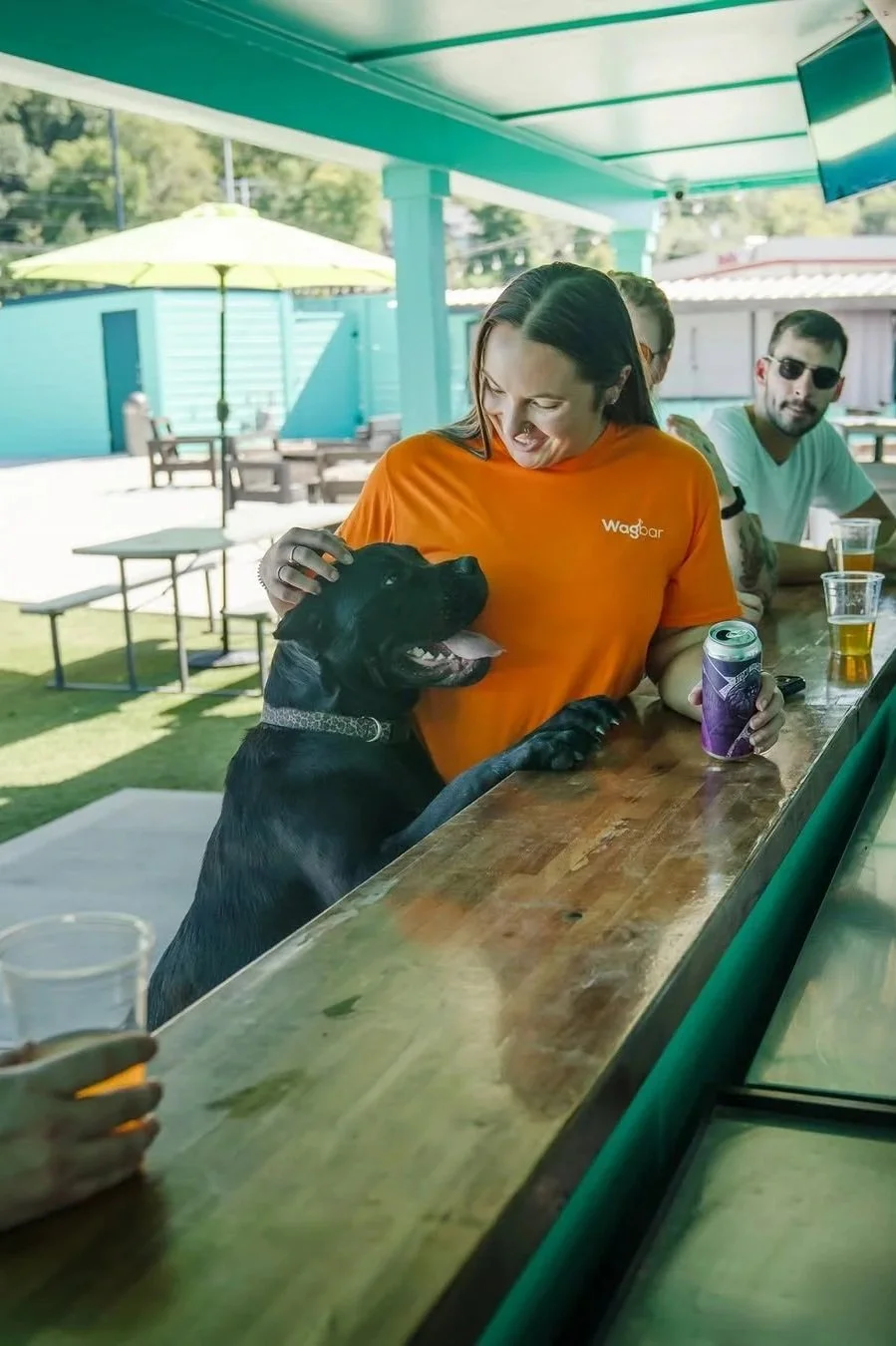
While public dog parks struggle with budget limitations and inconsistent maintenance, Wagbar's managed facilities implement professional sanitation protocols as core operational requirements rather than budget-dependent variables.
Multiple daily cleaning cycles during operating hours ensure waste never accumulates to problematic levels. Professional staff perform systematic cleaning every 2-3 hours rather than depending on visitors for waste pickup.
Daily deep cleaning protocols go beyond visible waste removal to address surfaces, drainage, and equipment. This daily attention prevents the gradual accumulation of contamination that creates health risks in facilities cleaned only weekly or monthly.
Proper surface selection and maintenance uses materials that can be effectively sanitized. Wagbar locations choose surfaces based on sanitation effectiveness rather than just installation cost, understanding that maintenance efficiency determines long-term costs and safety.
Professional oversight ensures consistency that volunteer-dependent public parks cannot match. Staff training includes proper disinfection protocols, pathogen awareness, and systematic cleaning approaches that maintain standards regardless of budget fluctuations.
Accountability through membership creates incentive structures that don't exist in free public parks. Members paying for access expect and receive superior conditions. This business model supports the staffing levels needed for proper maintenance.
Creating Personal Standards and Park Selection Criteria
Develop your own checklist for evaluating dog parks based on the standards outlined here. Your minimum acceptable conditions might include:
No visible waste accumulation during your visit
No standing water more than 24 hours after rain
Working bag dispensers and waste receptacles with capacity
Surfaces without excessive mud or bare spots
No persistent odor indicating deep contamination
Equipment in good repair without obvious hazards
Clear sight lines enabling supervision
When local public parks don't meet your standards, you face a choice: accept elevated health risks, limit dog park visits, or seek alternatives with professional management that maintain cleanliness as a core operational priority.
The investment in professional facilities pays returns in reduced veterinary costs, better socialization experiences, and peace of mind knowing your dog's health is protected by proper protocols rather than best-effort municipal maintenance.
Frequently Asked Questions
How often should dog park waste be removed at minimum?
Waste should be removed every 4-6 hours during operating hours at minimum, with high-traffic parks needing 2-3 hour cycles. Once-daily cleaning leaves 8-12 hours of accumulated waste that creates both appearance and health problems. Strategic timing of visits right after known cleaning times can reduce exposure to accumulated waste.
Can I safely bring my puppy to a clean-looking park?
Visual cleanliness doesn't guarantee safety for puppies who are still completing vaccination schedules. Even well-maintained parks harbor residual pathogens in soil and surfaces that adult dogs resist but can sicken puppies. Wait until puppies complete vaccinations before introducing them to any dog park, regardless of cleanliness. Focus early socialization efforts on controlled environments with known vaccination status.
What diseases are most commonly spread at poorly maintained dog parks?
Intestinal parasites (roundworms, hookworms, giardia) represent the most common transmission risk, affecting up to 30-40% of dogs using poorly maintained facilities. Bacterial infections (salmonella, campylobacter) and viral diseases (parvovirus in unvaccinated dogs) pose serious but less frequent risks. Proper waste removal reduces parasitic transmission by 70-80%.
Is artificial turf cleaner than natural grass?
Artificial turf enables easier cleaning than grass but only if properly maintained with specialized equipment and protocols. Poorly maintained artificial turf develops worse odor and bacterial problems than grass would have. Neither surface is inherently cleaner—both require specific maintenance protocols executed consistently.
How long do pathogens survive in dog park environments?
Survival times vary by pathogen and conditions. Parvovirus can persist in soil for months. Parasitic eggs remain infectious for weeks to months. Bacteria typically survive days to weeks depending on temperature and moisture. This means inadequate maintenance creates cumulative contamination that single deep cleaning events cannot fully resolve.
Should I avoid dog parks with standing water?
Yes, standing water persisting more than 24-48 hours after rain indicates both drainage problems and pathogen concentration. Stagnant water breeds mosquitoes and concentrates bacterial and parasitic contamination as dogs drink, play, and excrete in the area. Proper facility design prevents standing water through adequate grading and drainage.
What should I do if I see health code violations at a dog park?
Document specific concerns with photos, dates, and times, then contact your local health department or the municipal department responsible for parks. Specific, documented complaints receive more attention than general concerns. If problems persist, organize other concerned owners to create collective pressure for improvements.
Do private dog parks like Wagbar have better cleanliness standards?
Professional facilities with paid staff consistently maintain superior standards compared to budget-limited public parks. The membership model funds the multiple daily cleaning cycles and deep sanitation protocols that public parks often cannot afford. Professional management also ensures consistency regardless of budget fluctuations or volunteer availability.
How can I tell if a park uses proper disinfectants for parvovirus?
Most parks don't disclose specific cleaning products. Look for evidence of regular surface treatment beyond simple water hosing—this suggests use of actual disinfectants rather than just cosmetic cleaning. Facilities serious about disease prevention will often mention parvocidal disinfection in their rules or educational materials.
Bottom TLDR
Dog park cleanliness standards that separate great facilities from mediocre ones include waste removal every 2-4 hours, weekly deep cleaning, proper drainage preventing standing water, and surface maintenance using appropriate disinfection protocols. These standards reduce disease transmission risks by 70-80% compared to poorly maintained parks. Assess cleanliness carefully before each visit—visible waste, persistent odor, or standing water signal inadequate maintenance that puts your dog's health at risk.