

Dog Park Bar Liability: What Happens When a Dog Bites Someone at Your Venue
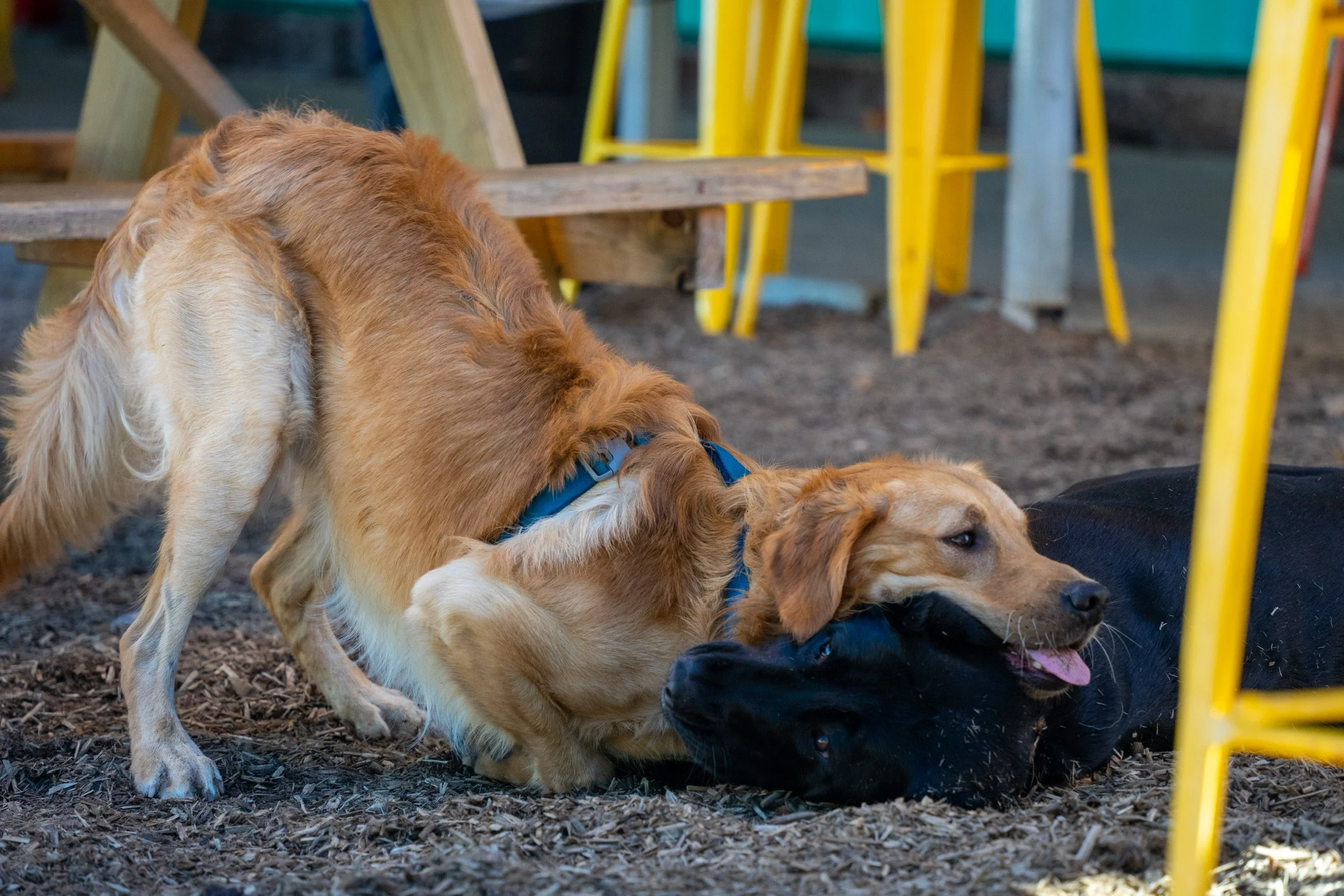
Top TLDR: Dog park bar liability for a dog bite involves both the dog's owner and the venue operator. Most states hold owners strictly liable, but venues face separate premises liability exposure if safety protocols were inadequate. Membership waivers reduce your risk but don't eliminate it. Before opening, get commercial liability insurance with an animal liability endorsement and have a local attorney review your waiver language.
Dog bites happen. Even well-socialized dogs can snap when they feel cornered, startled, or overwhelmed. As an off-leash dog bar operator, that reality sits at the center of your risk management conversation before your venue ever opens.
This isn't a reason to walk away from a dog park bar business. It's a reason to go in with your eyes open. The operators who sleep well at night aren't the ones hoping nothing bad happens. They're the ones who've built layered protection: the right insurance, the right waivers, the right protocols on the floor.
Here's what you actually need to know.
How Dog Bite Liability Works at a Venue Like This
Most people assume that when a dog bites someone, it's the dog owner's problem. In most states, that's largely true. Dog bite liability in the United States is predominantly governed at the state level, and the majority of states follow either a strict liability standard or a negligence-based approach.
Strict liability states hold the dog's owner responsible for bites regardless of whether the owner knew the dog was dangerous. Roughly 38 states follow this framework. If your venue is in a strict liability state, the dog owner faces automatic legal exposure when their animal injures someone.

Negligence-based states (sometimes called "one bite rule" states) require the injured party to prove the owner knew or should have known the dog had aggressive tendencies. This raises the evidentiary bar, but it doesn't eliminate the owner's potential liability.
What does this mean for you as the venue operator? Your exposure is separate from the dog owner's. A plaintiff's attorney can and often will name both the owner AND the venue in a lawsuit. Under premises liability law, you have a legal duty to maintain a reasonably safe environment for your guests. If a court determines your safety measures were inadequate, your venue can share in the damages award.
According to the Insurance Information Institute, dog bite claims in the U.S. cost insurers approximately $1.12 billion in 2023, with an average claim cost of $58,545. Those numbers have climbed steadily for years. Insurance underwriters know this data well, which is why they scrutinize dog park businesses more closely than most.
What Your Membership Waiver Can (and Can't) Do
Waivers are the first thing most new operators ask about, and they're legitimately important. A well-drafted membership agreement or day-pass waiver serves two functions: it shifts legal risk away from your venue, and it documents that your guests understood and accepted the inherent risks of an off-leash environment.
A solid waiver for a dog park bar should include:
Assumption of risk language acknowledging that dog-to-dog and dog-to-human contact is inherent to the activity
Indemnification clauses where the member/guest agrees to hold the venue harmless for injuries caused by their own dog
Acknowledgment of rules confirming the guest read and agrees to your code of conduct
Vaccination verification language confirming the dog's health records are current and accurate
Emergency authorization allowing staff to take reasonable action if the guest's dog becomes a danger to others
What waivers cannot do: they cannot protect you from your own gross negligence. If a dog had attacked three guests in the prior month and your staff did nothing, a waiver won't save you. Courts in most states won't enforce a waiver that attempts to shield a business from its own willful or reckless conduct. The waiver covers the normal risks inherent to the activity. It doesn't excuse operational failures.
Wagbar requires all members to confirm their dog has no history of aggressive behavior as reported by the owner. That self-attestation matters legally because it creates a record that you asked the right questions before admitting the animal.
A note on enforceability: Waiver law varies significantly by state. Some states, including California, have courts that have historically interpreted waivers narrowly in favor of injured parties. Before finalizing your waiver language, have a local attorney review it. This is not optional. A generic waiver template downloaded from the internet may not hold up in your jurisdiction.
For more on the legal framework for running this type of business, see our complete pet business legal guide covering licensing, insurance, and compliance essentials.
The Insurance Landscape for Dog Park Bars
Standard commercial general liability (CGL) policies often exclude or severely limit coverage for animal-related incidents. Many policies contain animal liability exclusions that specifically carve out injuries caused by animals on the premises. If you buy a generic small business policy without reading the exclusions carefully, you may discover at the worst possible moment that you have no coverage.
Here's what dog park bar operators should be looking for:
Commercial General Liability with Animal Liability Endorsement Your CGL policy needs a specific endorsement (a rider that modifies the base policy) adding animal liability coverage. This covers bodily injury and property damage claims arising from animal-related incidents on your property. Ask for it explicitly. Don't assume it's included.
Liquor Liability Coverage Because you're serving alcohol, you need liquor liability insurance. In many states, dram shop laws create liability for businesses that serve alcohol to someone who then causes harm. If an intoxicated patron provokes a dog and gets bitten, the intoxication element could bring your bar operations into the claim. Liquor liability insurance covers this exposure.
Premises Liability Covers injuries that occur on your property due to conditions you control, separate from animal-specific incidents. Think: a guest trips over uneven turf, the deck is slippery after rain, or a section of fence is damaged and a dog escapes.
Workers' Compensation Your staff are working around dozens of dogs every shift. Dog bites to employees happen, and workers' comp covers medical costs and lost wages for injured employees while protecting you from personal injury lawsuits by your own staff.
Umbrella / Excess Liability Given the frequency and cost of animal bite claims, many operators add an umbrella policy that kicks in when a claim exceeds the limits on an underlying policy. A $1 million CGL limit sounds substantial until you're facing a lawsuit involving serious lacerations, reconstructive surgery, and a plaintiff attorney asking for pain and suffering damages.
When shopping for coverage, look for insurers and brokers who specifically work with pet-related businesses. General business insurance brokers often don't understand this risk category well enough to design the right coverage package. According to the National Association of Insurance Commissioners (NAIC), specialty commercial lines for animal-related businesses have grown significantly as the pet services industry has expanded.
For a broader look at what investors and franchise operators examine when building out this business model, check out what to look for when investing in an off-leash dog bar franchise.
Real Scenarios: How These Claims Actually Play Out
Understanding the abstract law is useful. Seeing how claims actually develop makes it concrete.
Scenario 1: Owner-to-Owner Dispute Two dogs get into a scuffle. Dog A bites Dog B, causing a veterinary bill. Dog B's owner also gets nipped on the hand trying to separate the dogs. The owner of Dog A is the primary liable party under most state statutes. The venue's exposure depends on whether staff responded appropriately and whether the dogs had shown prior warning signs that went unaddressed. If staff witnessed escalating behavior and did nothing, the venue is exposed. If staff were actively monitoring and intervened as quickly as was reasonably possible, the venue's position is much stronger.
Scenario 2: Unprovoked Bite on a Guest A dog with no prior history of aggression bites a bystander while that person is watching from a seating area. The dog owner faces direct liability. The venue may be named for premises liability. The critical questions: Was the seating area inside or outside the off-leash zone? Was the dog on or off leash at the time? Did the venue's layout create a reasonably foreseeable risk? Good fencing design, clear zone demarcation, and enforced leash rules in transitional areas all become evidence in your favor.
Scenario 3: Misrepresented History A member signs a waiver attesting their dog has no history of aggression. That dog then bites a guest, and the victim's attorney discovers the dog had a documented bite history at a prior facility. In this case, the dog owner faces significant additional exposure for the misrepresentation. The venue is in a strong position because it relied on the owner's attestation and took reasonable steps to screen animals.
These aren't hypotheticals invented to frighten you. They reflect the patterns experienced across dog-related hospitality businesses nationally. The lesson across all three: documentation of your protocols and your staff's response to incidents matters as much as having the protocols in the first place.
Operational Practices That Reduce Your Legal Exposure
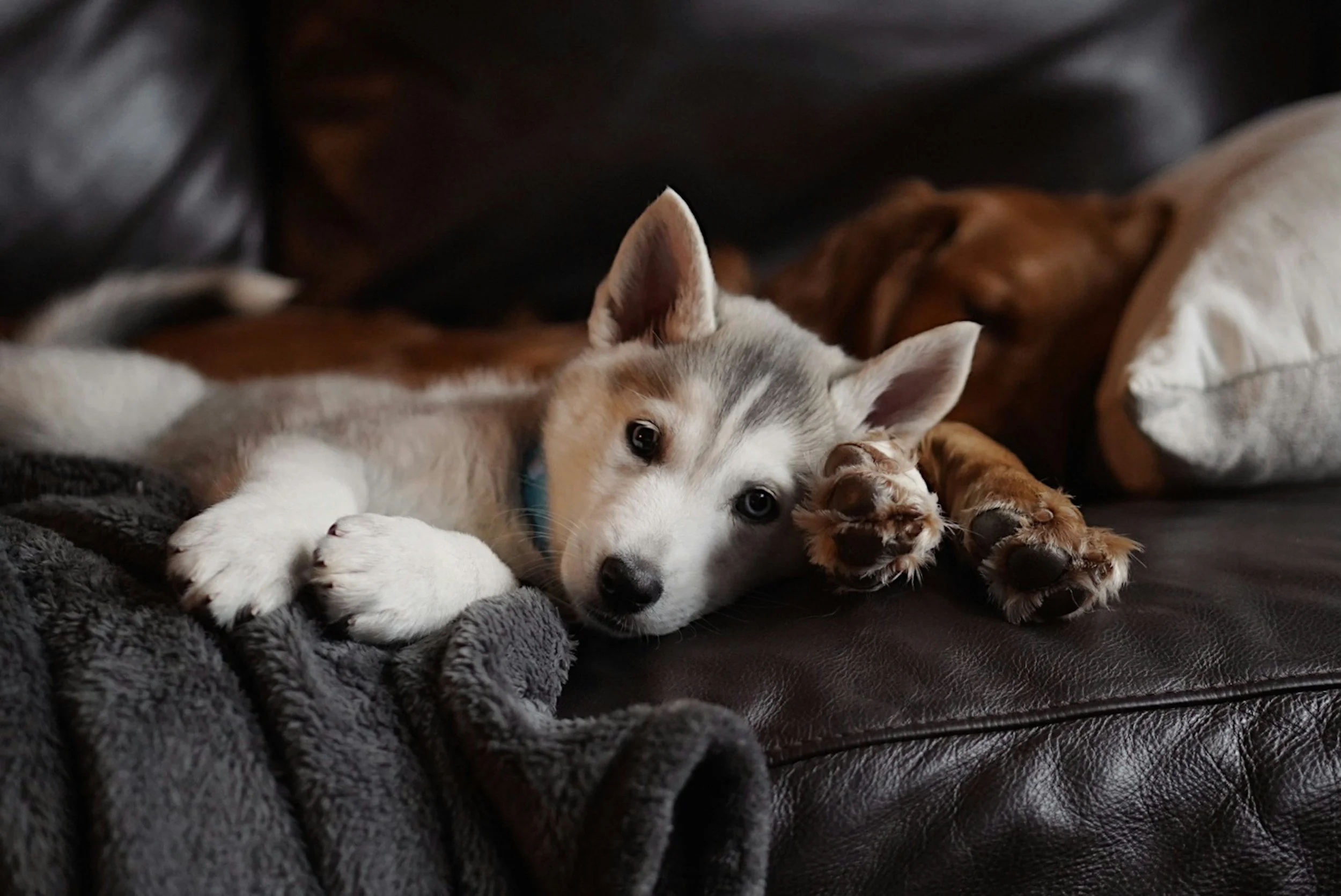
The legal side of dog park bar liability isn't just about paperwork. What your staff actually does on the floor every shift is where your protection gets built or destroyed.
Require vaccination verification at every entry At Wagbar, proof of Rabies, Bordetella, and Distemper vaccinations are required. This isn't just a health measure. It's documentation that you took reasonable steps to admit only appropriately prepared animals. Keep records.
Train staff on dog behavior recognition Staff who can read escalation signals, including stiff posture, hard staring, and resource guarding, can intervene before a bite happens. That trained intervention is exactly what distinguishes reasonable safety management from negligence. Wagbar's training program includes dog behavior management as a core component for this reason. You can read more about dog body language and canine communication signals to understand what your team should be watching for.
Document every incident Any bite, any near-miss, any dog removed for aggression: write it down. Date, time, description of the incident, dogs and people involved, what action was taken. If you're ever sued, this log demonstrates your operational diligence. The absence of records looks like the absence of care.
Enforce your removal policy A zero-tolerance policy for aggressive behavior only works if staff actually enforce it. Hesitating to ask a member to leave because they're a regular or because the confrontation feels uncomfortable creates legal liability. Clear staff authority and clear protocols for removal protect everyone.
Separate large and small dogs If your venue design allows it, separate play areas for large and small dogs meaningfully reduce the frequency of incidents. Size-based injuries are among the most common at off-leash facilities, and demonstrating that you took reasonable measures to manage that risk matters.
For a deeper look at how dog park behavior and group play dynamics work, including warning signs to watch for, that resource is worth reviewing with your team.

What Happens Immediately After a Bite Incident
How you respond in the first minutes and hours after a dog bite incident can affect both the injured person's outcome and your legal position.
Get medical attention for the injured person first. Don't minimize the injury or try to discourage the guest from seeking care. Document that you encouraged them to seek treatment.
Collect information immediately. Get the dog owner's name, contact information, and vaccination records on the spot. Get contact information for any witnesses.
Complete an incident report before anyone leaves. Your incident report should capture the time, location within your venue, description of events leading up to the incident, names of everyone involved, and actions taken by staff.
Notify your insurance carrier promptly. Most commercial liability policies have notice requirements. Failing to notify your insurer within a required timeframe can jeopardize your coverage. Call them the same day.
Don't make admissions about fault. This isn't about being cold to an injured person. It's about the reality that fault in dog bite cases often involves multiple parties and requires legal analysis. Saying "we're so sorry, this was our fault" feels like the right thing in the moment but can be used as an admission in litigation.
Consult an attorney before any settlement discussion. If the injured party mentions a lawyer or suggests they'll be seeking compensation, that's the moment to get your own legal counsel involved.
Frequently Asked Questions About Dog Park Bar Liability
Does a membership waiver fully protect my venue from dog bite lawsuits?
No. A well-drafted waiver significantly reduces your exposure and may bar claims from guests who assumed the ordinary risks of an off-leash environment. However, waivers don't protect against gross negligence, and their enforceability varies by state. You need both a strong waiver AND solid insurance coverage.
Do I need separate insurance for dog-related incidents, or does a standard CGL policy cover it?
Many standard CGL policies contain animal liability exclusions. You need a policy specifically endorsed for animal liability or a policy designed for pet-related businesses. Work with an insurance broker who has experience in this specific industry.
If a dog's owner caused the bite by misrepresenting their dog's history, am I still liable as the venue?
Your exposure diminishes significantly when you've documented your screening process and the owner misrepresented information. Courts generally don't hold a venue liable for injuries caused by a guest's deliberate misrepresentation. That said, you'll still likely be named in any lawsuit and will need to defend your position. Good documentation is your defense.
What state laws most affect my liability as a dog park bar operator?
Your state's dog bite statute (strict liability vs. negligence), your state's premises liability standards, your state's dram shop law (if applicable), and your jurisdiction's rules on waiver enforceability all directly affect your exposure. These vary enough that state-by-state legal review is important before you open.
Should I require all visitors, including non-dog owners, to sign a waiver?
Yes. Anyone who enters your off-leash area or venue space is a potential plaintiff. Your waiver should cover every human guest, not just dog owners.
How often should I update my waiver and safety policies?
Review them at least annually, and any time there's a significant incident at your venue or a relevant change in your state's law. Dog bite law has been evolving at the state level, and insurance requirements have been shifting too.
Building a Venue Where Safety and Community Work Together
Liability management and great guest experience aren't competing priorities. They're the same thing approached from different angles. The operational practices that protect you legally, careful staff training, vaccination requirements, active monitoring, clear rules and consistent enforcement, are the exact same practices that make your venue a place dogs and people want to come back to.
Wagbar's approach to this, from the vaccination verification process to the trained staff monitoring every session, reflects the understanding that a safe venue is the product. When guests trust that the dogs at your facility have been screened and that your staff is paying attention, they relax. And when they relax, they come back.
For prospective franchisees thinking through the operational side of running an off-leash dog bar, understanding this risk landscape is part of a realistic picture of what you're building. If you want to go deeper on how Wagbar approaches the broader operational framework, visit the off-leash dog bar concept overview or contact the franchising team directly.
Bottom TLDR: Running an off-leash dog bar means building layered legal protection: a state-appropriate membership waiver, commercial insurance specifically covering animal liability, documented incident response procedures, and trained staff who actively monitor the floor. Dog park bar liability is manageable, but only if you treat the legal and operational groundwork as seriously as your physical build-out. Get the right insurance and legal review in place before day one.