

Dog Park Bar Cleaning and Sanitation: Daily, Weekly, and Monthly Protocols
Top TLDR: Dog park bar cleaning and sanitation runs on three cycles: continuous waste removal and water monitoring throughout every shift, daily enzymatic turf treatment and water bowl sanitizing before or after operating hours, and weekly and monthly deep cleaning of surfaces, drains, pools, and bar equipment. Skipping daily enzymatic treatment on synthetic turf, even one day during summer, accelerates odor buildup that surface-level cleaning can't reverse. Build task-level staff assignments and shift logs before opening day.
Nobody opens a dog park bar because they love cleaning up after 80 dogs a day. But the operators who run successful, well-reviewed, membership-retaining venues understand that sanitation isn't a chore alongside the real work. It's a significant part of the product itself.
A guest who notices an odor, sees standing waste near a seating area, finds a cloudy water bowl, or watches a staff member half-heartedly spray down a surface and move on is getting a clear signal about how this place is run. Members notice. It shows up in reviews. And it directly affects whether people renew.
This guide lays out what a serious dog park bar cleaning operation actually looks like across daily, weekly, and monthly cycles, covering the play area, the bar, communal dog amenities, pools, and the transitions between them.
Why Commercial Dog Facility Sanitation Is Different From What You Expect
If your frame of reference for cleaning is a restaurant, a gym, or even a boarding kennel, running an off-leash dog bar will reset some assumptions.
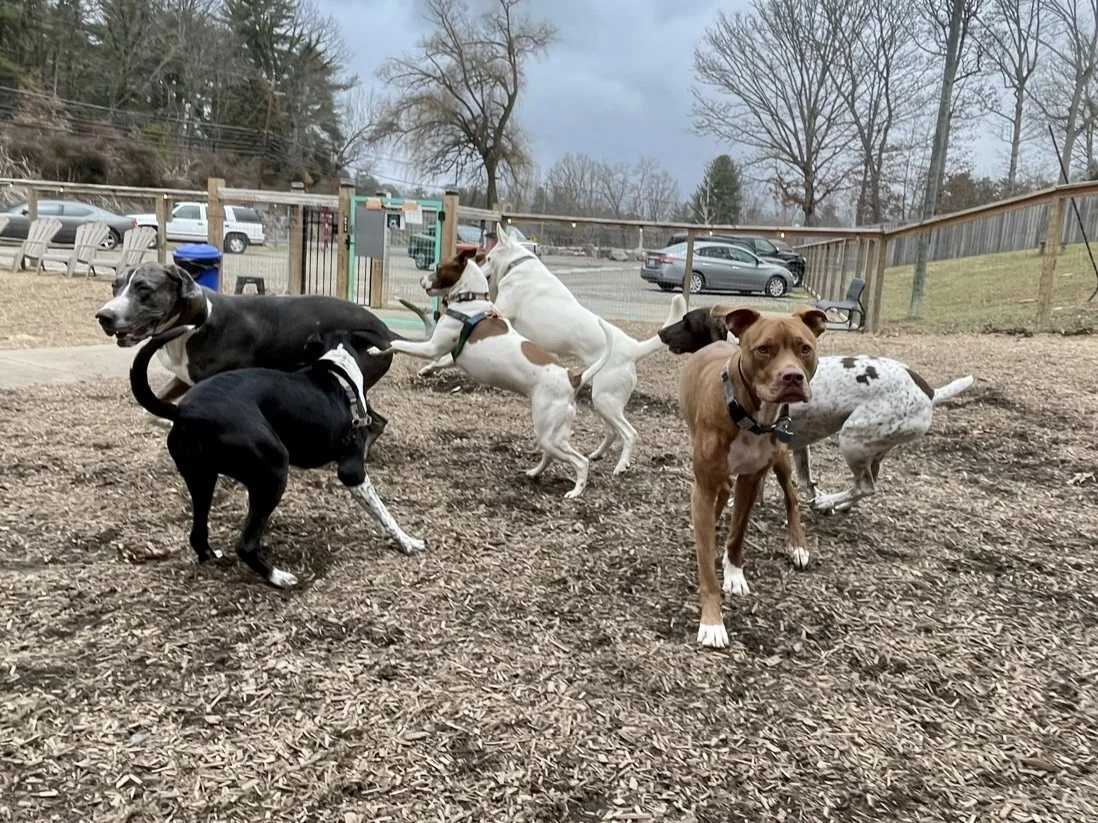
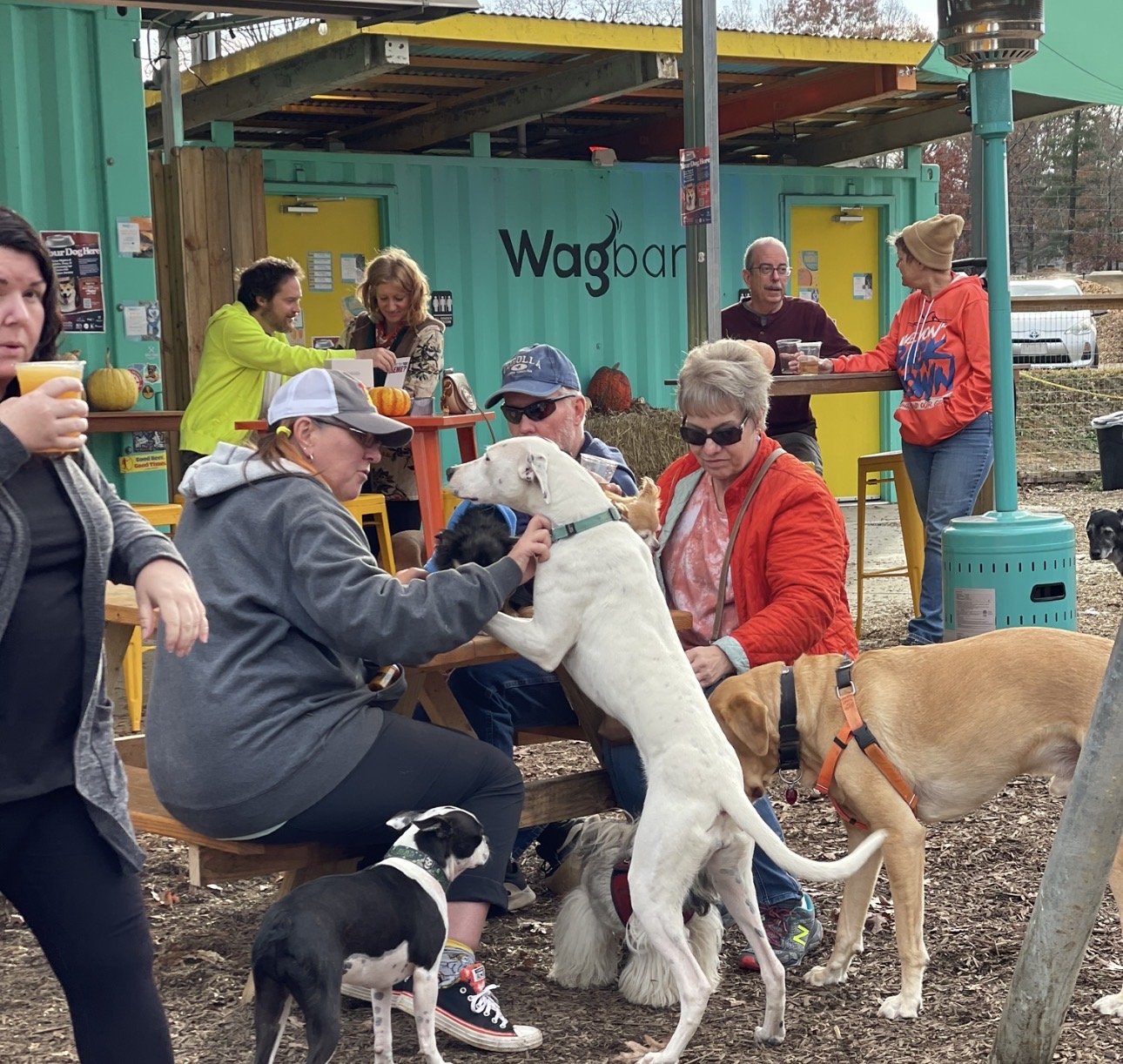
The density is high. On a busy day at a venue like Wagbar, dozens of dogs are in the same bounded outdoor space for extended periods. Every dog produces waste. Every dog tracks surface material, saliva, and environmental contaminants across the entire play area. Every water bowl is a shared resource between animals that may carry different pathogens.
The outdoor environment adds variables that indoor facilities don't deal with. Rain can dilute surface treatments before they've had time to work. Heat accelerates bacterial growth and amplifies odors. Organic debris from trees and vegetation mixes with animal waste and creates its own sanitation challenges.
And unlike a boarding kennel or vet facility where dogs are in individual spaces, an off-leash park is one continuous shared environment. When sanitation slips, it slips for everyone at once.
According to the American Veterinary Medical Association (AVMA), common canine infectious diseases including parvovirus, kennel cough (Bordetella), leptospirosis, and giardia can survive on contaminated surfaces and shared water sources. Proper surface sanitation and water management are genuine disease prevention measures, not just aesthetic ones.
Continuous Sanitation: What Happens Throughout Every Operating Shift
Some cleaning tasks can't be batched. They need to happen continuously, all day, every time the situation requires it.
Waste removal on demand. Wagbar's code of conduct asks all guests to clean up after their dogs. Staff enforce this and fill the gaps when owners don't notice or aren't quick enough. In practice, no responsible venue relies on guests alone to keep the ground clear. Staff do waste sweeps on a regular rotation throughout the day, and they address visible waste immediately whenever they see it. Waste left on a surface for more than a few minutes becomes a contact hazard, a tracking hazard, and the beginning of an odor problem.
The tools for this matter: biodegradable waste bags, a dedicated waste station with bags and a sealed disposal bin, and staff who know that this is an active part of their job on the floor, not a secondary task.
Water bowl monitoring and refilling. Communal water bowls should be visually checked throughout every shift. Bowls that contain debris, visible contamination, or that have been sitting in direct sun during warm weather need to be emptied and refreshed. The goal isn't just that water is available. It's that the water is clean enough to actually be safe for the dogs drinking from it.

Spot surface treatment. When a dog has an accident on synthetic turf or a hard surface in a zone that won't receive full enzymatic treatment until after closing, staff should apply a spot spray of diluted enzymatic cleaner to the affected area and allow it to dwell. This limits odor buildup between deep cleaning cycles.
Transition zone maintenance. The entry and exit zone, where dogs move between the street or parking area and the play field, concentrates foot traffic and tends to accumulate tracked material. Quick sweeps or rinses of these areas several times per day reduce what gets carried into the bar area and the seating zones.
Daily Cleaning: The Non-Negotiables Before or After Each Operating Day
Daily deep cleaning happens outside operating hours, either before the venue opens or after it closes. This is the reset that makes the next day's continuous maintenance actually work.
Play Area and Turf Sanitation
Full enzymatic treatment of synthetic turf. Apply enzymatic cleaner across the entire turf surface, not just high-use zones. Enzyme-based cleaners break down the organic compounds in urine and fecal matter at the molecular level rather than just masking odor or disinfecting surface bacteria. Standard dilution ratios vary by product, but most commercial dog facility formulas recommend coverage of the full surface area with adequate dwell time before rinsing.
During summer or in periods of heavy use, twice-daily enzymatic treatment may be necessary. Urine nitrogen concentration in synthetic turf increases fast in warm weather, and once the odor is embedded deeply in the turf fibers, surface treatment becomes less effective. The cost of staying ahead of the problem is far lower than the cost of trying to address it after it's established.
Full waste audit of the play area. A methodical walkthrough of the entire play space to identify and remove any remaining solid waste. This should cover fence lines, corners, and any shaded areas where staff may not have visibility during the operating day.
Rinse down hard surfaces. Entry gates, latches, fence sections that dogs contact repeatedly, paw rinse stations, and any concrete or paver transitions get a hose rinse. These high-contact surfaces accumulate bacteria and are also the first thing guests see when they arrive.
Perimeter and drainage check. A quick inspection of drainage points to confirm they're clear and functioning. Standing water anywhere in the play area is both a sanitation problem and a breeding ground for mosquitoes in warmer months.
Water Bowls and Hydration Stations
Water bowls should be emptied, scrubbed with a brush and dish soap or pet-safe disinfectant, rinsed thoroughly, and refilled fresh at the start of every operating day. Daily is the minimum. In hot weather or after high-traffic days, twice-daily bowl changes are the appropriate standard.
The American Kennel Club recommends that communal water bowls at dog facilities be sanitized at least daily to prevent transmission of infectious disease between animals. The mechanism is direct: a dog with Bordetella, kennel cough, giardia, or other waterborne or contact pathogens drinks from a bowl and leaves trace contamination. The next dog to drink from that bowl is exposed.
This applies to elevated water stations, ground-level bowls, splash pads, and any water feature dogs are encouraged to use. The more dogs using a water source, the more frequently it needs to be addressed.
Bar Surface and Glassware Sanitation
The bar side of a dog park bar operates under its own sanitation requirements, independent of the dog area. If your venue holds a food service permit, health department standards govern bar surfaces, glassware, and equipment.
Daily bar cleaning at minimum should include:
Bar top surface sanitizing with an approved food-contact sanitizer
Glassware washing through commercial dishwasher or three-compartment sink sanitizing process
Beer line flushing if lines run continuously or are on a rotating tap system
Tap handles wiped down with sanitizer
Ice bin inspection and cleaning if ice has been sitting
Disposal of any open or prepared food items per food safety guidelines
This cleaning needs to happen before the bar opens each day. Staff who have been working in the dog park should not move to bar service without handwashing. Cross-contamination between the dog park environment and food and beverage service is both a health code concern and a guest experience concern.
For more context on how health department requirements interact with the animal-and-food-service reality of a dog park bar, the dog park bar health department rules guide walks through the compliance framework in detail.
Weekly Cleaning: Deeper Work That Can't Happen Every Day
Weekly maintenance covers tasks that daily sanitation keeps manageable but can't fully address on its own.
Deep enzymatic turf treatment. Beyond the daily spray application, a weekly deep treatment with higher concentration enzymatic cleaner and longer dwell time pulls accumulated organic compounds out of turf fiber deeper than surface treatment reaches. Some operators use a mechanical turf groomer during or after this treatment to lift fiber, improve product penetration, and remove debris embedded in the turf pile.
Water bowl and hydration station scrubbing. Beyond daily rinse and refill, a weekly scrub with a brush and disinfectant removes biofilm that builds up on bowl surfaces even with daily cleaning. Biofilm is a thin bacterial layer that daily rinsing doesn't fully eliminate. It's often invisible but creates a surface where pathogens accumulate.
Fence line and gate hardware cleaning. Gate latches, handles, and the fence sections at dog height accumulate bacterial transfer from repeated nose and paw contact. A thorough wipe-down with an appropriate disinfectant once per week addresses this. Don't overlook the people-height hardware on gates, guests touch these too.
Drain and waste station maintenance. Clean and disinfect waste disposal bins. Check drain grates for buildup and clear any obstruction. If your venue uses a dedicated waste container with a liner, the liner should be changed at least weekly or more frequently in hot weather.
Seating area deep clean. Outdoor seating that guests use while their dogs play accumulates dog contact, food debris, and environmental material throughout the week. Wipe-down of table surfaces and seating with an appropriate cleaner weekly keeps the guest experience clean even as daily wipe-downs handle the obvious.
Bar equipment inspection. Weekly inspection of beer taps, lines, and refrigeration equipment. Beer line cleaning frequency depends on your tap system and product rotation, but most manufacturers recommend flushing lines every one to two weeks. Neglected beer lines develop bacterial growth that affects both product quality and health code compliance.
Monthly Cleaning: Maintenance That Protects Long-Term
Monthly protocols address the systems and surfaces that don't degrade visibly day to day but deteriorate significantly over weeks without attention.
Full turf deodorization treatment. Monthly application of a high-concentration odor neutralizer, separate from the regular enzymatic treatment, addresses deep-seated odor that has accumulated in the turf backing and infill material over the preceding weeks. Some commercial dog facilities use baking-soda-based deodorizers or activated charcoal products in combination with enzymatic treatments for monthly deep deodorization.
Pool and splash feature maintenance. If your venue includes any water feature dogs use for cooling or play, monthly maintenance is essential. For standing splash pools: full drain, scrub with pet-safe disinfectant, rinse thoroughly, and refill with fresh water. Frequency may need to increase during peak summer use. Standing water in any vessel dogs contact is a high-risk disease transmission point, and visible water clarity is not an accurate indicator of water safety. Algae, bacterial growth, and giardia cysts can all be present in water that looks acceptable.
According to the Companion Animal Parasite Council (CAPC), giardia can survive in cold water for months and is commonly transmitted through shared water sources at dog facilities. Regular pool draining and disinfection are specifically recommended for facilities where multiple animals share water access.
Drain system inspection and clearing. Monthly inspection of all drainage infrastructure to identify any buildup, blockage, or deterioration that daily and weekly maintenance won't catch. This is particularly important for synthetic turf drainage, where fine debris can gradually reduce permeability.
Surface inspection for wear and repair. Monthly walkthrough specifically looking for turf damage, uneven ground, fence integrity, hardware wear, and any surface condition that might represent an injury risk or a sanitation problem. Catching a turf tear or a damaged gate latch monthly costs far less than addressing an injury or a health department notice.
Bar equipment deep clean. Monthly cleaning of all bar equipment beyond the weekly inspection: refrigeration coils, ice machine sanitizing, full beer line cleaning if not done more frequently, dishwasher cleaning cycle, and any equipment the health department would check during an inspection.
Staff Training and Accountability
A cleaning protocol is only as good as the staff executing it. A written schedule that nobody follows is just paper.
Staff need to know specifically what they're responsible for and when. That means task-level assignments, not general expectations. "Keep the park clean" is not a protocol. "Complete waste sweep at 10am, 1pm, and 4pm and document in the shift log" is a protocol.
Completion logs matter. When staff check off tasks, management can see whether protocols are being followed or drifting. When something looks wrong with the venue, the log tells you whether the problem is a protocol gap or a product and surface issue.
New staff need hands-on training on cleaning procedures before they work solo. The difference between applying enzymatic cleaner correctly and applying it incorrectly is significant, and incorrect application gives you the cost without the result.
For an operator coming into this from outside the pet facility industry, the learning curve on commercial sanitation is real but manageable. It's part of what Wagbar's training program covers, giving franchisees a working understanding of the sanitation requirements before they open. You can read more about that operational training framework on the dog park franchise training and support page.

Product Selection: What Actually Works
Not all cleaning products are appropriate for dog facility use. Some disinfectants commonly used in commercial settings are toxic to dogs at the concentrations needed for effective sanitizing.
Avoid:
Phenol-based disinfectants (Lysol-type products at standard concentration)
High-concentration bleach solutions in areas dogs will contact before full rinsing
Essential oil-based cleaners including tea tree, pine, and eucalyptus, which are toxic to dogs even in diluted form
Appropriate for dog facilities:
Enzyme-based cleaners specifically formulated for animal waste (ZYMOX, Simple Solution, BioKleen, Rocco & Roxie)
Diluted accelerated hydrogen peroxide disinfectants (Rescue/Accel brand is widely used in veterinary and shelter settings)
Quaternary ammonium disinfectants at label-recommended dilution in areas dogs won't contact until fully dry
Pet-safe citric acid cleaners for hard surfaces
When in doubt, consult your veterinarian or a commercial pet facility supplier for product recommendations appropriate to your specific surfaces and region.
The guest review from Wagbar's Asheville location captured what good sanitation actually produces from a guest's perspective: "All dogs are checked for vaccine requirements and you feel very secure." That security is built on what happens before anyone arrives, not during. Visit the Wagbar FAQ for a full overview of the health and safety standards guests can expect at every location.
Frequently Asked Questions About Dog Park Bar Cleaning
How often does synthetic turf at a dog park bar need enzymatic treatment?
Daily at minimum, applied to the full surface area. During summer months or high-traffic periods, twice-daily treatment is the appropriate standard. Weekly deep treatments with higher concentration products and longer dwell time address buildup that daily applications can't fully reach.
How often should communal dog water bowls be changed?
Bowls should be emptied, scrubbed, and refilled with fresh water at least once daily before operating. In hot weather or after heavy use, twice-daily bowl changes are the right standard. Weekly scrubbing to remove biofilm is necessary even with daily rinse-and-fill routines.
What cleaning products are safe to use around dogs?
Enzyme-based cleaners formulated specifically for animal waste are the primary tool for turf and ground surfaces. Accelerated hydrogen peroxide disinfectants (like Rescue/Accel) are widely used in professional veterinary settings and are safe at label-recommended dilutions. Avoid phenol-based disinfectants and essential oil-based products, both of which are toxic to dogs.
How is the bar area kept separate from dog park sanitation concerns?
The bar operates as an enclosed structure with its own health code-compliant sanitation protocols. Staff transitioning between the dog area and bar service wash hands between areas. The physical separation of the bar structure from the animal play area is part of Wagbar's design model and is central to health department compliance.
How do you handle pool or splash feature sanitation?
Any water feature dogs share should be fully drained, scrubbed with pet-safe disinfectant, rinsed, and refilled on a regular schedule, at minimum monthly, and more frequently during peak use in warm weather. Visual water clarity doesn't indicate safety. Giardia and other pathogens can be present in water that appears clean.
What should staff log to document cleaning compliance?
A shift log tracking the time and completion of each scheduled task is the baseline. Entries should include waste sweep completions, water bowl changes, enzymatic treatment applications, and any maintenance issues noted. Management reviews logs to confirm protocol adherence and to identify surface or product issues when problems arise despite correct procedure.
Bottom TLDR: Effective dog park bar cleaning and sanitation requires daily enzymatic turf treatment, strict water bowl rotation, health-code-compliant bar surface protocols, and scheduled deep cleaning at weekly and monthly intervals. The pathogens most dangerous to dogs, including parvovirus, giardia, and Bordetella, survive on shared surfaces and water sources. Product selection matters too: avoid phenol-based disinfectants and essential oil cleaners, both of which are toxic to dogs at standard concentrations.