
Dog Ownership in Knoxville, TN: Statistics, Culture & Resources

Top TLDR: Dog ownership in Knoxville, TN is thriving, with approximately 45% of Knox County households owning at least one dog according to 2024 local surveys. Knoxville offers 20+ public dog parks, strong pet-friendly housing options, and a supportive community culture that makes the city one of Tennessee's most welcoming places for dog owners. Whether you're considering getting your first dog or relocating to Knoxville with your furry companion, you'll find comprehensive resources from the Knoxville Humane Society, ample off-leash recreation spaces, and a growing network of dog-friendly businesses throughout the city.
Knoxville, Tennessee has earned its reputation as one of the South's most dog-friendly cities. Nestled in the foothills of the Great Smoky Mountains, this vibrant East Tennessee community combines outdoor recreation opportunities, a strong sense of community, and a genuine appreciation for dogs that creates an ideal environment for pet ownership.
Whether you're a lifelong Knoxville resident considering adding a dog to your family, or you're relocating to the area with your four-legged companion, understanding the local dog ownership landscape helps you make informed decisions and connect with the right resources. From vaccination requirements to dog-friendly social venues, Knoxville's pet community continues to grow and strengthen.
Knox County Dog Ownership Numbers and Demographics
Knox County maintains comprehensive records of pet ownership through licensing programs and local surveys that paint a clear picture of the area's canine population. According to data collected by Knox County Animal Control and the Tennessee Department of Agriculture in 2024, approximately 45% of households in Knox County own at least one dog.
Breaking down these numbers reveals interesting patterns. The city proper shows a slightly higher concentration of dog ownership in neighborhoods like Bearden, Farragut, and West Knoxville, where larger lot sizes and proximity to parks make dog ownership more practical. The 2024 Knox County Pet Census estimated the total dog population at approximately 98,000 registered dogs across all areas, though experts suggest the actual number may be higher when accounting for unregistered pets.
Dog ownership in Knoxville crosses all demographic lines, but certain trends emerge. According to the Knoxville Area Association of Realtors Pet Ownership Study, millennials and Gen Z residents (ages 25-40) represent the fastest-growing segment of dog owners in Knox County, with 62% of this age group owning at least one dog. This aligns with national trends showing younger generations prioritizing pet ownership even before homeownership.
The economic impact of this dog population creates significant opportunities for pet franchise businesses. Knox County dog owners spend an estimated $127 million annually on pet food, veterinary care, grooming, boarding, and recreation according to the 2023 Tennessee Pet Owners Economic Impact Report. This per-dog spending averages approximately $1,300 per year, slightly above the national average.
Breed preferences in Knoxville reflect both national trends and regional characteristics. Golden Retrievers, Labrador Retrievers, German Shepherds, and mixed breeds dominate registration data. However, the region also shows strong preferences for working breeds and outdoor-oriented dogs that match Knoxville's active lifestyle culture.
The rise of rescue and adoption has significantly impacted these numbers. The Knoxville Humane Society reports that 68% of dogs adopted through their facility in 2024 went to first-time dog owners, suggesting continued growth in the overall dog-owning population rather than simple replacement of existing pets.
Knoxville's Dog-Friendly Culture and Community
Knoxville's identity as a dog-friendly city goes beyond statistics and into the fabric of daily life. The city has intentionally cultivated a culture that welcomes dogs in public spaces, businesses, and community events throughout the year.
The downtown Market Square area exemplifies this welcoming attitude. On any given Saturday morning, the Knoxville Farmers Market fills with dogs accompanying their owners to shop for local produce, artisan goods, and handmade treats. The market provides water stations for dogs and many vendors keep treats behind their tables specifically for canine visitors.
Seasonal events celebrate the human-canine bond. The annual Bark in the Park brings thousands of dog owners to World's Fair Park each spring for competitions, vendor booths, rescue organization meet-and-greets, and socialization opportunities. The East Tennessee Dog Festival in September showcases agility demonstrations, dock diving, and educational seminars on dog training and behavior.
Local businesses have embraced dog-friendly policies beyond legal requirements. Many retail stores in West Town Mall, Turkey Creek, and other shopping areas allow well-behaved leashed dogs year-round. Outdoor shopping centers like The Shoppes at Turkey Creek maintain dog waste stations and offer complimentary water bowls outside stores.
The brewery and distillery scene particularly embraces dogs. Knox Brew Hub, Pretentious Beer Company, Alliance Brewing Company, and more than two dozen other craft beverage producers welcome leashed dogs on their patios and in designated indoor areas. This creates natural gathering spots for dog owners to socialize while their pets interact in controlled environments.
Community support extends to organized dog meetups and activity groups. The Knoxville Dog Meetup group coordinates regular gatherings at various parks, organizing breed-specific meetups, size-appropriate play sessions, and puppy socialization events. These structured opportunities help new dog owners integrate into the local pet community.

Social media strengthens these connections. The "Dogs of Knoxville" Facebook group maintains more than 18,000 members who share recommendations, organize impromptu park meetups, coordinate lost pet searches, and discuss local pet resources. This digital community complements in-person interactions and helps dog owners feel connected across the greater Knoxville area.
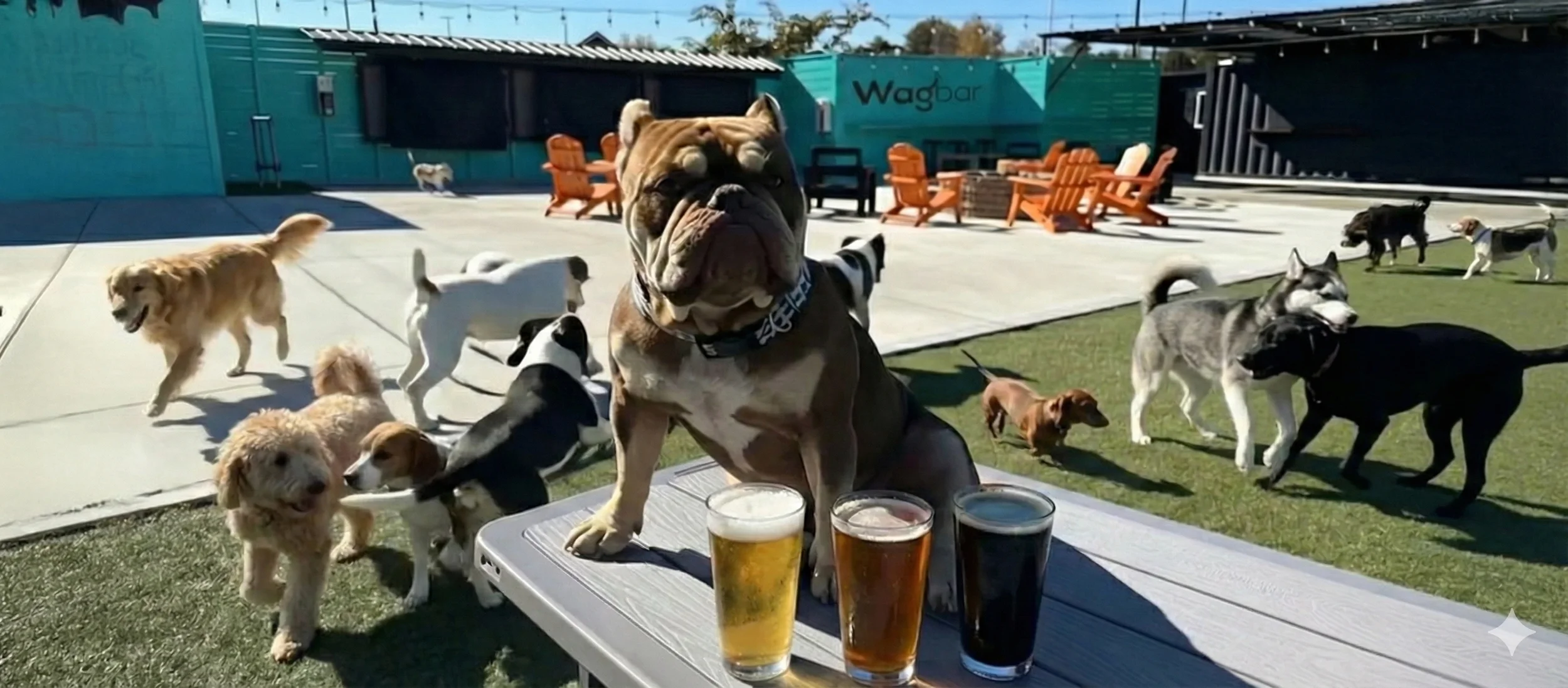
The upcoming Wagbar Knoxville represents a new chapter in the city's dog-friendly evolution. Opening in October 2025 at the former Creekside location, this off-leash dog park bar will offer a unique social environment where dogs can play freely while their owners enjoy craft beverages and community connection.
Popular Dog Breeds in Knoxville
Breed preferences in Knoxville reflect the city's outdoor culture, climate considerations, and housing patterns. Knox County Animal Control registration data from 2024 provides insight into which breeds thrive in the East Tennessee environment.
Labrador Retrievers consistently rank as Knoxville's most popular breed for the past decade. Their adaptability to Tennessee's climate, friendly temperament, and versatility as both family pets and outdoor companions make them ideal for Knoxville's lifestyle. The breed's moderate grooming needs and generally healthy constitution appeal to busy Knoxville families balancing work and recreation.
Golden Retrievers claim the second position, particularly popular in suburban areas like Farragut and Hardin Valley. These gentle, intelligent dogs excel in Knoxville's family-oriented culture and perform well in the mild winters and warm summers. Their social nature aligns perfectly with Knoxville's community-focused dog park culture.
German Shepherds rank third, valued for their intelligence, trainability, and versatility as family protectors and working dogs. The breed's popularity spans both urban and rural Knox County, with many owners involved in training clubs, agility competitions, and service dog organizations.
Mixed breed and rescue dogs represent a significant and growing category. The Knoxville Humane Society and Young Williams Animal Center report that "mutt" adoptions now account for approximately 40% of all dog adoptions in Knox County. This shift reflects changing attitudes about purebred versus mixed breed dogs, increased rescue awareness, and the growing understanding that temperament matters more than pedigree.
Small dog breeds maintain strong popularity in downtown Knoxville and denser neighborhoods. Shih Tzus, Cavalier King Charles Spaniels, French Bulldogs, and Beagles rank among the top fifteen breeds registered in Knox County. These smaller dogs adapt well to apartment living and require less outdoor space, making them practical choices for downtown residents.
The climate influences breed selection. Knoxville's humid subtropical climate with hot summers means heavy-coated breeds like Huskies and Malamutes remain less common, though dedicated owners make accommodations for these breeds through air-conditioned homes and adjusted exercise schedules. Conversely, short-coated breeds and those with moderate coats thrive in Knoxville's weather patterns.
Working and sporting breeds find an enthusiastic audience in Knoxville. Border Collies, Australian Shepherds, Brittanys, and Pointers appeal to active owners who utilize Knoxville's extensive trail systems, rivers, and outdoor recreation areas. These high-energy breeds match well with Knoxville's outdoor-oriented population.
The rise of "designer" mixed breeds like Goldendoodles, Labradoodles, and Cavapoos reflects national trends but has particular appeal in Knoxville. These hybrids combine desirable traits like low-shedding coats with friendly temperaments, appealing to families with mild allergies or preference for easier-to-maintain coats.
Understanding breed compatibility matters particularly for Knoxville's high percentage of multi-dog households. Approximately 35% of Knox County dog owners have two or more dogs, according to 2024 veterinary clinic surveys. Choosing breeds with complementary energy levels and temperaments contributes to household harmony.
All Dog Parks and Recreation in Knoxville
Knoxville's commitment to providing quality dog recreation spaces has produced one of the most comprehensive dog park networks in Tennessee. The city maintains 20+ official dog parks across Knox County, offering variety in size, amenities, and location.
Off-Leash Dog Parks
Victor Ashe Park on Middlebrook Pike features Knoxville's largest and most popular off-leash dog area. This 3-acre fenced facility includes separate sections for large and small dogs, double-gated entries for safety, benches and shade structures, running water access, and ample parking. The park attracts 200-300 dogs daily during peak seasons, creating abundant socialization opportunities.
Sequoyah Park on Cherokee Boulevard maintains a beloved 1.5-acre dog park popular with nearby residents. The Tennessee River provides a scenic backdrop, and the park's mature trees offer natural shade during summer months. Small dog and large dog sections prevent size mismatches, while the riverside location allows for post-park walks along the greenway.
Tommy Schumpert Park in West Knoxville serves the Farragut and Hardin Valley communities with a well-maintained 2-acre dog area. Recent renovations added new fencing, improved drainage, and enhanced parking. The park's proximity to Turkey Creek shopping provides convenient access for owners combining errands with dog exercise.
Lakeshore Park's dog area sits on a hillside overlooking Fort Loudoun Lake, providing scenic views and plenty of space for running. The 2-acre facility includes agility equipment donated by local pet organizations, allowing owners to practice basic obstacle courses with their dogs.
Tommy and Betty Hastings Park in South Knoxville opened in 2023 with a modern 1.8-acre dog facility featuring rubberized ground cover in high-traffic areas, reducing mud formation and improving drainage. This innovation addresses one of the primary complaints about traditional grass dog parks.
Concord Park, Carl Cowan Park, and Fountain City Park each maintain smaller but well-utilized neighborhood dog parks serving their immediate communities. These parks typically range from 0.5 to 1 acre but provide essential local access for dogs that benefit from regular, nearby exercise opportunities.
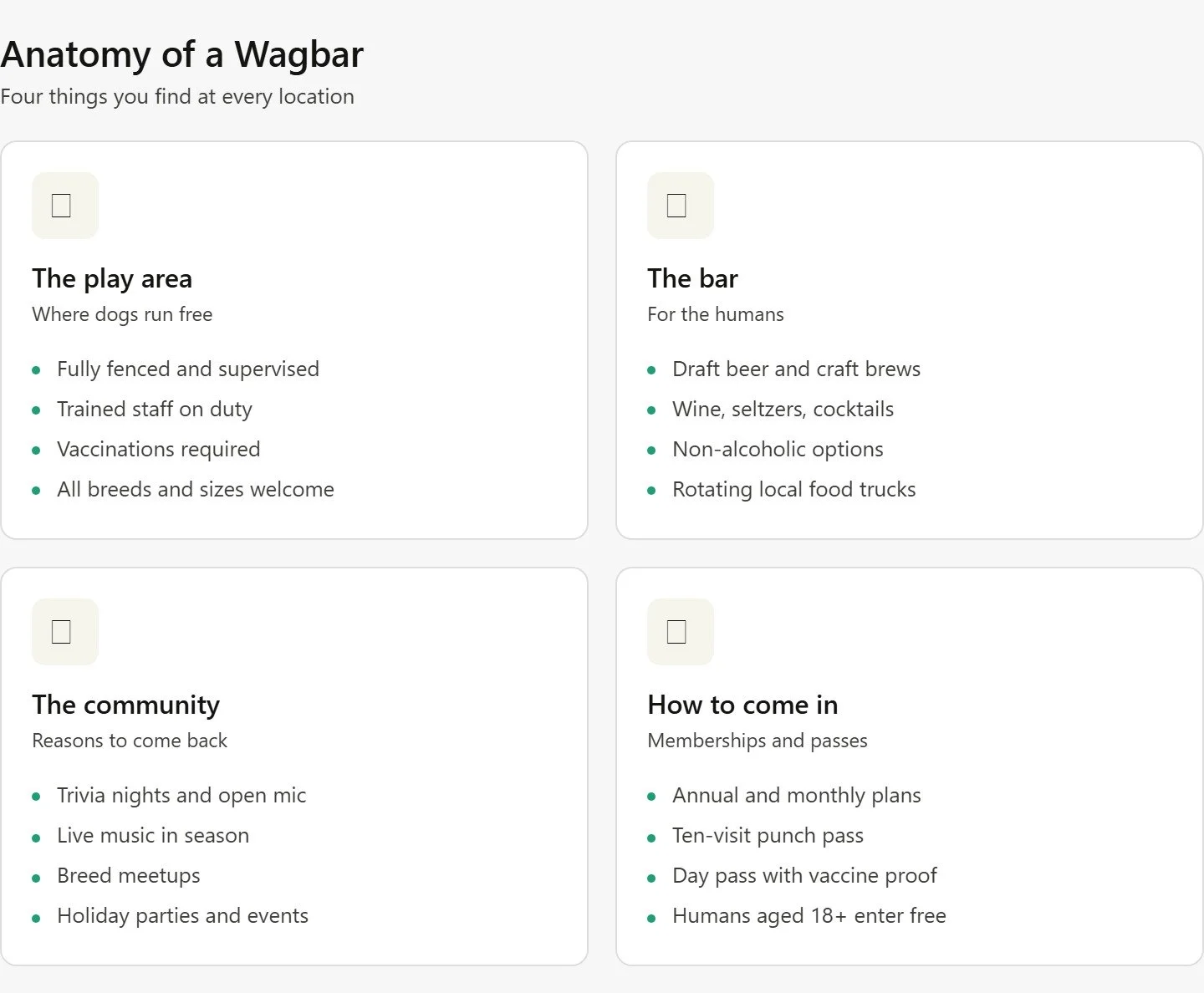
The upcoming Wagbar Knoxville will add a unique dimension to off-leash recreation. Unlike traditional city parks, Wagbar combines off-leash play with a social bar atmosphere, creating a destination where both dogs and their owners enjoy premium experiences. The supervised, climate-controlled environment addresses weather concerns during Knoxville's hot summers and cold winter days.
Trail Systems and Walking Areas
Beyond fenced dog parks, Knoxville offers extensive trail systems welcoming leashed dogs. The Urban Wilderness comprises 1,000+ acres of interconnected trails, greenways, and natural areas within five miles of downtown. Popular trails like Hastie Natural Resources Area and Ijams Nature Center allow leashed dogs on most trails, providing variety from easy riverside walks to challenging hillside hikes.
The Third Creek Greenway runs 5.3 miles through West Knoxville, connecting multiple parks and neighborhoods. The paved trail attracts dog walkers throughout the year, offering flat terrain ideal for older dogs or owners with mobility considerations. Multiple access points allow for customized walk lengths.
The Neyland Greenway parallels the Tennessee River for 3.2 miles between downtown and Calhoun's on the River. This scenic route combines river views with convenient access to the University of Tennessee campus and downtown areas. Early morning and evening hours bring out hundreds of dog walkers enjoying the waterfront setting.
Fort Dickerson Park's hill trails provide more challenging terrain for athletic dogs and their owners. The trails wind through wooded areas with elevation changes that give high-energy breeds a solid workout. The park's hilltop location offers panoramic views of downtown Knoxville as a reward for the climb.
House Mountain State Natural Area, located just outside Knoxville in Knox County, welcomes leashed dogs on its summit trail. The 5.6-mile round trip hike gains 1,400 feet in elevation, providing serious exercise for dogs and owners prepared for backcountry hiking. This trail represents the most challenging dog-friendly hike in the immediate Knoxville area.
Indoor and Weather-Protected Options
Knoxville's weather variability makes indoor exercise options valuable for year-round dog care. Preppy Pet Knoxville on Middlebrook Pike operates an indoor dog park and boarding facility with climate-controlled play areas available during extreme weather. The facility requires reservations and vaccination verification but provides reliable exercise regardless of outdoor conditions.
PetSmart and Pet Supplies Plus locations throughout Knoxville offer climate-controlled spaces for basic indoor walking when weather prohibits outdoor exercise. While not dedicated dog parks, these pet supply stores welcome leashed dogs and provide safe indoor environments during rain, snow, or temperature extremes.
Several local doggy daycares including K9 Coach, Dogwood Pet Lodge, and Camp Bow Wow provide supervised playgroups and indoor exercise facilities. These services particularly benefit working dog owners who want to ensure their pets receive adequate exercise and socialization during business hours.
The importance of year-round exercise options cannot be overstated. Understanding dog body language during play helps owners recognize when their dogs need exercise breaks or when play has become too intense, regardless of whether recreation happens indoors or outdoors.
Dog-Friendly Businesses Throughout Knoxville
Knoxville's business community has embraced dogs as customers deserve acknowledgment and patronage. The number of establishments welcoming dogs has grown significantly, creating more opportunities for owners to include their pets in daily activities.
Restaurants and Breweries
More than 150 Knoxville restaurants maintain dog-friendly outdoor dining areas according to the 2024 Knoxville Dining Guide. Market Square restaurants including Stock & Barrel, Tomato Head, and Soccer Taco all welcome dogs on their patios with water bowls and occasional treat offerings.
The Old City district's restaurants and bars have particularly embraced dog-friendly policies. Pretentious Beer Company, Knox Brew Hub, Crafty Bastard Brewery, and Hexagon Brewing Company all welcome dogs in their outdoor spaces and designated indoor areas. These establishments often host "Yappy Hours" with special pricing and dog-focused events.
Downtown Grill & Brewery maintains one of Knoxville's largest dog-friendly patios on Market Square. The restaurant provides a dedicated dog menu with items like grilled chicken and rice, plain burger patties, and puppuccinos (whipped cream in a cup). This attention to canine customers builds loyalty among dog-owning patrons.
Turkey Creek's restaurant scene includes Aubrey's, Calhoun's, and Connor's Steak & Seafood, all maintaining dog-friendly patio dining during appropriate weather. These establishments understand that enabling dogs to accompany their owners increases visit frequency and duration.
Maryville Pike and Chapman Highway corridors offer additional options, with several local spots welcoming dogs on their patios while serving pub fare and craft beverages.
Retail Stores
Pet-specific retailers naturally welcome dogs, but Knoxville's general retail adoption of dog-friendly policies extends well beyond pet stores. Three Rivers Market co-op allows well-behaved leashed dogs throughout the store, recognizing that many customers walk to the market with their pets from nearby neighborhoods.
Home improvement stores like Lowe's and The Home Depot on Kingston Pike welcome leashed dogs, making weekend project shopping easier for dog owners who prefer not to leave pets home alone. Staff members often keep treats at customer service desks.
REI on Kingston Pike actively encourages dogs, aligning with the outdoor recreation focus of their product lines. The store provides tie-up stations outside for dogs that prefer waiting while owners browse, plus water bowls near entrances.
Outdoor shopping centers including Turkey Creek and West Town Mall allow leashed dogs in common areas year-round. Individual stores within these centers maintain varying policies, but the outdoor spaces remain consistently accessible.
Local boutiques and specialty shops in Bearden, Sequoyah Hills, and downtown often welcome dogs, with policies posted on storefronts or available by calling ahead. These smaller businesses recognize that dog-friendly policies differentiate them from larger chains.
Service Providers
The service economy has adapted to serve Knoxville's dog population. Mobile grooming services like Aussie Pet Mobile and Zoomin Groomin bring professional grooming to customers' driveways, reducing stress for dogs anxious about traditional grooming facilities.
Pet photography services including Knox Woofs and Bark Avenue Portraits specialize in professional pet portraits at outdoor locations throughout Knoxville. These services cater to owners wanting quality images beyond smartphone photos.
Dog training services range from large operations like PetSmart training to boutique trainers specializing in specific behavioral issues. K9 Coach offers both group classes and private sessions addressing everything from basic obedience to reactive dog rehabilitation.
Veterinary services include specialty and emergency clinics beyond standard practices. University of Tennessee College of Veterinary Medicine provides advanced specialty care including oncology, orthopedics, and cardiology. UT Veterinary Hospital also operates a 24-hour emergency service for after-hours critical care.
The integration of dogs into Knoxville's business landscape creates community gathering points similar to traditional third spaces. The social benefits of dog parks and bars extend when businesses create welcoming environments for both dogs and their owners.
Housing and Rentals with Dogs in Knoxville
Housing considerations significantly impact dog ownership decisions. Knoxville's rental and homeownership markets present both opportunities and challenges for dog owners.
Rental Market Realities
Apartment complexes in Knoxville increasingly recognize that pet-friendly policies attract quality long-term tenants. According to the 2024 Knoxville Apartment Association Survey, 78% of apartment complexes in Knox County now accept dogs with some restrictions.
Pet policies typically include weight limits (commonly 50-75 pounds), breed restrictions, and additional deposits or monthly fees. Monthly pet rent ranges from $25 to $75 per dog in most Knoxville complexes, with non-refundable deposits between $200 and $500.
Breed restrictions remain a contentious issue. Many insurance companies require landlords to restrict certain breeds including Pit Bulls, Rottweilers, Dobermans, and German Shepherds. However, individual landlords may make exceptions based on meeting specific dogs, requiring additional insurance, or accepting higher deposits.
Single-family rentals typically offer more flexibility. Landlords renting individual homes often negotiate pet policies case-by-case, considering factors like fenced yards, tenant history, and specific dog characteristics rather than applying blanket restrictions.
West Knoxville neighborhoods including Bearden, Farragut, and Hardin Valley offer more pet-friendly rental options than downtown or campus-adjacent areas. These areas feature more single-family homes and townhouses with yards, appealing to dog owners seeking appropriate space.
Several property management companies including Peak Properties, Cottonwood Properties, and Pugh Properties maintain inventories of pet-friendly rentals across different price points. Working with these specialists often proves more efficient than searching general listings.
Homeownership Advantages
Homeownership eliminates most restrictions associated with renting. Knox County's relatively affordable housing market compared to major metropolitan areas makes homeownership achievable for many dog owners, particularly those prioritizing yard space and outdoor access.
Neighborhoods popular with dog owners share common characteristics: proximity to parks and trails, sidewalk infrastructure for walking, and community cultures that embrace dogs. Sequoyah Hills, Bearden, Fourth and Gill, and Island Home rank among the most dog-friendly neighborhoods based on walkability and amenities.
Fenced yard installation costs between $2,000 and $8,000 in Knoxville depending on yard size, materials, and terrain. Many homeowners consider fencing essential for dog ownership, particularly for working professionals unable to supervise outdoor time throughout the day.
Home features valued by dog owners include mudrooms or dedicated entry areas for cleaning paws, durable flooring like luxury vinyl or tile in high-traffic areas, and finished basements or dedicated dog spaces. These features maintain resale value while improving quality of life for current occupants.
Homeowners associations vary in dog-related restrictions. Most HOAs limit the number of dogs per household (typically 2-3) and require leash compliance in common areas. Some HOAs maintain breed restrictions even for homeowners, though these restrictions face increasing legal challenges.
Making It Work
Dog owners facing housing challenges can take several approaches. Offering higher security deposits, providing references from previous landlords, showing proof of renter's insurance with pet liability coverage, and presenting training certificates or therapy dog credentials all strengthen rental applications.
Choosing appropriate dog breeds for apartment living matters for renters. Lower-energy breeds, smaller sizes, and quiet temperaments increase housing options and reduce conflicts with neighbors.

Understanding that housing costs represent just one component of total dog ownership expenses helps in budgeting. The average Knox County dog owner spends $1,300 annually on pet care beyond housing-related fees.
Laws and Regulations Affecting Dog Owners
Knox County maintains specific ordinances governing dog ownership to protect public safety, animal welfare, and community quality of life. Understanding these regulations helps owners avoid citations and contribute to responsible pet ownership culture.
Licensing Requirements
Knox County requires all dogs over four months of age to be licensed annually. Licenses cost $20 for unaltered dogs and $10 for spayed or neutered dogs when purchased by the February 1 deadline. Late renewals incur a $5 penalty.
Proof of current rabies vaccination must accompany all license applications. The county accepts rabies certificates from any licensed veterinarian. Tags must be worn on dogs' collars when outside the owner's property.
License fees fund Knox County Animal Control operations including sheltering, enforcement, rabies prevention, and public education programs. Approximately 68,000 dogs held current licenses in Knox County as of January 2024, though actual dog population likely exceeds 90,000.
Leash Laws and Public Spaces
Knox County leash laws require dogs to be under physical restraint when off the owner's property. Acceptable restraint includes leashes (not exceeding six feet in length), being confined to a vehicle, or being contained in a secure enclosure visible from public areas.
The leash law includes exceptions for designated off-leash dog parks and training facilities with proper fencing and signage. Owners must maintain voice control of dogs in off-leash areas and immediately comply with requests to leash dogs displaying aggressive or disruptive behavior.
Violations of leash laws result in citations ranging from $50 for first offenses to $250 for repeated violations. Animal Control officers exercise discretion based on circumstances, but owners should not assume warnings will precede citations.
Dogs found running at large may be impounded by Animal Control. Reclaiming impounded dogs requires payment of licensing fees if unlicensed, impound fees of $35, daily boarding fees of $10, and any applicable citation fines.
Nuisance and Noise Ordinances
Knox County nuisance ordinances address excessive barking, animal waste, and property damage. Dogs that bark continuously for more than 20 minutes or intermittently for more than one hour may generate noise complaints leading to citations.
Animal Control investigates nuisance complaints, typically requiring multiple verified complaints from different parties before issuing citations. Owners facing complaints receive initial warnings providing opportunity to address issues before formal enforcement.
Failure to remove animal waste from public or others' private property violates county ordinances. While enforcement proves difficult, violations carry $50 fines. Most dog parks and public spaces provide waste bags and disposal containers to facilitate compliance.
Dangerous Dog Designations
Tennessee law and Knox County ordinances establish procedures for designating dogs as dangerous following aggressive incidents. Dangerous dog classifications require owners to maintain $50,000 liability insurance, post warning signs, confine dogs in secure enclosures, and use muzzles in public spaces.
Determinations of dangerousness follow from attacks causing injury, killing other animals, or displaying aggressive behavior threatening public safety. Owners receive notice and hearing opportunities before dangerous dog designations take effect.
Dangerous dog designations significantly impact housing options, insurance costs, and daily management requirements. Owners should work with professional trainers addressing aggressive behaviors before incidents lead to formal designations.
Knoxville Humane Society and Rescue Resources
The Knoxville Humane Society serves as East Tennessee's largest animal welfare organization, providing sheltering, adoption, veterinary services, and community education. Understanding available resources helps current and prospective dog owners make informed decisions.
Adoption Services
Knoxville Humane Society maintains a campus on Deane Hill Drive offering daily adoption services. The facility shelters 100-150 dogs at any time, with inventory varying by season and intake rates. Summer months typically see higher intakes related to abandoned litters and owner surrenders.
The adoption process includes application completion, staff interviews discussing lifestyle and experience, and meet-and-greet sessions with prospective dogs. Adoption fees range from $125 to $250 depending on age and medical history, covering spay/neuter surgery, vaccines, microchipping, and initial veterinary examination.
Staff members assess dog temperaments and behavior to match appropriate dogs with adopters. Information about energy levels, house training status, compatibility with children and other pets, and special needs helps adopters make informed selections.
The shelter's "Sanctuary" program houses dogs requiring extended care due to medical or behavioral issues. These dogs receive specialized attention until appropriate permanent homes can be found, demonstrating KHS's commitment to giving every dog a chance.
Post-adoption support includes access to training resources, behavior consultation, and medical assistance during the first month. KHS encourages adopters to reach out with questions or concerns rather than returning dogs impulsively.
Medical and Wellness Services
Knoxville Humane Society operates Spay Today, a high-volume spay/neuter clinic providing affordable procedures for community pets. Surgery costs start at $40, significantly below typical veterinary clinic charges. The program reduces pet overpopulation while making responsible pet ownership more accessible.
The Pet Food Pantry provides emergency food assistance to families experiencing temporary financial hardship. This program helps owners maintain their pets during difficult periods rather than surrendering them to shelters due to inability to afford food.
Low-cost vaccine clinics operate monthly at various Knox County locations, offering core vaccines and rabies shots at prices 50-70% below standard veterinary clinic charges. These clinics improve vaccination compliance and reduce rabies risk throughout the community.
Additional Rescue Organizations
Young Williams Animal Center operates Knox County's animal control shelter and adoption facility on Division Street. The organization handles stray impoundment, cruelty investigations, and adoption services complementing KHS's work.
Numerous breed-specific and purpose-driven rescues serve Knoxville including Lab Rescue of East Tennessee, Dog-Gone-It Rescue, and Paws 4 Life Animal Rescue. These organizations focus on specific breeds or categories like senior dogs, special needs animals, or dogs pulled from high-kill shelters in other regions.
Foster-based rescues operate throughout Knox County, housing dogs in volunteer homes rather than kennel facilities. Organizations like Sweet Paws Rescue and Forgotten Spirits Horse and Dog Rescue rely on foster networks to rehabilitate and adopt out dogs unsuitable for traditional shelter environments.
Connecting with local rescue resources and understanding dog socialization needs helps new owners start relationships with their dogs on solid foundations.
Economic Impact of Dog Ownership in Knoxville
The dog population in Knox County generates substantial economic activity across multiple sectors. Understanding these economic impacts illustrates how dog ownership contributes to Knoxville's economy beyond emotional and social benefits.
Direct Consumer Spending
Knox County dog owners spent an estimated $127 million on dog-related purchases and services in 2023 according to the Tennessee Pet Owners Economic Impact Report. This figure includes food ($47 million), veterinary care ($38 million), supplies and equipment ($18 million), grooming and boarding ($15 million), and training and recreation ($9 million).
Per-dog spending averages $1,300 annually in Knox County, slightly above Tennessee's average of $1,180 but below national averages near $1,500. This difference reflects Knoxville's lower cost of living and concentration of cost-conscious consumers compared to major metropolitan markets.
Premium segments drive disproportionate spending. Approximately 20% of Knox County dog owners account for 45% of total spending, investing in premium foods, regular grooming, training classes, and specialty veterinary care including routine dental cleanings and preventive diagnostics.
The remaining 80% of owners maintain basic care standards including economy or mid-tier food, annual veterinary visits, and occasional grooming or boarding. This segment remains price-sensitive and responsive to discount offers and loyalty programs.
Employment and Business Development
The dog care industry directly employs approximately 1,200 people in Knox County across veterinary practices, grooming salons, pet stores, boarding facilities, and training operations. Average wages in the sector range from $25,000 for entry-level positions to $85,000 for veterinarians and practice managers.
Indirect employment includes manufacturers, distributors, and service providers supporting the pet care industry. Food delivery drivers, facility maintenance workers, insurance underwriters, and marketing professionals all participate in the broader economic ecosystem surrounding dog ownership.
New business development continues as entrepreneurs recognize opportunities in Knoxville's growing dog population. The upcoming Wagbar Knoxville franchise represents significant investment in the local pet economy, creating jobs while providing novel services combining recreation and socialization.
Mobile services have grown substantially. Mobile grooming, training, and veterinary services appeal to time-constrained professionals willing to pay premium prices for convenience. This segment has grown 35% since 2020 in the Knoxville market.
Real Estate and Housing
Dog ownership influences housing decisions and property values. Homes with fenced yards in dog-friendly neighborhoods command 3-5% premiums over comparable properties without yards according to 2024 Knoxville Area Association of Realtors data.
Apartment complexes advertising pet-friendly policies report 15% higher occupancy rates and 20% longer average tenancy durations compared to properties with restrictive pet policies. These metrics demonstrate that accommodating dogs reduces vacancies and turnover costs.
Investment in dog-related amenities continues as property developers recognize competitive advantages. Newer apartment complexes include on-site dog parks, washing stations, and agility equipment as standard features rather than afterthought additions.
Tourism and Recreation
Dog-friendly tourism represents a growing niche in Knoxville's hospitality industry. Hotels including the Marriott Downtown, Hyatt Place, and various boutique properties welcome dogs, attracting visitors unwilling to leave pets home or pay boarding costs.
Dog-friendly attractions like vineyard tours, hiking guides, and pet photography services cater to tourists including their dogs in vacation activities. This segment aligns with broader experiential tourism trends emphasizing authentic local experiences.
The growth of dog-focused social venues creates new attraction categories. These businesses function as tourist destinations while serving local populations, diversifying revenue streams and extending average visitor stays.
Seasonal Considerations for Dog Owners
Knoxville's humid subtropical climate with four distinct seasons requires owners to adapt dog care practices throughout the year. Understanding seasonal challenges and opportunities helps maintain dog health and enjoyment year-round.
Summer Heat Management
Knoxville summers bring temperatures consistently reaching 85-95°F with high humidity creating heat index values exceeding 100°F. These conditions pose serious risks for dogs, particularly brachycephalic breeds with compromised breathing and heavy-coated breeds developed for cold climates.
Early morning and evening exercise becomes essential during June through August. Walking dogs before 8 AM or after 7 PM avoids peak heat while maintaining necessary physical activity. Indoor facilities provide alternatives during extreme heat advisories.
Hydration requires special attention. Dogs need constant access to fresh water, with requirements increasing 50-100% during hot weather. Portable water bottles and collapsible bowls enable proper hydration during outdoor activities.
Pavement temperatures exceed air temperatures by 40-60°F on sunny summer days. Asphalt reaching 140°F burns paw pads within seconds. Testing pavement with bare hands before walks prevents injuries. Alternative surfaces include grass, shaded trails, or protective dog booties.
Swimming provides excellent exercise during summer heat. Fort Loudoun Lake access points, Concord Park's creek, and several dog-friendly swimming areas allow dogs to exercise while staying cool. Always supervise water activities and rinse dogs after swimming to remove bacteria and parasites.
Winter Weather Adaptations
Knoxville winters typically feature temperatures ranging from 30-50°F, with occasional dips into the teens and rare snow events. While mild compared to northern climates, cold weather still requires adjustments.
Short-coated breeds, small dogs, and senior dogs benefit from sweaters or coats during winter walks. Protective clothing maintains body temperature when ambient temperatures fall below 45°F or when precipitation adds wind chill factors.
Paw protection addresses multiple winter hazards. Road salt and de-icing chemicals irritate paw pads and cause digestive issues if ingested during grooming. Rinsing paws after walks removes chemicals. Paw balms create protective barriers, while booties provide comprehensive protection.
Indoor exercise becomes more important during December and January when ice, rain, or rare snow events limit safe outdoor activities. Understanding dog exercise needs helps maintain appropriate activity levels regardless of weather.
Shorter daylight hours affect exercise scheduling. Reflective gear, LED collar lights, and lighted leashes improve visibility during pre-dawn and post-dusk walks necessary for working owners.
Spring and Fall Opportunities
Spring (March-May) and fall (September-November) offer ideal conditions for dog activities in Knoxville. Moderate temperatures between 50-75°F enable comfortable all-day outdoor recreation without extreme heat or cold precautions.
These transitional seasons bring increased dog-related events. Adoption drives, fundraising walks, training workshops, and social gatherings concentrate in spring and fall when weather cooperates and outdoor venues become accessible.
Allergy management becomes important as tree pollen (spring) and ragweed (fall) trigger allergic reactions in susceptible dogs. Symptoms include excessive paw licking, face rubbing, and skin irritation. Veterinary consultation addresses persistent symptoms before they escalate.
Tick and flea prevention requires year-round attention in Knoxville's climate, but spring emergence of these parasites demands particular vigilance. Monthly preventatives protect dogs from Lyme disease, ehrlichiosis, and other tick-borne illnesses prevalent in East Tennessee.
Year-Round Resources
The need for climate-controlled exercise and socialization options has driven demand for indoor facilities and weather-protected venues. The upcoming Wagbar Knoxville addresses this need with climate-controlled off-leash areas functional regardless of outdoor conditions.
Traditional outdoor dog parks see usage patterns heavily influenced by weather. Summer afternoons and winter midday hours see reduced traffic, while spring and fall weekends bring peak attendance. Timing visits to avoid crowds or find playmates requires understanding these patterns.
Frequently Asked Questions About Dog Ownership in Knoxville
How much does it cost to own a dog in Knoxville, TN?
The average annual cost of dog ownership in Knoxville is approximately $1,300, covering food, veterinary care, supplies, and services. Initial costs including adoption fees, supplies, and setup range from $500 to $1,500. These figures align with Tennessee averages and fall slightly below national benchmarks due to Knoxville's lower cost of living.
Are Pit Bulls allowed in Knoxville?
Knoxville and Knox County do not maintain breed-specific legislation prohibiting Pit Bulls or other breeds. However, individual landlords, property managers, and homeowners associations may restrict certain breeds. Some insurance companies require landlords to prohibit specific breeds, affecting rental availability.
What are the best dog parks in Knoxville?
Victor Ashe Park offers Knoxville's largest and most popular off-leash facility with separate large and small dog areas. Sequoyah Park provides scenic riverside access, while Tommy Schumpert Park serves West Knoxville. The upcoming Wagbar Knoxville will offer a unique climate-controlled off-leash environment combined with a social bar atmosphere.
Do I need to license my dog in Knox County?
Yes, Knox County requires annual licensing for all dogs over four months old. Licenses cost $20 for unaltered dogs and $10 for spayed/neutered dogs. Current rabies vaccination documentation must accompany license applications. Licensing helps fund Animal Control operations and aids in returning lost pets.
Where can I adopt a dog in Knoxville?
Knoxville Humane Society on Deane Hill Drive operates the largest adoption facility, sheltering 100-150 dogs at any time. Young Williams Animal Center handles animal control and adoptions. Numerous breed-specific and general rescues including Lab Rescue of East Tennessee, Dog-Gone-It Rescue, and Paws 4 Life also facilitate adoptions.
Are dogs allowed on Knoxville greenways?
Yes, dogs are permitted on most Knoxville greenways and trails provided they remain on leashes not exceeding six feet. Popular greenways including Third Creek, Neyland, and portions of the Urban Wilderness welcome leashed dogs. Some nature areas may restrict dogs from sensitive ecological zones.
What veterinary emergency services are available in Knoxville?
University of Tennessee Veterinary Hospital operates 24-hour emergency services with specialty capabilities including critical care, surgery, and advanced diagnostics. PetMedic Animal ER on Kingston Pike provides after-hours emergency care. Both facilities accept walk-in emergencies and referrals from primary care veterinarians.
How do I find dog-friendly housing in Knoxville?
Approximately 78% of Knoxville apartment complexes accept dogs with varying restrictions on size, breed, and number. Property management companies including Peak Properties and Cottonwood Properties maintain pet-friendly rental inventories. Expect pet deposits of $200-500 and monthly pet rent of $25-75 per dog.
What dog training resources exist in Knoxville?
Training options range from big-box retailers like PetSmart to specialized trainers addressing specific behavioral issues. K9 Coach offers group classes and private sessions. For reactive dog behaviors or aggression, working with experienced trainers using positive reinforcement methods produces best results.
Can dogs visit restaurants in Knoxville?
More than 150 Knoxville restaurants maintain dog-friendly outdoor dining areas. Market Square, the Old City, and Turkey Creek feature numerous options. Many breweries including Pretentious Beer Company, Knox Brew Hub, and Alliance Brewing Company welcome dogs in outdoor spaces and designated indoor areas.
Bottom TLDR: Dog ownership thrives in Knoxville, TN, with approximately 98,000 registered dogs calling Knox County home as of 2024. The city provides 20+ off-leash dog parks, extensive trail systems, 150+ dog-friendly restaurants, and comprehensive support services through the Knoxville Humane Society and specialized veterinary care at UT Veterinary Hospital. With 78% of apartment complexes accepting dogs and a strong community culture celebrating the human-canine bond, Knoxville ranks among Tennessee's most welcoming cities for dog owners. The October 2025 opening of Wagbar Knoxville will add a climate-controlled off-leash dog park bar combining recreation with social experiences for both dogs and their owners.
Knoxville's business community has embraced dogs as customers deserve acknowledgment and patronage. The number of establishments welcoming dogs has grown significantly, creating more opportunities for owners to include their pets in daily activities.
Restaurants and Breweries
More than 150 Knoxville restaurants maintain dog-friendly outdoor dining areas according to the 2024 Knoxville Dining Guide. Market Square restaurants including Stock & Barrel, Tomato Head, and Soccer Taco all welcome dogs on their patios with water bowls and occasional treat offerings.
The Old City district's restaurants and bars have particularly embraced dog-friendly policies. Pretentious Beer Company, Knox Brew Hub, Crafty Bastard Brewery, and Hexagon Brewing Company all welcome dogs in their outdoor spaces and designated indoor areas. These establishments often host "Yappy Hours" with special pricing and dog-focused events.
Downtown Grill & Brewery maintains one of Knoxville's largest dog-friendly patios on Market Square. The restaurant provides a dedicated dog menu with items like grilled chicken and rice, plain burger patties, and puppuccinos (whipped cream in a cup). This attention to canine customers builds loyalty among dog-owning patrons.
Turkey Creek's restaurant scene includes Aubrey's, Calhoun's, and Connor's Steak & Seafood, all maintaining dog-friendly patio dining during appropriate weather. These establishments understand that enabling dogs to accompany their owners increases visit frequency and duration.
Maryville Pike and Chapman Highway corridors offer additional options. Local favorites like SoKno Taco Cantina, Alliance Brewing Company, and Balter Beerworks welcome dogs while serving elevated pub fare and craft beverages.
Retail Stores
Pet-specific retailers naturally welcome dogs, but Knoxville's general retail adoption of dog-friendly policies extends well beyond pet stores. Three Rivers Market co-op allows well-behaved leashed dogs throughout the store, recognizing that many customers walk to the market with their pets from nearby neighborhoods.
Home improvement stores like Lowe's and The Home Depot on Kingston Pike welcome leashed dogs, making weekend project shopping easier for dog owners who prefer not to leave pets home alone. Staff members often keep treats at customer service desks.
REI on Kingston Pike actively encourages dogs, aligning with the outdoor recreation focus of their product lines. The store provides tie-up stations outside for dogs that prefer waiting while owners browse, plus water bowls near entrances.
Outdoor shopping centers including Turkey Creek and West Town Mall allow leashed dogs in common areas year-round. Individual stores within these centers maintain varying policies, but the outdoor spaces remain consistently accessible.
Local boutiques and specialty shops in Bearden, Sequoyah Hills, and downtown often welcome dogs, with policies posted on storefronts or available by calling ahead. These smaller businesses recognize that dog-friendly policies differentiate them from larger chains.
Service Providers
The service economy has adapted to serve Knoxville's dog population. Mobile grooming services like Aussie Pet Mobile and Zoomin Groomin bring professional grooming to customers' driveways, reducing stress for dogs anxious about traditional grooming facilities.
Pet photography services including Knox Woofs and Bark Avenue Portraits specialize in professional pet portraits at outdoor locations throughout Knoxville. These services cater to owners wanting quality images beyond smartphone photos.
Dog training services range from large operations like PetSmart training to boutique trainers specializing in specific behavioral issues. K9 Coach offers both group classes and private sessions addressing everything from basic obedience to reactive dog rehabilitation.
Veterinary services include specialty and emergency clinics beyond standard practices. University of Tennessee College of Veterinary Medicine provides advanced specialty care including oncology, orthopedics, and cardiology. UT Veterinary Hospital also operates a 24-hour emergency service for after-hours critical care.
The integration of dogs into Knoxville's business landscape creates community gathering points similar to traditional third spaces. The social benefits of dog parks and bars extend when businesses create welcoming environments for both dogs and their owners.