
Dog Owner's Guide to Knoxville Neighborhoods: Local Resources By Area
Knoxville isn't just one homogeneous city—it's a collection of distinct neighborhoods, each with its own personality, amenities, and resources for dog owners. Whether you're house-hunting with your pup in mind, new to the area and figuring out where your dog fits into Knoxville life, or simply curious about dog-friendly spots beyond your usual stomping grounds, understanding what each neighborhood offers makes a real difference in your dog's quality of life.
From downtown's walkable urban core where dogs navigate sidewalk cafes and bustling streets, to West Knoxville's suburban parks and trails, to South Knoxville's riverside adventures, each area presents unique opportunities and challenges for dog owners. Some neighborhoods overflow with off-leash spaces and pet-friendly businesses. Others require more creativity to meet your dog's exercise and socialization needs. Knowing what's available—and what's missing—helps you make informed decisions about where to live, where to visit, and how to build the best possible life for your dog in Knox County.
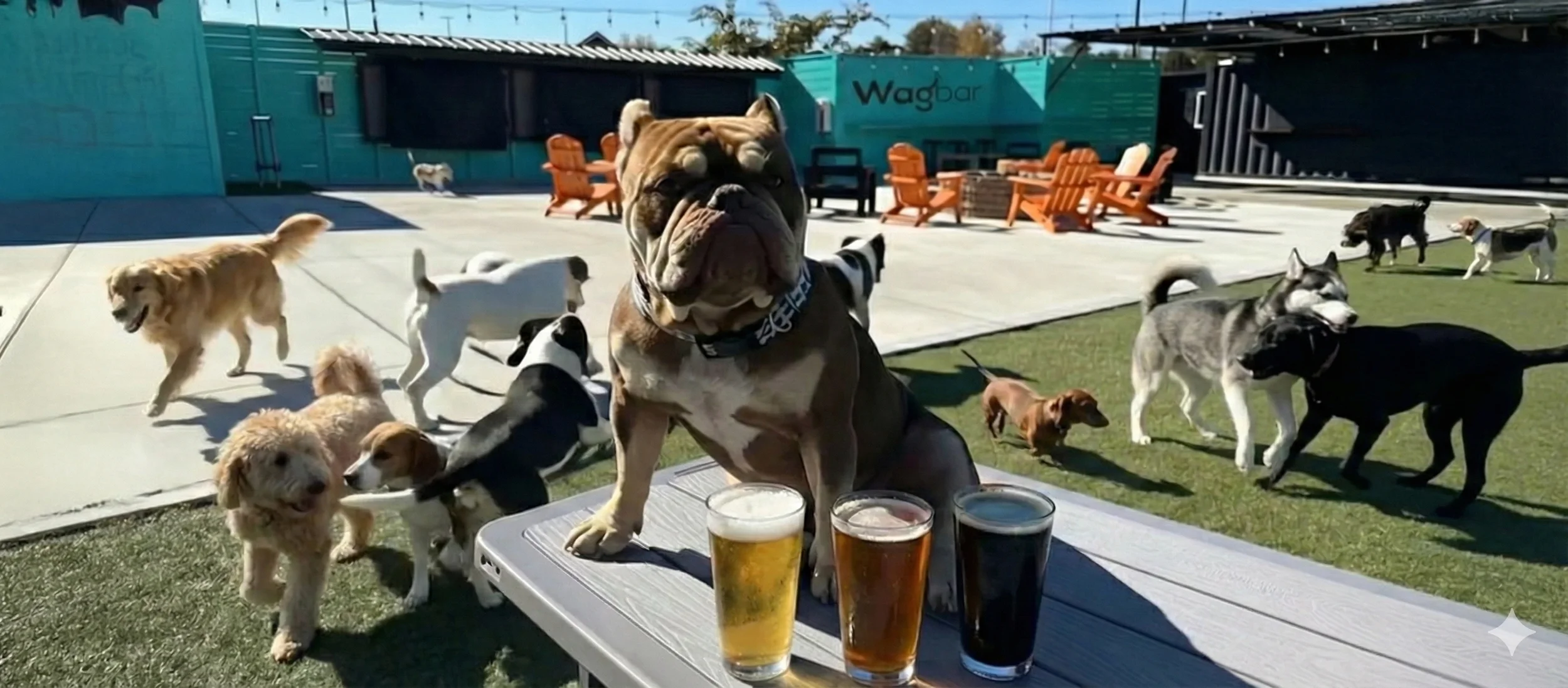
When Wagbar Knoxville opens in October 2025 at the former Creekside location on Malone Creek Drive, it will serve dogs and owners from across the entire metro area. But accessibility matters—what feels like a quick trip from one neighborhood might be a significant drive from another. This guide explores each major Knoxville neighborhood from a dog owner's perspective, covering everything from apartment pet policies and nearby parks to walking routes and, yes, how to get to Wagbar from wherever you call home. Whether you're in a downtown high-rise, a West Hills subdivision, or a South Knoxville bungalow, there's a dog-friendly life to be built in Knoxville—you just need to know where to look.
Understanding Knoxville's Neighborhood Geography
Before diving into specific neighborhoods, understanding Knoxville's basic layout helps you navigate the city and make sense of how different areas connect. Unlike cities built on a rigid grid, Knoxville grew organically around the Tennessee River, creating a somewhat confusing geography where neighborhoods don't always follow intuitive patterns.
The River as the Central Feature
The Tennessee River runs roughly southwest to northeast through Knoxville, serving as the primary geographic reference point. Downtown sits on the north side of the river, with South Knoxville occupying—unsurprisingly—the area south of the river. The river isn't just a line on a map; it creates real barriers and connections, with limited bridge crossings affecting how easily you move between north and south sections of the city.
For dog owners, the river matters because several excellent greenways follow its path, providing miles of paved walking and biking trails perfect for exercising dogs. The river also influences climate slightly—areas right along the river can be a few degrees cooler in summer, which matters when you're walking your dog in August heat. Understanding which neighborhoods have easy river access versus which require driving to reach waterfront areas helps you gauge outdoor recreation opportunities.
The Henley Street Bridge and the James White Parkway bridge provide the main connections between downtown and South Knoxville. Further east, Chapman Highway serves the same function. West of downtown, Neyland Drive runs along the river's north bank but doesn't cross it until you reach the Alcoa Highway interchange. These crossing points matter when planning routes—getting from, say, West Knoxville to South Knoxville often means driving through or around downtown rather than taking a direct route.
Directional Divisions and Major Corridors
Knoxville residents habitually reference directions—West Knoxville, North Knoxville, East Knoxville, South Knoxville, downtown. These aren't official city divisions but rather understood geographic areas that roughly correspond to major corridors radiating from downtown. Understanding these divisions helps you interpret real estate listings, follow local conversations, and navigate recommendations.
West Knoxville stretches along Kingston Pike (US-70) from downtown toward Farragut and beyond. This area includes everything from older neighborhoods near the University of Tennessee to newer suburban developments in Farragut. West Knoxville is generally more affluent, with newer construction, more retail and dining options, and typically higher property values. For dog owners, West Knoxville offers numerous parks, greenways, and pet-friendly businesses, though housing density varies significantly from urban apartments near campus to sprawling suburban lots.
North Knoxville encompasses areas north of downtown, stretching up Broadway and Central toward Fountain City and beyond. This area includes everything from historic neighborhoods like Old North Knoxville and Fourth and Gill to more suburban areas around Fountain City. North Knoxville has undergone significant revitalization in recent years, with formerly neglected neighborhoods seeing renovation and new development. Dog-friendly amenities vary widely depending on specific neighborhoods.
East Knoxville lies east of downtown along Magnolia Avenue and surrounding areas. Historically, East Knoxville has faced economic challenges and disinvestment, though recent years have brought renewed attention and development. Dog resources in East Knoxville remain more limited than other areas, though the situation is improving as the area evolves.
South Knoxville occupies everything south of the river, a large area that includes historic neighborhoods like Old Sevier, riverside areas along Chapman Highway, and suburban developments toward South Haven and beyond. South Knoxville offers excellent outdoor recreation opportunities, particularly along the river, and maintains a more laid-back, slightly bohemian character compared to West Knoxville's suburban polish.

Commute Considerations for Wagbar Access
Wagbar Knoxville's location in West Knoxville at 6729 Malone Creek Drive (the former Creekside venue) provides relatively easy access from most parts of Knoxville, though drive times vary significantly depending on where you're coming from. Understanding typical commute patterns helps you gauge how Wagbar fits into your routine.
From downtown Knoxville, expect roughly 15-20 minutes depending on traffic. Take Kingston Pike west, which becomes a busy commercial corridor through West Knoxville. Alternatively, I-40 west to Lovell Road provides a faster route during non-rush hours. From the University of Tennessee area, count on 10-15 minutes via Kingston Pike or Cumberland Avenue to Kingston Pike.
West Knoxville residents generally enjoy the shortest trips—neighborhoods around Bearden, Cedar Bluff, and West Hills sit within 5-15 minutes of the Wagbar location. Farragut residents can reach Wagbar in 10-15 minutes via Kingston Pike or Lovell Road. This proximity makes West Knoxville residents particularly well-positioned to become regular Wagbar visitors.
North Knoxville requires 20-30 minutes depending on your starting point and route. Downtown crossing is typically fastest—take Broadway or Central to downtown, then Kingston Pike west. During rush hour, expect longer times as downtown and Kingston Pike both experience significant congestion. Fountain City residents should plan for 25-30 minutes typically.
South Knoxville faces the longest commutes, generally 25-35 minutes. You must cross the river via Henley Street Bridge or Chapman Highway, navigate through or around downtown, then head west on Kingston Pike. Despite the distance, South Knoxville's outdoor recreation focus and dog-friendly culture create a demographic likely to appreciate what Wagbar offers enough to make the drive worthwhile, particularly for special occasions or weekly visits rather than daily trips.
East Knoxville sits roughly 25-30 minutes away via Magnolia Avenue to downtown, then Kingston Pike west. Like South Knoxville, the distance suggests Wagbar will serve as a destination worth planning around rather than a quick daily stop for East Knoxville residents.
Downtown Knoxville: Urban Dog Life
Downtown Knoxville has transformed dramatically over the past two decades, evolving from a somewhat empty urban core to a vibrant neighborhood where people actually live, work, and play. For dog owners, this urban revival creates both opportunities and challenges—abundant walkability and pet-friendly businesses balanced against limited green space and the realities of apartment living with dogs.
The Downtown Experience for Dogs
Living downtown with a dog means embracing urban life's constraints and advantages. You won't have a fenced backyard, but you'll have walkable access to restaurants, shops, and entertainment. Your dog won't run freely in your yard, but they'll experience constant socialization on busy sidewalks. Understanding how urban environments affect dogs helps you maximize benefits while managing challenges.
Market Square serves as downtown's living room, a large public plaza that hosts festivals, farmers markets, and everyday foot traffic. While dogs are welcome, they must remain leashed and under control in this high-traffic environment. The square offers excellent people-watching and socialization opportunities—your dog will encounter children, other dogs, street performers, and general urban chaos, providing real-world training opportunities you can't replicate in quieter settings.
Gay Street, downtown's main commercial corridor, welcomes leashed dogs at many businesses. Numerous restaurants offer dog-friendly patios where your pup can hang out while you eat. Coffee shops, boutiques, and other retail establishments often provide water bowls outside their doors. This dog-friendly culture makes downtown life with dogs genuinely pleasant, though summer heat on concrete requires planning walks for cooler morning and evening hours.
The urban environment's intensity benefits some dogs while overwhelming others. Confident, social dogs often thrive on constant stimulation and interaction. Anxious or reactive dogs might find downtown's relentless activity stressful. Evaluate your individual dog's temperament honestly when considering downtown living—forcing a nervous dog into an environment that terrifies them daily does neither of you any favors.
Downtown Housing Options for Dog Owners
Downtown Knoxville's residential options consist primarily of apartments and condos, with a few historic homes in surrounding neighborhoods like Fort Sanders and Old City. Pet policies vary widely, and understanding what to look for helps you find dog-friendly housing that actually works for your situation.
Most downtown apartments accept dogs but impose restrictions. Weight limits—typically 25-50 pounds—exclude many popular breeds. Some buildings limit the number of pets, require pet deposits and monthly pet rent (often $25-50 per month per pet), and maintain breed restrictions that typically include pit bulls, rottweilers, German shepherds, and other breeds deemed "aggressive." These restrictions, while common, can be negotiated in some cases, particularly in privately owned condos rather than corporate-managed apartments.
Buildings with particularly dog-friendly reputations include The Phoenix on the Knoxville waterfront, which offers direct greenway access, The Tennessean Hotel's residential floors, The Farragut in the Old City district, and Sterchi Lofts in the Warehouse District. These buildings often attract higher concentrations of dog owners, creating built-in communities of fellow dog people and making dog-friendly amenities more likely.
When evaluating downtown housing, consider factors beyond basic pet acceptance. Ground-floor units with direct outside access simplify frequent potty breaks, particularly for puppies or senior dogs. Buildings with elevators that aren't always crowded make getting outside faster and less stressful than waiting for packed elevators or climbing many flights of stairs multiple times daily. Proximity to green spaces and greenways reduces the distance you must walk on concrete before reaching grass. Nearby appropriate exercise areas become crucial when you don't have a yard.
The downtown rental market is competitive and relatively expensive compared to suburban options. Expect to pay premium prices for pet-friendly units, with one-bedroom apartments typically starting around $1,200-1,500 monthly before adding pet rent. Two-bedroom units in desirable buildings often exceed $2,000 monthly. These prices reflect downtown living's desirability overall, not just pet-friendly features, but they represent a significant cost consideration for dog owners.
Green Spaces and Walking Routes
Downtown's primary limitation for dogs is the shortage of natural green space. While sidewalk walking provides exercise and mental stimulation, dogs also need grass to sniff, places to eliminate comfortably, and ideally some space to move faster than sidewalk pace. Fortunately, several nearby options partially address this limitation.
The Knoxville waterfront and greenway system provide the best nearby green space. From downtown, walk south toward the river to access the paved greenway that runs along both banks. This multi-use trail accommodates walkers, runners, and cyclists, so keep dogs leashed and alert. The greenway offers miles of traffic-free walking with river views and spots where you can access grass and water. Many downtown dog owners make the greenway their primary exercise route.
World's Fair Park, about a half-mile west of Market Square, offers open lawns and paved paths around the iconic Sunsphere. While dogs must remain leashed, the park provides grass for play and elimination, benches for resting, and enough space that dogs can move at faster than sidewalk pace. The park hosts festivals and events where dogs are generally welcome, creating socialization opportunities.
Volunteer Landing, the small park at the south end of the Henley Street Bridge, provides riverside green space within walking distance of downtown. It's not large, but offers grass and access to the greenway. The area can be crowded during events at Volunteer Landing or when nearby apartments' residents are out, requiring dogs to navigate social situations calmly.
For downtown residents, accessing larger dog parks requires driving. The closest significant off-leash option will be Wagbar when it opens—about 15-20 minutes via Kingston Pike. Victor Ashe Park in West Knoxville (about 20 minutes) offers a fenced dog park. Tommy Schumpert Park on the South Waterfront (about 10 minutes) provides another fenced dog park option. These facilities become regular destinations for downtown dogs who need off-leash exercise and socialization opportunities their neighborhood doesn't provide.
Getting to Wagbar from Downtown

Downtown residents will find Wagbar readily accessible via Kingston Pike, making it viable for regular visits despite not being immediately walkable. Multiple route options provide flexibility based on traffic conditions and your specific downtown location.
The most direct route takes Kingston Pike west from downtown. Head west on Cumberland Avenue or Clinch Avenue (both one-way streets depending on direction), which becomes Kingston Pike. Continue west through UT campus and West Knoxville, with Wagbar appearing on your right at 6729 Malone Creek Drive. This route covers approximately 6-7 miles and takes 15-20 minutes in moderate traffic. Kingston Pike experiences significant congestion during morning and evening rush hours, when this trip might extend to 30 minutes.
An alternative route uses I-40 west to Lovell Road, then north on Lovell to Kingston Pike. This option is faster during heavy Kingston Pike traffic but adds distance—about 8-9 miles total. Take I-40 west from downtown (access via James White Parkway or Hall of Fame Drive), exit at Lovell Road (exit 378), turn left (north) onto Lovell, then right (east) onto Kingston Pike. Wagbar is approximately 1-2 miles east on Kingston Pike on your right. This route takes 15-25 minutes depending on interstate traffic.
Street parking exists at Wagbar, with a large lot accommodating visitors. You won't face downtown's parking challenges—no meters, no parking garages, just pull in and go. For downtown residents accustomed to parking hassles, this convenience is a genuine luxury.
Planning regular Wagbar visits from downtown works best when you bundle the trip with other West Knoxville errands or activities. Combine a Wagbar visit with grocery shopping at West Knoxville stores, dinner at Kingston Pike restaurants, or other activities that justify the drive. Many downtown dog owners make Wagbar a weekly ritual—perhaps Saturday morning after the farmers market, or Sunday afternoon as part of a weekly routine that includes a West Knoxville outing.
Downtown Dog Community and Resources
Despite limited green space, downtown hosts an active dog owner community. You'll encounter other dogs constantly on sidewalks, creating natural socialization opportunities and informal dog-owner networks. Many downtown residents know the regular dogs in their building or on their typical walking routes by name.
Three Rivers Market, Knoxville's downtown food co-op, welcomes leashed dogs and often has water bowls outside. While primarily a grocery store, it serves as a community gathering spot where you're likely to encounter other dog owners. The nearby Scruffy City Hall, a food hall concept, allows leashed dogs in outdoor seating areas.
Downtown pet supply is limited—PetSmart and Petco locations require driving to West Knoxville or other areas. However, several local boutiques sell dog supplies, treats, and accessories. Retail therapy with your dog is genuinely possible downtown, unlike in car-dependent suburban areas.
Veterinary care requires leaving downtown, as no full-service veterinary clinics operate in the immediate downtown area. Most downtown dog owners establish relationships with clinics in West Knoxville or other nearby neighborhoods. This typically isn't a problem for routine care, though emergencies requiring immediate transport add stress.
The downtown dog owner lifestyle differs significantly from suburban dog ownership. You walk more—everywhere, multiple times daily, in all weather. Your dog experiences constant socialization and environmental enrichment. Training matters more because your dog must behave impeccably in public constantly. But you also develop resilience, adaptability, and a dog who handles urban challenges confidently. For the right owner-dog match, downtown life offers rewarding experiences you can't replicate in quieter settings.
West Knoxville: Suburban Dog Paradise
West Knoxville represents Knoxville's suburban heart—a sprawling area of neighborhoods ranging from modest ranch homes to upscale developments, connected by Kingston Pike's commercial corridor. For dog owners, West Knoxville offers arguably the city's best combination of resources: ample parks and greenways, numerous pet-friendly businesses, and the shortest commute to Wagbar Knoxville's location.
The West Knoxville Lifestyle
West Knoxville neighborhoods vary in character but share certain commonalities—single-family homes with yards, subdivision-style development, car-dependent layouts, and relatively newer construction compared to older urban neighborhoods. This suburban context shapes dog ownership patterns significantly.
Most West Knoxville homes include fenced backyards, eliminating the constant leash-walking that downtown residents face. This convenience allows dogs to eliminate and exercise somewhat independently, reducing the time commitment that urban dog ownership demands. However, backyard-only exercise rarely provides sufficient physical activity or mental stimulation for most dogs—it's a tool, not a complete solution.
Neighborhoods often incorporate walking trails or connect to greenway systems, supporting a culture where walking dogs is part of daily routine rather than a chore requiring a drive elsewhere. Sidewalks exist in most newer developments, though older neighborhoods sometimes lack them. Community amenities frequently include dog-friendly features—many homeowners associations maintain small parks or green spaces where neighbors gather and dogs socialize informally.
The suburban context supports multi-dog households more readily than downtown apartments. With larger homes and yards, space constraints matter less. Two or three dogs don't strain resources the way they might in a one-bedroom apartment. This explains why West Knoxville tends to have higher rates of multiple-dog ownership compared to urban areas.
West Knoxville's dog culture leans heavily toward family-friendly breeds and conventional pet ownership. You'll encounter lots of Golden Retrievers, Labs, and similar breeds on walking paths and at parks. This isn't to say other dogs aren't welcome—just that the area's demographics and lifestyle tend toward traditional suburban family life where dogs are beloved family members but not necessarily the center of the household.
Key West Knoxville Neighborhoods for Dog Owners
West Knoxville encompasses dozens of distinct neighborhoods, each with its own character and advantages. Several areas particularly appeal to dog owners based on location, amenities, and overall pet-friendliness.
Bearden sits just west of the University of Tennessee campus, straddling Kingston Pike and featuring a mix of older homes and newer townhomes and apartments. Bearden offers the best of both worlds—suburban conveniences without being far from urban amenities. The area includes Bearden Beer Market and numerous other dog-friendly dining options along Kingston Pike. Bearden Village provides walkable shopping and restaurants. Sutherland Avenue, running parallel to Kingston Pike, offers a quieter alternative for dog walking.
Sequoyah Hills is an affluent neighborhood between downtown and West Knoxville proper, known for large historic homes on tree-lined streets near the river. Cherokee Boulevard runs through the neighborhood along the river, providing miles of popular dog-walking route with river views. The neighborhood's mature trees offer shade in summer—a genuine advantage for hot-weather dog walking. Sidewalks and low-speed residential streets create safe walking conditions. Property values here are among Knoxville's highest.
Cedar Bluff represents newer suburban development further west, featuring commercial development along Cedar Bluff Road and residential neighborhoods branching off main corridors. The area offers convenient access to retail, dining, and services including major pet stores like PetSmart and Petco. Turkey Creek, a large retail development nearby, includes pet-friendly outdoor areas. Cedar Bluff is close to Wagbar—literally 5-10 minutes depending on your specific location—making it perhaps the most convenient neighborhood for regular Wagbar visits.
Farragut sits at West Knoxville's western edge, incorporating both town limits and surrounding Knox County areas. Farragut offers more land and larger lots than closer-in neighborhoods while maintaining good schools and low crime rates. The town maintains excellent parks including Campbell Station Park with extensive greenway trails. The area feels more rural than other West Knoxville neighborhoods despite suburban infrastructure. Commute times to downtown increase compared to closer neighborhoods, but Wagbar remains accessible in 10-15 minutes.
West Hills and Bradshaw sit north of Kingston Pike, featuring mature neighborhoods with established trees, good schools, and stable property values. These areas combine 1960s-70s ranch homes with newer construction on previously undeveloped parcels. Carl Cowan Park and Concord Park provide neighborhood green space. The area offers true neighborhood feel—residents walk regularly, kids play outside, and the pace feels less hectic than newer developments.
Parks, Trails, and Green Spaces
West Knoxville's abundance of parks and greenways constitutes perhaps its greatest advantage for dog owners. Unlike downtown's limited green space or some neighborhoods' complete lack of walking infrastructure, West Knoxville offers numerous options for exercising dogs and enjoying outdoor time together.
Victor Ashe Park at 4901 Bradshaw Road provides one of Knoxville's largest and most popular dog parks. The fenced off-leash area includes separate sections for large and small dogs, with gravel and grass surfaces, shade structures, benches, and waste stations. The park also offers paved walking trails around a lake, playgrounds, and sports facilities. Victor Ashe is free to access—no membership required, though donations support maintenance. The park attracts regular crowds of dog owners, creating an informal community and providing excellent socialization opportunities.
Concord Park at 11808 South Northshore Drive offers extensive greenway trails following the shoreline of Fort Loudoun Lake. The paved trail system connects to the larger Knoxville greenway network, providing miles of waterfront walking. While dogs must remain leashed on greenways, the traffic-free environment and beautiful scenery make this a favorite for dog walkers. The park includes picnic areas and boat ramps, attracting diverse users.
Carl Cowan Park at 10058 South Northshore Drive provides another greenway access point plus neighborhood park amenities. The greenway connection allows walking all the way to Concord Park and beyond—serious distance for dogs who need major exercise. Shade and water access along the route support hot-weather walking.
Turkey Creek Greenway follows Turkey Creek through commercial and residential areas, offering nearly 3 miles of paved trail. Multiple access points allow choosing your distance. The trail provides easier terrain than hillier greenways—good for older dogs or owners with mobility limitations. Being in a more developed area, the trail sees heavy foot traffic, particularly near retail centers, creating both socialization opportunities and navigation challenges when crowded.
Third Creek Greenway connects the University of Tennessee to West Knoxville, following Third Creek for approximately 4 miles. This urban greenway sees heavy use by students, residents, and commuters. Multiple entry points provide access from various neighborhoods. The trail connects to UT's campus and eventually downtown, allowing ambitious walkers to cover significant distance.
Private neighborhood parks supplement public options throughout West Knoxville. Many subdivisions maintain common areas, though access is typically limited to residents. These spaces provide convenient nearby walking routes and informal socialization spots where neighbors' dogs regularly interact.
Pet-Friendly Businesses and Services
West Knoxville's commercial corridors, particularly Kingston Pike, host numerous pet-friendly businesses and services—far more than other Knoxville areas outside downtown. This concentration reflects the area's demographics and makes meeting your dog's needs convenient.
Major pet supply retailers cluster in West Knoxville. PetSmart and Petco locations on Kingston Pike provide one-stop shopping for food, supplies, training classes, and grooming services. Tractor Supply on Kingston Pike offers farm and pet supplies with more outdoor/working dog focus. Feed & Seed stores in Farragut cater to rural-adjacent residents with working dogs or livestock guardians.
Local pet boutiques offer more curated selections and personalized service. Three Dog Bakery in Bearden specializes in dog treats and gifts. Various independent pet supply shops in West Town Mall and Turkey Creek provide alternatives to big-box stores. While prices run higher than chains, the service and unique products appeal to many West Knoxville dog owners.
Veterinary clinics are plentiful throughout West Knoxville. Kingston Pike Veterinary Hospital, Cedar Bluff Animal Hospital, All Creatures Animal Hospital, Bluegrass Veterinary Hospital, and numerous others provide comprehensive care. The concentration of clinics creates competition that keeps prices reasonable while driving quality upward. Emergency veterinary care is available at BluePearl Pet Hospital on Kingston Pike, operating 24/7 for urgent situations.
Grooming services range from mobile groomers who come to your home to high-end salons offering spa treatments. PetSmart and Petco provide basic grooming at standard chain pricing. Independent groomers throughout West Knoxville offer varying levels of service and specialization—some focus on specific breeds, others on nervous dogs, others on show grooming. This variety means finding a groomer who truly fits your dog's needs is usually possible.
Training facilities concentrate in West Knoxville as well. Multiple trainers offer private lessons and group classes in basic obedience, advanced skills, and behavior modification. The area will soon include Wagbar's unique off-leash socialization environment, filling a gap that traditional training facilities and dog parks only partially address.
Dog-friendly dining options line Kingston Pike and branching corridors. Downtown West restaurants like Alliance Brewing and Crafty Bastard Brewery welcome dogs on patios. Bearden Beer Market specifically encourages bringing dogs while enjoying craft beer. Many restaurants with outdoor seating accommodate dogs, though calling ahead confirms current policies. This dining culture makes including your dog in social activities genuinely feasible rather than requiring constant separation.
Accessing Wagbar from West Knoxville Neighborhoods
West Knoxville residents enjoy the shortest and easiest commutes to Wagbar Knoxville, making regular visits practical even for busy schedules. From most West Knoxville neighborhoods, reaching Wagbar requires just a quick drive of 5-15 minutes.
From Bearden, take Kingston Pike west approximately 3-4 miles. Wagbar sits on the right at 6729 Malone Creek Drive just past the intersection with Lovell Road. Drive time is typically 5-10 minutes. This proximity makes Wagbar an easy addition to daily routines—stop by on the way home from work, make it part of weekend morning rituals, or visit multiple times weekly without significant time commitment.
Cedar Bluff and surrounding neighborhoods sit even closer—literally 5 minutes or less from Wagbar. Head east on Kingston Pike just past the Cedar Bluff Road intersection, and you're essentially there. This immediate proximity makes Cedar Bluff perhaps the single best neighborhood for maximizing Wagbar membership benefits, as you can visit briefly for an hour or two without half your time spent driving.
Farragut residents travel slightly farther but still reach Wagbar easily—typically 10-15 minutes via Kingston Pike heading east toward Knoxville. The drive follows a major commercial corridor with plenty of traffic lights, so actual time varies based on traffic conditions. Many Farragut residents already make Kingston Pike trips regularly for shopping and services, so adding a Wagbar stop to existing errands makes the visit essentially free in terms of time cost.
West Hills and Bradshaw neighborhoods access Kingston Pike within minutes, placing Wagbar about 10-15 minutes away via Lovell Road or Northshore Drive to Kingston Pike. Multiple route options provide flexibility—if Kingston Pike traffic is heavy, Northshore Drive offers a more scenic and often faster alternative. These neighborhoods' combination of quiet residential character and easy Wagbar access makes them particularly attractive for serious dog owners who value both peaceful home environments and convenient access to dog-friendly amenities.
Sequoyah Hills residents face slightly longer trips—perhaps 15-20 minutes—as they must first navigate to Kingston Pike through residential streets, then head west. However, the neighborhood's walkability and local amenities mean dogs get substantial exercise and stimulation from neighborhood walks, making regular Wagbar visits supplement rather than provide all socialization and exercise needs.
Parking at Wagbar eliminates the headaches West Knoxville residents face at popular urban destinations. You won't circle looking for spaces or feed meters—just pull into the lot and walk in. This convenience, combined with short drive times, makes Wagbar visits feel easy and accessible rather than requiring significant advance planning or time commitment.

North Knoxville: Historic Character and Revival
North Knoxville encompasses a diverse area stretching north from downtown through historic neighborhoods toward Fountain City and beyond. Once Knoxville's industrial heart, North Knoxville has experienced significant revitalization in recent years, with historic homes being renovated, new businesses opening, and young families moving into neighborhoods that were recently overlooked. For dog owners, North Knoxville offers a mix of walkable historic neighborhoods with character and charm, though dog-specific amenities remain more limited than West Knoxville or downtown.
North Knoxville Neighborhoods Worth Knowing
North Knoxville isn't one homogeneous area but rather a collection of distinct neighborhoods, each with different character, demographics, and dog-friendliness. Understanding these distinctions helps you evaluate whether North Knoxville matches your lifestyle.
Fourth and Gill represents one of Knoxville's most successfully revitalized neighborhoods. Just north of downtown, this historic district features Victorian homes on tree-lined streets, with a strong sense of community and active neighborhood association. Residents walk regularly—both for recreation and to reach nearby businesses and downtown. The neighborhood's density and sidewalked streets create natural socialization opportunities for dogs and owners. Fourth and Gill hosts neighborhood events including a popular progressive dinner, art walks, and other gatherings where dogs are typically welcome.
Old North Knoxville encompasses the area north of downtown around Broadway, including neighborhoods like Emory Place and surrounding blocks. This area has seen significant investment and renovation in recent years, with historic homes being restored and new restaurants and businesses opening. The neighborhood's walkability and proximity to downtown appeal to dog owners who want historic character without suburban sprawl. Old North Knoxville Neighborhood Association actively promotes the area and organizes community events.
Parkridge sits east of Broadway, featuring a mix of renovated historic homes and properties still awaiting investment. The neighborhood has gentrified significantly over the past decade, attracting younger buyers seeking affordable housing with character. Parkridge offers tree-lined streets and sidewalks supporting dog walking, though some areas still have vacant lots and properties in disrepair. The neighborhood is transitioning, which means both opportunity and inconsistency in terms of amenities and safety.
Fountain City lies further north, a somewhat separate community that was historically an independent town before being annexed by Knoxville. Fountain City maintains its own identity, with older suburban neighborhoods, commercial corridors along Broadway, and true neighborhood feel where residents know each other. For dog owners, Fountain City offers mid-century homes with yards at more affordable prices than trendy closer-in neighborhoods, though you sacrifice walkability and proximity to downtown and West Knoxville amenities. The area feels more like traditional American suburbs than urban neighborhoods.
Inskip and surrounding neighborhoods occupy the northwest section, featuring primarily 1950s-70s ranch homes on established lots with mature trees. These neighborhoods offer affordable housing with yards, though walkability varies—many streets lack sidewalks, and commercial amenities require driving. Dogs benefit from yards and generally quiet streets, but owners must drive to access parks, greenways, and most services.
Walking Routes and Green Space
North Knoxville's green spaces are more scattered than West Knoxville's abundant parks but include several notable options. The area's historic neighborhoods provide pleasant walking routes even where formal parks are limited—tree-lined streets with sidewalks and lower traffic volumes create enjoyable environments for leashed walks.
Tyson Park at 2351 Prosser Road offers North Knoxville's primary dog park—a fenced off-leash area with separate sections for large and small dogs. The facility provides standard amenities including water stations, waste bags, and benches. While not as large or elaborate as Victor Ashe Park in West Knoxville, Tyson Park serves its community well and attracts regular crowds of North Knoxville dog owners. The park also includes sports fields, playgrounds, and walking paths for leashed dogs.
Whittle Springs Park at 6001 Tazewell Pike provides extensive grounds including walking trails, though dogs must remain leashed throughout. The park's size supports longer walks, and the hilly terrain provides good exercise for both dogs and owners. Whittle Springs hosts community events and includes tennis courts, disc golf, and other amenities making it a true multi-use facility.
Sharp's Ridge Memorial Park sits atop Sharp's Ridge north of downtown, offering panoramic city views and trails through wooded areas. Dogs on leash can enjoy the trails and viewpoints. The park's elevation provides cooler temperatures in summer—a real advantage during July and August. Sharp's Ridge also includes a dog park within the larger park boundaries, though it's smaller than Tyson Park. The combination of trails and dog park makes Sharp's Ridge a destination for North Knoxville dog owners seeking variety.
Broadway corridor itself functions as a walking route through North Knoxville, connecting neighborhoods and providing access to businesses. While not specifically designed for recreation, the street's sidewalks and urban-to-suburban character make it navigable with dogs. You'll encounter other pedestrians, street life, and storefronts—urban walking experience rather than natural environment exercise.
Historic neighborhoods' residential streets often provide the best everyday walking routes. Fourth and Gill, Old North Knoxville, and similar areas feature intact sidewalk networks, lower vehicle speeds, and neighbors who also walk regularly. These informal routes cost nothing, require no driving to access, and integrate exercise into daily life naturally. Many North Knoxville dog owners walk their neighborhoods extensively, discovering new routes and favorite loops that provide variety without driving elsewhere.
North Knoxville Dog Community and Resources
North Knoxville's dog owner community feels more neighborhood-based than West Knoxville's amenity-based networks. You develop relationships with people you encounter walking the same routes regularly, whose dogs play with yours at Tyson Park, or who you see at neighborhood events. This organic community-building differs from the more transactional relationships that can develop at commercial dog facilities.
Pet supply shopping requires leaving most North Knoxville neighborhoods to access chain stores in West Knoxville or other areas. However, Fountain City includes a Tractor Supply location for basic supplies. Broadway includes some businesses that cater to pet owners, though selection is more limited than Kingston Pike's concentration of pet-specific retailers.
Veterinary care in North Knoxville includes several established clinics serving the area. Fountain City Animal Hospital, North Hills Veterinary Clinic, and others provide comprehensive care closer to home than driving to West Knoxville. These clinics often have more personal relationships with clients compared to high-volume urban practices—the same veterinarian sees your pet over years, learning their history and personality.
Grooming and training services exist but less abundantly than West Knoxville. You'll find several groomers operating from home-based businesses or small commercial spaces, often by appointment rather than walk-in. Training classes may require driving to West Knoxville or other areas, though some trainers offer in-home private lessons throughout North Knoxville.
Dog-friendly dining remains limited compared to downtown or West Knoxville. Some restaurants along Broadway accommodate dogs on patios, and Fountain City includes a few pet-welcoming establishments, but you won't find the same concentration of options. Many North Knoxville dog owners either leave dogs at home when dining out or travel to areas with more pet-friendly restaurants.
Getting to Wagbar from North Knoxville
North Knoxville residents face moderate drive times to Wagbar—typically 20-30 minutes depending on your starting neighborhood and route selected. While not immediately convenient like Cedar Bluff's 5-minute access, the drive remains reasonable enough to support regular visits for dog owners who value what Wagbar offers.
From Fourth and Gill or Old North Knoxville, head south to downtown via Broadway or Central Avenue, then west on Cumberland Avenue which becomes Kingston Pike. Continue west through UT campus and West Knoxville to Wagbar at 6729 Malone Creek Drive. Distance is approximately 7-8 miles, taking 20-25 minutes in moderate traffic. Rush hour congestion through downtown and on Kingston Pike can extend this to 30-40 minutes.
Fountain City residents have similar timing but different routes. Take Broadway south toward downtown, or use I-640 to I-40 west for a faster highway route. I-640 to I-40 to Lovell Road exit, then north to Kingston Pike and east to Wagbar covers about 10-12 miles in 25-30 minutes typically. This route avoids downtown congestion but adds highway distance.
Alternative routes using surface streets like Middlebrook Pike provide options for avoiding highway driving, though these generally take longer due to traffic lights and lower speed limits. Experiment with different routes to find your preference based on time of day, traffic patterns, and whether you prefer highway versus surface street driving.
The 20-30 minute drive time positions Wagbar as a planned destination for North Knoxville residents rather than a quick daily drop-in. Think of Wagbar visits as outings—perhaps a Saturday morning ritual where you allow 1-2 hours for your dog to play, plus travel time. Or incorporate Wagbar into other West Knoxville errands, visiting after appointments or shopping in that area.
Many North Knoxville residents already make regular West Knoxville trips for shopping, services, or work commutes. If you're driving to West Knoxville anyway, adding a Wagbar stop to the trip creates minimal additional time cost. This bundling of activities makes sense especially for dog owners whose dogs need socialization and exercise beyond what's available in their immediate neighborhood.
South Knoxville: Riverside Adventures and Bohemian Charm
South Knoxville sprawls across the area south of the Tennessee River, encompassing everything from historic neighborhoods near the Chapman Highway bridge to suburban developments stretching toward Seymour and beyond. The area maintains a distinct identity—more laid-back than West Knoxville, more bohemian than suburban North Knoxville, with strong outdoor recreation focus and genuine neighborhood character. For dog owners, South Knoxville offers excellent access to greenways and riverside trails, an active dog-owning culture, and a community that embraces dogs as legitimate members of the family.
South Knoxville Character and Culture
South Knoxville resisted the rapid commercial development that transformed West Knoxville, maintaining more of its historic small-town character. The area includes no major shopping malls or extensive commercial corridors—instead, you'll find local businesses, neighborhood establishments, and pockets of commercial activity serving residents rather than attracting shoppers from across the region. This creates a more authentic, less corporate feeling that many residents specifically seek.
The South Knoxville dog-owning community leans toward outdoor-oriented, active lifestyles. You'll encounter lots of dogs on greenways, at parks, and at outdoor establishments. Dog ownership here often centers on shared activities—hiking, paddling, trail running—rather than just having a pet. This aligns with South Knoxville's overall character as a neighborhood that attracts people seeking outdoor recreation access and active lifestyles.
Historic neighborhoods like Old Sevier feature renovated bungalows and smaller homes on walkable streets, attracting younger buyers and renters seeking affordable housing with character near downtown. These neighborhoods support dog ownership well—sidewalks exist, neighbors walk regularly, and community feeling encourages informal interactions among dog owners. Properties typically include yards but not the extensive lots common in newer suburban developments.
Further south and southeast, neighborhoods become more suburban—larger lots, newer construction, less urban density. These areas offer the advantage of space and yards combined with South Knoxville's outdoor recreation access. However, walkability decreases and the car-dependent suburban lifestyle becomes necessary. Dogs benefit from yards and quieter streets but miss the constant socialization and activity of denser neighborhoods.
Chapman Highway serves as South Knoxville's main commercial corridor, running from the river south toward Seymour. While not as built-up as Kingston Pike in West Knoxville, Chapman Highway includes businesses serving South Knoxville residents including some pet-friendly establishments and services. The corridor also provides the main route for accessing many of South Knoxville's neighborhoods and parks.
The South Waterfront and Greenway Network
South Knoxville's greatest asset for dog owners is unquestionably its riverside location and greenway access. The area includes several excellent facilities specifically designed for waterfront recreation, all welcoming leashed dogs and providing the kind of outdoor experiences that dog owners dream about.
South Knoxville Waterfront along Sevier Avenue includes Suttree Landing Park and continuous greenway paths along the river. This area has developed significantly in recent years, with new businesses, restaurants, and residential developments complementing improved waterfront access. The greenway provides miles of paved, traffic-free walking with river views. Multiple access points allow choosing your route and distance. The area attracts heavy usage by walkers, runners, and cyclists—expect to navigate around other users, especially on pleasant evenings and weekends.
Tommy Schumpert Park at 2101 Wimpole Avenue offers South Knoxville's primary dog park—a fenced off-leash area on the waterfront with spectacular river views. The park includes separate areas for large and small dogs, with gravel and grass surfaces, shade structures, and water stations. Being directly on the greenway means you can combine off-leash dog park time with walks along the river. The setting is genuinely beautiful—dogs playing with the river and city skyline as backdrop.
Island Home Park at 1820 Island Home Avenue provides another waterfront access point with open fields, river access, and greenway connections. While dogs must remain leashed except in designated areas, the park's size supports vigorous exercise. The greenway continues in both directions from the park, allowing walks of varying length. Island Home Park also hosts community events where dogs are typically welcome.
Will Skelton Greenway follows Third Creek from South Knoxville north toward the river and beyond, connecting to the larger greenway system. This trail provides a quieter alternative to the heavily-used riverfront paths, with more tree cover and less intense user traffic. Multiple neighborhoods connect to the greenway, making it accessible from various starting points.
The Urban Wilderness initiative, while primarily located in South Knoxville, provides extensive trail systems through former industrial lands being converted to recreational use. These trails range from easy paved paths to challenging mountain bike routes. Dogs on leash are welcome on most trails, creating opportunities for genuine nature experiences within city limits. The Urban Wilderness represents perhaps the most exciting development for outdoor-oriented dog owners in Knoxville—hundreds of acres of trail systems for exploring with your dog.
South Knoxville Neighborhoods for Dog Owners
South Knoxville encompasses diverse neighborhoods, each offering different advantages for dog owners. Understanding these areas helps you evaluate whether South Knoxville matches your needs.
Old Sevier clusters around Sevier Avenue near the river, featuring historic homes on walkable streets close to waterfront amenities. The neighborhood has gentrified significantly, with rising property values reflecting desirability. Old Sevier offers the best urban walkability south of the river combined with immediate greenway access. Restaurants and businesses along Sevier Avenue create a neighborhood feel where you can walk to coffee, dinner, or drinks—urban convenience in South Knoxville context.
South Haven lies southeast of downtown along Chapman Highway toward Seymour. This large suburban area includes numerous subdivisions from various decades, ranging from 1960s ranch homes to new construction. South Haven neighborhoods typically include yards, quieter streets, and more space compared to closer-in areas. However, walkability decreases and amenities require driving. For dog owners seeking affordable housing with yards and easy commutes to Oak Ridge or South Knoxville employment centers, South Haven makes sense, though you'll drive to access most dog-specific amenities.
Vestal occupies the area between Chapman Highway and Alcoa Highway, including residential neighborhoods around Vestal Elementary. The area combines older homes with newer construction, offering variety in price points and property types. Vestal provides reasonable access to both South Knoxville's greenways and West Knoxville's commercial amenities via Alcoa Highway. For dogs, Vestal means yards and residential streets for walking, though you'll drive to reach dog parks and major trails.
Island Home centers around Island Home Avenue and surrounding streets, historically an island that was connected to the mainland as the river was modified. The neighborhood maintains some separation from other South Knoxville areas, creating distinct community identity. Island Home Park provides immediate recreation access, and the neighborhood's streets support pleasant walking. The area includes mix of historic and renovated homes attracting buyers seeking South Knoxville character at various price points.
South Knoxville Dog Resources and Community
South Knoxville's dog owner community feels more organic and outdoors-focused compared to West Knoxville's amenity-rich network. You meet fellow dog owners on greenways, at Tommy Schumpert dog park, and on Urban Wilderness trails. The community bonds over shared experiences—comparing favorite trails, discussing best times to avoid crowds, sharing tips for managing dogs on challenging terrain.
Pet supplies require travel to West Knoxville or other areas for major stores, though small independent retailers exist along Chapman Highway and in other South Knoxville commercial clusters. Many South Knoxville dog owners order supplies online or make periodic trips to West Knoxville stores rather than having immediate convenient access.
Veterinary care includes South Knoxville Animal Hospital and other clinics serving the area. These tend toward smaller, more personal practices compared to large West Knoxville clinics. Many South Knoxville residents appreciate this personal touch—the same vet who sees your dog for routine care also handles emergencies and knows your pet's complete history.
Grooming and training services are more limited than West Knoxville but exist. Several groomers operate in South Knoxville, often as smaller businesses rather than large salons. Training classes may require driving to other areas, though some trainers offer private in-home sessions throughout South Knoxville. The smaller pool of options means less competition but also closer relationships with service providers you do use.
Dog-friendly dining has expanded significantly along Sevier Avenue and the South Waterfront. Alliance Brewing Company's Sevier Avenue location welcomes dogs on their patio. JC Holdway and other establishments along the waterfront accommodate dogs in outdoor seating areas. Downtown West has created a dog-friendly restaurant cluster. While options remain fewer than West Knoxville or downtown proper, the situation has improved dramatically in recent years as South Knoxville's dining scene has developed.
Reaching Wagbar from South Knoxville
South Knoxville residents face the longest drive times to Wagbar—typically 25-35 minutes depending on starting location and route. This distance positions Wagbar as more of a destination than a quick convenient stop, requiring more intentional planning for visits. However, for South Knoxville dog owners who value off-leash socialization and are willing to make the drive, Wagbar offers experiences that supplement rather than replace the excellent greenway and trail access South Knoxville already provides.
From Old Sevier and the South Waterfront, take Henley Street Bridge north across the river into downtown, then west on Cumberland Avenue which becomes Kingston Pike. Continue through UT campus and West Knoxville to Wagbar at 6729 Malone Creek Drive on your right. Distance covers approximately 8-10 miles, taking 25-30 minutes in moderate traffic. Downtown and Kingston Pike congestion during rush hours can extend this to 40-45 minutes.
From South Haven and southeastern neighborhoods, use Chapman Highway north to James White Parkway or Henley Street, cross the river, then west to Kingston Pike and Wagbar. Alternatively, take Chapman Highway to Alcoa Highway north, which becomes James White Parkway leading to downtown and then Kingston Pike west. These routes cover 10-12 miles, typically taking 30-35 minutes.
Highway route alternatives include taking Chapman Highway to I-40 west (via Alcoa Highway interchange), then Lovell Road exit north to Kingston Pike and east to Wagbar. This route avoids downtown entirely but adds distance—about 12-14 miles taking 30-40 minutes depending on interstate traffic. Some South Knoxville residents prefer this route during rush hours when downtown congestion is heavy.
The 25-35 minute drive time means South Knoxville dog owners likely visit Wagbar less frequently than West Knoxville residents but may stay longer per visit—making the trip worthwhile means allowing sufficient time for your dog to thoroughly enjoy the experience. Weekly or twice-monthly visits work better than daily expectations. Combining Wagbar trips with other West Knoxville activities (shopping, appointments, dining) makes the drive serve multiple purposes, reducing the time cost.
For South Knoxville residents, understanding your dog's socialization needs helps determine whether regular Wagbar visits justify the drive. Dogs who adore playing with other dogs and struggle to find appropriate playmates locally benefit enormously from dedicated facilities. Dogs who prefer human interaction or solo activities may be equally well served by South Knoxville's abundant trails and outdoor spaces without requiring the Wagbar drive.
University Area and Fort Sanders: Student Life with Dogs
The University of Tennessee campus and surrounding neighborhoods create a unique micro-environment where young adults, many living away from home for the first time, navigate college life sometimes with dogs in tow. While student dog ownership presents challenges in housing, finances, and time management, the area's walkability, youth culture, and proximity to both downtown and West Knoxville amenities make it workable for dedicated student dog owners.
Student Dog Ownership Realities
Bringing a dog to college requires realistic assessment of whether you can meet a dog's needs while managing academic demands, social life, and typically limited finances. Many students underestimate the time commitment, assuming they can squeeze dog care around classes and studying. Others recognize the responsibility and successfully integrate dog ownership into college life, finding that dogs provide stress relief, routine, and companionship during challenging academic years.
Housing restrictions pose the biggest obstacle. Most UT dormitories prohibit pets entirely, with emotional support animals requiring documentation and approval. This forces students to live off-campus if bringing dogs, which typically means higher costs and longer commutes to campus. Many Fort Sanders apartments accept dogs but impose weight limits, breed restrictions, pet deposits, and monthly pet rent that strain student budgets.
Time management becomes critical. Dogs need walks multiple times daily, feeding on schedule, veterinary care, and attention—responsibilities that don't pause during finals week or when you want to attend social events. Students who successfully manage dog ownership typically have structured routines, backup plans for when they're busy, and realistic expectations about how dogs fit into college life.
Financial considerations matter too. Food, supplies, veterinary care, and emergency expenses add up. Students often work part-time jobs while attending school, and limited income must cover rent, food, tuition, and dog expenses. Unexpected veterinary bills can devastate tight student budgets. Successful student dog owners typically have some financial cushion or family support for emergency situations.
The upside? Dogs provide stress relief during exam periods, encourage healthy routine and structure, give students reasons to leave their apartments and explore Knoxville, and create social connections with other dog owners. For students struggling with depression, anxiety, or homesickness, dogs can be genuinely therapeutic. The key is being honest about whether you can provide what a dog needs rather than focusing solely on what a dog can provide for you.
Fort Sanders and Campus Periphery
Fort Sanders, the primary neighborhood adjacent to UT campus, consists largely of older homes converted to student apartments, purpose-built student housing, and a few remaining single-family residences. The neighborhood's character reflects its student population—transient, often crowded, with varying maintenance levels and limited long-term investment in properties.
For dogs, Fort Sanders offers walkability—sidewalks connect the entire neighborhood, and the grid layout makes navigation simple. Cumberland Avenue forms the neighborhood's main commercial corridor, with restaurants, bars, and shops frequented by students. Many establishments have outdoor seating where dogs are tolerated if not explicitly welcomed.
Green space within Fort Sanders itself is limited. The neighborhood is densely built with little undeveloped land. However, UT's campus abounds with lawns, walking paths, and green space—all accessible to Fort Sanders residents willing to walk a few blocks. Campus provides excellent dog walking territory, though crowded class-change times require navigating around masses of students. Summer months, when campus population drops, offer particularly pleasant dog walking on campus grounds.
The Fort Sanders dog owner community consists primarily of students, creating informal networks among buildings and blocks. Students whose dogs are friends often coordinate play dates, share dog-sitting when traveling home for breaks, and exchange information about pet-friendly landlords and dog resources. These connections often develop organically through encountering the same dogs repeatedly in the neighborhood.
Pet supplies require leaving the immediate area—the closest PetSmart and Petco locations sit in West Knoxville. Many students order supplies online for convenience and delivered-to-door ease. Veterinary care also requires traveling to nearby neighborhoods, as Fort Sanders itself includes no veterinary clinics. University Veterinary Hospital in North Knoxville and various West Knoxville clinics serve student dog owners.
University Area Housing Options
Off-campus housing options range from traditional Fort Sanders apartments to newer student-oriented complexes further from campus. Pet policies vary dramatically, making research essential when apartment hunting with a dog.
Traditional Fort Sanders housing—older homes divided into apartments—offers the most flexible pet policies in some ways. Individual landlords set their own rules, and many allow dogs with appropriate deposits and pet rent. However, these properties often lack amenities like dog washing stations, and maintenance can be inconsistent. Yards are typically shared among multiple units or nonexistent, requiring students to walk dogs for all elimination needs.
Newer student housing complexes advertise pet-friendly amenities but often impose strict restrictions. You'll encounter weight limits (commonly 25-50 pounds), breed restrictions excluding pit bulls and other breeds deemed "aggressive," limits on the number of pets, and required pet deposits plus monthly pet rent (often $25-50 per pet per month). These buildings may include dog washing stations and small pet areas, but outdoor space is limited.
Properties slightly further from campus—along Cumberland Avenue toward West Knoxville or in surrounding neighborhoods like Mechanicsville—sometimes offer better dog-owning situations. These areas include more traditional apartments catering to non-student renters, with more professional management and sometimes more reasonable pet policies. The tradeoff is slightly longer walks or drives to campus.
When evaluating student housing with dogs, consider ground-floor units (easier for frequent potty breaks), proximity to green space for walking, whether roommates are comfortable with dogs, parking availability if you drive, and realistic assessment of whether the space accommodates both your needs and your dog's. A studio apartment might work for a student alone but become cramped adding a medium or large dog.
Getting to Wagbar from the University Area
University area and Fort Sanders residents benefit from relatively short drives to Wagbar—typically 10-15 minutes via Cumberland Avenue to Kingston Pike. This accessibility makes Wagbar feasible for students with cars and schedule flexibility, though the membership costs may strain student budgets.
From Fort Sanders, head west on Cumberland Avenue, which becomes Kingston Pike after passing through the UT campus. Continue west on Kingston Pike approximately 4-5 miles to Wagbar at 6729 Malone Creek Drive on the right. The drive covers about 5-6 miles total and takes 10-15 minutes in moderate traffic. During rush hours, particularly when classes change and Cumberland Avenue becomes congested, expect 15-20 minutes.
For students without cars, reaching Wagbar presents challenges. Knoxville's public transit doesn't provide convenient access to the Malone Creek Drive area. Ride-sharing services like Uber or Lyft work but add cost—round-trip fares from Fort Sanders to Wagbar would likely run $30-40, which quickly becomes prohibitive for regular visits. Students with reliable access to vehicles (their own or roommates') find Wagbar much more accessible.
Student Wagbar membership decisions should weigh cost versus usage frequency. Annual or monthly memberships make sense only if visiting regularly. Day passes work better for occasional visits—perhaps once or twice monthly when schedule and budget allow. Some students might split membership costs with roommates who also have dogs, sharing access and coordinating visits.
The ideal student Wagbar scenario involves coordinating visits with other student dog owners—carpool to split gas costs, let dogs play together, share the experience. This social approach both reduces costs and creates community among student dog owners who might otherwise feel isolated in their responsibility for pets while peers focus solely on academics and social life.
East Knoxville: Emerging Opportunities
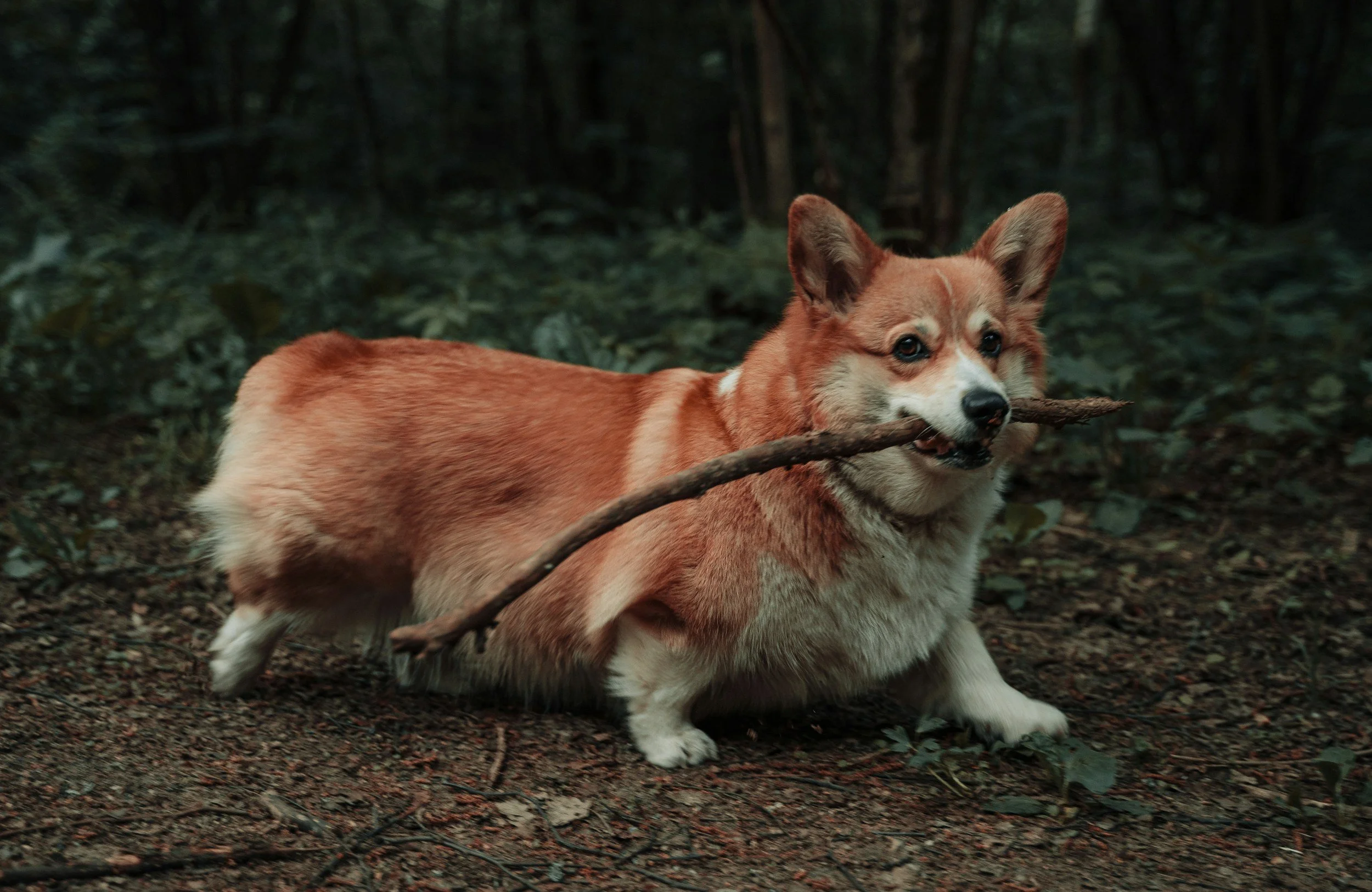
A cute dog biting a stick while unleashed
East Knoxville represents Knoxville's most overlooked and under-resourced area—a historically segregated section that faced decades of disinvestment and continues struggling with poverty, limited infrastructure, and fewer amenities than other areas. For dog owners, East Knoxville currently offers limited resources compared to other areas, though community development efforts and growing investment suggest this may change in coming years.
East Knoxville's Current Reality
East Knoxville stretches east from downtown along Magnolia Avenue and surrounding areas, encompassing diverse neighborhoods with varying conditions. Some areas maintain stable residential character with longtime residents and community pride. Others face significant challenges—vacant properties, limited retail and services, and infrastructure that needs updating.
For dogs and their owners, East Knoxville's primary limitation is the shortage of dedicated dog amenities. The area includes fewer parks than other sections of Knoxville, limited greenway access, no major pet supply retailers, and fewer veterinary clinics. Walking infrastructure—sidewalks, safe crossing points, well-lit streets—varies significantly by specific neighborhood. Some streets support pleasant walking; others lack sidewalks entirely or feel unsafe due to traffic patterns.
However, East Knoxville shouldn't be dismissed entirely. The area includes affordable housing—both rental and ownership—that makes homeownership or more spacious rentals achievable for people priced out of West Knoxville or trendier neighborhoods. Many properties include yards, giving dogs outdoor space that downtown apartments can't provide. For dog owners on tight budgets willing to drive for amenities and dog services, East Knoxville offers opportunities that don't exist in higher-cost areas.
The East Knoxville dog owner community exists but remains less organized and visible than communities in other areas. You won't find the same concentration of dog walkers you'd encounter in Fourth and Gill or along South Knoxville's greenways. However, neighborhood-level communities do exist—people walking the same streets regularly, informal relationships among neighbors whose dogs interact, and longtime residents who know every dog on their block by name.
Available Resources and Green Space
East Knoxville's parks and green spaces are fewer and less developed than other areas, though several notable options exist. The community has advocated for improved recreational facilities, and recent investments suggest progress even if the area still lags behind West or South Knoxville in amenities.
Chilhowee Park at 3301 East Magnolia Avenue serves as East Knoxville's largest recreational facility, a 63-acre park that hosts the annual Tennessee Valley Fair and includes walking trails, sports facilities, and open space. Dogs on leash are welcome in the park, and the extensive grounds support longer walks. However, Chilhowee Park lacks a dedicated dog park or off-leash area. The park's size means parking and access convenience—you can walk extensively without leaving park boundaries or navigating neighborhood streets.
Walter P. Taylor Park at 1811 Reynolds Street provides neighborhood park amenities in East Knoxville proper. While smaller than Chilhowee, the park offers green space within walking distance for nearby residents. Leashed dogs are welcome, and the park serves its local community well even if it lacks facilities that might attract dog owners from across the city.
East Knoxville greenway connections remain underdeveloped compared to extensive networks in other areas, though this is gradually improving. The Ijams Nature Center, while technically in South Knoxville, is accessible from East Knoxville and provides extensive trail systems through natural areas. Dogs on leash can explore miles of trails ranging from easy paths to challenging climbs. Ijams represents one of Knoxville's crown jewels for outdoor recreation and particularly appeals to dog owners seeking nature experiences.
Neighborhood streets in residential areas function as primary walking routes for most East Knoxville dog owners. Without nearby parks, sidewalk networks, or greenways, people walk their blocks repeatedly, creating familiar circuits that provide daily exercise. The quality and safety of these walks vary dramatically depending on your specific location—some East Knoxville streets are perfectly pleasant, while others lack infrastructure or have conditions that make comfortable walking difficult.
Accessing Services and Supplies
East Knoxville residents requiring pet supplies, veterinary care, grooming, or other services typically drive to other areas. West Knoxville's Kingston Pike corridor provides the nearest concentration of major pet retailers and services, though some North Knoxville and South Knoxville options may be closer depending on your specific East Knoxville location.
Limited local options do exist. Small neighborhood stores may carry basic pet supplies at convenience pricing. Mobile groomers serve East Knoxville, bringing services directly to your home. A few veterinary clinics operate in or near East Knoxville, including East Tennessee Veterinary Hospital and others, providing care without requiring drives across the city.
The lack of nearby services requires more planning and often more expense—either through higher convenience-store pricing for supplies bought locally, travel costs to reach distant stores, or service premiums for mobile providers. East Knoxville dog owners become expert planners, coordinating vet appointments with grocery runs to West Knoxville stores, ordering supplies online for home delivery, or finding creative solutions to the amenity desert their neighborhood represents.
This situation particularly impacts residents without reliable transportation. Accessing veterinary care, purchasing dog food, or reaching training facilities becomes genuinely difficult when services cluster in car-dependent areas far from where you live. Public transit helps somewhat—buses along Magnolia Avenue provide routes toward downtown and connections to other areas—but transporting large dogs on buses or carrying heavy bags of dog food on transit presents real challenges.
Community Development and Future Prospects
East Knoxville's challenges are well-known, but so is the community's resilience and advocacy for improvement. Various initiatives aim to revitalize the area, increase investment, and improve quality of life for residents. While these efforts take time and resources, they suggest East Knoxville's trajectory may shift toward greater amenity richness in coming years.
Organizations like KnoxFocus, Emerald Youth Foundation, and various neighborhood associations work to improve East Knoxville conditions. While not specifically focused on dog amenities, broader community improvement—infrastructure investment, park development, commercial growth—benefits all residents including dog owners. Advocacy for better parks and greenways could eventually bring East Knoxville's facilities closer to standards other areas take for granted.
New businesses gradually open in East Knoxville, attracted by affordable commercial space and community support for local establishments. While major chains remain unlikely to locate in the area near-term given demographics and economics, local entrepreneurs and small businesses create variety and serve needs that previously went unmet. Some of these businesses may eventually include pet-related services as the market develops.
For dog owners considering East Knoxville, honest evaluation of what you need versus what's available prevents frustration. If you work from home, can drive to services when needed, value affordability and space over immediate access to amenities, and don't require extensive dog-specific infrastructure immediately surrounding your home, East Knoxville can work. If you depend on walkable access to parks and services, need extensive dog amenities nearby, or lack reliable transportation, East Knoxville may frustrate more than satisfy.
Reaching Wagbar from East Knoxville
East Knoxville residents face drives of approximately 25-30 minutes to reach Wagbar, requiring crossing through downtown then heading west on Kingston Pike. Like South Knoxville, this distance positions Wagbar as a destination requiring intentional planning rather than a quick convenient stop.
From East Knoxville neighborhoods, take Magnolia Avenue west toward downtown. This major corridor provides the most direct route from East Knoxville to the city center. Once reaching downtown, continue west on Cumberland Avenue which becomes Kingston Pike. Proceed west through UT campus and West Knoxville to Wagbar at 6729 Malone Creek Drive on the right. Distance is approximately 9-11 miles depending on starting point, taking 25-30 minutes in moderate traffic.
Alternative routes using I-40 west from James White Parkway save minimal time but avoid some surface street traffic lights. Access I-40 from Magnolia Avenue via James White Parkway, take I-40 west to Lovell Road exit, head north on Lovell to Kingston Pike, then east to Wagbar. This adds distance but may feel faster during heavy surface street traffic periods.
The 25-30 minute drive time suggests East Knoxville dog owners likely visit Wagbar occasionally rather than regularly—perhaps monthly outings or special occasions rather than weekly visits. The drive's length requires commitment, and associated costs (gas, time, membership fees) accumulate. However, for dogs who desperately need socialization that isn't available locally, making the trip may be worth it despite the distance.
Coordinating Wagbar visits with other West Knoxville activities makes the drive serve multiple purposes—combine the visit with shopping at West Knoxville stores, appointments in that area, or social plans with friends who live there. This bundling transforms Wagbar from an isolated drive into one component of a West Knoxville outing that addresses multiple needs simultaneously.
Making the Most of Your Neighborhood
Regardless of which Knoxville neighborhood you call home, maximizing your dog's quality of life requires understanding both your neighborhood's specific offerings and your dog's individual needs. Every area presents advantages and limitations—success comes from leveraging what's available while finding creative solutions for what's missing.
Evaluating Your Dog's Needs
Different dogs thrive in different environments. High-energy working breeds require extensive exercise and mental stimulation—neighborhoods with abundant trails, parks, and activity opportunities suit them better than urban apartments with limited green space. Conversely, lower-energy companion breeds may be perfectly content in downtown settings where physical space is limited but social interaction is constant.
Your dog's temperament matters as much as breed. A confident, social dog might love downtown's constant stimulation and interaction with people and other dogs. An anxious or reactive dog could find that same environment overwhelming and stressful. A shy dog might flourish in quiet suburban neighborhoods where they can gradually build confidence at their own pace. Matching your neighborhood choice to your individual dog's personality prevents daily stress for both of you.
Life stage influences needs too. Puppies require frequent outdoor access for house training—apartments with easy exit access or homes with yards simplify this enormously. Puppies also need extensive socialization during critical developmental windows, making access to varied environments and experiences crucial. Senior dogs often need easier terrain and shorter distances than middle-aged athletes—proximity to walking routes and minimizing stairs or hills becomes important. Dogs with health issues may require specific accommodations that certain neighborhoods provide more readily than others.
Creating Enrichment in Any Neighborhood
Even neighborhoods lacking extensive dog amenities can support happy, fulfilled dogs when owners get creative. The key lies in understanding what constitutes enrichment and providing variety through available resources plus some ingenuity.
Physical exercise doesn't require dedicated dog parks if you have alternatives. Long walks on varied routes provide physical activity while engaging dogs' minds through novel scents and sights. If your neighborhood lacks sidewalks, drive to nearby areas that do—turn the trip into an outing rather than viewing it as a burden. Use bikes or roller skates if you're comfortable doing so safely, allowing your dog to move faster while you maintain control. Many Knoxville neighborhoods connect to greenways or trails within short drives, effectively expanding your dog's territory beyond your immediate block.
Mental stimulation supplements physical exercise and sometimes substitutes for it when physical activity is limited. Training new skills and behaviors challenges dogs' minds, as does nose work where dogs search for hidden treats or toys. Puzzle feeders turn meals into problem-solving exercises. Simply exposing your dog to new environments—different stores, parks, neighborhoods—provides mental stimulation through novelty.
Social needs can be met even without immediate access to dog parks or facilities. Arrange play dates with friends' or neighbors' dogs in backyards or at parks. Some neighborhoods develop informal dog-walking groups where residents coordinate times and routes, creating regular social opportunities. Online platforms and social media groups help connect dog owners in your neighborhood who might become walking partners or play date coordinators.
When your neighborhood truly lacks what your dog needs, committing to regular excursions makes up the difference. Weekly trips to facilities like Wagbar provide concentrated socialization and play. Weekend hikes on greenways or trails deliver extended outdoor time. The key is consistency—sporadic, occasional outings don't meet needs the way regular, predictable experiences do. Build these excursions into your routine rather than treating them as optional when you have time.
Building Community Connections
One of the most underutilized resources in any neighborhood is other dog owners. Beyond just socialization for your dogs, these connections provide mutual support, shared resources, and genuine friendships based on common experiences and challenges.
Start by being friendly when encountering other dogs and owners. Stop for brief greetings (if both dogs are comfortable), exchange names, and make conversation. You'll quickly learn who walks the same routes at similar times. These repeated encounters can evolve into more substantial relationships—coordinated walks, play dates, dog-sitting exchanges when traveling, and sharing recommendations for vets, trainers, or services.
Neighborhood-specific social media groups often include pet owners. Join these platforms and participate—ask questions, share information, offer help when you can. You'll learn about informal dog-walking groups, playgroups that meet regularly at parks, and neighborhood events where dogs are welcome. These online connections often transition to real-world friendships as you discover you live blocks from someone whose dog is compatible with yours.
Organized activities create built-in community. If your neighborhood has a dog park, becoming a regular means encountering the same dogs and owners repeatedly. This familiarity creates natural relationships and a sense of community ownership of the space—regulars often informally enforce rules, clean up after others when needed, and help newcomers feel welcome. Training classes, whether in your neighborhood or elsewhere, similarly create communities of people working toward similar goals.
For neighborhoods lacking organized dog-focused community, consider creating it yourself. Start small—propose a regular Saturday morning walk with neighbors who have dogs. Create a Facebook group for your specific neighborhood's dog owners. Organize an informal play date at a local park. Community often requires someone to take initiative—being that person builds not just dog community but broader neighborhood connections too.
Advocating for Your Neighborhood
If your neighborhood lacks dog amenities you'd value, advocacy can sometimes create change. Attending neighborhood association meetings, contacting city council representatives, and coordinating with other dog owners to demonstrate demand for facilities all potentially influence decision-making about park improvements, dog park additions, or greenway expansion.
Research what other Knoxville neighborhoods have achieved. Success stories exist throughout the city where community advocacy led to new dog parks, improved trail systems, or better maintenance of existing facilities. Understanding how those victories happened provides roadmaps for your own advocacy efforts.
Volunteer time and resources to maintain what exists. Many neighborhood parks rely partly on volunteer efforts for beautification, event coordination, and advocacy. Contributing to these efforts builds relationships with key decision-makers while improving conditions for all park users including dog owners. Your involvement demonstrates that dog owners are responsible, engaged community members who deserve consideration in planning and resource allocation.
Be realistic about timelines and limitations. Creating new facilities requires funding, political will, and coordination among multiple stakeholders—processes that often take years. Small victories—better waste station placement, improved trail markings, seasonal events that welcome dogs—may be more achievable near-term than major infrastructure projects. Celebrate incremental progress while working toward larger goals.
Planning Your Wagbar Membership Journey
As October 2025 approaches and Wagbar Knoxville's opening nears, dog owners across all neighborhoods should consider how this facility fits into their broader dog care strategy. Understanding membership options, realistic usage patterns, and how Wagbar complements your neighborhood's existing resources helps you maximize value while managing costs and logistics.
Understanding Membership Options
While specific pricing and membership structures will be announced closer to opening, Wagbar locations typically offer multiple membership tiers serving different usage patterns and budgets. Understanding these options helps you select the right fit rather than either overcommitting to unused memberships or choosing options that don't meet your needs.
Annual memberships generally provide the best value for frequent visitors—dogs who visit multiple times weekly or even daily. The upfront cost is significant, but per-visit pricing becomes very economical. These memberships make sense for nearby West Knoxville residents for whom Wagbar is genuinely convenient, and for dogs whose temperaments and social needs mean they'd benefit from regular visits.
Monthly memberships offer flexibility between annual commitments and day passes. They work well for dogs who'd benefit from regular visits but perhaps not daily—maybe 2-3 times weekly. Monthly memberships also suit people who want to try Wagbar for a few months before committing to annual membership. The per-visit cost is higher than annual but still more economical than day passes if visiting consistently.
Punch cards or multi-visit packages typically provide a middle ground between monthly memberships and day passes. Buy a set number of visits (perhaps 10) at a discounted rate compared to individual day passes, use them on your schedule without expiring quickly. These work well for more distant neighborhoods where weekly rather than multiple-weekly visits make sense, or for dogs whose socialization needs are met partly through other means with Wagbar supplementing rather than providing all dog-dog interaction.
Day passes serve occasional visitors—dogs coming monthly or a few times per year, or new visitors testing whether Wagbar works for them before committing to memberships. Per-visit cost is highest, but there's no financial commitment beyond a single visit. This flexibility benefits people unsure about frequency, dogs whose reaction to the environment is unknown, or situations where Wagbar serves as a special occasional treat rather than a regular routine.
Calculating Realistic Usage and Value
Honest assessment of likely usage prevents overspending on memberships you won't use or underutilizing facilities because you tried to save money with inappropriate membership levels. Consider multiple factors when projecting how often you'll realistically visit Wagbar.
Distance from your neighborhood significantly impacts usage frequency. Cedar Bluff residents 5 minutes away might visit 3-4 times weekly, making annual membership an obvious choice. South Knoxville residents 30 minutes away might visit once weekly or twice monthly, suggesting monthly membership or punch cards make more financial sense. East Knoxville residents facing 30-minute drives should be particularly honest about whether they'll truly make regular trips or whether annual membership will end up unused.
Your dog's needs and personality matter enormously. Dogs who adore playing with other dogs, who lack opportunities for off-leash play elsewhere, or who have energy levels their neighborhood can't fully accommodate will benefit from regular Wagbar visits—potentially daily for very high-energy, highly social dogs. Dogs who enjoy other dogs but aren't obsessed with them, who get substantial exercise and stimulation from other activities, or who can be selective about playmates might visit weekly or less frequently.
Your schedule affects usage too. Working from home provides flexibility to visit during less-crowded off-peak times, perhaps building Wagbar into daily routines. Traditional work schedules mean visits cluster around evenings and weekends when the facility will be busier. Travel frequency impacts how many potential visits you miss—annual membership loses value if you're out of town regularly. Life changes like new jobs, moving, or adding family members can disrupt established routines, so factor in both current circumstances and reasonably anticipated changes.
Financial considerations deserve honest evaluation. Can you afford annual membership upfront without causing financial stress? If that cost would strain your budget, would monthly membership or punch cards better match your financial capacity while still allowing meaningful Wagbar usage? Remember to factor associated costs—gas for driving, time cost of travel, potentially buying drinks at the bar—beyond just membership fees.
Integrating Wagbar into Your Routine
For Wagbar membership to provide value, it needs to integrate into your life smoothly rather than becoming another obligation that creates stress. Planning how visits fit into your broader routine increases the likelihood you'll actually go regularly.
Create a specific schedule rather than vague intentions of "going often." Perhaps Saturday mornings become Wagbar time—build it into your weekend routine like grocery shopping or laundry. Or maybe Tuesday and Thursday evenings after work provide midweek breaks that benefit both you and your dog. Specific plans are more likely to happen than general intentions.
Bundle Wagbar visits with other activities when traveling from more distant neighborhoods. If you're driving from South Knoxville for a Wagbar visit, add grocery shopping at West Knoxville stores, dinner at a Kingston Pike restaurant, or other errands that justify the drive for multiple purposes. This bundling makes the time investment more efficient.
Coordinate with other dog owners to create social occasions. Arrange to meet friends at Wagbar so your dogs play together while you catch up over drinks. Create informal groups from your neighborhood who carpool together, splitting gas costs while making the trip social. These social dimensions add value beyond just letting your dog play, turning Wagbar into community-building activity rather than mere dog care.
Prepare appropriately for visits to maximize their value. Bring water for yourself if you'll stay awhile. Wear comfortable clothes and shoes for potentially sitting outdoors. Bring a book, work on your phone, or plan to socialize with other owners depending on your mood. The better prepared you are, the more pleasant extended visits become, allowing your dog sufficient time to truly burn energy and socialize rather than cutting visits short because you're uncomfortable or bored.
Track usage and adjust as patterns become clear. After a few months, you'll know whether you're visiting more or less than anticipated. If you're going more often than your membership level supports efficiently, upgrade. If you're visiting less than expected and paying for unused access, downgrade or switch to punch cards. Don't let ego or sunk cost fallacy prevent adjusting to reality—the goal is appropriate service level, not defending initial decisions that aren't working.
Conclusion: Building Your Knoxville Dog Life
Creating a fulfilling life for your dog in Knoxville requires understanding your specific neighborhood's advantages and limitations, honestly assessing your dog's individual needs, and thoughtfully using available resources while finding creative solutions for gaps. No neighborhood provides everything—even resource-rich West Knoxville has limitations, while seemingly under-resourced areas like East Knoxville offer advantages the wealthier neighborhoods lack.
The most successful Knoxville dog owners don't necessarily live in the "best" neighborhoods for dogs—they're the people who maximize whatever resources their neighborhoods offer while filling in gaps through excursions, activities, and community connections. They understand their dogs as individuals with specific needs rather than assuming all dogs require the same inputs. They build routines that integrate dog care into daily life rather than treating it as burdensome obligation separate from other activities.
Wagbar Knoxville's October 2025 opening adds significant new resources to the area's dog-owning community, but it's one tool among many rather than a complete solution. For West Knoxville residents enjoying convenient access, Wagbar can become central to their dog care routine, providing regular socialization and exercise that supplements neighborhood walks and backyard time. For more distant neighborhoods, Wagbar serves as valuable periodic destination that provides experiences hard to find closer to home—concentrated socialization, expert-supervised play, and community connections with dog owners from across Knoxville.
Regardless of whether Wagbar becomes central to your routine or occasional special outing, understanding your neighborhood's broader dog resources—parks, trails, vets, training facilities, pet-friendly businesses, and community networks—creates the foundation for your dog's quality of life. Wagbar enhances that foundation rather than replacing it, offering something genuinely unique in Knoxville's current landscape while connecting to the broader network of resources that support the human-canine bond.
As you plan your dog's life in Knoxville, remember that place matters less than intentionality. Dogs thrive when their physical, mental, social, and emotional needs are consistently met through varied appropriate activities. Whether you meet those needs through neighborhood walks and backyard play, weekly Wagbar visits and greenway hikes, daily downtown strolls and occasional park excursions, or any other combination of resources, what matters is the consistency, appropriateness, and genuine care you bring to understanding and meeting your specific dog's needs in your specific circumstances. Knoxville provides abundant resources—your job is learning to use them well.
Frequently Asked Questions About Dog-Friendly Knoxville Neighborhoods
Which Knoxville neighborhood is best for dogs overall?
West Knoxville generally offers the most dog resources—abundant parks and greenways, numerous pet-friendly businesses, many veterinary and training facilities, and large pet supply stores. However, "best" depends on your priorities and dog's needs. Downtown provides unmatched walkability and socialization. South Knoxville offers excellent outdoor recreation access. Historic North Knoxville neighborhoods have character and community. The truly best neighborhood is the one that matches your lifestyle, budget, and your specific dog's personality and requirements rather than a one-size-fits-all answer.
How far should I be willing to commute to reach Wagbar?
This depends on usage frequency and your dog's needs. If planning multiple weekly visits, 15 minutes probably represents maximum practical commute. For weekly visits, 20-30 minutes remains workable. For occasional monthly visits or special occasions, even 30-40 minutes might be acceptable. Consider whether your dog desperately needs what Wagbar offers versus just enjoying it as a bonus. Dogs lacking other socialization opportunities may justify longer commutes. Dogs with plenty of alternatives might not.
Can I keep a large dog in a downtown Knoxville apartment?
Physically, yes—many people successfully keep large dogs in apartments with appropriate exercise and mental stimulation. However, finding downtown housing that allows large dogs can be challenging due to weight restrictions. Many buildings cap dogs at 25-50 pounds, excluding many popular breeds. Look for individually owned condos rather than corporate-managed apartments—private owners sometimes negotiate on size limits. Expect higher deposits and monthly pet rent. Evaluate whether you can meet a large dog's exercise needs through frequent walks since you won't have a yard.
What should I look for when evaluating a neighborhood for dog-friendliness?
Consider these factors: nearby parks and green spaces, sidewalk infrastructure and safe walking routes, concentration of other dog owners creating community, pet-friendly businesses especially dining, access to veterinary care and pet supplies, housing options that accommodate dogs within your budget, and commute times to dog facilities like Wagbar. Also evaluate noise levels, traffic patterns, and overall neighborhood character—some dogs thrive in busy urban settings while others need quieter environments. Visit the neighborhood at different times of day to see what dog-walking looks like.
Are there dog-friendly public transportation options in Knoxville?
Knoxville's public transit system allows small dogs in carriers on buses, but larger dogs aren't generally accommodated except for service animals. This limits transit usefulness for dog owners without cars. Some neighborhoods are walkable enough that dogs don't need transit to access nearby resources. For reaching destinations like Wagbar from neighborhoods without convenient car access, consider ride-sharing services, though costs add up quickly for regular use. The reality is Knoxville remains primarily car-dependent for reaching many dog amenities.
How do I find dog-friendly housing in my preferred neighborhood?
Start with standard rental search platforms (Zillow, Apartments.com) filtering for pet-friendly listings, but don't stop there—many landlords who allow pets don't specifically advertise it. Call properties directly to ask about pet policies even if not listed as pet-friendly. Private landlords often prove more flexible than corporate management companies. Join neighborhood-specific social media groups and post asking for pet-friendly recommendations—locals know which landlords and buildings actually welcome dogs despite official restrictions. Be prepared to pay premium prices—pet-friendly housing commands higher rents in competitive markets.
Which neighborhood has the best dog park?
Victor Ashe Park in West Knoxville provides Knoxville's largest and most popular dog park with separate areas for different size dogs, ample space, and good maintenance. Tommy Schumpert Park in South Knoxville offers beautiful riverside setting with excellent views. Tyson Park in North Knoxville serves that area well. However, Wagbar will provide a different experience—supervised off-leash play with trained staff rather than unsupervised dog park chaos. Each has advantages. The "best" depends on whether you prioritize size, location, setting, or supervision level.
How does South Knoxville's Urban Wilderness compare to traditional parks for dogs?
The Urban Wilderness offers hundreds of acres of trails through natural settings—a dramatically different experience from manicured parks. Dogs on leash can explore genuine nature with varied terrain, creek access, and extensive trail systems. This works beautifully for hiking with dogs and experiencing wilderness within city limits. However, dogs must remain leashed, and the rugged terrain isn't suitable for all dogs—young puppies, senior dogs with mobility limitations, or dogs with certain health conditions might struggle. For active, healthy dogs and owners seeking natural environments, the Urban Wilderness is exceptional.
What neighborhoods are best for student dog owners on limited budgets?
Fort Sanders and areas near UT campus offer walkability and proximity to campus, but housing can be expensive and restrictive. Consider slightly further neighborhoods like Mechanicsville or areas along Cumberland Avenue toward West Knoxville—these provide somewhat more affordable options while remaining reasonably close to campus. North Knoxville neighborhoods like Parkridge offer affordable historic homes with yards, though you sacrifice immediate campus proximity. Honestly evaluate whether your budget and schedule truly support dog ownership during school—many students would be better waiting until graduation despite loving dogs.
Can neighborhoods without their own dog parks still work well for dogs?
Absolutely. Dog parks are one resource but not the only one. Neighborhoods with excellent walking infrastructure, greenway access, or proximity to other facilities can meet dogs' needs without dedicated off-leash areas. Many dogs prefer leashed walks with their owners over dog park chaos anyway. Access to facilities like Wagbar's supervised environment often provides better socialization than unsupervised dog parks. Evaluate your dog's individual needs—if they desperately need off-leash play and you have no yard, lack of nearby dog parks is a real limitation. If they're content with other activities, it matters less.
How do I build a dog owner community in neighborhoods where one doesn't obviously exist?
Start by being consistently present—walk the same routes at similar times, and you'll encounter other regular walkers. Strike up conversations and exchange contact information with compatible dogs' owners. Create social media groups for your specific neighborhood's dog owners. Organize informal activities—Saturday morning walks, monthly play dates at parks. Post on neighborhood platforms asking if others would be interested in dog-walking groups or meet-ups. Community requires someone taking initiative—being that person creates the network you're seeking while also building broader neighborhood connections beyond just dog owners.