

Dog Friendly Bars vs. Pet Friendly Bars: Is There a Difference?
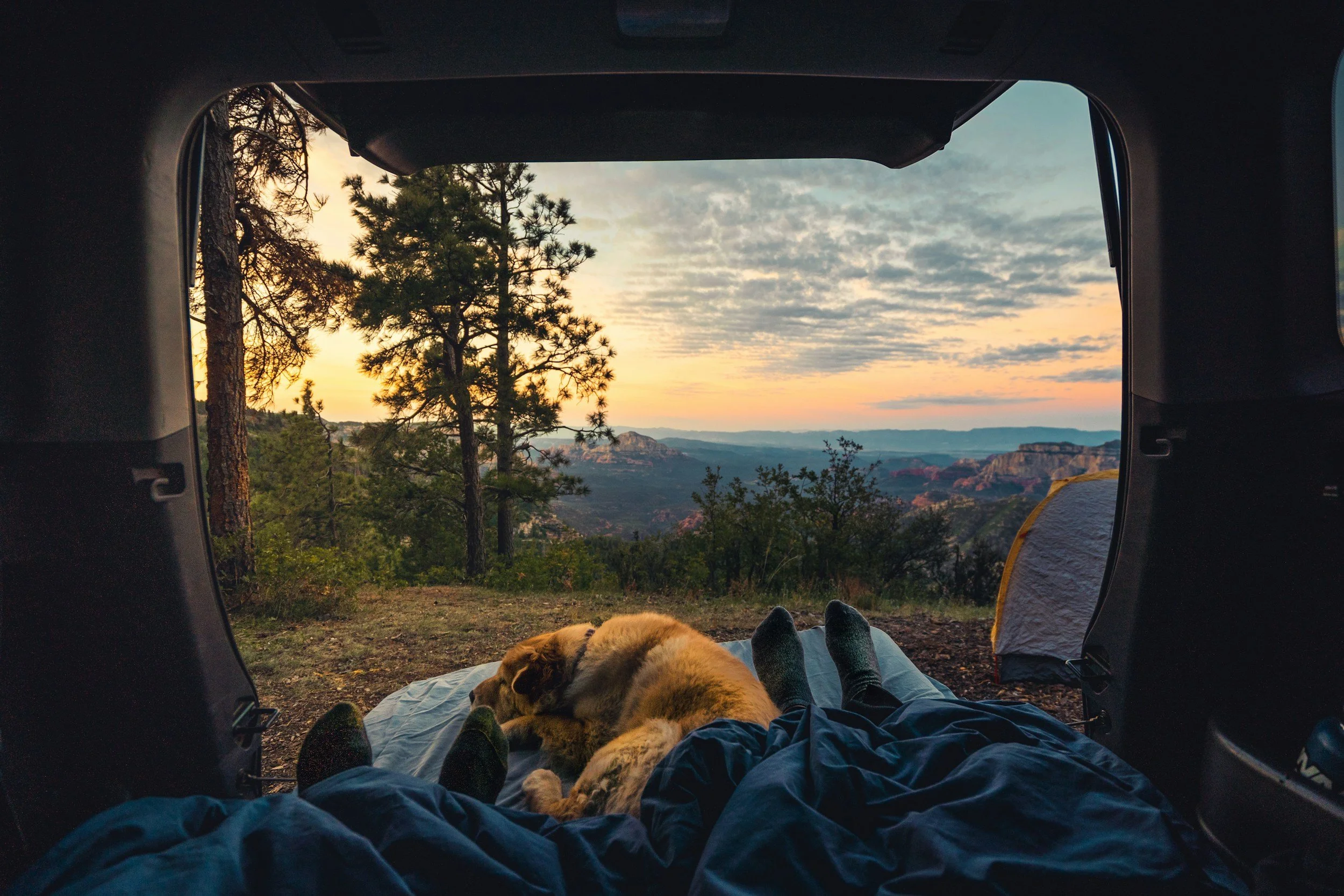
Top TLDR: Dog friendly bars and pet friendly bars are often used interchangeably, but they describe very different experiences. Pet friendly bars allow dogs on leash at outdoor tables; dog friendly bars are built around off-leash access, trained supervision, and vaccination requirements. If you want a bar where your dog actually plays and socializes, look for a dog friendly bar with a fenced off-leash area.
Dog friendly bars and pet friendly bars are often used interchangeably, but they describe very different experiences. Pet friendly bars allow dogs on leash at outdoor tables; dog friendly bars are built around off-leash access, trained supervision, and vaccination requirements. If you want a bar where your dog actually plays and socializes, look for a dog friendly bar with a fenced off-leash area.
Search for "pet friendly bar" and you'll get a list. Search for "dog friendly bar" and you'll get a different list. To most people, these terms mean basically the same thing: your dog is allowed. But spend any time at both kinds of places and the difference becomes obvious pretty quickly.
One type of venue has a dog policy. The other is built around dogs. That distinction matters more than the terminology, and understanding it will save you a lot of disappointing outings.
What a Pet Friendly Bar Actually Offers
The phrase "pet friendly" has no official standard. Any bar can use it. In most cases, it signals that dogs are permitted at outdoor tables — typically on leash, sometimes limited to a specific section, and subject to change at the manager's discretion. The bar itself was designed for people. The pet-friendly designation was added later, often as a marketing note rather than a structural decision.
That setup works fine for calm dogs who are happy to lie at your feet for an hour. For most dogs, though, it's a compromised experience. They can see and smell other dogs but can't interact. They're on a short leash in an unfamiliar place with a lot of sensory input and no real ability to move, explore, or settle. You spend the visit managing your dog rather than actually relaxing.
The drinks may be good. The food might be great. But the dog isn't really "at the bar with you" — they're waiting with you at a place that allows their presence.
What a Dog Friendly Bar Is Actually Supposed to Mean
A dog friendly bar, at its best, treats the dog's experience as part of the design — not an accommodation tacked onto a space built for humans only.
That means asking different questions from the start. How much space do dogs actually need to move and interact? What does safety look like when multiple dogs are together off leash? What staff training is required? What rules make the environment work for everyone? How do you manage entry so owners know their dog is in a reasonably safe social situation?

These questions don't have easy answers, which is why genuinely dog-focused venues are rare. Answering them well requires physical space, operational systems, trained staff, and a willingness to enforce standards that most bars aren't set up to handle. You can't just open the patio gate and call it a dog bar.
The Off-Leash Question Is the Real Dividing Line
The clearest way to tell whether you're at a pet friendly bar or a genuinely dog friendly bar: is the dog allowed off leash?
A bar where dogs must remain leashed is accommodating dogs. A bar with a fenced, supervised off-leash area is built for them. This isn't a minor operational difference. Off-leash access requires fencing, adequate square footage, entry screening, staff who understand dog behavior and group play dynamics, and a consistent system for maintaining the environment visit after visit. It represents a fundamentally different kind of venue.
When a dog is off leash in a safe environment with other dogs, the experience changes entirely. They can run, play, approach other dogs on their own terms, and burn real energy. By the time you're ready to leave, your dog is genuinely ready too — not still wound up from an hour of blocked impulses. That's the payoff of a dog friendly bar done right, and it's not something a standard pet-friendly patio can replicate.
Supervision Makes or Breaks the Off-Leash Experience
Off-leash access without supervision is just an unsupervised dog park. The supervision piece is what turns a space from risky to genuinely enjoyable.
Dogs communicate through body language, and most people aren't trained to read it. Pre-conflict signals — hard stares, stiff posture, a tail held unusually high, one dog who won't disengage — can escalate quickly when nobody catches them early. Staff who know what to look for can intervene before tensions build rather than after an incident happens.
At Wagbar, the staff is trained in dog behavior and stays actively engaged with the play areas throughout the visit. The code of conduct outlines what's expected from owners, and staff enforce it consistently. That combination — trained eyes on the space plus clear expectations for everyone in it — is what makes off-leash interaction work reliably rather than just sometimes.
It also lets owners actually use the bar. The whole point is that you can sit down, order a drink, and look up from your phone without running a constant mental calculation about what your dog is doing.

Vaccination Requirements: Why They Signal Something Bigger
One of the clearest markers of a well-run dog friendly bar is whether it enforces vaccination requirements. Not suggests them. Enforces them.
At a pet-friendly bar that just allows dogs on the patio, there's typically no screening at all. Any dog can show up regardless of health history or behavioral track record. That's fine for a bar trying to be accessible — it's not fine for a venue where dogs are interacting closely off leash.
Wagbar requires proof of current rabies, bordetella, and distemper vaccinations before any dog enters the park area. Dogs must also be at least six months old and spayed or neutered. That's not bureaucracy — it's what makes the off-leash environment work responsibly. The same logic applies to behavioral screening: dogs with a history of serious aggression aren't a good fit for a group play setting, and a venue serious about the experience enforces that too.
When a bar takes the time to build a verification system, it tells you something about how seriously it takes the whole operation.
The Comparison at a Glance
Pet Friendly Bar Dog Friendly Bar (like Wagbar) Dog access Patio only, on leash Fully fenced off-leash play area Supervision None — owner responsibility Trained staff monitoring the space Vaccination requirements Typically none Required (rabies, bordetella, distemper) Dog's experience Restricted, stationary Running, playing, real socialization Owner's experience Managing the dog Actually relaxing at the bar Space design Built for people, dogs permitted Built with dogs as part of the concept Events Standard bar programming Dog meetups, breed events, live music, seasonal events
What the Dog Gets Out of It (And Why That Matters)
This is easy to overlook when you're evaluating venues by what's in it for you. But a dog who genuinely enjoys an outing is a different proposition from a dog who endures one.
Dogs benefit from social interaction with other dogs in ways that leashed introductions can't provide. Off-leash play allows the kinds of chase, wrestling, and mutual sniffing that actually tire a dog out and meet their social needs. A well-socialized dog is typically calmer, more confident, and better behaved at home. A dog who never gets real off-leash interaction with other dogs often becomes reactive or frustrated over time.
So the distinction between a pet friendly bar and a dog friendly bar isn't just about your afternoon. For dogs who visit regularly, it's about the quality of their social life. That's not an overstatement — it's how dogs are wired.
What Wagbar Is
Wagbar was built specifically to answer the question of what a genuinely dog friendly bar should look like. Founder Kendal Kulp opened the first location in Asheville, North Carolina in 2019 after deciding that existing options weren't doing enough for either the dogs or their owners. The concept has since expanded to Knoxville, Tennessee and is growing through franchise locations across the country.
The setup at every Wagbar location is a fully fenced off-leash park combined with a real bar — craft and domestic beers on tap and in cans, wine, cider, hard seltzer, non-alcoholic options, rotating food trucks, and regular events that range from trivia nights to live music to breed-specific meetups. Covered areas, fans, and heaters make it work in any season. Dog wash stations, water stations throughout the play area, and pools at select locations round out the dog-side amenities.
Humans 18 and older are welcome with or without a dog. The bar stands on its own even if you just want somewhere good to spend an afternoon. But the reason people come back is that they can bring their dog, see their dog actually enjoying themselves, and relax while it happens.
That's the difference. See our locations and plan your visit.
Frequently Asked Questions
Can any bar call itself dog friendly? Yes — the term has no regulated standard. A bar can label itself dog friendly with nothing more than a patio that allows dogs on leash. The only way to know what you're actually getting is to look at the specifics: off-leash access, supervision, vaccination policies, and how the space is designed.
Are dog friendly bars and dog bars the same thing? Not always, but "dog bar" has come to specifically describe the off-leash dog park and bar hybrid model — a venue where the dog park and the bar are the same place. A dog friendly bar could be anywhere on the spectrum from "dogs allowed outside" to a full Wagbar-style experience.
What should I bring to a dog friendly bar that has off-leash access? Proof of vaccinations if it's your first visit (or if the venue doesn't have a membership system that stores your records), a leash for entering and exiting, and some patience while your dog adjusts to the environment. Check the beginner's guide to visiting Wagbar if you want a detailed walkthrough of what to expect.
What if my dog has never been to an off-leash space before? That's a very common situation. The off-leash readiness checklist is a good starting point. Supervised venues like Wagbar are actually better for first-timers than unsupervised public dog parks because trained staff can intervene early and the entry screening keeps the population reasonably consistent.
Do I need a dog to visit Wagbar? No. All humans 18 and older are welcome without a dog.
Where can I find a Wagbar near me? Current open locations include Weaverville (Asheville), NC and Knoxville, TN, with franchise locations opening across the country. Check the full locations list for the most current information.
Summary
The difference between dog friendly bars and pet friendly bars comes down to design intent. A pet friendly bar accommodates dogs; a dog friendly bar like Wagbar is built for them — with off-leash parks, trained staff, and entry requirements that protect every dog in the space. Visit wagbar.com/our-locations to find the nearest location and see the difference for yourself.
Bottom TLDR: The difference between dog friendly bars and pet friendly bars comes down to design intent. A pet friendly bar accommodates dogs; a dog friendly bar like Wagbar is built for them — with off-leash parks, trained staff, and entry requirements that protect every dog in the space. Visit wagbar.com/our-locations to find the nearest location and see the difference for yourself.