

Dog Bars vs. Dog-Friendly Breweries: What's Actually Different
Top TLDR Dog bars and dog-friendly breweries both allow dogs near a bar, but the experience for your dog is completely different. A dog-friendly brewery keeps your dog on leash at a patio; a dog bar like Wagbar provides a fenced, supervised off-leash play area purpose-built around dogs. If your dog needs real exercise and social interaction, not just a place to sit, a dog bar is the better outing.
Both show up in the same searches. Both have dogs and drinks in the same general vicinity. From the outside, a dog bar and a dog-friendly brewery can sound like the same thing. They're not. The differences matter more than the surface-level similarities, especially if what you're actually trying to do is give your dog a real outing rather than just tolerate their presence while you grab a pint. Here's what separates the two, and why it changes the experience for both you and your dog.
The Basic Setup: What Each Place Is Actually Built For
A dog-friendly brewery is primarily a brewery. Its purpose is to make and sell beer. Allowing dogs is a feature -- usually a patio policy or a nod to the neighborhood they're in -- but the space wasn't designed around dogs. You can bring your dog, they can sit near you, and everyone proceeds with the actual business of the brewery around you.
A dog bar is built the other way around. The dogs are the starting point. The bar is there to give owners something to do while the dogs do what they came to do. At Wagbar, for example, the off-leash dog park and the bar were designed together from the ground up. Neither is an add-on to the other. The park exists because dogs need space to run and play. The bar exists because owners need somewhere to sit down, have a drink, and actually enjoy themselves while that happens.
That design difference shows up in nearly everything else: the physical space, what dogs can actually do there, the safety structure, and who goes home tired.

What Happens to Your Dog in Each Setting
At a dog-friendly brewery, your dog is on leash. They sit beside your chair, maybe get a scratch from a stranger who asks to say hello, watch the world, and wait for you to decide you're done. For dogs that are calm by temperament and happy to be near their owner in a new environment, this can be a perfectly pleasant couple of hours. For high-energy dogs, socially motivated dogs, or dogs that are prone to getting overstimulated when they can see and smell other dogs but can't interact with them normally, it's closer to a frustrating tease.
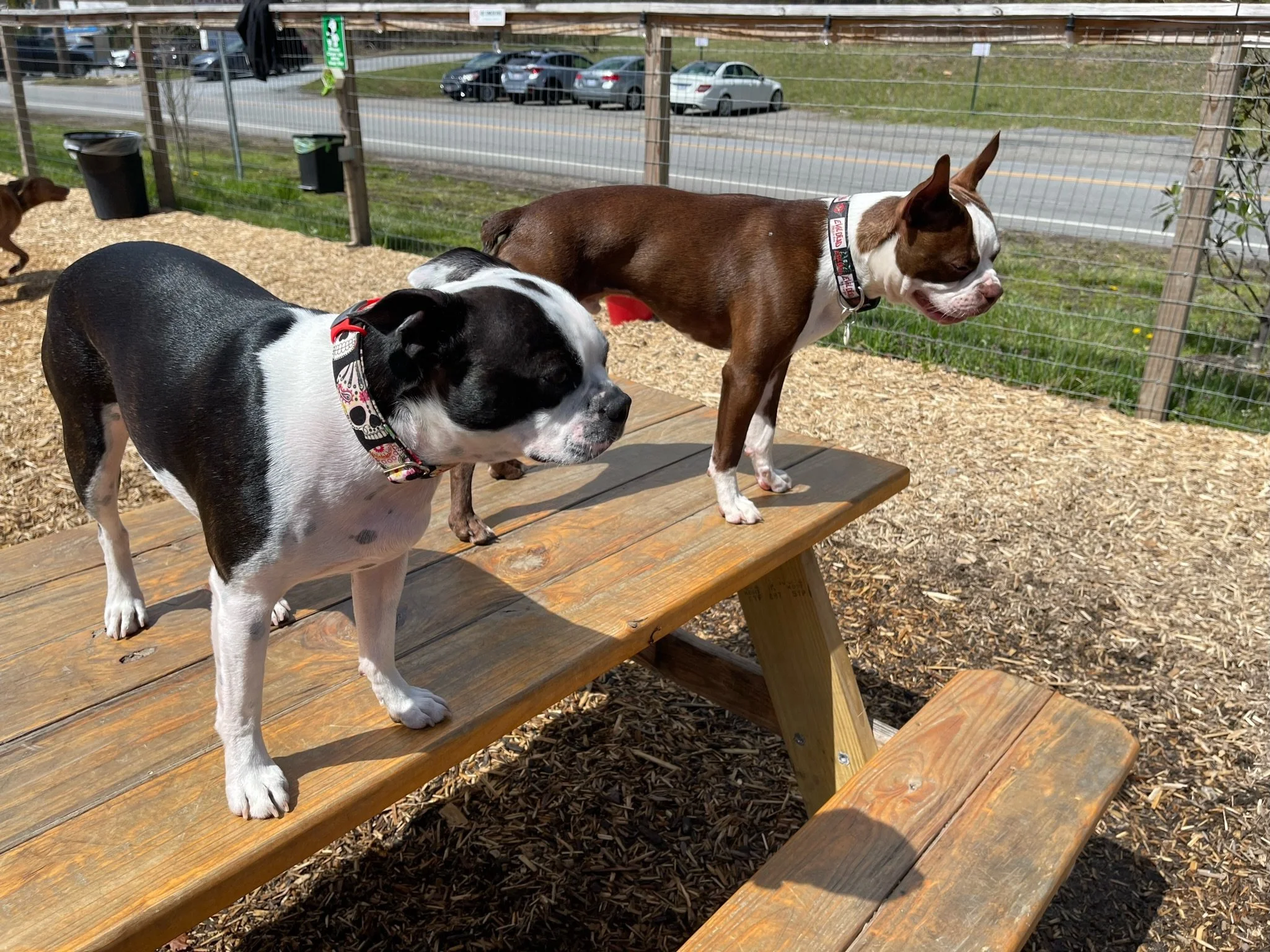
At a dog bar with off-leash access, your dog can actually play. Full-speed runs. Dog-to-dog interaction on their own terms. The chance to sniff, wrestle, circle, and figure out the social dynamics of whatever dogs are in the park that day. When they're done, they're genuinely tired -- the kind of tired that comes from real physical and mental exertion, not from holding a down-stay for two hours while their owner finishes a flight of IPAs.
The dog park behavior guide breaks down what healthy group play actually looks like in an off-leash environment, which helps owners understand what their dog is getting from time spent at a place like Wagbar versus a constrained patio setting.
The Safety Structure Is Completely Different
Dog-friendly breweries typically don't have dog-specific safety protocols. They allow dogs the same way they allow people: show up, follow the general rules, don't cause problems. There's no vaccination requirement. The patio is usually open to the street or shared with other patrons who may not be comfortable around dogs. If a conflict happens between two dogs, there's no trained staff to handle it and no fencing to contain the situation.
At Wagbar, the safety structure is built in from the start. The off-leash area is fully fenced. Every dog entering must have current proof of Rabies, Bordetella, and Distemper vaccinations. Dogs must be at least 6 months old and spayed or neutered. Staff who are trained in dog behavior actively monitor the park throughout operating hours. There's a zero-tolerance policy for aggression from both dogs and humans.
None of this is procedural friction. It's what makes a shared off-leash environment work in practice. When every dog in the park has a vaccination baseline and was assessed at the gate, you're operating with a meaningfully different risk profile than an unscreened patio where anyone can walk up with any dog. Owners who have had uncomfortable experiences at unsupervised settings often find the structured environment at a purpose-built dog bar much more manageable.
For more on what makes the supervised model different from public parks, the complete dog park guide covers the safety and etiquette factors that separate a well-run off-leash environment from an unmanaged one.
The Physical Space Tells the Story
Walk into a dog-friendly brewery patio and you'll see: outdoor seating, tables, maybe some shade structures, dogs tied to chair legs or held on short leashes, food and drink service. The dogs are present but incidental to the layout.
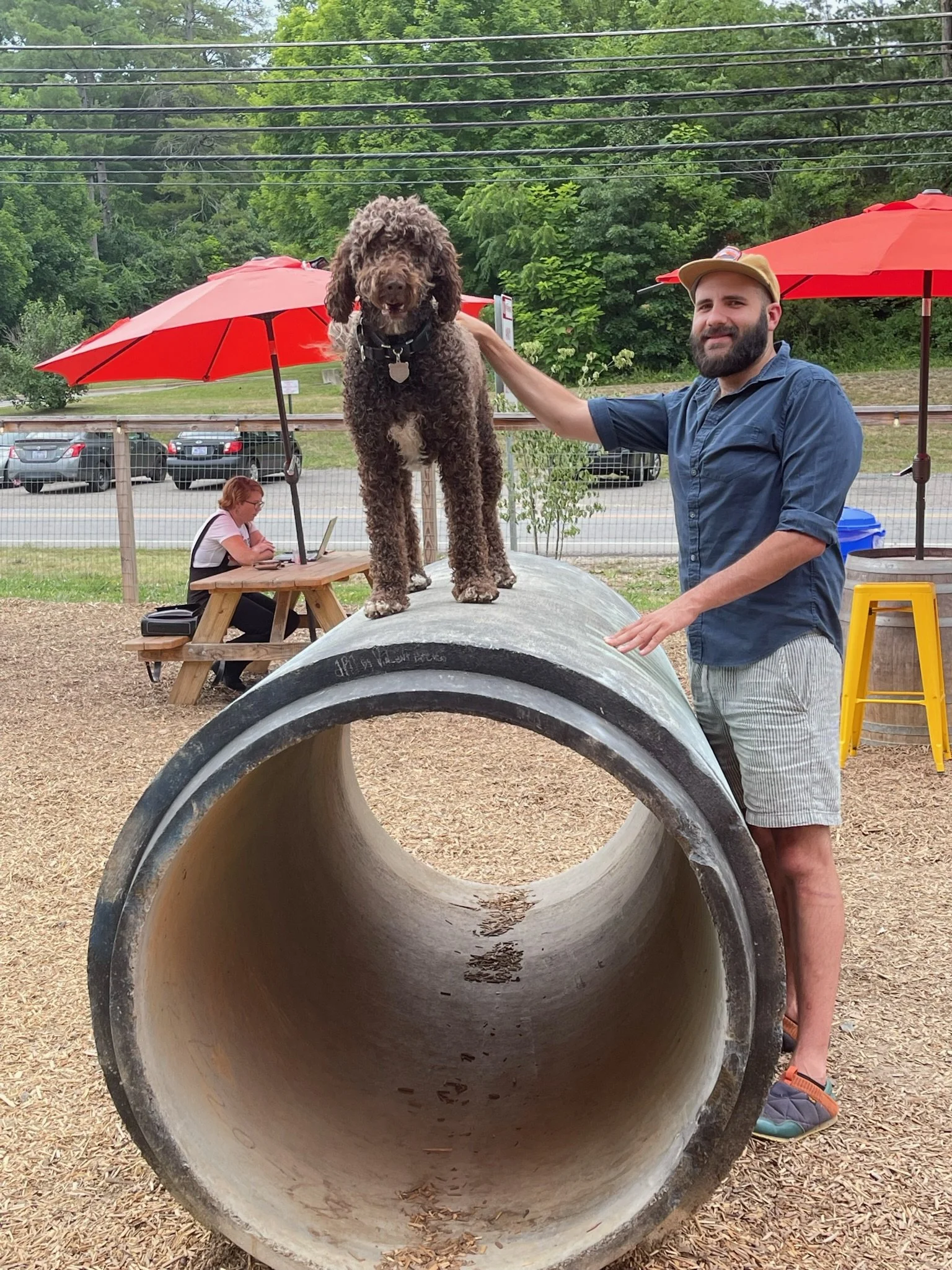
Walk into Wagbar and the layout reads differently immediately. The fenced play area is visible from the seating. Dogs are moving freely through it. Water stations are placed at dog height throughout the park. The bar sits at the center of the space, positioned so you can watch the park from wherever you land. Some locations have pools in summer, dog wash stations, and play structures. The covered patio seating has fans in warmer months and heaters when it gets cold.
The difference in physical design is a direct expression of the difference in purpose. One space accommodated dogs. The other was built for them.
What the Bar Experience Is Actually Like
This is where a misconception worth clearing up: some people assume a dog bar means a lower-end bar experience because the emphasis is on the dogs. That's not how it works at Wagbar.
The bar serves draft and canned beers, wine, cider, hard seltzer, hot drinks, non-alcoholic beverages, and more. Most locations feature local craft beers alongside other options. Rotating food trucks handle food service. Covered, comfortable seating accommodates groups. The bar is stocked like a real bar, because it is one.
What changes compared to a brewery patio visit isn't the quality of the drink -- it's that you can actually relax while your dog is out there. You're not holding a leash, managing proximity to other dogs, or waiting for your dog to decide to lie down. Your dog is in the park, doing what they came to do. You're at the bar, doing the same.
The Membership Model vs. Walk-In
Most dog-friendly breweries operate purely as walk-in venues. You show up, you pay for drinks, your dog is welcome on the patio. Simple.
Wagbar offers both a day pass option for dogs and membership plans -- monthly, annual, and 10-visit punch passes. Human entry is always free. Membership means you only need to show vaccination records once after the initial visit rather than every time, and it saves money compared to day passes over repeat visits.

This membership model exists because Wagbar is used differently than a brewery patio. People come back regularly, often weekly. The community that builds around a regular off-leash venue is part of what makes it work. Dogs learn the space. Owners get to know each other. The Wagbar membership page has details on the current options by location.
The Community Dimension
Dog-friendly brewery patrons are often people who happened to bring their dog. There's some overlap between them, but the dog isn't the organizing principle of why everyone is there.
At a dog bar, the dog is the common denominator. The social dynamic that results is different and often surprisingly strong. People who go to Wagbar regularly know each other's dogs before they know each other's names. They trade recommendations for vets, trainers, and hiking trails. They watch each other's dogs during a bathroom break without being asked. The community forms naturally around the shared thing everyone came there to do.
This matters especially if you're newer to an area, work from home and miss the natural social friction of an office, or just want a regular place where you recognize the faces. The community-building piece at Wagbar is intentional, not incidental.
Which One Is Right for Your Dog Today
Neither type of venue is objectively better. They serve different purposes.
A dog-friendly brewery works well when your dog is calm and well-behaved on leash, you want a lower-key outing, or the dogs are secondary to the social occasion for the humans. It's an easy choice for dogs that do fine with long stretches of on-leash time.
A dog bar is the better call when your dog needs real exercise, you want them to have genuine dog-to-dog interaction, you'd like to sit down without actively managing a leash the entire time, or you're looking for a regular spot rather than a one-off outing.
For dogs that are newer to group off-leash settings, the off-leash training checklist is useful prep before a first dog bar visit. For dogs that have some reactivity history, the reactive dog training guide covers what to work on before stepping into a group play environment.
Bottom TLDR The core difference between dog bars and dog-friendly breweries comes down to design intent. Breweries accommodate dogs; dog bars are built for them. At Wagbar, vaccination requirements, active staff supervision, and a fully fenced off-leash area give dogs genuine play time while owners relax at a real bar. Find your nearest location at the Wagbar locations page to plan a visit.
Frequently Asked Questions
Can I bring my dog to both a dog bar and a dog-friendly brewery on the same day?
Physically, yes. Practically, a dog that just spent two hours running at a dog bar may prefer to lie under your chair at a brewery patio rather than stay engaged. That's not a bad thing -- a tired dog is usually a well-behaved one.
Do dog bars have the same drink selection as a brewery?
It varies by location, but Wagbar's bar is fully stocked with draft and canned beers, wine, cider, hard seltzer, hot drinks, and non-alcoholic options. The drinks aren't secondary to the dog park -- both are part of the experience.
What if my dog is reactive and has had problems at breweries?
Reactivity on leash in a semi-public setting is common and doesn't necessarily predict how a dog will do off-leash in a properly supervised environment. The two settings have different dynamics. That said, if your dog has significant reactivity, reviewing the reactive dog guide before attempting an off-leash group environment is worth the time.
Are dog bars harder to get into than dog-friendly breweries?
The entry requirements are more specific: current Rabies, Bordetella, and Distemper vaccinations, minimum age of 6 months, and spayed or neutered status at Wagbar. A dog-friendly brewery typically has no dog-specific requirements. The tradeoff is that the structured entry criteria are what make the off-leash environment safer and more predictable.
Is Wagbar just for dogs or can I visit without one?
Human entry is free and open to anyone 18 or older, with or without a dog. A lot of people visit specifically for the bar and the atmosphere and enjoy the dogs from the bar side without having their own in the park.
The next time you're searching for somewhere to take your dog on a Saturday, the distinction between a dog bar and a dog-friendly brewery is worth knowing. Both belong in a dog owner's rotation. They just belong at different times, for different reasons, and they give your dog completely different things.
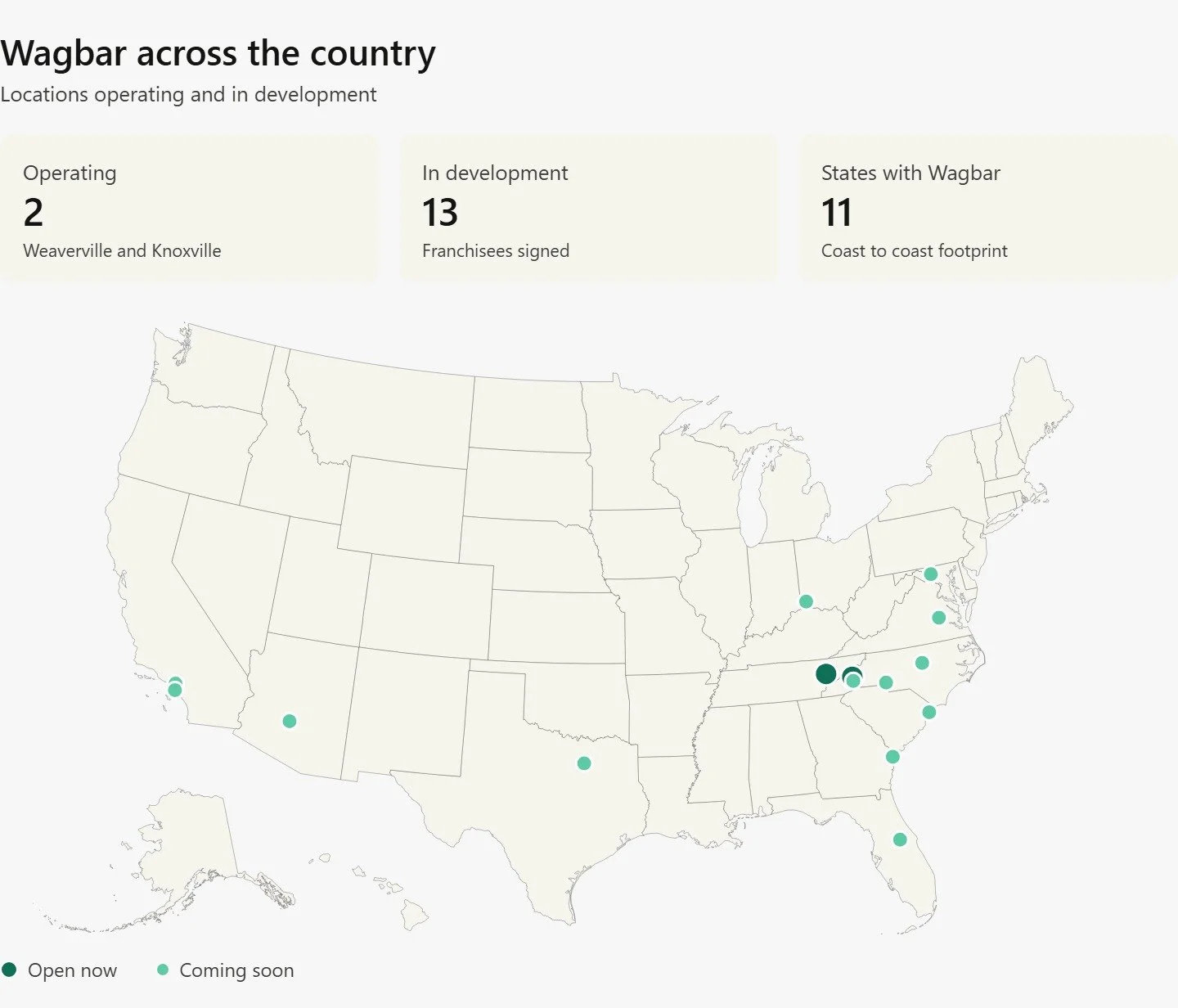
Find the nearest Wagbar at the locations page, or review the FAQ for a full overview of what to bring and expect on your first visit.