
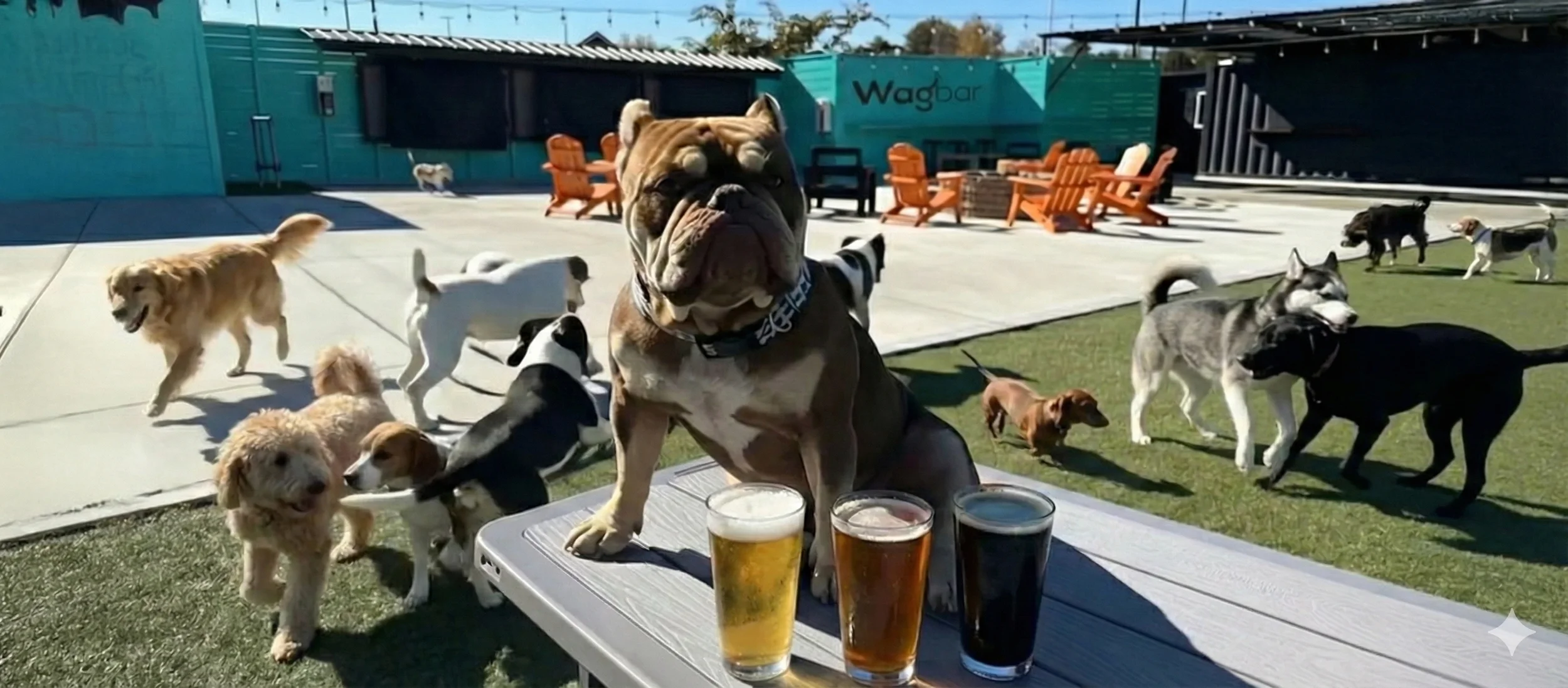
Dog Bar Franchise: How the Hospitality-Pet Hybrid Business Works
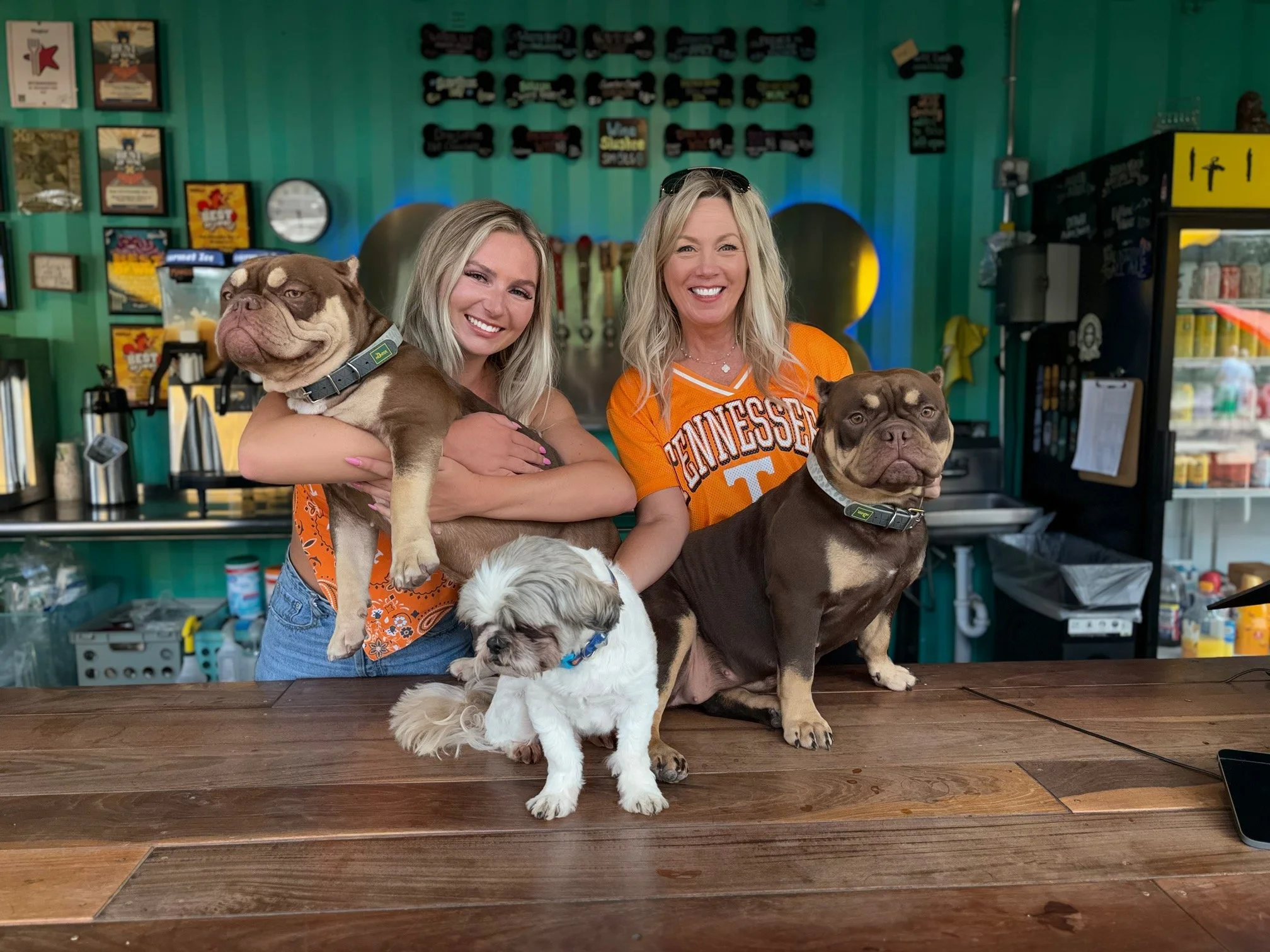
Top TLDR: A dog bar franchise combines a licensed bar with supervised off-leash dog play, creating a dual-revenue business model that's more resilient than either concept alone. Wagbar's hybrid approach generates income from dog entry fees, memberships, beverage sales, and events simultaneously. If you're exploring this opportunity, start by reviewing the Wagbar franchising page to understand investment requirements and available markets.
Most business concepts fit neatly into a category. A bar is a bar. A dog park is a dog park. The dog bar franchise doesn't work that way.
It's a hospitality business where the dogs are half the draw. It's a pet service business where bar revenue funds the operation. The two halves don't just coexist — they make each other stronger. Understanding how that works is the key to understanding whether this is the right business for you.
Wagbar has been running this model since 2019, starting in Asheville, North Carolina and expanding to markets across the country. What's emerged is a business architecture that looks simple from the outside but requires serious operational thinking to pull off well.
What the Dog Bar Franchise Model Actually Is
At its core, a dog bar franchise is a day-use social venue. Dogs come to play. Their people come to relax, have a drink, and be around other dog owners. Nobody boards a dog overnight. Nobody grooms a dog. Nobody trains a dog. The service is the experience itself.
That framing matters because it shapes everything about how the business runs. You're not providing a care service in the way a daycare or boarding facility does. You're providing a destination. People choose to come here the same way they choose to go to a brewery or a rooftop bar — because they want to spend time there.
The supervised off-leash play area is what makes the destination worth visiting. Without the dog park component, you're just another bar. Without the bar, you're a dog park that probably can't sustain the staffing and infrastructure needed to do it well. The combination creates something neither concept could achieve alone.
The Revenue Architecture: Where the Money Comes From
Dog Entry Fees and Memberships
Every dog that walks through the gate generates revenue. Day pass visitors pay per visit and must show proof of vaccinations each time. Members pay on a recurring basis and skip the vaccine verification step after their first visit.
Wagbar offers several membership structures: daily, monthly, annual, and 10-visit punch passes. This tiered approach serves different customer segments. Frequent visitors gravitate toward annual memberships. Occasional visitors prefer day passes or punch cards. The result is a customer base with mixed revenue profiles — some highly predictable (annual members), some variable (walk-ins).
The membership model does something important for the business: it creates recurring revenue. Rather than starting from zero each month, a franchisee with a healthy membership base begins the month with a floor of revenue already locked in. That's a financial foundation most bar concepts would envy.
It's also worth noting that memberships belong to the dog, not the human. Human entry is free for guests 18 and older. This removes a barrier to entry for customers who might not want to pay a cover and creates a genuinely welcoming atmosphere.
Bar Revenue: The Hospitality Half
The bar operation runs alongside the dog park, not as an afterthought. Beverage sales — draft beer, craft brews, wine, seltzers, cocktails, and non-alcoholic options — represent a significant revenue stream that scales with foot traffic.
Unlike a standalone bar, the dog bar format enjoys natural dwell time. When your dog is playing and you're watching from a shaded seat, you're not in a hurry to leave. That extended visit time translates to more beverages per customer per visit. A guest who stays two hours spends more than a guest who stays 45 minutes, and the dog park provides a built-in reason to stay longer.
The container bar model Wagbar uses — converting shipping containers into fully equipped bar structures — provides a relatively efficient build-out solution. It reduces construction complexity and creates a consistent visual identity across locations.
Event Revenue
Events are a third revenue layer. Wagbar locations host breed meetups, trivia nights, live music, holiday celebrations, food truck partnerships, and private events. Each of these serves multiple purposes: direct revenue, community building, social media content, and repeat visitation.
Private event bookings are particularly valuable because they often fill slower periods and bring in groups who then become regular customers. A birthday party at a dog bar tends to create new regulars.
How Liquor Licensing Works for Venues with Animals
This is one of the most common questions prospective franchisees ask, and it's worth addressing directly. The short answer: it's manageable, but it requires local research and planning.
Liquor licensing is regulated at the state level, with local municipalities sometimes adding additional requirements. There's no single national standard. What complicates it for dog bar concepts is that most licensing frameworks weren't written with animals in mind, creating some ambiguity that needs to be navigated at the local level.

Typical Approaches
Most successful dog bar operators separate the physical space between the bar service area and the dog play area in a way that satisfies health department and alcohol control board requirements. The dogs aren't behind the bar. The bar service area typically has a defined perimeter. This spatial separation often satisfies regulatory concerns while still creating an environment where people can watch their dogs play while holding a drink.
Some states have cleaner pathways for outdoor venue licensing, which works well for dog bars with outdoor play areas. Others require more creative structuring. This is one reason why working with a franchise system rather than going independent has real value — a franchisor with existing locations has already navigated these conversations in multiple markets.
Wagbar's franchise training covers the regulatory environment specific to each market, and franchisees benefit from the experience accumulated across existing locations. That institutional knowledge is genuinely valuable when you're trying to understand what a local alcohol control board is going to require before they issue a license.
What Affects Licensing
State and local alcohol regulations vary dramatically. Factors that influence the path to licensure include whether your space is primarily indoor or outdoor, how the bar service area is physically configured relative to the dog area, what license type you're applying for (beer and wine only vs. full liquor), and local zoning classifications for your property.
The Wagbar model in Knoxville, for example, serves draft beer, craft brews, cocktails without hard liquor, seltzers, wine, and non-alcoholic options. That beer-and-wine approach can simplify the licensing process in some markets compared to seeking a full spirits license.
Staffing Across Two Service Disciplines
Running a dog bar franchise means hiring and managing two fundamentally different types of workers.
The Park Monitor Role
The people who oversee the dog play area need genuine dog knowledge. They're watching body language across a full park, reading the early signs that a play session is escalating, and intervening before situations become problems. This is skilled work. Someone who "likes dogs" isn't automatically equipped for it.
Wagbar staff are trained to intervene when a dog isn't playing nicely. That training happens both during the franchisee onboarding week and as part of the ongoing orientation for each location's team. The dog behavior guide that Wagbar publishes reflects the kind of knowledge park staff need to develop.
The park monitor role also handles customer-facing safety responsibilities: checking vaccination records for day pass visitors, enforcing the code of conduct, and managing any situations where a dog or human needs to be asked to leave. It's a combination of animal behavior knowledge and customer service skill.
Bar Staff
Bar staff need the standard set of hospitality competencies: responsible alcohol service, POS system proficiency, inventory management, customer engagement. They're working in a unique environment — a bar where dogs are nearby and the clientele is largely defined by their relationship to those dogs — but the core competencies are the same as any bar operation.
The Management Layer
What makes staffing a dog bar franchise genuinely complex is that a shift manager needs to hold both sides of the operation together. They need to know when the park is getting crowded and flow management is needed. They also need to know when they're running low on a popular draft. Managing across those two disciplines simultaneously is something that comes with experience, and it's a reason why the training week at Wagbar's Asheville location covers both sides of the operation intensively.
Scheduling also requires more thought than a single-concept business. Peak dog park hours and peak bar hours tend to align — weekend afternoons, for example — which means you need adequate coverage across both disciplines during your busiest periods.

Why This Model Is More Recession-Resilient
The pet industry has demonstrated consistent recession resistance. According to the American Pet Products Association, pet spending in the U.S. hit $147 billion in 2023, and the industry maintained growth through both the 2008 financial crisis and the early pandemic period. People reduce spending on themselves before they reduce spending on their pets.
But the dog bar franchise doesn't just benefit from pet industry resilience. It benefits from the specific psychology of discretionary spending decisions during economic stress.
The Affordable Luxury Dynamic
When household budgets tighten, people trade down from expensive experiences to more affordable ones. A family that used to spend $200 on a weekend dinner outing might now spend $40 on a dog park bar afternoon instead. The experience still feels special. The dog still gets to socialize. The parents still get a drink and adult conversation. The cost is a fraction of what it would have been at a nicer restaurant.
Dog bar visits sit in the "affordable treat" category of discretionary spending, which tends to hold up better than luxury categories during downturns. It's not a necessity, but it's not a splurge either.
Membership Revenue as a Buffer
A standalone bar's revenue is almost entirely transactional — someone shows up and buys drinks, or they don't. During slow periods, revenue drops directly.
A dog bar franchise with a healthy membership base starts every month with that membership revenue regardless of walk-in traffic. That floor provides cash flow stability that pure hospitality businesses rarely have. Combined with bar revenue and event income, the diversified revenue structure creates multiple layers of cushion.
The pet industry market analysis available on Wagbar's site goes deeper on the macroeconomic dynamics driving the pet services sector, which is worth reviewing if you want the full picture.
What Experience Background Makes a Good Franchisee
Wagbar's franchising page notes that business experience helps, but passion for dogs matters more than any specific background. That said, certain experience profiles translate particularly well to this business.
Restaurant and Hospitality Operators
If you've run a restaurant, you already understand the fundamentals that make the hospitality half of this business work. Food cost control, labor scheduling, inventory management, vendor relationships, and the rhythms of a service business are all transferable. The dog park component adds a layer, but you're building on a foundation you already have.
Restaurant experience also gives you realistic expectations about the operational demands of this business. You know that margins require attention and that a good concept can fail with poor execution.
Bar Management and Bar Owners
Similar to restaurant operators, people with bar management experience bring direct relevance to the beverage operation. They understand liquor licensing, responsible service, inventory systems, and how to build a bar program that drives repeat business.
The additional challenge for bar-background franchisees is the dog park operation, which is genuinely unfamiliar territory. But the training system addresses this, and the structured supervision protocols provide a framework that doesn't require you to arrive as a dog behavior expert.
Dog Industry Professionals
Veterinary technicians, dog trainers, boarding facility operators, and others who have worked professionally with dogs bring the opposite profile — strong on the animal side, learning the business side. The dog park management piece comes naturally. The bar and hospitality operation requires more attention during onboarding.
What's useful about dog industry backgrounds is the credibility it creates with customers. When staff can speak knowledgeably about why a dog is doing what it's doing in the park, customers notice and trust the operation more.
The Non-Traditional Path
A meaningful number of Wagbar franchisees come from entirely different industries. AJ Sanborn in Richmond spent two decades in financial services before deciding he'd rather build something in his community than continue climbing a corporate ladder. Jennifer in Los Angeles came from a long corporate career driven by a lifelong passion for animals.
The common thread isn't industry background — it's a genuine love for dogs combined with a willingness to run a real business. The franchise system provides the operational framework. The passion for dogs is what you bring.
The off-leash dog bar investment guide on Wagbar's blog offers a useful checklist for evaluating whether your background and goals align with what this business requires.
The Container Bar Advantage
Wagbar's build-out solution deserves a mention because it directly affects the economics of opening a location. By partnering with a company that converts shipping containers into fully equipped bar and bathroom structures, Wagbar has created a more predictable path to opening than most hospitality concepts offer.
Custom bar build-outs are expensive, time-consuming, and full of variables. The container approach reduces construction complexity, shortens build timelines, and creates a consistent visual identity that customers associate with the brand across markets. For a franchisee who hasn't run a construction project before, this turnkey element removes a significant source of risk.
Training, Support, and the Opener App
Wagbar's training system runs in phases. Before the hands-on week at Asheville headquarters, franchisees work through the proprietary "Opener" app — a digital guide to the pre-opening process that walks through everything from site preparation to hiring to regulatory requirements.
The in-person training week covers dog behavior management, bar operations, staff training protocols, customer service standards, and marketing basics. A Wagbar team member is also present for the grand opening itself. After that, support continues through quarterly business reviews, marketing resources, and access to the franchisee community network.
This structure matters because it means you don't have to figure out the dog park and bar combination independently. The operational playbook already exists. Your job is to execute it well in your market and build the community relationships that turn first-time visitors into members.
Investment Overview
The initial franchise fee is $50,000. Total estimated initial investment ranges from $470,300 to $1,145,900 depending on location size, market conditions, and build-out specifics. The ongoing royalty structure is 6% of adjusted gross sales, plus 1% of adjusted gross sales to the Wagbar marketing fund.
For franchisees committing to three or more units, a 50% multi-unit discount on the franchise fee applies. That structure reflects the brand's interest in building market density in key cities rather than spreading single locations across too many markets.
Contact Wagbar to get full financial details specific to available markets. The revenue streams guide goes deeper on how the different income components work together at the location level.
The Community Dynamic as a Business Asset
One underappreciated aspect of the dog bar franchise model is what happens when you get the community piece right. It's not just warm and fuzzy — it has direct financial implications.
Membership Retention
A dog owner who feels like they're part of something at your location renews their membership without thinking about it. They come multiple times a week. They bring friends who become members. They post photos to social media without being asked. They defend the business online when someone posts a critical review.
A dog owner who sees your location as a transactional service — I pay, my dog plays, I leave — is much easier to lose. They cancel when their budget gets tight. They don't bring friends. They don't create organic marketing.
The community-driven approach to running a dog bar isn't just brand strategy. It's a retention mechanism with real revenue implications. Wagbar's community building guide outlines how dog-focused businesses create the kinds of customer relationships that drive long-term revenue.
Events as Community Infrastructure
The event calendar at a Wagbar location — trivia nights, breed meetups, holiday bashes, food truck partnerships — isn't primarily an entertainment offering. It's a reason for people to show up on a Tuesday when they might otherwise stay home. It's a story customers tell their friends. It's the thing that makes membership feel like belonging rather than access.
Breed-specific meetups are particularly effective. When a lab owner knows that every other Saturday morning is for lab people, they organize their weekend around that. That level of behavior change represents deep customer loyalty, and it's hard to replicate without the physical space and community infrastructure that a dog bar provides.
The Membership Social Network
Members know each other. Dogs have friendships. When your dog's best friend belongs to another member family, your membership renewal becomes a social obligation as much as a financial decision. You're not just deciding whether the service is worth the money — you're deciding whether to take your dog away from their friends.
That social stickiness is a competitive moat that most businesses can't build. It emerges naturally from running an off-leash play environment where the same dogs and owners show up regularly. It's one more reason the dog bar franchise model is harder to displace than it looks.
What Markets Work Best
Strong dog bar franchise markets share several characteristics. Higher median household incomes, because the service sits at the mid-range of discretionary spending and requires customers who have that discretionary budget available. Dense pet ownership, particularly in communities with higher rates of apartment and condo living where dogs don't have private yards. A culture of social spending — craft beer scenes, community-oriented neighborhoods, markets that support local businesses.
Wagbar's active expansion covers markets across the Southeast, Mid-Atlantic, Texas, California, and beyond. The best cities for dog franchise success resource on Wagbar's site provides demographic analysis of what makes a market work.
Frequently Asked Questions
Do I need experience in both the bar and pet industries to open a dog bar franchise?
No. Wagbar's franchisee base includes people from financial services, corporate careers, hospitality, veterinary work, and other fields. The training system is designed to fill gaps regardless of your background. What matters more than specific industry experience is a genuine connection to the concept and the operational seriousness to run a real business.
How does liquor licensing work when animals are present?
It varies by state and municipality. Most successful dog bar operators create a defined physical separation between the bar service area and the dog play area that satisfies local health and alcohol control requirements. Working through a franchise system gives you access to knowledge from markets where this has already been navigated. Your specific path to licensure will depend on your state's regulations and local requirements.
What's the primary revenue source in a dog bar franchise?
There isn't a single dominant revenue source by design. Dog entry fees, memberships, beverage sales, and event revenue all contribute. This diversification is part of what makes the model more stable than a single-concept business. Membership revenue in particular creates predictable recurring income that most hospitality businesses don't have.
How many staff does a dog bar location typically require?
Staff size varies with location size and operating hours, but at minimum a shift needs both park monitoring coverage and bar coverage simultaneously. The dual-discipline requirement means you can't understaff and have one person do both jobs effectively during busy periods.
Is this a good business for someone who has never owned a business before?
It can be, particularly because the franchise system provides an operational framework rather than requiring you to build from scratch. That said, this is a real business with real complexity. The more relevant experience you have with managing people, handling finances, and working customer-facing roles, the better prepared you'll be.
What does the training cover?
Wagbar's training covers dog behavior management, bar operations, staff training, customer service standards, the proprietary Opener app for pre-opening, and marketing basics. A Wagbar representative is also present for the grand opening. Ongoing support continues through quarterly reviews and the franchisee network.
How does the dog bar concept hold up during economic downturns?
The pet industry has historically shown resilience during recessions, and the dog bar format benefits from the affordable luxury dynamic — it's the kind of social experience people scale to rather than eliminate when budgets tighten. Membership revenue also provides a floor of recurring income that pure transactional businesses don't have.
The dog bar franchise business model works because it's not two separate businesses sharing a space. It's one business whose two halves reinforce each other in ways neither could achieve independently. The dogs bring the people. The bar gives people a reason to stay. The memberships turn visitors into regulars. The community that forms keeps people coming back.
If you're ready to learn more about bringing this concept to your market, the Wagbar franchising page is the right starting point.
Bottom TLDR: The dog bar franchise model combines supervised off-leash dog play with licensed bar operations to create a diversified revenue business drawing income from memberships, entry fees, beverage sales, and events simultaneously. Wagbar's hybrid structure is more recession-resilient than either a standalone bar or a traditional dog park because membership revenue provides a predictable monthly floor while bar and event income scales with foot traffic. Prospective franchisees should explore the Wagbar franchising page to review investment requirements and available markets.