

Craft Beer and Dog Friendly Bars: Why the Two Pair So Well

Craft beer drinkers and dog owners share most of the same demographics: outdoorsy, community-minded, willing to pay a bit more for something local and well-made. Dog friendly bars (especially off-leash spots like Wagbar in Weaverville, North Carolina) work because they put the two scenes in the same room. Local breweries get a built-in audience. Dog owners get a real beer list. Visit on a Saturday to see why both sides keep showing up.
The Overlap Between Craft Beer Fans and Dog Owners
The Venn diagram of craft beer drinkers and dog owners has a huge middle. Both groups skew toward similar age ranges (late 20s through 50s), similar income brackets, and similar values: local over national, community over isolation, outdoor over indoor.
According to the Brewers Association, craft beer accounted for nearly 25% of the U.S. beer market by retail dollar sales in 2023, with 9,761 active craft breweries spread across the country (Brewers Association, 2024). The American Pet Products Association reports that 66% of U.S. households own a pet, with dogs in roughly 65 million households (APPA, 2024). Those two numbers overlap a lot more than they don't.
The psychological overlap matters more than the demographic one. Craft beer drinkers don't just buy beer. They buy a story. They want to know the brewer, the hop variety, the source water, the seasonal rotation. Dog owners aren't just feeding pets. They build their week around walks, dog parks, and tracking down spots that welcome their dog. Both scenes are about belonging to something specific.
A dog friendly bar puts those two scenes in the same physical place. You get to talk to the bartender about which brewery's IPA just landed on the rotating tap, while your dog is off the leash playing with three other dogs in the fenced area. Neither half of the visit feels like a compromise.
Dog Friendly Bar vs. Dog Friendly Brewery: The Real Difference
These two phrases get used interchangeably, but they're not the same thing.
A dog friendly brewery is a regular brewery tasting room that allows dogs on the premises, usually on a leash. Most U.S. craft breweries fall in this category. According to a 2022 survey by the Brewers Association, more than 80% of craft brewery tasting rooms allow leashed dogs in some part of the space (Brewers Association, 2022). The dog comes inside, sits at your feet, and the visit ends when you leave.
A dog friendly bar can mean almost anything: a regular bar with a dog-tolerant patio, a brewery taproom that allows dogs, or a purpose-built dog space. The phrase is too broad to mean much without details.
An off-leash dog bar is something different. It's a bar built around a fenced, off-leash dog area. Your dog isn't just allowed. Your dog is the reason you're there. The fence keeps things safe. The bar serves the humans. The two areas overlap.
Wagbar is the off-leash version. So is Bar K (Kansas City), Watering Bowl (Orlando), Hounds Town USA in some markets, and a small but growing list of others around the country. The model takes more space, more insurance, and more operational care than a regular tap room, but it changes the experience completely.

Here's the practical difference. At a dog friendly brewery, you keep one hand on the leash and watch your dog all visit. At an off-leash dog bar, your dog runs around for an hour while you sit and have a beer. The first is a regular outing with a dog. The second is a dog outing that happens to include a beer.
How Local Breweries Partner With Dog Friendly Bars
The relationship between local breweries and dog friendly bars goes deeper than just rotating taps. Here's what shows up in well-run markets:
Tap takeovers. A brewery brings 4 to 6 of its beers to the dog bar for a one-night event. The brewery promotes it, the bar promotes it, both sides win.
Beer releases. When a brewery launches a new can or cask, the dog bar is often one of the first off-site spots to carry it. The crowd already there is the crowd the brewery wants.
Collab beers. Some markets see brewery-bar collaborations where a beer is brewed specifically for the dog bar. Style matters here: easy-drinking sessionable beers work better than 9% imperial stouts in a place where people stay for hours.
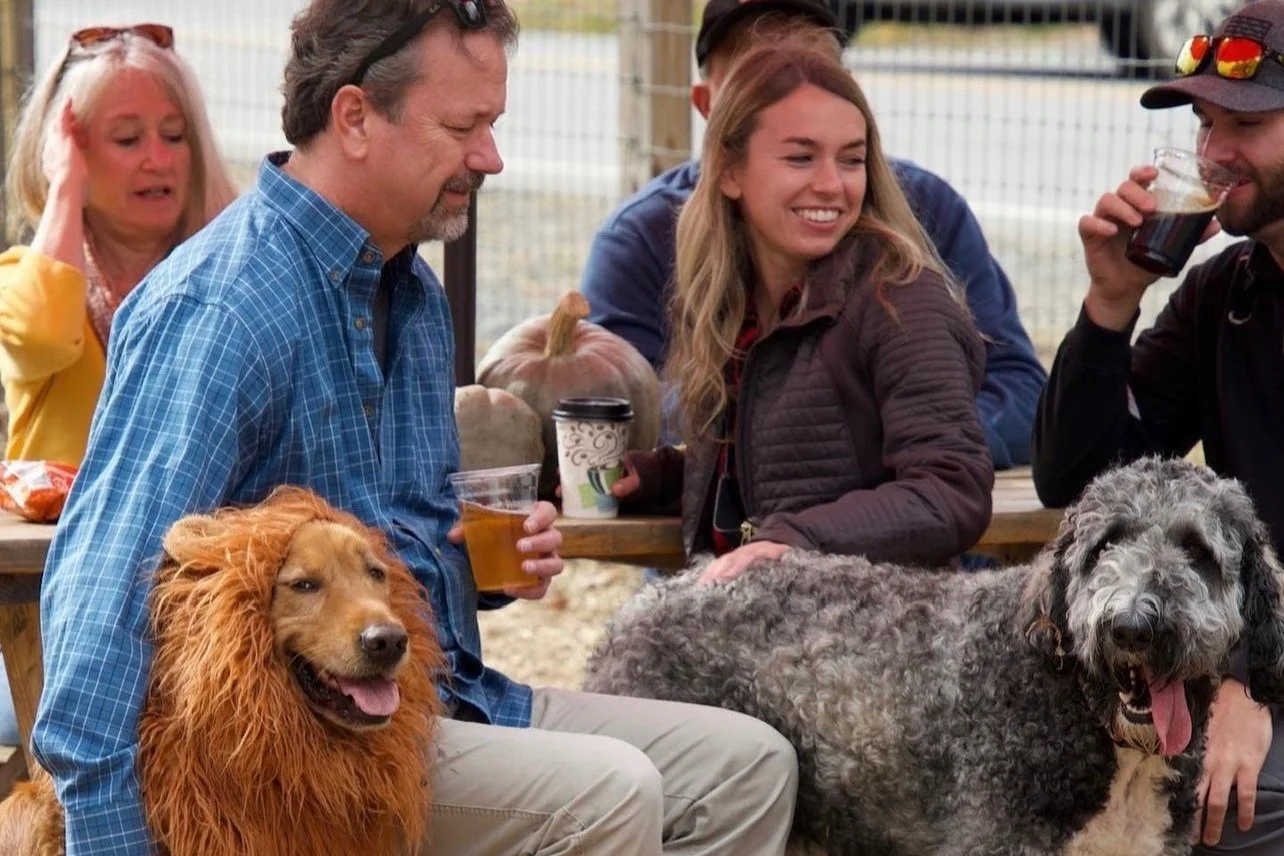
Charity events. Dog bars run a lot of fundraisers (local shelters, rescue groups, vet emergency funds). Breweries often sponsor or donate beer for these. It's a low-cost way for a brewery to show up in the community.
Staff cross-pollination. Bartenders at dog bars often come from brewery taprooms and vice versa. The knowledge stays in the local scene.
The reason this works is that both businesses want the same outcome: a crowd that hangs out, drinks slowly, and comes back. That's the opposite of what most regular bars want (high turnover, fast drinks). A dog bar with good local beer holds people for 90 minutes instead of 30. The math works out the same on volume but the experience is better.
Asheville's Craft Beer Scene and Wagbar's Place in It
Asheville, North Carolina has been on the short list of best beer cities in the U.S. for more than a decade. According to the Brewers Association, North Carolina had more than 380 craft breweries in 2023, and Asheville consistently lands among the top 10 U.S. cities for breweries per capita (Brewers Association, 2024).
The flagship Wagbar in Weaverville sits about 10 minutes north of downtown Asheville. The beer scene flows up from the city into the town. On any given week, the Wagbar tap list reads like a tour of Western North Carolina:
Highland Brewing (Asheville staple, founded 1994)
Wicked Weed Brewing (sour and IPA-focused, Asheville)
Burial Beer (Asheville, known for stouts and IPAs)
Hi-Wire Brewing (Asheville and Knoxville)
Wedge Brewing (Asheville, river district)
Zillicoah Beer (Weaverville's own brewery, walking distance)
Eurisko Beer (Asheville)
Rotating guest taps add variety. A small number of national craft beers (Sierra Nevada, Founders) fill the gap for traveling drinkers who want something familiar.
This setup matters because it's not just window-dressing. The Weaverville flagship was voted #10 in USA Today's 10Best Dog Bars in 2024 (read more in the Wagbar USA Today announcement). That kind of recognition comes from both the dog experience and the beer experience working together, not one carrying the other.
The Wagbar about page covers more on how the original concept came together and why Asheville was the right place to launch it.
Denver, Knoxville, and Other Craft Beer Cities With Dog Bar Scenes
A few other U.S. cities sit at the intersection of strong craft beer and strong dog culture. These are the natural homes for off-leash dog bars, and they're where the model travels best.
Denver, Colorado. Denver has more than 150 active breweries and one of the highest rates of dog ownership of any large U.S. city. The combination of outdoor culture, walkability, and craft beer density made Denver a target for off-leash dog bar expansion. The Denver franchise opportunity page and the Wagbar Denver blog post cover why the market fits.
Knoxville, Tennessee. Knoxville's beer scene has grown fast over the last decade with Hi-Wire, Yee-Haw, Schulz Bräu, and Crafty Bastard leading the way. The dog scene is built around walkable downtown neighborhoods and the proximity to outdoor recreation in the Smokies. The Wagbar Knoxville location opened in late 2025 to tie the two scenes together.
Portland, Oregon. Portland has the highest brewery count per capita of any major U.S. city and a similar dog ownership rate to Denver. The model fits but the rain limits outdoor patio time. Indoor off-leash space is harder to build, which is why Portland has been slower to grow off-leash dog bars.
San Diego, California. Strong craft beer (Stone, Ballast Point, Modern Times) plus a dog-friendly climate. The off-leash bar concept works here but real estate costs slow things down.
Austin, Texas. Big craft beer scene, big dog culture, lots of outdoor space. A natural fit, though humidity in summer pushes most dog activity to mornings and evenings.
Other markets that fit the model include Greenville (SC), Richmond (VA), Cincinnati (OH), and Phoenix (AZ). All are on Wagbar's expansion list, with locations in development across the full network.
What's on Wagbar's Tap List
The tap list at any Wagbar location follows a few rules.
Most of the lineup is local. At least 70% of the rotating taps come from breweries within 100 miles of the location. That's a deliberate choice, not a coincidence. People come to a dog bar to drink local.
Style coverage is broad. A typical lineup includes:
2 to 3 easy-drinking options (lagers, pilsners, light hazy IPAs)
1 to 2 standard IPAs
1 sour or fruited option
1 darker beer (porter, stout, brown ale)
1 wheat or seasonal beer
2 to 3 ciders or hard seltzers
1 to 2 N/A options (Athletic, hop water)
Rotation is frequent. Most taps change every 2 to 4 weeks. Some seasonal taps (a Christmas Märzen or summer wheat) cycle in and out predictably.
N/A beer is real. Not an afterthought. With dog bar visits often lasting 90 minutes or more, designated drivers and sober guests need real options.
Cans and bottles back up the draft list. Drafts run out. Cans don't. The cooler holds backups for regulars who want something specific.
The full dog bar menu rundown covers the broader human and dog menu side by side. The pup cup guide walks through what's on the dog side specifically. For members who visit weekly, the membership program covers how the math works out for repeat visits.
The Last Pour
Craft beer and dog friendly bars work together because both scenes attract the same people for the same reasons. Local-first values, community over isolation, experience over speed. Off-leash dog bars like Wagbar in Weaverville, Knoxville, and locations in development across the country build the model around that overlap. Local breweries fill the tap list. Dog owners fill the patio. The two scenes feed each other. If you've never been to an off-leash dog bar with a real craft beer list, an Asheville-area Saturday afternoon is the easiest way to see why the pairing works.
Frequently Asked Questions
Can I drink craft beer at a dog friendly bar?
Yes, and most dog friendly bars carry a deeper craft beer list than a typical neighborhood bar. The crowd skews toward people who appreciate local beer, so the rotation reflects that. At Wagbar in Weaverville, North Carolina, the lineup is roughly 70% Western North Carolina breweries.
What's the difference between a dog friendly bar and a brewery that allows dogs?
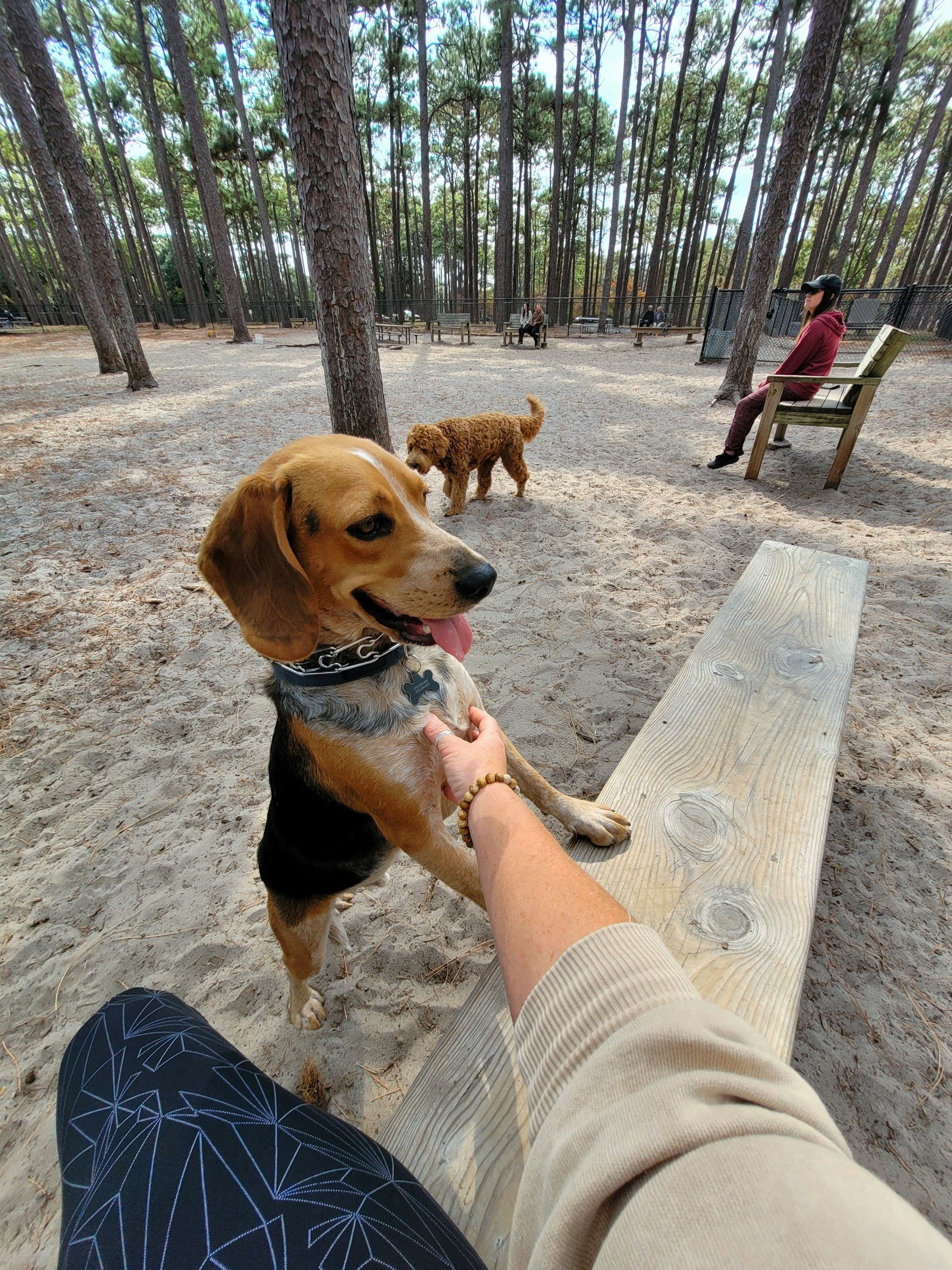
A brewery that allows dogs requires dogs to stay on leash inside the taproom. A dog friendly bar can mean the same thing or something different. An off-leash dog bar (like Wagbar) is built around a fenced area where dogs run free while owners drink. The experience is fundamentally different.
Why are dog bars more common in craft beer cities?
Cities with strong craft beer scenes tend to have similar demographics to cities with strong dog cultures: outdoorsy, community-oriented, willing to spend on local experiences. Asheville, Denver, Knoxville, Portland, and Austin are good examples. The two scenes draw the same people, so the businesses that combine them do well.
Does Wagbar serve only local beer?
Most of the tap list is local (70% or more from breweries within 100 miles), but rotating guest taps and a few national craft options round out the list. Sierra Nevada or Founders might appear alongside the WNC core. The mix changes with season and supply.
Can I bring my dog to a regular craft brewery?
Most U.S. craft breweries allow dogs on leash in their taprooms, but rules vary by location. Some allow dogs in outdoor areas only. Some don't allow dogs at all due to local health codes. Always check the brewery's website or call ahead before bringing your dog.
Are there off-leash dog bars outside of Asheville?
Yes, and the number is growing. Wagbar has locations in development across the South and beyond (Knoxville, Cary, Charlotte, Dallas, Richmond, Cincinnati, Phoenix, and others). Other operators run similar concepts in markets like Kansas City (Bar K) and Orlando (Watering Bowl). The full Wagbar locations list covers the latest.
How long do people stay at a dog friendly bar?
Longer than a regular bar. The average visit at an off-leash dog bar runs 60 to 90 minutes, compared to 30 to 45 minutes at a typical taproom. The dog needs time to socialize and burn energy, and the owners settle in for more than one drink. That's a big part of why the model works financially for both the bar and the breweries.
Where can I get more info on visiting Wagbar?
The Wagbar FAQ page covers most common visit questions. The beginner's walkthrough covers what to expect on a first visit, including check-in, the dog menu, and off-leash etiquette inside the park.