

Complete Guide to Dog Park Behavior Problems: Prevention, Solutions & Training Protocols
Dog park behavior problems don't emerge randomly. They develop through patterns of reinforcement, missed warning signals, and environmental factors that owners often don't recognize until problems become established. Most behavioral issues at dog parks are preventable through proper preparation, and nearly all are manageable with appropriate intervention strategies.
The key difference between dogs who thrive at parks and those who struggle lies in understanding behavioral progression before problems escalate. This guide provides actionable protocols for preventing, recognizing, and resolving the most common dog park behavioral issues using evidence-based training methods. For foundational knowledge before addressing specific problems, review our complete dog park guide covering etiquette, safety, and success strategies.
Understanding Root Causes of Dog Park Behavioral Issues
Dog park problems rarely start at the park itself. Most issues originate from incomplete socialization, unrealistic owner expectations, or mismatches between a dog's temperament and the park environment. Understanding these root causes allows you to address problems at their source rather than managing symptoms.
Inadequate early socialization creates dogs who lack the social fluency needed for complex dog-dog interactions. Dogs who miss critical socialization windows between 3-16 weeks often develop fear-based reactions or inappropriate play styles that cause conflicts later. These dogs haven't learned how to read social signals, respond to corrections, or self-regulate during exciting play. Our socialization and behavior hub provides comprehensive resources for addressing these developmental gaps.
Poor impulse control manifests as dogs who can't disengage from interactions, respect other dogs' boundaries, or respond to owner recalls. This often stems from inconsistent training at home where arousal and excitement regularly override learned behaviors. Dogs learn that overexcitement produces rewarding outcomes, making park environments—which naturally elevate arousal—impossible to navigate successfully.
Breed-specific traits mismatched to park dynamics create problems when herding breeds nip at running dogs, terriers fixate on small animals, or guardian breeds show protective behaviors toward owners. These aren't behavior problems in the traditional sense—they're natural breed tendencies expressed in inappropriate contexts. Understanding breed compatibility and pack management helps owners recognize which situations set their dogs up to fail.
Stress accumulation from repeated overwhelming experiences progressively worsens behavior even in initially confident dogs. Each time a dog feels threatened, trapped, or overwhelmed without being able to escape or self-advocate, stress builds. Eventually, these dogs preemptively aggress to create distance, developing reputations as "problem dogs" when they're actually exhibiting predictable stress responses.
Owner anxiety and hypervigilance transfer directly to dogs through leash handling, voice tone, and body positioning. Research on human-dog dyads shows that owners radiating tension produce dogs who mirror that anxiety, creating self-fulfilling prophecies where owner fear of problems actually triggers defensive behaviors.
Common Dog Park Behavioral Issues by Category
Overarousal and Poor Self-Regulation
Dogs unable to regulate their arousal levels become the "that dog" at every park visit—body-slamming into play groups, ignoring social signals to back off, and escalating play to uncomfortable intensities. This isn't aggression; it's failure to downregulate excitement.
Overaroused dogs show specific patterns: dilated pupils, frantic panting, inability to disengage from play, and progressive intensification of wrestling or mouthing. These dogs don't respond to calming signals from other dogs and often trigger defensive reactions from dogs who would otherwise be friendly. Understanding group play dynamics and safety helps you recognize when arousal levels cross into problematic territory.
The behavior stems from insufficient impulse control training and too much access to high-arousal activities without learning self-calming. Many owners accidentally reinforce this by bringing dogs to parks during peak excitement hours, believing "tired dog = good dog" without recognizing that practicing overarousal makes it stronger.
Possessive Aggression and Resource Guarding
Resource guarding at dog parks differs from home guarding because dogs must defend transient resources—water bowls, toys, shaded spots, or even owner attention—without established territorial ownership. This unpredictability makes guarding more likely and more dangerous.
Guarding behavior progresses through predictable stages: stiffening when another dog approaches, hard stares, growling, snapping, and finally biting. Most owners miss the early warning signs, intervening only after escalation. Understanding canine body language and stress signals allows earlier intervention before conflicts develop.
Dogs with guarding tendencies show them across contexts, not just at parks. These dogs typically guard food bowls, toys, or sleeping spots at home. The park environment simply amplifies existing guarding behaviors through competition and uncertainty about resource availability.
Fear-Based Reactivity and Defensive Aggression
Fear-reactive dogs at parks present challenging behaviors because their aggression stems from perceived threat rather than true aggression. These dogs aren't trying to dominate or bully—they're attempting to create distance from things that frighten them.
Typical fear patterns include lunging while retreating, bark-and-back-away sequences, and attacks followed immediately by escape attempts. These dogs show conflict between wanting to drive away threats and avoiding confrontation, creating unpredictable responses that confuse other dogs and escalate situations.
Reactive dog behavior often develops or worsens through dog park exposure when owners push fearful dogs beyond their comfort thresholds. Each overwhelmed experience strengthens neural pathways associating parks with threat, progressively worsening reactivity.
Predatory Drift and Chase Behavior
Predatory drift occurs when play triggers hunting instincts, transforming friendly chase into concerning pursuit. This primarily affects dogs with high prey drive—terriers, sighthounds, herding breeds—but any dog can experience it during intense arousal.
Warning signs include: sustained pursuit without breaks, increased speed beyond playful levels, focused attention without social checking-in behaviors, and targeting specific body parts (neck, flanks). The pursuing dog's facial expression shifts from relaxed play face to intense focus with hard eyes.
Many owners misinterpret predatory drift as normal play until the chased dog screams or gets injured. Understanding this progression allows intervention before chase behavior crosses into dangerous territory.
Bullying and Persistent Targeting
Bullying differs from dominance displays or appropriate social corrections. True bullying involves persistent targeting of specific dogs, continuing past clear submission signals, and creating environments where victims cannot escape or relax.
Bullies often select vulnerable targets—puppies, seniors, fearful dogs, or recent arrivals—focusing harassment through mounting, pinning, stalking, or relentless pursuit. The behavior serves to control other dogs' movement and behavior rather than establishing temporary hierarchy or resolving conflicts. Understanding different breed play styles and temperaments helps identify compatible versus problematic play partnerships.
Most bullying develops when dominant-assertive dogs receive insufficient structure at home, teaching them that controlling others' behavior is rewarding. These dogs aren't necessarily aggressive—they've learned that being "in charge" produces desired outcomes without learning appropriate social boundaries.
Humping and Mounting Behaviors
Mounting at dog parks represents one of the most misunderstood behaviors. While sometimes sexually motivated in intact dogs, mounting primarily expresses overarousal, social confusion, stress responses, or attempts to control other dogs' movement.
Context determines whether mounting is problematic. Brief mounting during excited play that the mounted dog tolerates usually isn't concerning. Persistent mounting despite resistance, mounting as first response to meeting new dogs, or mounting accompanied by hard body language suggests problem behavior requiring intervention.
The behavior often escalates when owners laugh, ignore it, or react inconsistently. Dogs learn mounting produces interesting outcomes—whether attention, conflict, or successful control of other dogs—reinforcing the behavior across contexts.
Ignoring Recall and Choosing Park Over Owner
Recall failure at parks stems from dogs learning that coming when called ends fun. Standard training advice to "always make recall rewarding" conflicts with park realities where recall means leaving exciting play to go home.
Dogs who ignore recall haven't learned that responsiveness to owners produces better long-term outcomes than chasing immediate fun. They've learned owners call primarily to end good things, making recall itself a punisher rather than a reward opportunity.
This problem compounds when owners repeatedly call without enforcing compliance, teaching dogs that recall is optional. The pattern of ineffective calling strengthens through repetition, requiring systematic retraining to reverse.
Fighting and Serious Aggression
True fighting differs from the noisy scuffles that alarm inexperienced owners but rarely cause injury. Real fights involve sustained attack with intent to harm, often triggered by specific situations rather than appearing randomly.

Fight triggers include: dogs who guard resources, unneutered males competing for attention from females in heat, dogs with poor social skills misreading play invitations as threats, and reactive dogs responding to boundary violations. Understanding these triggers allows prevention through environmental management and careful dog selection.
Most serious aggression at parks results from inadequate intervention during warning stages. Recognizing fight warning signs early enables owners to prevent escalation rather than managing aftermath.
Prevention Strategies Before Problems Develop
Pre-park training foundations make the difference between dogs who succeed and those who struggle. Before any park visit, dogs need solid recalls, impulse control around excitement, and ability to disengage from high-value activities on cue. Our off-leash training checklist helps you assess readiness before attempting park exposure.
Practice recall around progressively more exciting distractions in controlled environments. Start in your backyard, advance to quiet parks, then practice near—but not in—active play areas. Build value for checking in with you by rewarding voluntary attention with brief returns to play, teaching that compliance leads to more fun, not less.
Impulse control training using games like wait-for-release before meals, stay during exciting activities, and permission-based interactions with interesting things teaches dogs that controlling arousal produces rewards. These skills transfer directly to park situations where self-regulation prevents most behavior problems.
Appropriate socialization timing and environment selection prevents problems from developing. Using optimal park visiting times—typically weekday mornings with smaller, calmer crowds—provides better learning experiences than overwhelming peak hours.
Match early park experiences to your dog's confidence level. Confident puppies may handle busier times, while shy dogs need careful introduction during quiet periods with known-friendly dogs. One overwhelming experience can create lasting negative associations that take months to reverse.
Progressive exposure protocols for new park visitors prevent rushing the process. Visit initially during closed hours to explore the environment without dogs present. Then observe from outside the fence, rewarding calm behavior while your dog watches play. Graduate to brief visits during quiet times, gradually increasing duration and crowd size as confidence builds.
Many behavior problems stem from owners pushing dogs into overwhelming situations too quickly. Progressive exposure—which feels slow but prevents problems—is faster overall than fixing reactivity or fear that develops from premature full-immersion experiences.
Breed-specific consideration before park exposure prevents predictable problems. High-prey-drive breeds need extremely solid recall before off-leash parks. Herding breeds benefit from play partners who tolerate nipping. Guardian breeds may need careful introduction to stranger approach situations. Resources like our small dog breeds guide and family dog breeds guide provide breed-specific behavioral insights.
Research your breed's typical park challenges. Terrier owners should prepare for possessive behavior around toys. Sighthound owners need particularly strong recall training. Understanding breed-specific risks allows targeted preparation rather than reactive problem-solving.
Physical exercise management prevents problems stemming from excessive energy. However, pre-park exercise should calm, not overstimulate. A slow-paced leash walk arrives dogs in better mental states than wild backyard sprinting immediately before park visits.
The goal is "calm-alert" rather than "exhausted" or "hyped-up." Dogs who arrive overstimulated or overtired show worse behavior than those arriving in balanced physical and mental states.
In-the-Moment Intervention Techniques
Early recognition and immediate removal prevents escalation better than any intervention after arousal peaks. Learn to recognize your dog's early stress signals—stiffening, whale eye, avoidance behavior, excessive yawning—and remove them before reactive behaviors emerge.
Create a specific removal cue—"Let's go," "This way," or whistle—paired with high-value rewards for immediate compliance. Practice this cue extensively in low-distraction environments before expecting reliable response during park excitement.
When you notice early warning signs, use your pre-established cue and move away from triggers immediately. Don't attempt conversation with other owners or gradual disengagement. Swift, calm removal teaches your dog that you'll manage uncomfortable situations before they become overwhelming.
Interruption techniques for arousal escalation give you tools when removal isn't immediately possible. Sound interruptions (kissy noises, hand claps, sharp whistle) can break fixation if practiced extensively beforehand. Physical interposition—calmly stepping between your dog and their target—creates distance without confrontation.
Avoid yelling, which adds energy to already-escalated situations. Instead, use previously conditioned interrupters that your dog associates with redirection to rewarding alternatives. The interruption itself shouldn't be punishing—it's simply a signal that a better option exists.
Strategic positioning and movement management prevents problems before intervention becomes necessary. Position yourself to observe your dog's interactions without hovering. Move toward exits when crowd dynamics deteriorate or your dog shows stress. Use environmental features—benches, trees, fences—to create natural barriers that give your dog processing space.
Active positioning feels different from anxious hovering. Maintain calm confidence while strategically managing your dog's access to potential triggers. This balanced approach prevents both neglectful supervision and helicopter parenting that increases anxiety.
Appropriate use of timeouts helps overaroused dogs reset their nervous systems. When your dog exceeds manageable arousal levels, leash them for 2-3 minutes of calm observation rather than continued play. This prevents practicing overarousal while teaching that breaks from play are normal, not punishing.
Timeouts work best when implemented proactively—before your dog loses control—rather than reactively after problems develop. Watch for progressive arousal buildup and intervene during early stages when redirection is still possible.
Communication with other owners during incidents requires directness without aggression. If another dog targets yours, clearly state: "My dog needs space, please recall yours." Don't wait for the other owner to notice problems or ask permission to protect your dog.
Similarly, if your dog causes problems, immediately leash them and create distance. Apologize briefly without extensive explanation and remove your dog from the situation. Effective management matters more than social niceties during active behavioral incidents.
Long-Term Training Protocols for Persistent Issues
Systematic desensitization for fear-based behaviors requires patient, structured exposure at sub-threshold levels. Create a hierarchy of fear triggers—from easiest to most difficult—and work through them methodically at distances or intensities where your dog remains under threshold.
For dogs fearful of other dogs, this might progress from: observing calm dogs from 50 feet, observing active dogs from 30 feet, being near quiet dogs on leash, brief interactions with one calm dog, small play groups with known dogs, and finally supervised park visits during calm periods.
Progress through stages only when your dog shows consistent relaxed responses at current levels. Rushing the process recreates overwhelm that strengthens fear rather than building confidence.
Counter-conditioning arousal triggers changes emotional responses from excitement-escalation to calm-assessment. When your dog fixates on triggers (other dogs, play equipment, running children), pair trigger appearance with high-value rewards delivered for calm acknowledgment.
Initially reward any break in fixation or any reduction in arousal. Gradually require longer calm observation before rewards. This teaches that noticing triggers while remaining regulated produces rewards, while overarousal produces no access to desired activities.
Building reliable recalls through differential reinforcement solves the persistent park recall problem. Establish that coming when called sometimes means brief leash time and immediate return to play, teaching that compliance doesn't always end fun.
Practice variable outcomes: sometimes recall means treats and return to play, sometimes brief leash walking then release, sometimes temporary timeout then release, and occasionally leaving the park entirely. This unpredictability prevents dogs from learning that recall signals park exit, maintaining response reliability.
Impulse control games translating to park situations include "wait for release" before exciting activities, "stay" during movement or play happening nearby, and "choose me" where choosing to engage with you produces better rewards than self-selected activities.
Practice these skills in progressively more distracting environments, gradually approximating park arousal levels. The key is making owner-directed activities compete successfully with environmental excitement through strategic reward delivery and clear behavioral expectations.
Structured playdate training for dogs with social skill deficits builds appropriate interaction patterns in controlled settings. Arrange sessions with patient, socially skilled dogs who will appropriately correct without overreacting to social errors.
These sessions should include human intervention—interrupting play that becomes too intense, enforcing breaks, and rewarding appropriate social behaviors. This scaffolded learning teaches dogs social skills that unmanaged park environments don't provide.
Environmental management for trigger avoidance while building skills creates success experiences without practicing problem behaviors. If your dog guards resources, visit parks without toys or water bowls. If your dog struggles with crowded spaces, visit during quiet periods. This isn't avoiding the problem—it's creating conditions for skill development without overwhelming your dog.
As skills improve through targeted training, gradually increase environmental challenges. Environmental management is a training tool, not permanent accommodation.
Focus and engagement training for park environments teaches dogs that checking in with owners is valuable even in exciting contexts. Build a strong "look at me" or "check in" behavior rewarded heavily during initial training, then transfer to park environments.
Start by rewarding any voluntary attention at the park before requiring specific behaviors. Gradually increase criteria to longer eye contact, check-ins from greater distances, or focus maintenance during distractions. This foundation enables communication during challenging situations.
When to Hire Professional Help
Recognizing when DIY training isn't sufficient protects both your dog and others from escalating problems. Professional help becomes necessary when:
Behaviors persist despite consistent implementation of appropriate training protocols over 4-6 weeks. Lack of progress suggests the training approach needs adjustment, the problem has deeper roots requiring expert assessment, or implementation needs professional observation and refinement.
Any behavior involving injury to other dogs or humans—even minor incidents—warrants immediate professional evaluation. Don't wait for "more serious" problems to develop. Early intervention prevents injury, legal liability, and progressive worsening that becomes increasingly difficult to reverse.
Your dog shows signs of severe fear or anxiety that prevent normal life enjoyment. When park-related anxiety generalizes to other situations or your dog shows persistent stress symptoms (panting, pacing, sleep disruption), behavioral consultation helps address underlying anxiety rather than just park symptoms. Consider a comprehensive health and wellness evaluation to rule out medical contributors to behavioral issues.
You feel consistently anxious, frustrated, or unsafe during park visits. Your emotional state affects your dog's behavior directly. When visits become dreaded rather than enjoyable, professional guidance helps both you and your dog develop better strategies.
Selecting qualified behavior professionals requires understanding credentials and specializations. Board-certified veterinary behaviorists (Dip. ACVB) represent the highest credential level, combining veterinary training with behavioral specialization. They can prescribe behavior-modification medications when appropriate.
Certified Applied Animal Behaviorists (CAAB or ACAAB) hold advanced degrees in animal behavior with extensive supervised experience. They provide comprehensive behavioral assessments and create detailed modification plans for complex cases.
Certified Professional Dog Trainers with knowledge-assessed credentials (CPDT-KA, CPDT-KSA) demonstrate proven competency in training techniques and learning theory. They work effectively with most common behavioral issues though may refer severe cases to behaviorists.
Avoid trainers who: Focus primarily on dominance theory, use aversive tools as first-line interventions, guarantee specific timelines for behavioral change, or dismiss the importance of understanding underlying emotional states. These approaches often worsen anxiety-based behaviors while temporarily suppressing symptoms.
What to expect from professional behavior consultations includes comprehensive history-taking about your dog's background, detailed observation of problem behaviors, assessment of your handling skills and dog-owner relationship, and development of customized modification protocols.
Good behaviorists explain the underlying causes of behaviors, provide clear written protocols with progression criteria, demonstrate techniques before expecting owner implementation, and schedule follow-up sessions to adjust plans based on progress. They should make you feel supported rather than judged while providing honest assessments of challenges and timelines.
Behavior medication considerations may be recommended for dogs with severe anxiety, reactivity, or compulsive behaviors interfering with training success. Medication isn't "giving up"—it's providing neurological support that enables learning when anxiety prevents skill acquisition.
Common medications include SSRIs for generalized anxiety, situational anti-anxiety medications for specific triggers, and in some cases medications affecting impulse control. Veterinary behaviorists or your veterinarian in consultation with a behaviorist make these recommendations based on comprehensive evaluation.
Group training classes vs. private sessions serve different purposes. Private sessions work best for dogs with serious behavioral issues, fear or aggression problems, or when you need individualized attention to understand specific triggers and responses.
Group classes benefit dogs needing socialization practice, controlled exposure to triggers, or generalization of skills learned in private sessions. Reactive dog classes specifically designed for fearful or aggressive dogs provide structured socialization that regular classes cannot offer.
Success Metrics and Progress Tracking
Establishing baseline behavioral measures before starting modification protocols allows objective progress tracking rather than relying on subjective impressions. Measure specific behaviors: frequency of reactive incidents, duration your dog can maintain calm near triggers, distance at which arousal occurs, and recovery time after incidents.
Video recording provides invaluable baseline documentation. Your perception of improvements or setbacks may not match actual behavioral changes, but video evidence reveals subtle progress that maintains motivation during slow improvement periods.
Creating measurable progress indicators for specific problems might include: number of successful recalls per visit, duration of calm behavior near play groups, distance you can position yourself from your dog while maintaining engagement, or number of positive social interactions per park session.
These metrics should be specific, measurable, achievable, relevant, and time-bound (SMART goals). Rather than "improve recall," aim for "successful recall within 5 seconds from 20 feet distance in 8/10 attempts during park visits."
Realistic timeline expectations prevent frustration when progress feels slow. Behavioral modification typically requires 8-12 weeks of consistent work to see significant changes for moderate problems. Severe behaviors may require 6-12 months of sustained effort.
Progress isn't linear—expect setbacks during stressful periods, environmental changes, or developmental stages. Anticipating this prevents abandoning effective protocols during normal regression periods.
Recognizing and celebrating incremental improvements maintains motivation during long modification processes. Notice subtle improvements: your dog recovers faster from stressful incidents, maintains calm slightly longer before arousal, or responds to redirection attempts earlier in escalation sequences.
Document small wins in training logs. These accumulate into significant progress that feels invisible during day-to-day training but becomes obvious when reviewing monthly patterns.
Knowing when to declare success and maintenance phases depends on consistent demonstration of desired behaviors across various contexts over extended periods. Success isn't one good park visit—it's reliable appropriate behavior across multiple visits, different times, varying crowd sizes, and after breaks from park exposure.
Transition to maintenance when your dog consistently meets behavior goals for 4-6 weeks across variable conditions. Maintenance involves continued practice at reduced intensity, periodic proofing in challenging situations, and vigilance for early regression signs requiring brief return to active training.
Long-term management strategies acknowledge that some dogs will always need environmental accommodations or special considerations. This isn't failure—it's realistic assessment of individual needs and limitations.
Dogs with persistent resource guarding may need permanent toy-free park visits. Highly reactive dogs may require off-peak scheduling forever. This management approach allows these dogs to enjoy appropriate park experiences without constant stress or risk.
Creating Individual Success Plans
Assessment of your specific dog's needs starts with honest evaluation of current skill levels, temperament tendencies, environmental triggers, and realistic goals. Not every dog needs to thrive during peak Saturday afternoon crowds—some dogs succeed best at calm Wednesday morning visits.
Consider breed tendencies, age-appropriate abilities, socialization history, stress resilience, and physical limitations. Set goals reflecting your specific dog rather than idealized "perfect park dog" standards that may be unrealistic for your situation.
Matching strategies to your learning style and lifestyle ensures consistent implementation. Detailed written protocols work for some people while others need simple bullet-point guidelines. Some owners implement complex training programs successfully while others need streamlined approaches focusing on critical elements.
Choose training methods and management strategies you'll actually implement consistently. The theoretically optimal plan you execute 30% of the time underperforms a simpler plan executed reliably.
Building support systems for behavioral modification increases success rates significantly. Connect with other owners working through similar issues, join online communities focused on reactive or fearful dogs, or arrange practice sessions with friends who have appropriate demo dogs.
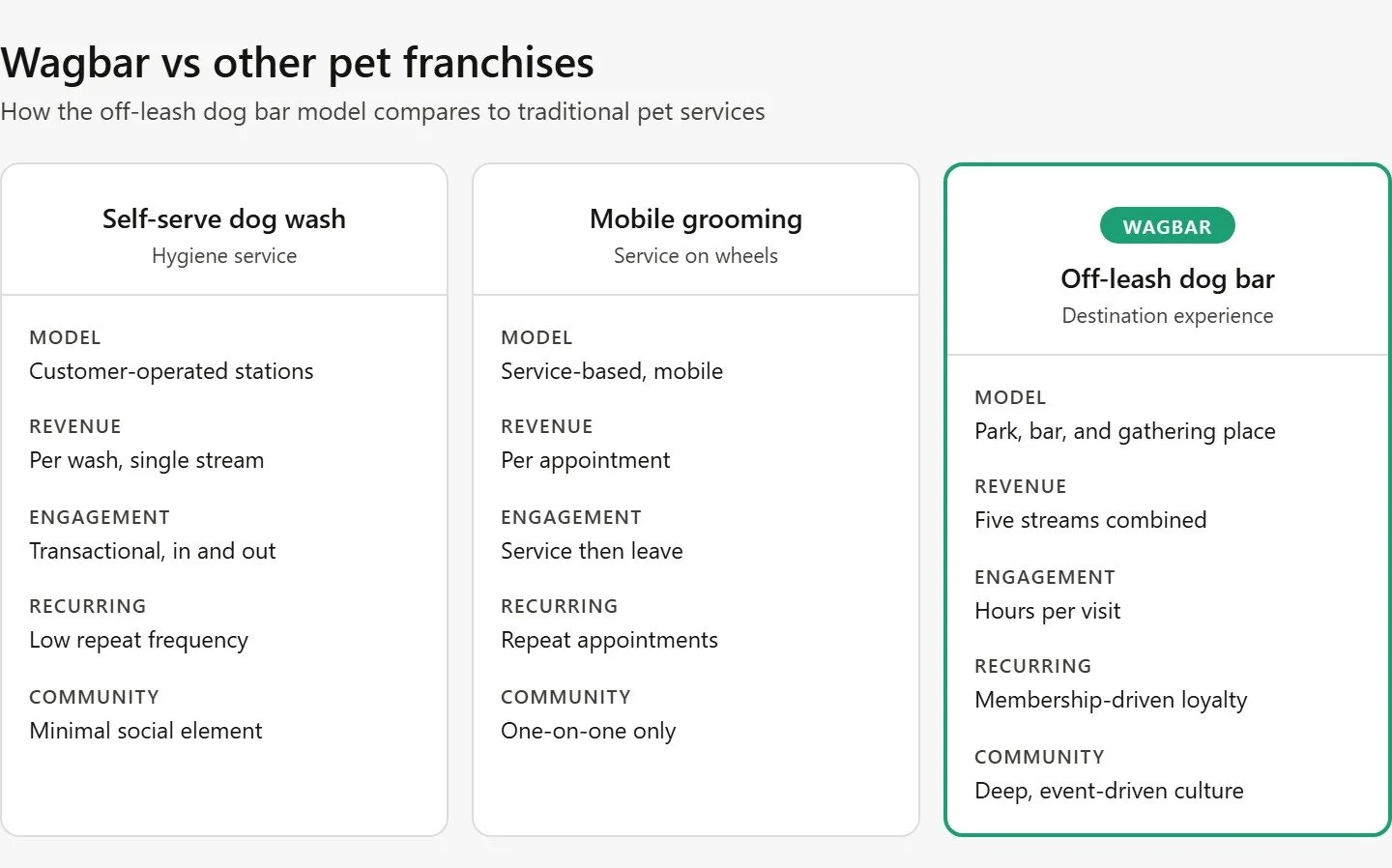
Professionally managed facilities like Wagbar Weaverville provide structured environments with staff supervision that supports training goals better than unsupervised public parks. Consider using professional environments during skill-building phases before transitioning to less controlled settings. For first-time visitors, our beginner's guide to playing at Wagbar explains what to expect from supervised park environments.
Adjusting expectations based on realistic outcomes prevents frustration and allows appreciation of meaningful progress even when dogs don't achieve "perfect" behavior. Some fearful dogs will never love crowded park environments—and that's okay. Success means they tolerate necessary exposure without severe stress, not that they transform into social butterflies.
Some behavior problems reflect fundamental temperament traits rather than fixable training gaps. Guardian breeds may always be vigilant about stranger approach; terriers may always have toy possessiveness tendencies requiring management. Understanding these limitations allows effective management rather than pursuing unrealistic complete elimination.
Park Alternatives for Dogs Who Don't Succeed
Structured playgroup alternatives provide socialization without park chaos. Private facilities offering small-group play with behavior screening and staff supervision create positive experiences for dogs who struggle at public parks.
Wagbar's managed environment combines off-leash play with professional oversight, providing park benefits without unsupervised risks. Dogs receive socialization and exercise while staff intervene before problems escalate, teaching appropriate play patterns rather than reinforcing problematic behaviors. Review our health and safety protocols to understand how supervised environments differ from public parks.
Individual play sessions with known compatible dogs provide social interaction without overwhelming group dynamics. Arrange scheduled playdates with friends' dogs who complement your dog's play style and tolerance for your dog's behavioral quirks.
These relationships often provide better socialization than random park encounters because dogs build genuine friendships with predictable, compatible partners. Quality relationships matter more than quantity of interactions.
Alternative exercise and enrichment meets physical and mental needs without park exposure. Hiking on trails, swimming, running alongside bicycles, or structured training sessions provide exercise while avoiding park-specific triggers.
Mental enrichment through nosework, puzzle toys, training new skills, or exploration walks in varied environments often satisfies dogs better than repetitive park visits. Many dogs live fulfilled lives never visiting dog parks.
One-on-one trainer sessions for skill building create controlled learning environments impossible at parks. Private training allows targeted work on specific issues, practice with demo dogs who won't react negatively to social errors, and building skills that eventually transfer to more challenging environments.

This investment in foundation work often enables eventual successful park experiences that would never develop through continued park exposure during the learning phase.
Frequently Asked Questions
How do I know if my dog's behavior is normal roughhousing or problematic?
Appropriate play includes reciprocal turn-taking where dogs alternate chasing/being chased, natural play breaks every 30-60 seconds, and self-handicapping where larger dogs adjust intensity for smaller partners. Problem behaviors include one-sided interactions without role reversal, sustained pursuit without breaks, and escalating intensity despite stress signals from recipients. If you're questioning whether play is appropriate, it probably needs intervention.
Can dog park behavior problems be completely cured?
Some behaviors can be fully resolved with proper training, while others require ongoing management. Fear-based reactivity often improves significantly but may resurface under stress. Predatory drift in high-drive breeds usually needs permanent vigilance. Resource guarding can be managed effectively but rarely disappears entirely. The goal is reliable management allowing safe, enjoyable park visits, not eliminating all challenges forever.
Why did my dog suddenly develop behavior problems at parks after years of success?
Sudden behavior changes often result from single traumatic incidents, medical issues causing pain or discomfort, cognitive decline in senior dogs, hormonal changes, or stress accumulation from repeated minor negative experiences. Schedule veterinary evaluation to rule out medical causes, then assess whether environmental changes or accumulated stress triggered the shift. Addressing root causes works better than treating symptoms alone.
Should I correct my dog's behavior problems at the park or leave?
Minor issues warrant in-the-moment correction and continued supervision. Leave immediately when: your dog has injured or could injure another dog, your dog is too aroused to respond to intervention attempts, another dog poses serious threat to yours, or your stress level prevents effective handling. When in doubt, err toward leaving—you can always return another day with better strategies.
How long should I wait before returning to the park after a serious incident?
Wait until you've implemented training protocols addressing the incident's root cause, practiced new skills in controlled environments, and feel emotionally ready to manage similar situations differently. This typically means 2-4 weeks minimum, sometimes months for serious incidents. Returning too quickly risks repeating the same patterns without building new skills.
What if other owners aren't supervising their dogs properly?
You cannot control others' behavior, only your response. Position yourself strategically to avoid poorly supervised dogs, be prepared to leave if situations become unmanageable, and advocate clearly for your dog when necessary. Some park communities have consistently poor supervision—consider alternative parks, different visiting times, or professionally managed facilities with staff oversight.
My dog only has behavior problems with specific types of dogs—is this normal?
Yes, many dogs develop preferences or aversions to particular play styles, sizes, energy levels, or breeds based on early experiences and individual temperament. These preferences are normal when dogs show appropriate avoidance or selective engagement. They become problematic when avoidance escalates to reactivity or when dogs cannot disengage from incompatible partners. Management often focuses on avoiding known triggers rather than forcing tolerance. For additional questions about behavioral compatibility, visit our FAQ page.
Should I stop going to dog parks if my dog has behavioral issues?
Not necessarily. Some behaviors require breaks from parks during intensive training phases, while others can be managed through strategic timing, careful supervision, and gradual exposure. Assess whether park visits currently cause more harm than benefit. If every visit includes negative incidents and your dog shows increasing stress, temporary breaks help. If you're making progress with occasional setbacks, continued careful exposure may support training goals.
Can professional trainers guarantee behavior problem resolution?
No ethical trainer guarantees specific outcomes because behavioral change depends on many factors beyond training—owner consistency, dog's learning history, environmental variables, and potential underlying medical issues. Reputable professionals offer realistic timelines, clear progress criteria, and adjustment protocols when initial plans aren't working. Guarantees often indicate inexperience or willingness to use aversive methods that suppress behavior without addressing underlying causes.