

Climate Control Systems for Indoor Dog Parks: Complete Technical Guide to HVAC Design & Operations

Top TLDR: Climate control systems for indoor dog parks require specialized HVAC configurations that maintain 65-75°F temperatures, 30-60% humidity, and 12-20 air changes per hour to ensure safety and comfort for both dogs and humans. Proper system design includes redundant cooling capacity, advanced air filtration, dedicated ventilation zones, and continuous monitoring to handle the unique challenges of high-occupancy canine environments where dogs generate significant heat, moisture, and airborne contaminants.
Creating a safe, comfortable indoor dog park requires engineering climate control systems that can handle challenges most commercial HVAC designs never encounter. Dogs generate substantially more body heat per square foot than humans, their activity levels spike unpredictably, and they introduce moisture, dander, and biological contaminants at rates that overwhelm standard ventilation systems. The off-leash dog park and bar concept demands technical precision in climate control because poor air quality or temperature management directly impacts both canine safety and customer experience.
Indoor dog parks operate under conditions that test the limits of conventional HVAC design. A 5,000 square foot facility hosting 30-50 active dogs can experience temperature swings of 15-20°F within minutes, humidity spikes from panting and water bowls, and airborne particulate loads that clog standard filters in days rather than months. This technical guide explores the specific engineering requirements, equipment specifications, and operational protocols that make indoor dog park climate control successful.
Understanding the Unique Climate Control Challenges of Indoor Dog Parks
Thermal Load Management from Canine Activity
Dogs generate significantly more metabolic heat than humans relative to their body mass, and that heat output multiplies during play. An active 60-pound dog produces approximately 300-500 BTUs per hour during moderate play, compared to 400 BTUs per hour for a sedentary adult human. In a facility hosting 40 dogs simultaneously, you're managing 12,000-20,000 BTUs of canine-generated heat alone before accounting for human occupancy, lighting, or solar gain.
The challenge intensifies because canine activity levels fluctuate dramatically. Dogs arrive, immediately engage in high-energy play for 15-30 minutes, then rest before another activity burst. This creates rolling heat waves throughout your facility rather than steady thermal loads. Standard commercial HVAC systems sized for predictable, distributed occupancy fail catastrophically when 20 dogs suddenly sprint across your park after a brief rest period.
Temperature regulation becomes critical for canine safety in ways that exceed human comfort considerations. Dogs cool themselves primarily through panting, which becomes less effective as ambient temperature rises and humidity increases. Above 80°F with humidity over 60%, even healthy dogs face heat stress risk during moderate activity. Brachycephalic breeds (bulldogs, pugs, Boston terriers) struggle even more, showing heat stress symptoms at temperatures that seem comfortable to humans.
Humidity Control in High-Moisture Environments
Indoor dog parks generate moisture at rates that surprise even experienced HVAC engineers. A single panting dog can exhale 400-600 ml of moisture per hour during active play. With 30 dogs in your facility, you're adding 3-4 gallons of water vapor to your air every hour just from respiration. Add splashing water bowls, wet dog coats from rain or swimming areas, and cleaning operations, and moisture loads can easily double or triple.
Humidity control matters for multiple reasons beyond comfort. High humidity (above 60%) reduces evaporative cooling efficiency, meaning dogs overheat faster. It also creates ideal conditions for mold growth on walls, floors, and HVAC components, particularly in corners and poorly-ventilated areas. Low humidity (below 30%) dries nasal passages and can increase respiratory irritation from airborne dander and dust.
The complexity increases because moisture generation varies by season, weather, and even time of day. Winter brings dogs with snow-covered coats. Rainy weekends mean every arriving dog shakes water across your facility. Summer afternoons feature sustained high-activity play that maximizes panting. Your climate control system must respond to these variations automatically while maintaining target humidity ranges of 40-50% year-round.
Air Quality Management for Mixed Species Environments
Indoor dog parks face air quality challenges that combine the worst aspects of commercial pet facilities and human gathering spaces. Dogs generate significant dander (microscopic skin particles), shed fur continuously, track outdoor contaminants on paws and coats, and create bioaerosols when shaking water from their fur. These particulates range from 2.5 micrometers (fine dust) to 100+ micrometers (visible fur), requiring multi-stage filtration to manage effectively.
Odor control presents another engineering challenge. Dog waste, urine marking (even neutered dogs occasionally mark), general "wet dog" smell, and accumulated organic matter create odor molecules that standard HVAC systems recirculate rather than eliminate. The dog-friendly bar environment requires air quality that meets both human comfort expectations and health department standards for food and beverage service.
Biological contaminants add another layer of complexity. Airborne viruses, bacteria, and parasites can transmit between dogs through shared air. While vaccination requirements significantly reduce disease risk, proper ventilation with adequate outside air introduction provides additional protection. This becomes particularly important during seasonal disease outbreaks or when new dogs enter your facility without complete vaccination history verification.
Essential HVAC System Components for Indoor Dog Parks
Primary Cooling and Heating Equipment Specifications
Indoor dog park HVAC systems require cooling capacity approximately 50-75% higher than comparable square footage commercial spaces to handle extreme thermal loads. For a 5,000 square foot facility, expect 20-30 tons of cooling capacity compared to 12-15 tons for a standard retail space. This oversizing isn't wasteful; it's essential for maintaining stable temperatures during peak activity periods when 40+ dogs generate maximum heat.
Equipment selection should prioritize modulating capacity over simple on/off operation. Variable refrigerant flow (VRF) systems or modulating rooftop units allow precise temperature control by adjusting output to match real-time load rather than cycling between full power and off. This prevents the temperature swings that occur when standard systems shut down during low-load periods, then struggle to recover when activity spikes.
Redundancy deserves serious consideration, particularly for facilities in extreme climates. A dual-compressor system where each unit provides 60-70% of total capacity means one compressor failure doesn't create dangerous conditions. Some franchise dog park operations install backup portable cooling units that can supplement primary systems during peak summer days or equipment failures.
Heating requirements vary dramatically by climate but shouldn't be underestimated. Dogs tolerate cold better than heat, but sustained temperatures below 50°F reduce activity levels and create customer discomfort. Gas furnaces or heat pumps should provide sufficient capacity to maintain 65°F during winter months, with consideration for the fact that your high ventilation rates (discussed below) exhaust substantial heated air.
Advanced Air Filtration and Purification Systems
Standard commercial HVAC filters (MERV 8-11) last weeks rather than months in dog park environments and fail to capture fine particulates that impact air quality. Indoor dog parks require multi-stage filtration beginning with MERV 13-14 primary filters to capture dander, fur, and larger particles. These filters require checking every 2-3 weeks during high-use periods and should be easily accessible for maintenance.
Secondary filtration through HEPA filters (High Efficiency Particulate Air) provides additional air cleaning for facilities prioritizing premium air quality. HEPA filters capture 99.97% of particles 0.3 micrometers and larger, including the finest dander particles, most bacteria, and many viruses. The downside is increased static pressure (resistance to airflow) requiring more powerful fans and higher energy costs. HEPA filtration makes most sense for facilities serving dogs with respiratory sensitivities or operating in areas with poor outdoor air quality.
Activated carbon filtration addresses odor control that mechanical filters can't solve. Carbon filters adsorb volatile organic compounds (VOCs) and odor molecules through chemical attraction rather than mechanical capture. A 5,000 square foot facility typically requires 100-200 pounds of activated carbon, replaced every 3-6 months depending on occupancy. Some systems incorporate potassium permanganate or other oxidizing media to extend carbon effectiveness.
UV-C germicidal irradiation provides an additional air treatment option for facilities concerned about airborne disease transmission. UV-C lights installed in HVAC ductwork or air handlers damage microbial DNA, reducing viable bacteria and virus concentrations. While UV-C doesn't replace filtration or vaccination requirements, it adds another layer of protection. Effectiveness depends on proper lamp placement, sufficient UV exposure time, and regular bulb replacement (8,000-10,000 hour lifespan).
Ventilation and Air Exchange Requirements
Indoor dog parks require ventilation rates far exceeding standard commercial buildings. Minimum outdoor air introduction should target 0.5-1.0 cubic feet per minute (CFM) per square foot of space, compared to 0.15-0.25 CFM for typical retail. A 5,000 square foot facility needs 2,500-5,000 CFM of outdoor air continuously, which translates to completely replacing all indoor air every 5-10 minutes (12-20 air changes per hour).
These high ventilation rates serve multiple purposes beyond temperature control. Fresh outdoor air dilutes odors, reduces airborne pathogen concentrations, provides adequate oxygen for dozens of active animals, and prevents carbon dioxide buildup. The dog park safety protocols that protect canine health start with proper ventilation.
Energy recovery ventilators (ERVs) or heat recovery ventilators (HRVs) help manage the energy costs of high ventilation rates. ERVs transfer both heat and moisture between exhaust air and incoming fresh air, pre-conditioning outdoor air before it enters your HVAC system. In summer, this pre-cools and dehumidifies hot outdoor air using cool exhaust air. In winter, it pre-heats cold outdoor air using warm exhaust. Well-designed ERV systems recover 60-80% of energy from exhaust air, reducing HVAC operating costs by 25-40%.
Dedicated outdoor air systems (DOAS) represent best-practice design for indoor dog parks. DOAS units handle all ventilation air separately from space conditioning, allowing precise control of both functions. The ventilation air gets filtered, dehumidified, and temperature-controlled before introduction, while separate cooling/heating equipment maintains space temperature. This separation prevents ventilation requirements from overwhelming space conditioning equipment and allows independent optimization of each system.
Zone-Based Climate Control Strategies
Creating Separate Climate Zones for Different Activity Levels
Effective indoor dog park design divides facilities into multiple climate zones with independent temperature control. High-activity play areas require maximum cooling capacity and ventilation, maintaining 65-70°F even during peak use. Quiet areas or small dog sections can run 3-5°F warmer since dogs aren't generating as much metabolic heat. Human-centric spaces like bars or seating areas should maintain 72-75°F for customer comfort.
Zoning allows you to concentrate cooling and ventilation resources where needed most. A 10,000 square foot facility might have four zones: main play area (50% of space, 60% of cooling capacity), small dog area (20% of space, 20% of cooling capacity), human lounge (20% of space, 15% of cooling capacity), and entryway/transition space (10% of space, 5% of cooling capacity). This targeted approach prevents wasting energy cooling low-use areas while ensuring high-activity zones stay comfortable.
Physical barriers between zones improve system efficiency and create better microclimates. Half-height barriers or mesh fencing allow visual connectivity while reducing air mixing between zones. The franchise operations planning process should incorporate zone design into facility layout from the beginning rather than retrofitting after construction.
Temperature sensors should be placed thoughtfully within each zone, typically 4-6 feet above the floor (dog nose height) rather than standard 5-6 foot human thermostat placement. Dog-level sensing provides more accurate feedback about conditions where animals actually experience them. Some facilities install multiple sensors per zone to capture temperature variations across large open spaces.
Managing Transition Spaces and Entryways
Entryways create significant climate control challenges by introducing uncontrolled outdoor air every time doors open. A vestibule or airlock entry system with two sets of doors reduces air infiltration by 60-80% compared to single-door entries. The vestibule acts as a buffer zone, preventing direct pathways for outdoor air to enter main facility spaces.
Positive building pressure (maintaining slightly higher air pressure inside than outside) helps control infiltration when doors open. A properly pressurized facility exhausts air through door openings rather than drawing in outside air. This requires your ventilation system to supply 5-10% more air than it exhausts, creating outward airflow that blocks incoming uncontrolled air. Too much pressure causes door operation problems; sweet spot is typically 0.02-0.05 inches water column pressure difference.
Air curtains installed above entryways provide another infiltration barrier, creating a wall of moving air across door openings that deflects outdoor air. High-velocity air curtains (1,800-2,200 feet per minute discharge velocity) work best for frequently-opening dog park entries. Heated air curtains in cold climates add comfort while blocking cold air infiltration. Effectiveness depends on proper sizing (curtain width must exceed door width by 6-12 inches on each side) and strategic placement.
Transition zones between outdoor and indoor areas deserve special climate attention for facilities with both options. Dogs entering from hot outdoor play areas need gradual temperature reduction to prevent thermal shock. A cooled transition area (set 5-7°F warmer than indoor spaces) allows dogs to begin cooling before entering fully air-conditioned areas. This staged cooling also reduces HVAC load by distributing heat removal across two spaces.
Addressing Local Hot and Cold Spots
Indoor dog parks inevitably develop microclimates despite best design efforts. Areas near windows experience solar gain, creating hot spots during sunny afternoons. Corners with poor airflow become stagnant. Spaces near frequently-opening doors get cold drafts in winter. Identifying and addressing these microclimates improves overall comfort and system efficiency.
Ceiling fans provide low-cost solutions for many localized issues. Slow-moving (60-120 RPM) large-diameter (8-12 foot) fans create gentle air circulation that prevents stratification and distributes conditioned air more evenly. Dog height placement (7-10 feet from floor) maximizes benefit while keeping fan blades safely above dog reach. Modern DC motor fans cost $0.02-0.05 per hour to operate, making them economical comfort solutions.
Spot cooling with portable evaporative coolers or misting fans addresses persistent hot spots without redesigning your entire system. Evaporative cooling works best in low-humidity climates (below 40% relative humidity), adding cooling effect through water evaporation. High-humidity regions should use traditional refrigerated portable units instead. Strategic placement of two or three portable units can solve problems that would cost tens of thousands to fix through ductwork modifications.
Radiant barriers or reflective window films reduce solar gain through large windows or skylights that create hot zones during summer. Low-e films block 40-70% of solar heat gain while maintaining natural light and visibility. This passive approach reduces cooling loads more cost-effectively than increasing HVAC capacity to compensate for solar heat gain. Some facilities install retractable shade screens on south- and west-facing windows, using them only during peak sun hours.

Monitoring, Control, and Automation Systems
Real-Time Environmental Monitoring Technology
Modern building automation systems (BAS) provide continuous monitoring of temperature, humidity, air quality, and system performance across your facility. Basic systems track 10-15 data points; sophisticated installations monitor 50+ parameters including zone temperatures, filter pressure drops, supply air quality, equipment runtimes, and energy consumption. This data enables proactive maintenance, optimizes performance, and documents environmental conditions for health department compliance.
Temperature and humidity sensors should be installed at multiple points per zone, providing comprehensive coverage that captures real conditions rather than single-point sampling. Wireless sensors simplify installation in retrofit applications, communicating data back to controllers without expensive conduit and wiring runs. Modern sensors provide ±0.5°F temperature accuracy and ±2% humidity accuracy, sufficient for dog park applications.
Carbon dioxide (CO2) monitoring provides an indirect measure of ventilation adequacy and occupancy levels. Dogs and humans both exhale CO2; elevated concentrations indicate insufficient outdoor air introduction. Target CO2 levels for dog parks should stay below 1,000 parts per million (ppm), compared to the 800 ppm recommended for human-only spaces and the 400-450 ppm baseline in outdoor air. CO2 sensors mounted 3-4 feet above floor level capture accurate readings in high-occupancy areas.
Particulate monitoring through optical particle counters tracks air quality in real-time, measuring PM2.5 (particles 2.5 micrometers or smaller) and PM10 concentrations. Elevated particulate counts indicate filter loading, ventilation inadequacy, or unusual dust-generating activities. Some systems trigger filter change alerts automatically when pressure drop across filters exceeds setpoints, preventing filter bypass that occurs when clogged filters force air around rather than through filtration media.
Intelligent Control Strategies for Variable Occupancy
Occupancy-responsive control systems adjust HVAC operation based on real-time facility use rather than fixed schedules. Occupancy sensors using infrared or ultrasonic technology detect presence, triggering pre-conditioning to bring spaces to target temperatures before dogs arrive. This saves energy during closed hours while ensuring comfort immediately upon opening.
Some advanced dog park business models incorporate reservation systems that integrate with climate control. If your facility knows 30 dogs have reservations for 2:00 PM, your HVAC system can begin ramping up capacity at 1:30 PM, avoiding the temperature spike that occurs when dogs arrive to under-conditioned spaces. This predictive approach maintains better conditions while using less energy than continuous maximum-capacity operation.
Load-based control strategies adjust system output based on measured conditions rather than simply maintaining setpoint temperatures. If your monitoring shows relative humidity climbing above 55%, the system automatically increases dehumidification capacity even if temperature remains acceptable. If particulate counts rise during high activity, ventilation rates increase to maintain air quality. This responsive approach addresses the variable challenges dog parks face.
Remote monitoring and control capabilities allow facility managers to adjust settings, review performance, and respond to alarms from smartphones or computers. Cloud-based systems provide access from anywhere with internet connectivity, enabling rapid response to equipment issues or comfort complaints. Historical data logging helps identify patterns (Tuesday afternoons always run hot, winter weekday mornings need less pre-conditioning) that inform scheduling optimizations.
Automated Setback and Energy Savings Protocols
Unoccupied mode operation significantly reduces energy costs during closed hours without compromising system performance during open times. When the facility closes, climate control systems can enter setback mode: allowing temperatures to drift to 55-80°F, reducing ventilation to minimum code-required rates, and shutting down non-essential equipment. Proper setback saves 30-50% of HVAC energy compared to maintaining occupied conditions 24/7.
Pre-occupancy conditioning brings facilities back to target conditions before opening. The time required depends on outdoor temperature, facility thermal mass, and HVAC capacity. A well-insulated facility might need 30-45 minutes pre-conditioning on moderate days, but 90-120 minutes on extreme weather days. Smart controllers learn these requirements through machine learning algorithms, automatically adjusting pre-conditioning start times based on historical performance and weather forecasts.
Demand response capabilities allow participation in utility programs that reduce energy use during grid stress events. When your utility signals high demand (typically hot summer afternoons), your HVAC system can temporarily raise cooling setpoints by 2-3°F, reduce ventilation to minimum levels, or shed non-critical loads. These temporary setbacks last 2-4 hours and save energy costs through lower rates or direct utility payments while maintaining safe conditions for dogs through thermal mass and elevated-but-acceptable temperatures.
Night purge ventilation takes advantage of cool nighttime temperatures in appropriate climates. If outdoor temperature drops below indoor temperature overnight, the system maximizes outdoor air introduction, pre-cooling your facility using free outside air instead of mechanical cooling. Thermal mass in floors and walls stores this coolness, reducing daytime cooling loads. Night purge works best in climates with hot days but cool nights (deserts, high elevations, temperate zones) and can reduce cooling energy by 15-25%.
Special Considerations for Different Climates
Hot and Humid Climate Challenges
Facilities in hot, humid climates face the most demanding climate control requirements. Outdoor conditions regularly exceed safe limits for active dogs (85°F+, 60%+ humidity), meaning urban dog ownership increasingly relies on climate-controlled indoor play spaces. Summer design conditions should assume 95°F outdoor temperatures with 75-80% humidity, requiring substantial dehumidification capacity beyond simple cooling.
Dedicated dehumidification equipment works alongside cooling systems to manage moisture loads. Whole-building dehumidifiers can remove 50-150 pints of moisture per day, maintaining target humidity even when dogs generate maximum moisture through panting. These units typically use refrigeration cycles specifically designed for moisture removal rather than temperature reduction, offering better efficiency than over-cooling spaces to dehumidify them.
Latent cooling (moisture removal) demands in hot-humid climates can exceed sensible cooling (temperature reduction) demands. Standard HVAC equipment sized primarily for temperature control may struggle with humidity. Equipment selection should specify Sensible Heat Ratio (SHR) of 0.65-0.75 rather than the 0.80-0.85 typical for commercial applications. Lower SHR means more latent capacity relative to sensible capacity, better matching hot-humid climate requirements.
Envelope design becomes critical in these climates. Air barriers preventing infiltration, vapor barriers preventing moisture migration through walls, and aggressive insulation (R-19+ walls, R-30+ roof) all reduce the moisture and heat loads your HVAC system must handle. Windows should use low-e coatings blocking solar gain. Reflective roof membranes reduce radiant heat gain. These envelope improvements often provide better return-on-investment than increased HVAC capacity.
Cold Climate Heating and Fresh Air Requirements
Cold climate facilities face the opposite challenge: maintaining warmth while introducing massive quantities of sub-zero outdoor air for ventilation. Your heating system must not only offset building heat loss through walls and roofs but also warm up thousands of cubic feet per minute of outdoor ventilation air from outdoor temperatures potentially 80-100°F below your target indoor temperature.
Heat recovery becomes essential rather than optional in cold climates. An ERV recovering 70% of heat from exhaust air can reduce heating energy by half compared to directly heating outdoor ventilation air. For a facility using 3,000 CFM ventilation in a climate with 10°F winter design temperature, heat recovery saves approximately 90,000 BTU/hour of heating capacity, reducing equipment size and operating costs significantly.
Radiant floor heating provides comfortable, efficient heat distribution in cold climate dog parks. Unlike forced air heating that concentrates heat at ceiling level (where it's least beneficial), radiant floors heat dogs and people from the ground up. Dogs love lying on warm floors. Owners appreciate warm feet. System efficiency improves because you can maintain comfortable conditions at lower air temperatures (65°F air feels comfortable with 75°F floor surface). Integration with concrete floors provides thermal mass benefits and creates durable surfaces suitable for dog traffic.
Vestibule heating deserves special attention in cold climates. Entryways become the coldest part of your facility, creating drafts and discomfort. A dedicated heating system (overhead infrared heaters, air curtains with integrated heating, or supplemental forced air) keeps vestibules above 50°F, preventing ice formation from snow tracked in on paws and making entry/exit more comfortable for customers.
Temperate Climate Opportunities for Natural Ventilation
Temperate climates (coastal regions, much of the Pacific Northwest, parts of the Northeast during shoulder seasons) offer opportunities for natural ventilation strategies that reduce mechanical cooling loads. When outdoor temperatures fall between 55-75°F with low humidity, opening windows or operable skylights provides free cooling and ventilation while giving dogs fresh air and natural sensory stimulation.
Motorized operable windows with rain sensors allow automated natural ventilation, opening when conditions are favorable and closing if weather turns bad or temperatures exceed comfortable ranges. Properly designed natural ventilation systems with strategic inlet and outlet placement can provide 6-10 air changes per hour without mechanical fans, meeting minimum ventilation requirements during mild weather while substantially reducing energy costs.
Mixed-mode ventilation systems combine natural and mechanical ventilation, using whichever approach best suits current conditions. Mild weather triggers natural ventilation mode with minimal mechanical assistance. Extreme weather switches to full mechanical mode with all openings closed. These systems require sophisticated controls coordinating operable windows, mechanical equipment, and environmental sensors, but the energy savings and improved air quality often justify the complexity.

Economizer operation extends the benefits of outdoor air beyond just shoulder seasons. During any period when outdoor air is cooler than your target indoor temperature and humidity is acceptable, economizers maximize outdoor air introduction for free cooling. For temperate climates, economizer-capable HVAC systems can provide free cooling for 30-50% of operating hours, dramatically reducing mechanical cooling loads and energy costs.
Maintenance, Operations, and Troubleshooting
Preventive Maintenance Schedules Specific to Dog Park Operations
Filter maintenance represents the most critical and frequent maintenance requirement for dog park HVAC systems. Pre-filters require checking every 2-3 weeks during high-use periods, with replacement typically every 4-8 weeks. This frequency seems excessive compared to standard commercial buildings (quarterly filter changes), but dog hair and dander clog filters far faster than office dust and pollen.
Coil cleaning prevents the buildup of hair and organic matter that reduces heat transfer efficiency and creates biological growth. Cooling coils should be inspected monthly and cleaned every 3-6 months depending on how quickly debris accumulates. Proper coil cleaning requires removing the coil assembly for thorough cleaning rather than just surface treatment, preventing long-term problems from hair packed deep in fin spaces.
Condensate drain maintenance prevents water damage and biological growth. Dog hair and debris can clog condensate drains, causing overflow and water damage. Monthly inspection of drain pans and drain lines prevents problems. Pouring 1-2 cups of diluted bleach or algaecide down drain lines during each inspection prevents slime buildup that causes slow drainage and odors.
Outdoor air intake maintenance keeps your ventilation system bringing in truly fresh air rather than recirculating dirt, leaves, and debris. Inspect and clean outdoor air intake hoods and filters monthly, removing accumulated leaves, bird nests, or other blockages. Heavy vegetation near outdoor air intakes should be trimmed back to prevent pollen, seeds, and plant debris from overwhelming filters.
Common Problems and Quick Diagnostic Approaches
Temperature swings during high activity periods suggest inadequate cooling capacity or improper thermostat placement. If temperatures rise dramatically when a large group of dogs arrives, you likely need more cooling capacity or better load-anticipation strategies. If only the thermostat shows temperature rise while dogs in the space seem comfortable, relocate thermostats to better representative locations.
Persistent odors despite running HVAC indicate inadequate ventilation rates, exhausted carbon filters, or biological growth in hidden locations. Increase ventilation rates by 25-50% and monitor results. Replace carbon filters if you haven't done so in the past 6 months. Inspect drain pans, ductwork, and anywhere moisture could accumulate for mold or bacteria growth. Sometimes increasing ventilation reveals that odors were from sources outside your building (dumpsters, neighboring businesses, sewer vents) that need different solutions.
Humidity problems typically indicate undersized dehumidification capacity, refrigerant issues, or outdoor air introduction problems. If humidity creeps up gradually over hours, you need more dehumidification capacity or should reduce outdoor air introduction slightly (while maintaining code minimums). Sudden humidity spikes during rainy weather suggest infiltration through doors, poorly-sealed windows, or roof leaks requiring building envelope repairs rather than HVAC modifications.
Uneven temperatures between zones point to air distribution problems, blocked vents, or incorrect damper settings. Walk through your facility with an infrared thermometer, documenting temperatures at multiple locations. Temperature differences exceeding 5-7°F indicate airflow imbalance requiring damper adjustment, fan speed changes, or duct modifications. Sometimes the solution is as simple as repositioning furniture or dog play equipment that blocks airflow.
Working with HVAC Contractors and Service Providers
Finding HVAC contractors familiar with unique dog park requirements can be challenging. Most contractors have experience with standard commercial buildings but not facilities combining high animal occupancy with food service. When interviewing contractors, ask about experience with veterinary facilities, animal shelters, or horse barns. These projects share similar challenges (high animal occupancy, moisture management, air quality demands) that translate to dog park applications.
Provide contractors with detailed information about your facility operations: typical daily occupancy, peak occupancy events, operating hours, activities (swimming areas generate more moisture), and any unique features. The more information contractors have, the better they can design systems meeting your actual needs rather than generic "commercial space" standards that prove inadequate.
Maintenance contracts with HVAC service providers should specify increased service frequency compared to standard commercial buildings. Quarterly filter changes are inadequate; specify monthly inspections during high-use seasons. Include coil cleaning, drain maintenance, and air quality checks in regular service rather than treating them as occasional extras. The cost increase compared to standard maintenance contracts (typically 20-40% higher) prevents far more expensive emergency repairs and customer complaints.
Develop relationships with refrigeration specialists, not just general HVAC contractors. Dog park climate control requires more sophisticated troubleshooting than residential or light commercial HVAC. Refrigeration specialists understand capacity matching, charge optimization, and control strategies that generalists often miss. Their hourly rates may be higher, but they diagnose and fix problems faster, ultimately costing less while restoring comfort more quickly.
Integration with Overall Facility Design
Coordinating HVAC with Architectural Elements
Ceiling height significantly impacts HVAC effectiveness and efficiency in dog parks. Higher ceilings (14-16 feet) allow hot air to rise away from the dog and human activity zones, creating more comfortable conditions at floor level. However, higher ceilings also increase the volume of space that must be conditioned, requiring more capacity. The sweet spot for most indoor dog parks is 12-14 foot ceilings, high enough to allow thermal stratification benefits without excessive conditioning costs.
Floor surface selection should account for thermal comfort and moisture management. Sealed concrete floors work well because they're durable, easy to clean, and provide thermal mass helping stabilize temperatures. Adding radiant heating for cold climate facilities turns floors into comfortable warming surfaces. Avoid carpet or other moisture-trapping materials that create odor and biological growth problems impossible for HVAC systems to overcome.
Window placement and sizing balance natural light benefits against solar heat gain problems. North-facing windows and skylights provide natural illumination without significant heat gain. East and west windows create morning and afternoon solar gain problems respectively. South-facing windows cause issues in summer but provide beneficial solar heating in winter. For hot climates, minimize east, west, and south glazing. Cold climates can use more south glazing for passive solar gain. All windows should use low-e coatings appropriate for your climate (low solar heat gain coefficient for hot climates, moderate SHGC for cold climates).
Acoustics coordination with HVAC design prevents noise problems. Dogs generate substantial sound (barking, playing, running), but HVAC systems shouldn't add mechanical noise that makes communication difficult. Duct systems should include acoustic lining. Equipment should be rated for noise levels appropriate for spaces where conversation occurs (typically NC 40 or below). Outdoor equipment placement should account for neighborhood noise concerns, particularly in residential areas where franchise expansion often occurs.
Electrical and Control System Infrastructure
HVAC systems in modern dog parks require substantial electrical capacity beyond just equipment power needs. A medium-sized facility might need 150-200 amps dedicated to HVAC equipment, plus additional capacity for controls, monitoring systems, and potential future expansion. Work with electrical engineers early in design to ensure service entrance and panel capacity can support full HVAC loads plus all other building needs.
Control system infrastructure requires structured cabling throughout your facility for sensors, thermostats, and controller communications. While wireless sensors simplify some installations, reliability and security concerns favor hardwired systems for critical functions. Plan cable pathways and equipment rooms during initial construction rather than retrofitting later, when running conduit through finished spaces becomes expensive and disruptive.
Backup power considerations depend on your location and operational philosophy. Critical facilities or those in areas with frequent outages should consider backup generators capable of running essential HVAC equipment (at least primary cooling/heating, ventilation fans, and controls). Backup power need not support full system capacity; maintaining safe but not optimal conditions during outages may be acceptable. Calculate how long your facility can safely remain occupied without climate control based on outdoor conditions and thermal mass.
Surge protection and power conditioning extend equipment life and prevent nuisance trips. HVAC equipment contains sensitive electronics vulnerable to power surges from lightning, utility switching, or nearby large motor starts. Whole-building surge protection plus point-of-use protection at major equipment prevents most surge-related damage. Power conditioning through UPS systems for controls and monitoring equipment ensures they remain operational during brief power fluctuations.
Cost Considerations and Return on Investment
Capital Investment for Climate Control Systems
Initial HVAC system costs for indoor dog parks typically range from $45-85 per square foot of conditioned space, substantially higher than the $25-40 per square foot for standard commercial buildings. A 5,000 square foot facility might invest $225,000-$425,000 in climate control infrastructure. This premium reflects oversized equipment capacity, enhanced filtration, high ventilation rates, and sophisticated controls required for proper dog park operation.
Cost varies based on climate, facility design, and system sophistication. Hot-humid climates require more cooling and dehumidification capacity, increasing costs 15-25% compared to temperate regions. Cold climates need robust heating and heat recovery, adding 20-30% to baseline costs. Facilities with swimming pools, washing stations, or other high-moisture features require additional dehumidification, typically adding $15,000-$30,000 to system costs.
Energy recovery equipment adds $30,000-$75,000 to initial costs but provides payback through reduced operating expenses. For facilities in extreme climates with high ventilation rates, ERV payback periods are typically 3-5 years. Temperate climates with lower heating and cooling needs see longer payback (7-10 years), but energy cost trends suggest even these investments prove worthwhile over equipment lifespans.
Building automation and monitoring systems represent 10-15% of total HVAC costs but provide value exceeding their price through energy savings, preventive maintenance capabilities, and documentation of environmental conditions. Basic systems cost $15,000-$25,000 for medium facilities. Sophisticated installations with comprehensive monitoring, advanced controls, and remote access capabilities may reach $40,000-$60,000 but deliver proportionally greater operational benefits.
Operating Cost Analysis and Efficiency Optimization
Energy costs represent 30-45% of total HVAC operating costs for dog parks, significantly higher than the 20-30% typical for standard commercial buildings due to high ventilation rates and thermal loads. A 5,000 square foot facility in moderate climate might spend $18,000-$28,000 annually on HVAC energy (electricity and gas). Extreme climates can push costs 50-100% higher, particularly during peak summer or winter months.
Maintenance costs consume 25-35% of HVAC operating budgets due to aggressive filter replacement schedules, frequent coil cleaning, and specialized service requirements. Budget $6,000-$12,000 annually for a medium facility, including filters, routine maintenance, and emergency repairs. Facilities that skimp on maintenance experience higher emergency repair costs and reduced equipment lifespan that more than offset apparent savings.
Water and refrigerant costs add relatively minor but non-negligible operating expenses. Cooling towers and evaporative cooling systems consume water requiring monitoring. Refrigerant for cooling systems requires periodic charging due to minor leaks (properly sealed systems should lose minimal refrigerant). Budget $1,000-$2,500 annually for these utility costs depending on climate and equipment configuration.
Energy efficiency improvements pay back through reduced operating costs and improved comfort. LED lighting reduces cooling loads by eliminating heat from incandescent or fluorescent fixtures. High-efficiency equipment (SEER 16+ cooling, 95%+ AFUE heating) costs more initially but reduces energy consumption 15-30% compared to standard efficiency. Variable-speed fans and staging equipment reduce part-load inefficiencies that consume substantial energy during typical operation.
Safety, Health, and Regulatory Compliance
Building Code and Ventilation Standard Requirements
Model building codes (International Mechanical Code, ASHRAE Standard 62.1) provide minimum ventilation requirements for commercial buildings but don't specifically address dog park facilities. Ventilation rates for "business" occupancy (0.06 CFM per square foot, 5 CFM per person) would be grossly inadequate for dog parks. "Gymnasium/sports arena" rates (0.3 CFM per square foot, 20 CFM per person) come closer but still underestimate needs when considering dogs as occupants generating metabolic CO2 and heat.
Many jurisdictions interpret code requirements based on animal shelter or veterinary clinic standards when evaluating dog park plans. These standards typically require 10-15 air changes per hour, translating to 0.5-0.75 CFM per square foot for typical ceiling heights. Work with local building departments early in planning to clarify how they'll evaluate your ventilation design, preventing expensive modifications after installation.
Food service areas require special consideration when dog park bar concepts combine canine and human spaces. Health departments may require physical separation between dog areas and food preparation or storage areas, including separate ventilation systems preventing airflow from dog spaces into food areas. Some jurisdictions prohibit food service in any space where dogs are present, requiring architectural separation and independent HVAC systems.
ADA accessibility requirements influence HVAC design indirectly through requiring accessible thermostats and controls. Temperature controls must be placed 15-48 inches above floor level and operable with one hand without tight grasping or twisting. Emergency shutoffs must meet similar accessibility requirements. While these are minor considerations compared to overall system design, they prevent code violations requiring modifications.
Air Quality Standards for Mixed Human-Animal Environments
OSHA standards for air quality don't specifically address dog park facilities but provide useful guidance through limits for dust, biological aerosols, and air contaminants. Particulate matter should remain below 15 mg/m³ for total dust, 5 mg/m³ for respirable dust. While dog parks aren't industrial environments, high animal densities can approach these thresholds without proper filtration and ventilation.
Ammonia concentrations from urine (even with immediate cleaning) should remain below 25 ppm per OSHA recommendations, though sensitive individuals may detect odors at 5 ppm. Proper ventilation and prompt waste removal prevent ammonia buildup, but facilities with urine-prone areas (male dogs marking, puppy training sections) should monitor ammonia levels or implement enhanced local ventilation in problem areas.
Carbon dioxide monitoring provides actionable data for ventilation adequacy. Target CO2 concentrations below 1,000 ppm in all occupied areas. Levels exceeding 1,500 ppm indicate ventilation inadequacy requiring immediate correction. Some jurisdictions mandate continuous CO2 monitoring in high-occupancy buildings, displaying readings in publicly visible locations. Even where not required, CO2 monitoring helps optimize ventilation effectiveness while documenting air quality for health departments.
Biological monitoring for airborne bacteria and fungi provides baseline data and tracks long-term trends but isn't typically required for dog park facilities. Testing costs $150-$300 per sample location, with 3-5 samples recommended quarterly for comprehensive monitoring. Elevated bacteria or mold counts indicate ventilation problems, filter failure, or hidden moisture problems requiring investigation. While not code-mandated, this monitoring demonstrates due diligence and helps prevent liability from air quality problems.
Future-Proofing Climate Control Systems
Emerging Technologies and Design Considerations
Ultraviolet germicidal irradiation technology continues advancing, with new systems offering better effectiveness, lower energy consumption, and longer bulb life. Far-UVC (222nm wavelength) shows promise for occupied space disinfection, potentially allowing direct air treatment in dog play areas rather than just in ductwork. While still emerging technology, monitoring developments in UV disinfection may inform future system upgrades.
Smart building integration connects HVAC systems with other facility systems (access control, lighting, audio) for coordinated operation. When your entry system shows the first customer arriving, HVAC can switch from unoccupied to occupied mode while lighting turns on and music begins. When occupancy sensors show the facility empty for 30 minutes past closing time, all systems coordinate to shut down. This integration requires planning communication protocols and control interfaces during initial design.
Predictive maintenance using machine learning analyzes equipment performance data to predict failures before they occur. Algorithms learn normal operating patterns, flagging anomalies that indicate developing problems: bearings beginning to fail, refrigerant leaks reducing capacity, or controls starting to malfunction. While sophisticated systems remain expensive, prices continue dropping as technology matures. Future-proofing means installing monitoring infrastructure that allows adding predictive maintenance capabilities later.
Renewable energy integration prepares facilities for future utility rate structures and sustainability requirements. Solar PV systems offset electricity consumption, particularly valuable for facilities in areas with time-of-use rates where daytime generation coincides with peak HVAC loads. Ground-source heat pumps use stable ground temperatures for highly efficient heating and cooling. While these technologies require careful economic analysis, installing infrastructure during initial construction (electrical capacity for solar, ground loop piping for geothermal) costs far less than retrofitting.
Scalability for Facility Expansion
Modular equipment configurations allow capacity increases without replacing entire systems. Choosing rooftop units or split systems in 5-10 ton increments provides upgrade flexibility unavailable with large single units. If business grows and you need more capacity, adding one or two units costs far less than replacing a single large system that's become undersized. Design with physical space and utility connections for at least one additional unit beyond initial requirements.
Oversized distribution infrastructure (ductwork, piping) costs relatively little extra during construction but enables substantial future capacity increases. Ductwork sized for 25-30% more airflow than initially needed allows adding equipment later without replacing entire duct systems. Similarly, chilled water piping or refrigerant lines oversized by one pipe size costs minimally but accommodates significant capacity increases.
Electrical service and panel capacity should anticipate growth. Many facilities size electrical service for just initial loads, then face expensive utility upgrades when expanding capacity. Installing 200A service instead of 150A adds modest cost during construction but prevents $15,000-$25,000 utility upgrade charges later. Panel spaces for future circuits cost pennies during installation but allow easy equipment additions later.
Control system architecture should use scalable platforms capable of handling additional zones, sensors, and equipment as facilities expand. Proprietary controllers limited to current equipment count lock you into expensive upgrades. Open-protocol systems (BACnet, Modbus) allow mixing equipment from different manufacturers and enable capacity increases without replacing entire control infrastructure. Cloud-based systems inherently scale through subscription changes rather than hardware limitations.
Bottom TLDR: Successful indoor dog park climate control demands engineering precision beyond standard commercial HVAC design, with systems providing 50-75% higher cooling capacity, 12-20 air changes per hour, multi-stage filtration, and zone-based control to handle extreme thermal loads and air quality challenges from high-density canine occupancy. The $45-85 per square foot investment in specialized equipment, enhanced ventilation, and sophisticated monitoring creates comfortable, safe environments where dogs thrive and customers return, making proper climate control a fundamental business requirement rather than optional amenity for modern dog park operations.
Frequently Asked Questions
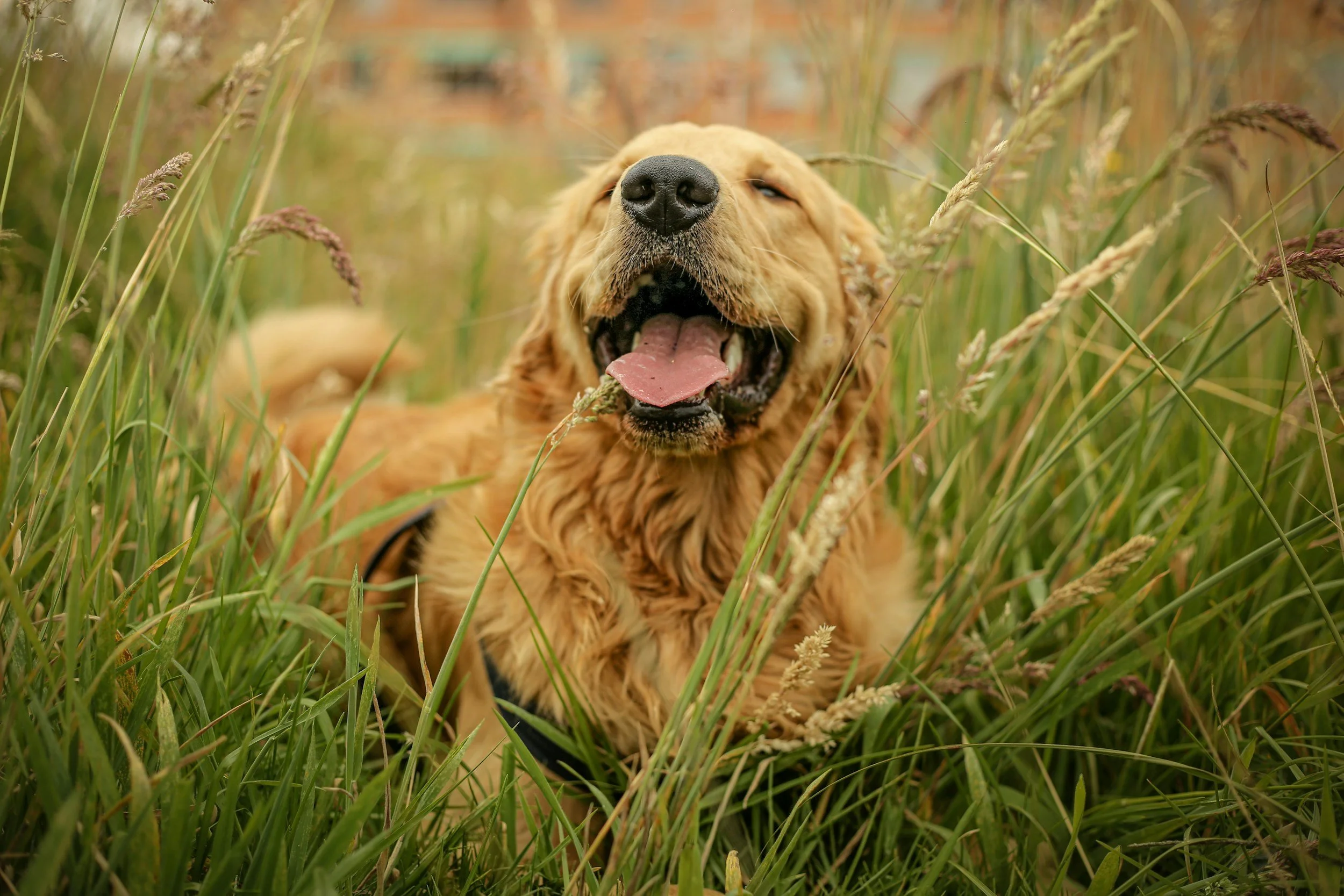
What temperature should an indoor dog park maintain year-round? Indoor dog parks should maintain 65-75°F in play areas where dogs generate significant metabolic heat through activity. Human seating and bar areas can run slightly warmer (72-75°F) for customer comfort. The specific target depends on outdoor temperature, activity levels, and dog breeds using your facility; facilities serving many brachycephalic breeds (bulldogs, pugs) should target the lower end of this range.
How often do air filters need replacing in dog park HVAC systems? Pre-filters typically require replacement every 4-8 weeks during high-use periods, far more frequently than standard commercial buildings. Check filters visually every 2-3 weeks, replacing when pressure drop exceeds manufacturer specifications or when visual inspection shows significant loading. Secondary MERV 13-14 filters may last 8-12 weeks. Carbon filters require replacement every 3-6 months depending on occupancy and odor levels.
Can traditional HVAC contractors design and install dog park climate control systems? Traditional contractors can handle installation but may lack experience designing for extreme loads and air quality requirements. Look for contractors with experience in veterinary facilities, animal shelters, kennels, or similar high-animal-occupancy buildings. Provide detailed information about your operational requirements and consider engaging an MEP engineer specializing in specialty occupancies for design work even if using local contractors for installation.
How much does it cost to operate HVAC systems in a 5,000 square foot indoor dog park? Operating costs typically range from $24,000-$40,000 annually for a 5,000 square foot facility in moderate climate, including energy ($18,000-$28,000), maintenance ($6,000-$12,000), and miscellaneous costs ($1,000-$2,500). Extreme climates can increase costs 50-100%, while efficient equipment and proper maintenance can reduce costs by 20-30%. Location, utility rates, operating hours, and occupancy all significantly impact actual costs.
What ventilation rate do indoor dog parks require for proper air quality? Minimum ventilation should provide 0.5-1.0 CFM per square foot of space, translating to 12-20 air changes per hour for typical ceiling heights. A 5,000 square foot facility needs 2,500-5,000 CFM of outdoor air continuously. This substantially exceeds standard commercial building requirements but proves necessary for odor control, pathogen dilution, and maintaining acceptable CO2 levels with high animal and human occupancy.
How can facilities reduce HVAC energy costs without compromising comfort? Energy recovery ventilators recover 60-80% of heating/cooling energy from exhaust air, reducing energy costs by 25-40%. Aggressive setback during unoccupied hours saves 30-50% of heating/cooling energy compared to maintaining constant temperatures. Zone-based control concentrates conditioning where needed rather than treating entire facilities uniformly. High-efficiency equipment, LED lighting, and building envelope improvements all reduce energy consumption while maintaining comfort.
What humidity level should indoor dog parks maintain? Target humidity should remain between 40-50% year-round. Below 40%, dry air irritates respiratory systems and increases static electricity. Above 60%, reduced evaporative cooling effectiveness increases heat stress risk for active dogs, and mold growth becomes concern. Hot-humid climates require dedicated dehumidification equipment beyond standard cooling to maintain these ranges.
Do building codes require specific HVAC systems for indoor dog parks? Building codes don't specifically address dog parks but local authorities may apply standards from animal shelter or veterinary clinic regulations requiring 10-15 air changes per hour. Health departments enforcing food service codes require separation between dog areas and any food preparation spaces, potentially including separate ventilation systems. Work with building departments early in design to clarify their interpretation and requirements.