
Chattanooga vs Knoxville: East Tennessee's Rivalry for Dog Owners

Top TLDR: Chattanooga vs Knoxville comparison for East Tennessee dog owners reveals marginal cost differences ($105 monthly favoring Chattanooga) but significant infrastructure gaps. Chattanooga excels in walkable trail access and intimate outdoor community while lacking professional dog services and specialty veterinary care. Knoxville provides supervised Wagbar facility, University of Tennessee veterinary specialists, more training options, and better dog park distribution. Choose Chattanooga for outdoor immediacy and lower density; choose Knoxville for medical access and professional pet infrastructure.
The Chattanooga-Knoxville rivalry defines East Tennessee. Sports fans debate which city has better teams. Craft beer enthusiasts argue over brewery scenes. Business leaders discuss economic development. Dog owners face a more practical question: which city actually provides better life for dogs and their humans?
Both cities sit roughly 110 miles apart along I-75, sharing Appalachian mountain access, outdoor culture, and moderate climates. Both attract people seeking smaller-city lifestyle without rural isolation. The similarities create genuine choice rather than obvious answers. Understanding the differences helps dog owners make informed decisions affecting daily routines, budgets, and quality of life for years.
This comparison examines cost of living impact on dog ownership, housing availability and pet policies, dog park infrastructure and off-leash options, veterinary care networks, outdoor recreation access, business scenes and social opportunities, climate patterns, and lifestyle fit for different breeds and owner priorities across both East Tennessee cities.
Cost of Living: Where Your Dog Budget Goes Further
Housing costs create the foundation determining what you can afford for your dog. Veterinary care, training, daycare, and emergency funds all depend on money remaining after covering basic living expenses.
Housing Cost Reality Check
Knoxville housing market: Median home prices around $310,000 provide reasonable entry into ownership. Pet-friendly apartment rentals average $900-$1,200 for one-bedrooms, $1,200-$1,500 for two-bedrooms. Pet deposits typically $200-$400 with $25-$50 monthly pet rent per dog. Yards in quarter to half-acre range standard in suburban areas.
Chattanooga housing market: Median home prices near $280,000 offer slight advantage over Knoxville. Rental market less developed with fewer large apartment complexes. Pet-friendly rentals when available run $850-$1,150 for one-bedrooms, $1,100-$1,400 for two-bedrooms. Pet deposits and monthly fees comparable to Knoxville.
Monthly housing savings: Chattanooga saves $50-$100 monthly on housing versus Knoxville. Small but meaningful difference over time. Annual savings $600-$1,200 covers routine veterinary care or emergency vet visit.
Veterinary and Pet Service Costs
Knoxville veterinary pricing: Wellness exams $60-$90. Dental cleanings $400-$600. Emergency exam fees start at $125-$175. Dog daycare averages $28-$38 daily. Grooming runs $50-$85 for medium dogs.
Chattanooga veterinary pricing: Wellness exams $65-$95. Dental cleanings $425-$650. Emergency exams start at $135-$185. Dog daycare averages $30-$40 daily when available. Grooming runs $55-$90 for medium dogs.
Service cost comparison: Prices track closely between cities with Chattanooga running $5-$15 higher on average. The difference matters less than housing costs but compounds over time.
Real Monthly Budget Comparison
Knoxville typical monthly costs:
Housing (2BR pet-friendly apartment): $1,350
Pet rent: $35
Utilities: $155
Vet budget (monthly average): $85
Food and supplies: $85
Activities/services: $80
Total: $1,790
Chattanooga typical monthly costs:
Housing (2BR pet-friendly apartment): $1,250
Pet rent: $35
Utilities: $150
Vet budget (monthly average): $90
Food and supplies: $85
Activities/services: $75
Total: $1,685
Monthly difference: $105 in Chattanooga's favor. Over a dog's 12-year lifespan, that's $15,120 in savings—enough to fund premium food, professional training, and emergency medical care with funds remaining.
Housing: Finding Places That Actually Accept Your Dog
Both cities claim pet-friendliness. Reality depends on your specific dog's breed, size, and your budget.
Knoxville Housing Landscape
Rental inventory: Extensive apartment development over past decade created substantial supply. Corporate-managed complexes common alongside individual landlords. Options exist across price ranges and neighborhoods.
Breed restrictions standard: Most large complexes prohibit pit bulls, Rottweilers, German Shepherds, Huskies, Dobermans, and similar breeds. Weight limits typically 50-75 pounds. Some properties allow larger dogs with breed exceptions.
Private landlords more flexible: Individual property owners often negotiate terms after meeting well-behaved dogs. Finding houses for rent provides more flexibility than apartment complexes.
Home buying accessibility: $310,000 median makes ownership realistic for middle-income households. Mortgage often costs less than rent after down payment. Owning eliminates breed restrictions permanently.
Chattanooga Housing Challenges
Limited rental inventory: Smaller city with less apartment development means fewer rental options overall. Pet-friendly inventory particularly limited. Competition fierce for quality properties accepting dogs.
Similar breed restrictions: Corporate properties mirror Knoxville restrictions. Finding housing accepting "aggressive breeds" requires extensive searching and often settling for less desirable locations.
Houses not apartments: Chattanooga's rental market skews toward single-family homes rather than apartment complexes. Houses provide yard space but require lawn maintenance and often higher deposits.
Home buying advantage: $280,000 median provides best path to pet-friendly housing in Chattanooga. Lower prices offset limited rental inventory challenges.
The Breed Factor
Both cities present challenges for owners of restricted breeds. Private landlords in both cities provide best hope for breed exceptions. Chattanooga's smaller rental pool makes finding these flexible landlords harder simply due to fewer overall options.
Small dogs and apartment-friendly breeds fare well in either city. Large breeds needing substantial space benefit from buying homes rather than renting in both locations.
Dog Parks and Off-Leash Infrastructure
Municipal dog parks form the backbone of off-leash options in both cities. Quality and quantity differ significantly.
Knoxville's Dog Park Network
Victor Ashe Park Dog Park: Knoxville's premier facility spans 2 acres with separate areas for large and small dogs. Well-maintained with water fountains, waste stations, adequate parking, and shade structures. Sees moderate crowding—typically 15-40 dogs at weekend peak times.
New Harvest Park Dog Park: East Knoxville facility offering 1.5 acres. Less crowded alternative to Victor Ashe. Adequate amenities serving local neighborhoods.
Tommy Schumpert Park: South Knoxville option approximately 1 acre. Basic but functional for nearby residents.
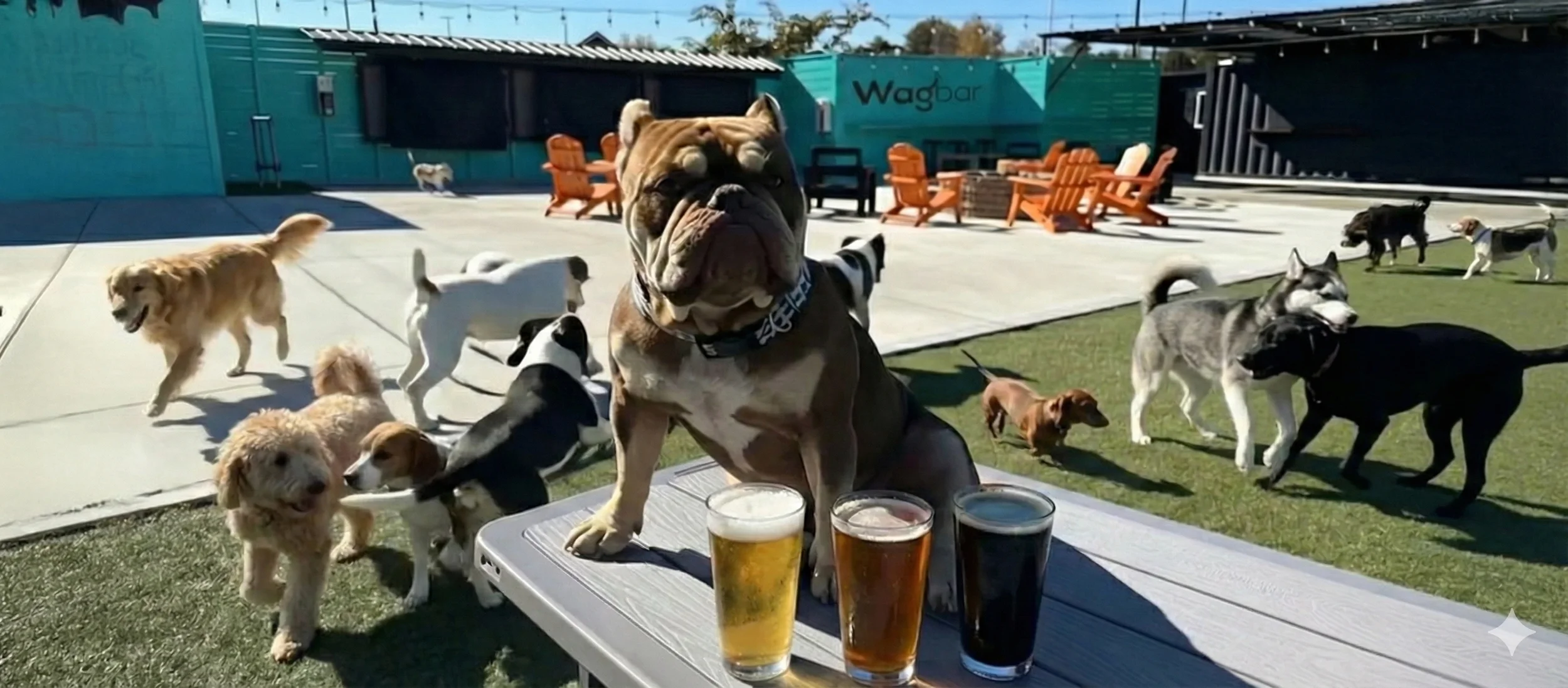
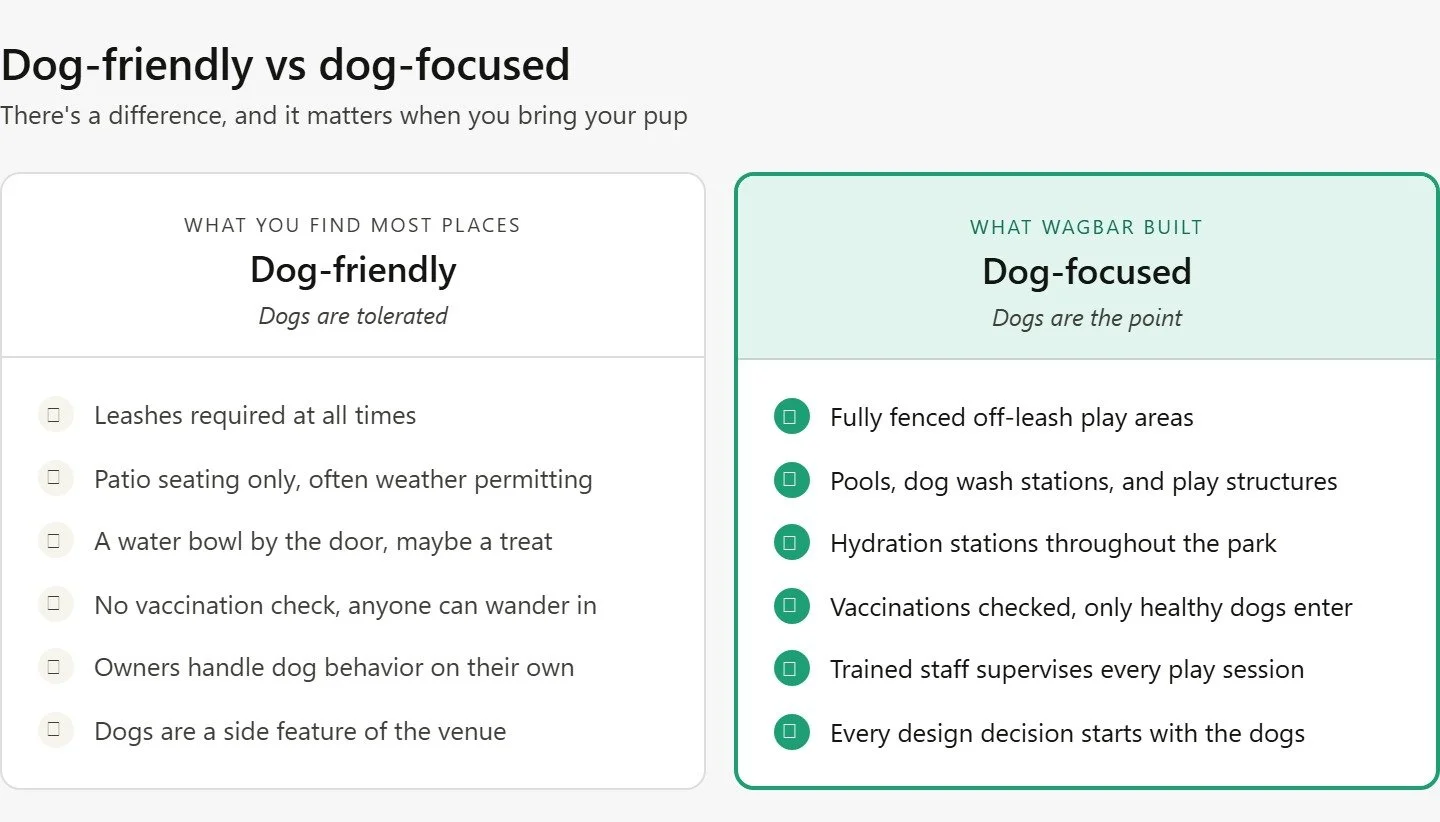
Wagbar Knoxville: Opened late 2025, introducing supervised off-leash play with professional staff monitoring dog behavior. Membership-based model funds better maintenance, safety protocols, and owner amenities than municipal parks provide.
Distribution and accessibility: Three municipal parks plus Wagbar provide reasonable coverage across city. Finding a facility within 15-20 minutes achievable from most neighborhoods.
Chattanooga's Limited Options
Enterprise South Nature Park Dog Park: Chattanooga's main facility offers approximately 2 acres in scenic setting near mountains. Well-designed when initially built but maintenance inconsistent. Gets crowded weekends with limited parking.
Warner Park Dog Park: North Shore area facility providing roughly 1.5 acres. Convenient for nearby residents but basic amenities. Maintenance quality varies.
Infrastructure gap: Two municipal parks for city of 185,000 people creates capacity problems. Peak times see overcrowding affecting safety and enjoyment. Limited geographic distribution means longer drives for many residents.
No supervised alternative yet: Chattanooga lacks professionally supervised facility like Wagbar Knoxville. Municipal parks operate entirely on owner oversight without professional behavioral monitoring.
Quality vs. Quantity Trade-Off
Knoxville provides more facilities with better distribution but none match Chattanooga's mountain-adjacent Enterprise South location for scenic beauty. Knoxville's quantity advantage matters more for daily use. Chattanooga's quality scenery matters less when crowding creates safety concerns and parking challenges.
Professional supervision at Wagbar addresses fundamental municipal park problems both cities face: no behavioral screening, no vaccination verification, and no trained staff intervention before problems escalate. This socialization advantage benefits dogs needing controlled introduction to group play.
Veterinary Care and Medical Access
Both cities provide adequate routine care. Differences emerge in emergency coverage and specialty services.
Knoxville Veterinary Network
General practice options: West Knoxville Animal Hospital, Turkey Creek Animal Hospital, PetVet365 locations, and numerous others provide routine care. Competition keeps prices reasonable and hours convenient.
Emergency services: University of Tennessee Veterinary Medical Center operates 24/7 emergency hospital. PetVet365 locations offer after-hours urgent care. Multiple options provide redundancy if one facility experiences high volume.
Specialty care advantage: UT College of Veterinary Medicine, one of nation's top vet schools, provides access to advanced specialty care including internal medicine, oncology, cardiology, orthopedics, and ophthalmology. Clinical trials offer treatment options unavailable elsewhere.
Cost considerations: UT emergency services price competitively despite advanced capabilities. General practice costs run 15-20% below Nashville while matching or exceeding quality.
Chattanooga Veterinary Situation
Adequate general practices: Northshore Veterinary Hospital, Animal Medical Center, and others provide solid routine care. Fewer total practices than Knoxville but adequate for city size.
Limited emergency coverage: Single 24/7 emergency facility serves entire Chattanooga metro. High-volume times create extended waits. Serious cases sometimes transferred to specialists in Knoxville or Atlanta.
Specialty referrals required: Complex cases requiring specialists mean driving to Knoxville (2 hours), Atlanta (2 hours), or elsewhere. No local access to advanced cardiology, oncology, or internal medicine.
Cost parity: General practice prices track similarly to Knoxville. Emergency care runs slightly higher due to limited competition.
The UT Advantage
University of Tennessee's veterinary program gives Knoxville substantial medical advantage over Chattanooga. Access to board-certified specialists, cutting-edge research, and clinical trials provides options unavailable in most cities. For dogs with complex medical needs, this advantage alone could determine city choice.
Outdoor Recreation: Beyond the Dog Park
Mountain access defines both cities but approaches differ.
Knoxville's Recreation Strengths
Great Smoky Mountains: 45 minutes from Knoxville provides access to nation's most-visited national park. Important limitation: dogs allowed on only two trails (Gatlinburg Trail and Oconaluftee River Trail). Most Smokies trails prohibit dogs entirely.
Cherokee National Forest: Multiple access points within 30-45 minutes. More dog-friendly than Smokies with numerous trails allowing leashed dogs. Less crowded than national park.
Ijams Nature Center: In-town urban wilderness with multiple trail options. On-leash required but convenient for quick after-work hikes. No driving needed for many Knoxville residents.
House Mountain: Popular moderate-to-difficult hike with summit views. Gets busy weekends but parking usually manageable with reasonable arrival times.
Distribution advantage: Multiple mountain ranges surrounding Knoxville spread trail traffic. Finding less-crowded options easier than single-range cities.
Chattanooga's Recreation Excellence
Tennessee Riverwalk: Miles of paved waterfront trails along Tennessee River through downtown. Leashed dogs welcome. Flat, accessible, and scenic. Perfect for casual walks and running.
Lookout Mountain: Signal Point, Sunset Rock, and numerous trails provide mountain access within city limits. Some trails allow dogs while others restrict them. Research specific trail policies.
Raccoon Mountain: Rock climbing destination also offering hiking trails. Outdoorsy population appreciates active dogs. Less formal dog policies than developed parks.
Cloudland Canyon State Park: 45 minutes away in Georgia. Waterfall hikes and canyon views. Leashed dogs allowed on trails. Stunning scenery rivals any regional park.
Rock climbing culture: Chattanooga's climbing community means dog-friendly outdoor culture extends beyond hiking. Many climbers bring dogs to crags creating informal dog-social opportunities.
Practical Access Comparison
Chattanooga provides better in-town trail access through Riverwalk and Lookout Mountain. Knoxville requires more driving to reach serious hiking. However, Knoxville's multiple mountain range access creates more total variety. Urban dog exercise principles apply in both cities for daily activity between trail visits.
Business Scene and Social Opportunities
Where you spend time with your dog outside of parks affects community building and lifestyle satisfaction.
Knoxville's Growing Dog Scene
Brewery district pet-friendliness: Market Square, Gay Street, and Old City welcome dogs to outdoor patios. Alliance Brewing, Pretentious Beer Company, and most local breweries accept well-behaved dogs.
Pet business infrastructure: Multiple grooming salons, training facilities, daycare options, and pet supply stores create competitive market. Prices stay reasonable through competition.
Wagbar impact: Late 2025 opening created instant community hub for Knoxville dog owners. Supervised off-leash play combined with owner amenities fills gap in purely social dog facilities.
University influence: UT creates younger demographic naturally comfortable with dogs. College town culture supports pet-friendly businesses.
Organized activities growing: Training classes, breed meetups, and social groups expanding as city population increases. Community exists but requires initiative to find.
Chattanooga's Outdoor-Focused Culture
Riverfront and Northshore districts: Outdoor dining along river welcomes dogs. Brewery scene concentrated in walkable areas making dog-friendly pub crawls feasible.
Climber and outdoor culture: Rock climbing community naturally includes dogs. Less formal organization but authentic outdoor lifestyle. Finding community happens organically through trail encounters.
Limited pet services: Fewer daycare options, training facilities, and professional dog services than Knoxville. Adequate for basic needs but less variety for specialized requirements.
Smaller means tighter: Population 185,000 versus Knoxville's 200,000+ creates more intimate community. Seeing same people repeatedly at dog parks and trails builds friendships naturally.

Event frequency: Fewer organized dog events than Knoxville but outdoor festivals often welcome dogs. Less structure means more flexibility.
Breed-Specific City Fit
Different dogs thrive in different environments. Matching breed needs to city characteristics improves outcomes for everyone.
High-Energy Working Breeds
Border Collies, Australian Shepherds, Huskies, Belgian Malinois need serious daily exercise beyond neighborhood walks.
Chattanooga advantages: Better in-town trail access. Rock climbing culture appreciates high-drive dogs. Riverwalk provides easy daily mileage without driving.
Knoxville advantages: More formal dog sports and training options. Variety of trail systems prevents boredom. Better access to professional training for channeling high energy productively.
Verdict: Slight edge to Chattanooga for self-directed owners comfortable with less structured activities. Knoxville better for owners wanting organized outlets like agility or nosework classes.
Social and Family Breeds
Golden Retrievers, Labrador Retrievers, family-friendly breeds thriving on interaction with people and dogs.
Knoxville advantages: More dog parks providing socialization options. Wagbar's supervised environment offers safer group play. More organized social activities and training classes.
Chattanooga advantages: Tighter community builds deeper friendships. Outdoor culture creates casual social encounters. Less crowded parks mean quality over quantity interactions.
Verdict: Knoxville for quantity of organized activities. Chattanooga for quality of organic community. Either works well depending on owner preference for structure versus spontaneity.
Small and Toy Breeds
Small dog breeds adapt to apartment living but need safe socialization opportunities.
Knoxville advantages: More indoor activities during weather extremes. Better small dog area separation at parks. Wagbar provides supervised environment preventing rough play injuries.
Chattanooga advantages: Lower housing costs easier for small dog owners. Less intimidating outdoor spaces for cautious small dogs. Walkable downtown reduces car dependency.
Verdict: Either city works fine. Choose based on housing budget and desire for indoor versus outdoor focus.
Reactive or Anxious Dogs
Dogs with reactivity issues need quieter environments and controlled socialization.
Knoxville advantages: More professional training resources for behavior modification. Wagbar's supervised model allows controlled exposure. Multiple park options help avoid triggers.
Chattanooga advantages: Lower density overall creates quieter neighborhoods. Fewer dogs encountered on typical walks. Easier to find low-stimulus hiking trails.
Verdict: Chattanooga for dogs needing low-stimulus environments. Knoxville for dogs actively working on reactivity through professional training programs.
Climate and Seasonal Patterns
Both cities experience four distinct seasons with minimal differences.
Temperature Comparison
Average summer highs: Knoxville 90°F, Chattanooga 91°F. Functionally identical.
Average winter lows: Knoxville 30°F, Chattanooga 32°F. Both cities see occasional single-digit cold snaps.
Humidity levels: Both cities experience Tennessee Valley humidity. Summer feels muggy. Winter cold penetrates more than dry climates.
Practical impact: Temperature differences too minimal to affect city choice. Heavy-coated breeds handle both summers similarly (early morning/evening exercise required). Both cities manage winter comparably.
Seasonal Activity Patterns
Spring and fall: Both cities shine March-May and September-November. Moderate temperatures and beautiful scenery create ideal conditions for outdoor activities. Dog parks and trails see peak use these seasons.
Summer: Both require early morning or evening dog activities. Midday heat dangerous for extended outdoor time. Asphalt temperatures burn paw pads by 10 AM June-August.
Winter: 4-8 inches annual snowfall in both cities. Occasional ice storms shut activities down for days. Both cities ill-equipped for winter weather response. Cold-sensitive dogs need gear in both locations.
Weather Not a Differentiator
Climate similarities mean other factors determine city choice. Weather patterns won't make one city clearly better than the other for dog ownership.
The Rivalry: Sports, Culture, and Identity
Beyond practical dog ownership factors, city culture affects whether you'll enjoy living there.
Knoxville's Identity
University of Tennessee dominates: Game days transform downtown. Orange everywhere. Strong alumni network and athletic culture. Academic institution shapes city character.
Growing city feel: Population increasing. New development visible. Infrastructure improving. Energy of growth attracts some, concerns others about losing small-city character.
Economic diversity: University, healthcare (UT Medical Center), manufacturing, and government create varied opportunities. More economic stability than single-industry cities.
Vol Nation loyalty: UT athletics create strong local identity. People who don't care about college sports may find overwhelming focus on football season tiresome.
Chattanooga's Identity
Outdoor recreation first: Hiking, climbing, mountain biking, and paddling define city culture more than any single institution. Active lifestyle assumed rather than optional.
Comeback city narrative: Once-struggling industrial city transformed through outdoor economy and downtown revitalization. Pride in successful reinvention.
Smaller, tighter community: 185,000 people creates more intimate feel than Knoxville. Easier to know significant portion of dog owner community. Less anonymity.
Tourism focus: Outdoor recreation tourism drives economy. Beautiful but means service economy jobs predominate over high-wage career opportunities.
Which Culture Fits You?
Neither culture is better objectively. Preference depends on what matters to you. Knoxville suits people valuing growth, economic opportunity, and structured activities. Chattanooga suits people prioritizing outdoor access, intimate community, and spontaneous lifestyle.
Your dog doesn't care about the rivalry. Your dog cares about adequate exercise, safe socialization, quality veterinary care, and spending time with you. Either city provides these fundamentals. Your preference for city culture determines which location you'll enjoy long-term.
Making Your Decision: Chattanooga or Knoxville?
Neither city wins decisively. The right choice depends on your specific priorities.
Choose Chattanooga If:
You prioritize in-town trail access and walkable waterfront paths
You prefer tighter, more intimate community over larger city options
Slightly lower housing costs ($50-$100 monthly) matter to your budget
You're comfortable with less professional pet service infrastructure
Rock climbing or outdoor sports define your lifestyle
You want quieter, less dense neighborhoods for reactive dogs
You prefer spontaneous outdoor culture over organized activities
Limited veterinary specialty care doesn't concern you
Choose Knoxville If:
You want more dog park options and better geographic distribution
Professional supervised off-leash play at Wagbar appeals to you
University of Tennessee veterinary specialty care access matters
You need more training facilities and organized dog activities
You prefer structured community versus organic relationship building
Your dog has complex medical needs benefiting from UT specialists
You want more pet business options: daycare, grooming, boarding variety
You value economic diversity and career opportunities beyond tourism
The Small Differences Matter
$105 monthly cost difference favoring Chattanooga seems small. Over time it compounds. $15,120 over dog's lifetime funds quality care and emergency reserves.
However, Knoxville's veterinary advantage through UT could save far more on complex medical cases. One major surgery or cancer treatment costs more than a decade of housing savings.
Only you know whether your dog is likely to need specialty care. Healthy young dogs from long-lived breeds probably won't need UT specialists. Dogs with genetic conditions, seniors, or breeds prone to specific illnesses benefit enormously from UT access.
Visit Both Cities
Don't choose based on this comparison alone. Experience both cities directly.
Visit weekend dog parks in both cities. Assess crowding, maintenance, and whether the atmosphere feels right for your dog. Observe other dogs' behavior and owner engagement.
Walk neighborhoods you'd potentially live in. Gauge safety, walkability, and whether you'd enjoy living there daily. Bring your dog if possible to assess their comfort level.
Drive to hiking trail heads from potential neighborhoods. Understand actual accessibility versus map distances. Weekend traffic affects real access significantly.
Eat at dog-friendly restaurants. Experience social scene and business culture. Do other patrons welcome dogs genuinely or tolerate them grudgingly?
Talk to local dog owners. Ask honest questions about challenges, veterinary care quality, finding housing, and whether they'd choose the city again knowing what they know now.
Research veterinary options. Identify which practice you'd use for routine care. Map emergency vet locations from potential neighborhoods. Understand driving times during typical traffic conditions.
Pet-Friendly Business Landscape
Where you can actually go with your dog affects daily life more than infrastructure specs suggest.
Knoxville Pet-Friendly Establishments
Downtown and Old City: Market Square farmers market welcomes leashed dogs Saturdays and Wednesdays. Gay Street shops increasingly accommodate dogs inside (ask permission first). Old City brewery district patios standard dog destination.
Breweries and restaurants: Alliance Brewing, Pretentious Beer Company, Schulz Brau, and most local breweries welcome dogs to outdoor seating. Downtown Grill & Brewery, Stock & Barrel, and numerous restaurants offer dog-friendly patios.
Retail options: PetSafe headquarters and retail store in Knoxville. Three Dog Bakery downtown. Chuck & Don's Pet Food & Supplies. Tractor Supply stores for rural dog owners.
Coffee shops: Several local coffee shops welcome dogs to outdoor seating. Wild Love Bakehouse, Remedy Coffee, K Brew all dog-friendly.
Growing acceptance: More businesses adding dog-friendly policies as pet ownership increases. Younger business owners more likely to welcome dogs than older establishments.
Chattanooga Pet-Friendly Scene
Riverfront and Northshore: Coolidge Park farmers market allows dogs. Northshore brewery district concentrated in walkable area. Frazier Avenue shops and restaurants create dog-friendly corridor.
Breweries dominate: Chattanooga Brewing Company, Hutton & Smith Brewing, Terminal Brewhouse, and others welcome dogs. Beer culture and outdoor culture naturally overlap.
Retail limited: Smaller city means fewer specialty pet stores than Knoxville. Tractor Supply and chain pet stores serve most needs. Local boutiques exist but less variety than Knoxville.
Coffee and casual dining: Mean Mug Coffeehouse, Velo Coffee Roasters, and local spots accommodate dogs. Food truck culture at various parks and venues creates informal dog-friendly dining.
Rock climbing access points: Many climbing areas allow dogs. Beta Climbing Gym in town doesn't allow dogs inside but climbing culture generally dog-positive outdoors.
Business Culture Differences
Knoxville's larger size creates more total options. Chattanooga's smaller scale means seeing same dogs and owners repeatedly, building familiarity. Neither city matches Nashville or Asheville for sheer quantity of dog-focused businesses, but both provide adequate options for dog-inclusive social life.
Training and Behavior Resources
Professional dog training affects quality of life significantly, especially for young dogs or those with behavior challenges.
Knoxville Training Landscape
Multiple training facilities: PetSmart and Petco offer basic group classes affordable for most budgets. Multiple independent trainers provide private sessions and specialized programs.
Organized dog sports: Agility classes available through competitive venues. Nosework groups meet regularly. Rally obedience and competition obedience classes offered.
Behavior consultation: Certified professional dog trainers (CPDT) practicing in Knoxville area. Reactive dog training programs available through private trainers.
University resources: UT College of Veterinary Medicine occasionally offers behavior consultations through veterinary behavior specialists.
Variety and accessibility: Range of training philosophies and price points. Finding trainers compatible with your approach easier in larger market.
Chattanooga Training Options
Basic options available: PetSmart and Petco provide group classes. Several independent trainers offer private sessions.
Limited specialized training: Fewer options for dog sports, competition obedience, or specialized behavior modification. Serious competitors sometimes drive to Knoxville or Atlanta for training.
Outdoor training culture: Private trainers often incorporate hiking and outdoor work into training. Aligns with city's outdoor focus.
Smaller market limits choice: Fewer trainers means less competition and potentially higher prices. Finding trainer matching specific philosophy may require compromise.
Training Access Impact
For basic obedience and socialization, both cities provide adequate resources. For competitive dog sports or complex behavior modification, Knoxville's greater variety matters. Dog owners prioritizing advanced training should factor this into city choice.
Healthcare Beyond Emergencies
Routine veterinary care matters but specialized services differentiate cities for dogs with complex needs.
Preventive Care and Wellness
Both cities offer quality general practice veterinary care. Prices track similarly with Chattanooga running slightly higher but within reasonable range. Routine vaccinations, wellness exams, dental cleanings, and common procedures available at comparable quality.
Specialty Services Comparison
Knoxville specialty access:
Cardiology: UT Veterinary Medical Center cardiology department
Oncology: Medical and radiation oncology through UT
Orthopedics: Complex surgeries including TPLO, TTA, and joint replacements
Internal medicine: Board-certified specialists for complex diagnostic cases
Ophthalmology: Veterinary ophthalmologists available
Emergency surgery: 24/7 surgical capability
Chattanooga specialty access:
Limited local specialty care
Complex cases referred to Knoxville, Atlanta, or Asheville
2+ hour drives for specialty appointments
Emergency surgery available but complex cases may transfer
The Medical Decision Factor
For healthy dogs unlikely to need specialty care, both cities work fine. For dogs with known conditions requiring specialists—heart disease, cancer, orthopedic issues, complex internal medicine cases—Knoxville's UT access provides significant advantage.
Senior dogs, breeds prone to specific conditions (Golden Retrievers and cancer, large breeds and orthopedic issues), and dogs with existing diagnoses benefit enormously from local specialty access versus 2-hour drives while sick or injured.
Practical Moving Logistics Between Cities
Moving 110 miles with a dog requires planning but remains manageable.
Moving Day Considerations
2-hour drive: I-75 connects cities directly. Traffic generally flows well except Friday afternoon/evening southbound and Sunday afternoon/evening northbound.
Pet transport: Most owners transport dogs in personal vehicles rather than requiring professional pet moving services. Crate or secure restraint required.
First week planning: Establish routines quickly after arrival. Walk new neighborhood multiple times daily. Visit dog parks during off-peak hours first. Schedule veterinarian appointment within first two weeks.
Switching Veterinarians
Records transfer: Request complete medical records from current vet before moving. Most charge $10-$25 for copies. Include vaccination records, surgical notes, medication history, and diagnostic results.
New vet selection: Research practices before moving. Read reviews, check hours, and verify emergency protocols. Schedule first appointment within two weeks of arrival.
Continuity of care: Bring current medications to first appointment. Discuss any ongoing conditions requiring monitoring. Ensure no lapse in heartworm or flea/tick prevention.
Housing Search Timeline
3 months before: Research neighborhoods and pet policies. Understand breed restrictions. Identify properties matching budget and dog's needs.
1 month before: Secure housing. Verify pet deposits and monthly fees in writing. Clarify any size or breed restrictions explicitly.
Move-in day: Inspect property for safety hazards. Check fence integrity if present. Ensure gates latch securely before allowing dog in yard.
Building New Community
First month: Focus on establishing routines. Visit same dog park consistently to meet regular attendees. Join local Facebook groups for dog owners.
Months 2-3: Enroll in training class or dog activity group. Attend local dog events. Build relationships with other owners encountered regularly.
Months 4-6: Assess whether city meets expectations. Make adjustments as needed. Give adequate time before judging whether the move worked.
The Bottom Line: It's About Fit, Not Rankings
Chattanooga excels at outdoor access, intimate community, and slightly lower costs. Knoxville provides more infrastructure, specialty medical care, and variety. Both cities support dog ownership well.

The question isn't which city ranks higher objectively. The question is which set of advantages matters more for your specific situation. Your budget, dog's needs, lifestyle preferences, and career considerations guide you toward the right answer.
East Tennessee's rivalry continues in sports and city pride. For dog owners, both cities offer quality life. Choose based on whether you value Chattanooga's outdoor immediacy and community intimacy or Knoxville's infrastructure variety and medical access. Either choice supports good life with your dog.
Bottom TLDR: Chattanooga vs Knoxville decision for dog owners depends on prioritizing outdoor access versus professional infrastructure. Chattanooga's $1,260 annual savings and superior trail access suit self-sufficient owners with healthy dogs. Knoxville's UT veterinary specialists, supervised off-leash facilities, and training variety benefit dogs needing medical care or structured activities. Visit both East Tennessee cities before deciding, assessing actual dog park crowding, veterinary options, and whether outdoor-focused versus infrastructure-rich culture fits your lifestyle and dog's specific needs.