
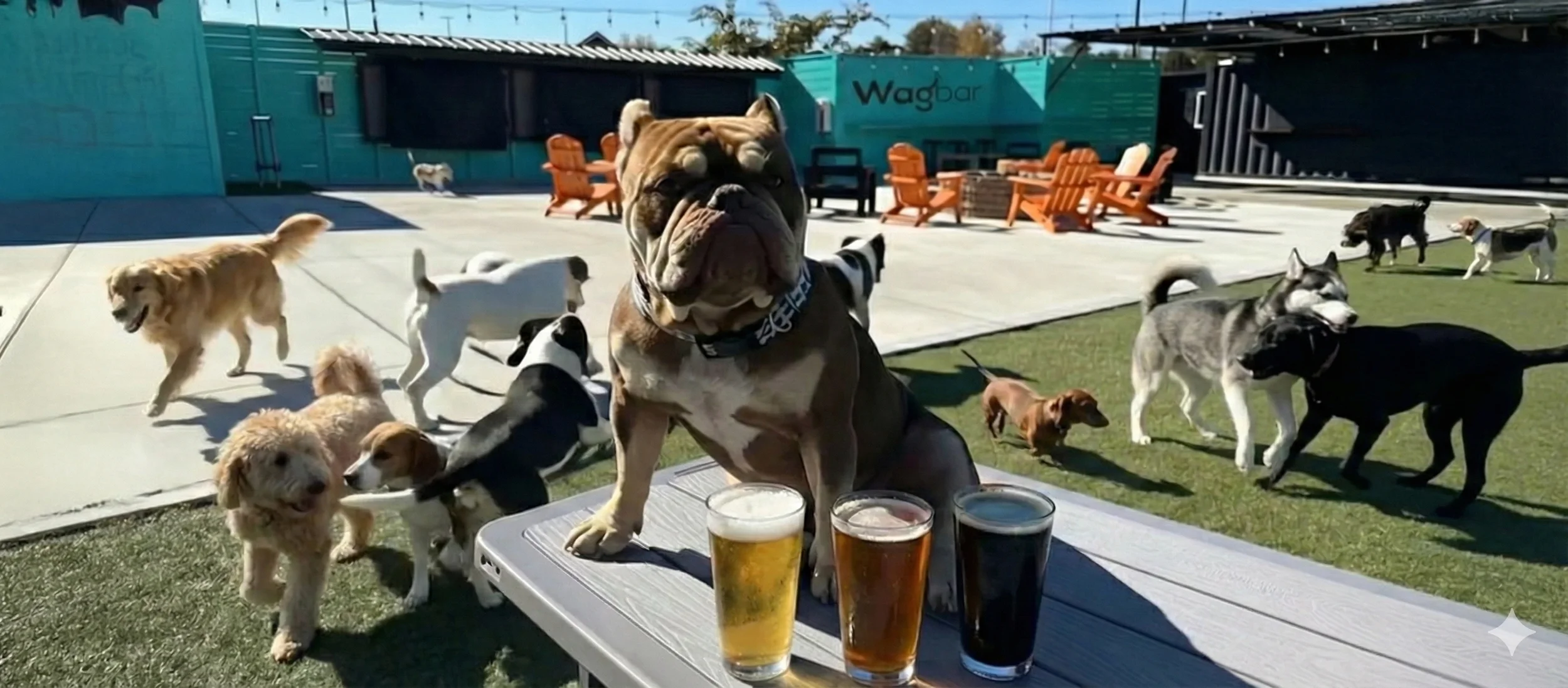
Building Your Dog's Social Circle in Knoxville: Community Resources for Owners

Every dog owner knows that magical moment when their pup finds a best friend at the park. Tails wagging in perfect sync, playful bows exchanged, that instant recognition that says "you're my people." But here's what makes Knoxville special: those connections don't just happen between the dogs.
In Knoxville, the dog owner community has created something remarkable—a network of friendships, support systems, and genuine connections that go far beyond casual hellos at the park gate. Whether you're new to the area with a rescue who needs socialization, returning to dog ownership after years away, or simply looking for people who understand why you have 3,000 photos of your dog on your phone, Knoxville's dog community has a place for you.
Why Dog Owner Communities Matter More Than Ever
The past few years taught us something important about connection. When everything else felt uncertain, the simple joy of watching dogs play together—and chatting with fellow owners while they did—became an anchor point. Dog parks and pet-friendly spaces weren't just about exercise anymore; they became genuine community hubs where people found support, friendship, and a sense of belonging.
Research backs up what dog owners have known intuitively: people with dogs tend to have larger social networks and stronger community ties. A study published in the journal PLOS ONE found that dog owners were 40% more likely to know their neighbors compared to non-dog owners (Wood et al., 2015). But in Knoxville, that connection runs deeper than just knowing names—it's about building actual friendships, creating support networks, and yes, ensuring our dogs have their own social circles too.
Think about what makes a great dog community. It's not just about having space for dogs to run (though that matters). It's about creating environments where owners feel comfortable starting conversations, where regulars genuinely care about each other's dogs by name, and where someone notices if you haven't been around for a while. It's the difference between a dog park and a community.
Knoxville's Dog-Friendly Culture and Growing Community
Knoxville has always had a soft spot for dogs, but something shifted in recent years. The city recognized that pet-friendly spaces weren't just nice amenities—they were essential community infrastructure. From the renovation of existing dog parks to the addition of new pet-friendly patios downtown, Knoxville has been building a framework that supports dog owners in meaningful ways.
The numbers tell part of the story. According to the American Pet Products Association, 67% of U.S. households own a pet, with dogs leading as the most popular choice (APPA, 2023). In Knoxville specifically, that percentage runs even higher, with an estimated 70% of households including at least one dog. That's a lot of potential friends—both two-legged and four-legged.
What makes Knoxville's dog community distinctive isn't just the quantity of dog owners, though. It's the quality of spaces and experiences being created. The city sits at an intersection of outdoor culture (those Smoky Mountain views aren't just for tourists), Southern hospitality that extends to four-legged visitors, and a growing food and beverage scene that increasingly welcomes well-behaved pups. Add in a climate that allows for year-round outdoor activities, and you've got ideal conditions for a thriving dog community.
Local neighborhoods each bring their own flavor to the dog community scene. In West Knoxville, you'll find families gathering at parks on weekend mornings, coffee in hand while puppies tumble over each other. Downtown, the scene skews younger and more energetic, with dog-friendly patios filling up after work as owners decompress with their pups. North Knoxville offers a more laid-back vibe, where dogs off-leash in designated areas and their owners swap training tips and rescue stories. East Knoxville's parks see multi-generational gatherings, where grandparents bring grandkids and the family dog for Sunday afternoon adventures.
Understanding these different community pockets helps you find your people. Maybe you're drawn to the structured playgroups and training sessions that West Knoxville organizes. Perhaps downtown's spontaneous happy hour meetups fit your schedule better. Or maybe you prefer the quieter, more intimate gatherings that happen in East Knoxville's neighborhood parks. The point is: there's a corner of Knoxville's dog community that matches your style.
WagBar Knoxville: More Than Just an Off-Leash Dog Park
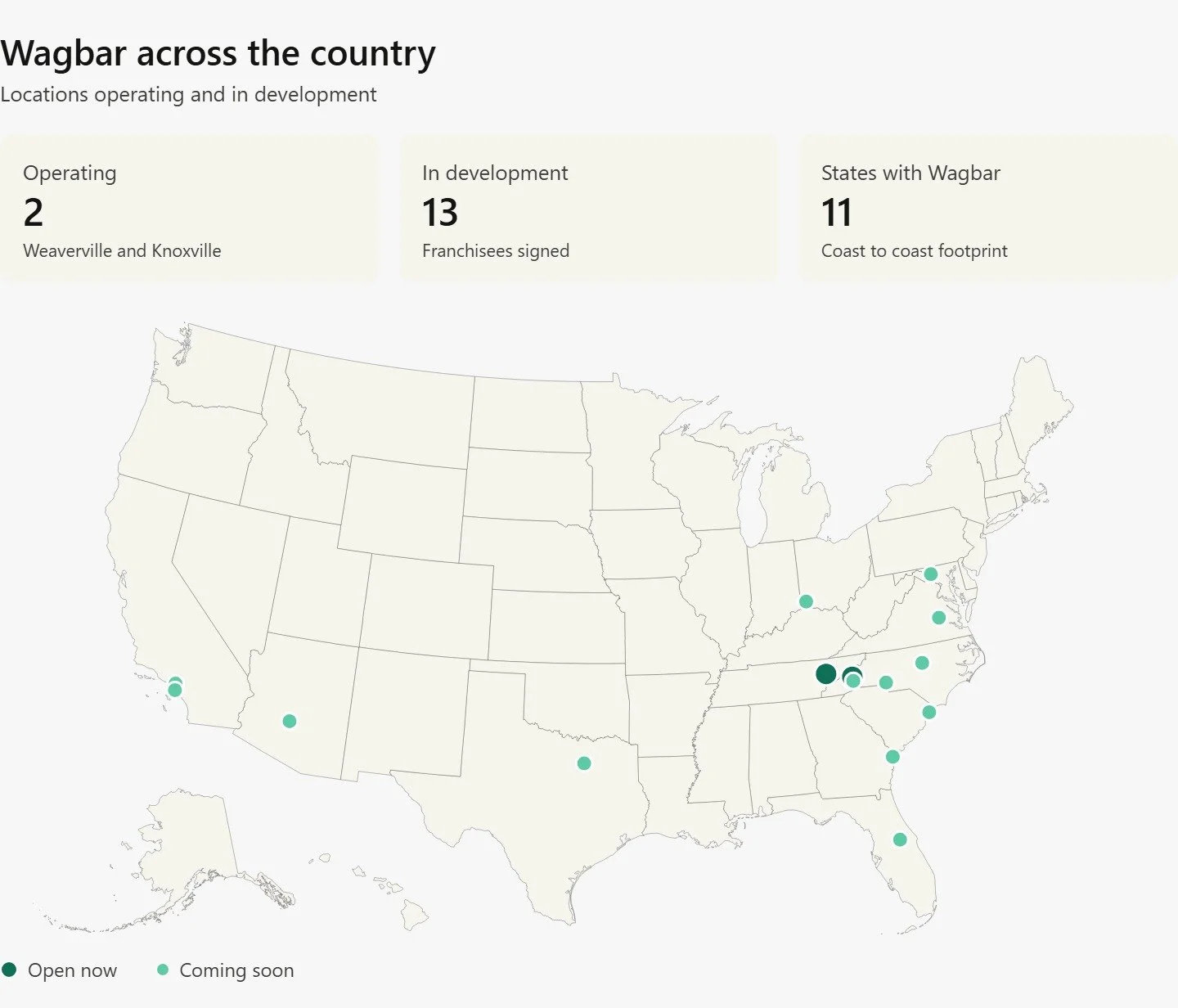
When WagBar opens in Knoxville in October 2025, it won't just be adding another dog park to the city—it's creating a fundamentally different kind of community space. The off-leash dog park and bar concept recognizes something crucial: dog owners want to socialize too, not just their pets.
Picture this: your dog is racing around with newfound friends, completely in their element, while you're actually able to sit down with a cold drink and have a real conversation with another adult. No leashes tangling around your legs. No awkward standing-around-watching. Just genuine connection happening simultaneously for dogs and their people.
That's the model that's worked brilliantly at WagBar's flagship Asheville location, where the facility has become the heart of that city's dog owner community. It's where people meet their best friends (both canine and human), where puppies learn social skills under careful supervision, and where the Tuesday trivia crowd knows each other's dogs by name. That same community-first approach is coming to Knoxville.
The off-leash dog park and bar concept transforms how dog owners interact with their community. Traditional dog parks require constant vigilance—you're watching your dog, managing leash entanglements, and hoping that approaching dog is friendly. It's social, sure, but it's also work. WagBar's model acknowledges that dog owners deserve to relax too. Trained staff monitor play to ensure safety, allowing you to actually enjoy the social experience rather than just supervising it.
Community building is intentional at WagBar, not accidental. Regular events create opportunities for connection beyond just showing up and hoping to meet someone. Tuesday trivia nights bring out competitive streaks while dogs play. Weekend brunch hours mean families can make WagBar part of their routine. Breed-specific meetups help owners connect with people facing similar training challenges or breed quirks. It's structured enough to facilitate connections but relaxed enough to feel natural.
The membership model plays a crucial role too. Unlike one-time visits to public parks, memberships create a regular community. You start recognizing faces and dogs. You remember that Luna prefers gentle giants despite being only 15 pounds herself. You know that Marcus's reactive rescue has made incredible progress over the past three months. You become invested in each other's journeys because you're sharing them consistently.
For prospective franchisees and entrepreneurs interested in creating community-centered businesses, the WagBar model offers compelling lessons. The pet franchise opportunity isn't just about operating a dog park—it's about becoming a community hub. That's what makes the concept recession-resistant and locally beloved wherever it opens.
Finding Your Pack: Types of Dog Communities in Knoxville
Knoxville's dog community isn't monolithic—it's wonderfully diverse, with different groups serving different needs. Understanding the landscape helps you find the connections that matter most to you and your dog.
Neighborhood-Based Dog Groups
These organic communities form around local parks and walking routes. If you frequent Victor Ashe Park in West Knoxville, you'll quickly recognize the 7am coffee crew who walks the trails together most weekdays. In Sequoyah Hills, there's an evening pack that meets around sunset, their routine so established that missing regulars prompts welfare checks.
These hyper-local groups offer convenience and consistency. Your dog knows the other dogs, you know the other owners, and over time, these casual encounters evolve into genuine friendships. Need someone to check on your dog during an emergency? The neighborhood group has your back. Looking for vet recommendations or training resources? Someone in your local pack has been there.
The best way to connect with neighborhood groups is simply showing up consistently at the same time. Dog owners are creatures of habit—we have to be, because our dogs demand routine. Find a park near you, go at the same time for a few weeks, and you'll naturally integrate into the existing community.
Breed-Specific Communities
Breed enthusiasts know: sometimes you just need to commiserate with someone who understands your specific dog's quirks. Husky owners connect over escape artist stories and dramatic vocalizations. Dachshund parents compare back health strategies. Pit bull advocates support each other in changing breed stigma narratives.
Knoxville hosts several breed-specific groups that meet regularly. The Tennessee Valley Golden Retriever Rescue organizes monthly meetups where dozens of goldens create a sea of wagging tails and tennis balls. The Knoxville Bully Breed Meetup works to showcase the gentle nature of frequently misunderstood breeds. Doodle owners connect through a Facebook group that coordinates playdates at rotating locations.
These breed-focused communities offer specialized knowledge and support. Training approaches that work brilliantly for border collies might completely fail with hound dogs. The exercise needs of a high-energy pointer differ drastically from a low-key basset hound. Breed groups connect you with people navigating similar challenges and celebrating similar triumphs.
For those interested in understanding breed characteristics more deeply, our comprehensive Golden Retriever guide explores how one of America's most popular breeds thrives in family environments and dog communities.
Activity-Based Dog Communities
Some dog communities form around shared activities beyond just playing at the park. These groups offer structured engagement and skill development for both dogs and owners.
Hiking Groups: East Tennessee's proximity to the Smokies makes hiking with dogs incredibly popular. The Knoxville Dog Hikers group coordinates weekend adventures to dog-friendly trails throughout the region. These outings range from easy two-mile loops perfect for older dogs to challenging all-day hikes for high-energy breeds.
Running Clubs: For athletic dogs and their equally active owners, several running groups welcome four-legged participants. The Fleet Feet Knoxville group schedules weekend runs where leashed dogs are welcome. These provide excellent socialization opportunities while burning serious energy.
Dock Diving: The Knoxville Dog Sports facility offers dock diving sessions where water-loving breeds can learn and compete. The community around competitive dog sports is incredibly supportive, celebrating each other's progress and offering training tips.
Training Classes: Group obedience classes naturally foster community. When you spend eight weeks working alongside other owners facing similar training challenges, bonds form. Many training centers facilitate this by including socialization time before or after structured lessons.
Online Communities Supporting In-Person Connection
While nothing replaces face-to-face interaction, Knoxville's dog owner community leverages digital platforms to facilitate real-world meetups. Facebook groups like "Knoxville Dog Lovers" and "Dogs of Knoxville" maintain active communities where members organize impromptu playdates, share lost dog alerts, and coordinate response to community needs.
These online spaces serve crucial functions: they help newcomers plug into the community, allow people to find others with similar interests or breeds, and create networks for resource sharing. Someone posts about needing a dog sitter for the weekend, and three members offer to help. Another person asks for vet recommendations after a move to Knoxville, receiving a dozen thoughtful responses within hours.
The key is using online communities as bridges to in-person connection rather than replacements for it. The friendships formed over your dog's playdates create the foundation that makes online communities genuinely supportive rather than just another social media time sink.
WagBar's Role as Knoxville's Dog Community Hub
While neighborhood parks and breed groups create valuable micro-communities, Knoxville has been missing something: a dedicated space designed specifically for bringing the entire dog owner community together under one roof. That's exactly what WagBar will provide when it opens in October 2025.
Creating Connections Through Intentional Design
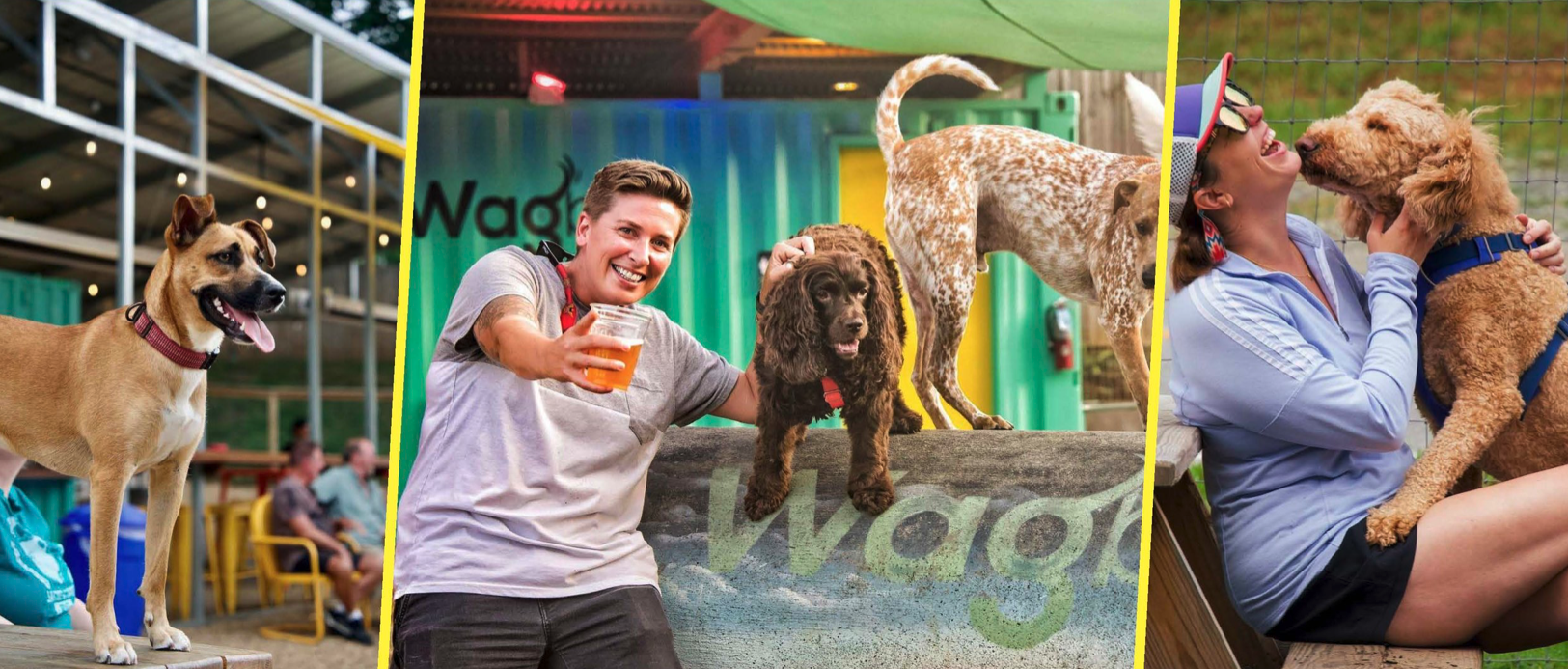
The physical layout of WagBar Knoxville is purposefully designed to facilitate interaction. This isn't just a fenced area where dogs run while owners stand around the perimeter (though there's plenty of space for off-leash play). The integration of comfortable seating, shade structures, and the bar area means owners can relax and actually engage with each other while their dogs socialize.
Think about traditional dog parks for a moment. Where do owners spend their time? Usually standing near the entrance, ready to grab their dog if needed, or walking the perimeter to keep an eye on things. Conversation happens, but it's often interrupted by dogs needing attention or the need to move to break up rough play. It's social, but it's also work.
WagBar's model flips that dynamic. Trained staff monitor dog interactions and intervene when play gets too rough or a dog needs a break. This professional oversight means owners can actually sit down, enjoy a drink, and have uninterrupted conversations. The result? Deeper connections. Actual friendships. The kind of relationships where you exchange phone numbers and plan to meet outside the park too.
The bar component isn't about alcohol sales (though yes, there's a thoughtful selection of craft beers, wine, and non-alcoholic options). It's about creating a legitimate social venue where dogs are welcomed and celebrated rather than merely tolerated. It's the difference between bringing your dog to a regular bar's patio (where you're grateful they allow it but feel like you're imposing) versus being in a space specifically designed for the dog owner experience.
Programming That Builds Community
WagBar's calendar of events transforms casual visitors into a tight-knit community. These aren't just marketing tactics—they're intentional community-building tools.
Tuesday Trivia Nights bring out the competitive spirit while dogs play. Teams form organically, mixing regulars and newcomers. Inside jokes develop. A trivia rivalry becomes the foundation for real friendship. The same faces show up Tuesday after Tuesday, and suddenly you realize you've built a routine around connecting with your community.
Breed Meetups happen twice monthly, spotlighting different breeds each time. When 20 corgis take over WagBar for an afternoon, the energy is unmatched. Owners share training tips specific to short-legged herding dogs, swap grooming advice, and commiserate about the impossibility of resisting those ears. These focused gatherings create space for breed-specific communities to flourish within the larger WagBar community.
Seasonal Celebrations mark the changing year with dog-friendly fun. The fall costume contest. Winter holiday photos with Santa (because yes, your dog needs professional portraits). Spring Puppy Olympics for dogs under six months. Summer pool parties when Tennessee heat requires serious cooling off. These events create shared memories and give people reasons to stay engaged beyond just the daily dog park visit.
Yappy Hours offer designated times with special pricing, naturally concentrating the community during specific windows. Know that Thursday evenings bring out the after-work crowd. Sunday mornings attract families. These patterns help people find their preferred community subset within the larger membership.
The magic happens when someone transitions from thinking "I'm going to the dog park" to "I'm going to hang out with friends at WagBar." That shift represents the evolution from customer to community member.
Membership Model Creates Consistency
One challenge with public dog parks is their transient nature. You might meet someone fascinating, have a great conversation, and never see them again. They came from the other side of town, or they were just visiting, or their schedule doesn't align with yours. The connection dies before it can develop.
WagBar's membership model addresses this directly. Members visit regularly—it's part of their routine. You start recognizing familiar faces and dogs. Casual "hellos" evolve into "how's Luna's training going?" conversations. You remember that someone's dog was recovering from surgery and check in on progress. Community emerges from consistency.
For newcomers, this existing community eases the anxiety of joining. There's no pressure to immediately become a regular—but there's space and welcome when you want to. Seasoned members remember being new once and generally make efforts to include unfamiliar faces. The staff facilitates introductions, helping connect people based on common interests or compatible dogs.
This is where the franchise model proves its strength. WagBar isn't just building a business in Knoxville—it's importing a proven community-building system. The Asheville location has demonstrated what happens when you combine the right physical space with intentional programming and community-first values. That same foundation is being replicated in Knoxville.
Beyond WagBar: Other Knoxville Dog Community Resources
While WagBar will serve as a major community hub, Knoxville's dog owner network extends far beyond any single venue. Understanding the full landscape helps you build a rich, diverse social life for both you and your dog.
Public Dog Parks and Their Communities
Knoxville maintains several city parks with designated off-leash areas, each developing its own distinct community character.
Concord Park in West Knoxville features a large, well-maintained dog park separated into sections for large and small dogs. The morning crowd here skews toward retirees and remote workers who have flexible schedules. Afternoons bring families with kids and dogs. Weekends see the most diverse mix, with all demographics converging. The park's tree cover and walking trails make it especially popular during summer months.
The Concord community is known for its organization—regulars coordinate to refresh water supplies, maintain the park's condition, and quickly welcome newcomers. A Facebook group for Concord Park dog owners coordinates beyond just park visits, organizing off-site meetups and sharing community resources.
Victor Ashe Park serves North Knoxville with a smaller but beloved dog park. The community here tends to be tighter-knit precisely because of the park's smaller size. You can't really visit regularly without getting to know other regulars. The group skews younger, with many professionals in their 30s and 40s who live in nearby neighborhoods.
Tommy Schumpert Park in South Knoxville attracts a loyal following despite being one of the city's smaller dog parks. The surrounding neighborhood is tight-knit, and that translates to the park community. Visitors often describe it as feeling like a backyard gathering of friends rather than a public park.
Each park develops these unique personalities based on location, facilities, and the people who frequent them. Finding the right fit sometimes means visiting several before you discover where you most connect with both the space and the community.
Organized Playgroups and Training-Based Communities
Several Knoxville dog training facilities recognize that socialization extends beyond basic obedience commands. These organizations create structured opportunities for community building while developing important skills.
Pet Supplies Plus Knoxville hosts weekly puppy socials for dogs under six months. These controlled environments help young dogs learn appropriate play under expert supervision while owners connect with others navigating the intense puppy stage. Many lasting friendships form from these puppy socials—when you've commiserated about destroyed furniture and sleepless nights together, bonds develop quickly.
PetSafe Village offers group training classes covering everything from basic obedience to specialized skills like nosework and agility. The group class format naturally creates community as people work through similar challenges together. Advanced students often continue training together even after formal classes end, meeting independently to practice new skills.
Wagging Tails Dog Training facilitates regular playgroups for adolescent dogs (roughly 6-18 months) who are too old for puppy socials but still learning appropriate play behaviors. This age group especially benefits from structured socialization opportunities since they're typically too energetic for adult dog groups but need more controlled environments than fully mature dogs.
These training-based communities offer something valuable: expert oversight during the crucial socialization process. While free play at dog parks has value, structured socialization under professional guidance helps prevent the development of problematic behaviors and fears. Plus, having a trainer present means you can get immediate answers to training questions that arise.
The community aspect of these training environments shouldn't be underestimated. When you share the journey of teaching your dog to come reliably when called, or you've all struggled through the "teenage" phase together, those shared experiences create genuine connections.
Dog-Friendly Businesses Supporting Community
Knoxville's business community increasingly recognizes dog owners as a valuable demographic worth serving. These pet-friendly establishments create additional gathering points for dog lovers.
Breweries and Coffee Shops throughout Knoxville welcome well-behaved dogs on their patios. Alliance Brewing Company, Pretentious Beer Company, and Printshop Beer Company have all cultivated dog-friendly reputations. These venues allow for more casual socializing than structured park visits—you can grab a beer, your dog can rest at your feet, and you're free to engage (or not) with other dog owners as you prefer.
Coffee shops like Three Bears Coffee and Wild Love Bakehouse welcome leashed dogs on their outdoor seating areas. Morning coffee runs with your pup become opportunities to connect with other early risers and their dogs. These low-key interactions complement the higher-energy park visits.
Retail Stores including Petco, PetSmart, and Tractor Supply Company allow leashed dogs inside. While primarily shopping destinations, these spaces often facilitate impromptu connections between dog owners. The "what kind of dog is that?" question leads to extended conversations comparing notes on training methods or health concerns.
Outdoor Dining areas throughout downtown Knoxville increasingly accommodate dogs. Market Square restaurants with patio seating commonly welcome four-legged diners. Stock & Barrel, Tupelo Honey, and Tomato Head all maintain dog-friendly outdoor spaces. These dining experiences normalize bringing dogs into more social aspects of life rather than leaving them home during human activities.
For those curious about building businesses around the dog owner demographic, understanding the types of animal franchise opportunities provides insight into the growing pet industry landscape and where community-focused concepts fit.
Trail and Outdoor Communities
East Tennessee's natural beauty creates opportunities for dog owner communities centered on outdoor adventure rather than traditional park visits.
Knox Blueways Greenway System offers miles of paved trails where leashed dogs are welcome. The 1000-acre Urban Wilderness provides even more extensive trail networks for hiking with dogs. Regular users of these trails often encounter the same faces repeatedly, leading to trail friendships built around shared love of outdoor activity.
Several informal hiking groups coordinate through Facebook and Meetup, organizing weekend adventures to dog-friendly trails in the Smokies and Cherokee National Forest. These groups typically range from casual two-hour hikes to challenging all-day adventures, providing options for different fitness levels and dog capabilities.
Ijams Nature Center maintains several trails where leashed dogs are permitted. The three-mile River Trail especially popular with dog owners since it combines manageable distance with beautiful river views. Weekend mornings see steady traffic of dogs and their people enjoying the natural setting.
The outdoor adventure community tends to attract specific personality types—people who value nature, physical activity, and often have higher-energy dogs that need substantial exercise. If you own a Border Collie, Australian Shepherd, or Pointer who needs serious physical and mental stimulation, these outdoor groups often become your primary community rather than traditional dog parks.
Building Social Skills: How Communities Help Dogs Thrive
The benefits of dog owner communities extend beyond human connection—they're crucial for canine development and wellbeing too. Dogs are inherently social animals, and regular interaction with other dogs provides essential mental and physical stimulation.
The Critical Socialization Window
Puppies have a critical socialization period between approximately 3 and 16 weeks of age when they're especially receptive to new experiences (American Veterinary Society of Animal Behavior, 2008). Exposures during this window shape their adult temperament and stress responses. Puppies who miss adequate socialization often develop fear or reactivity issues later in life.
This creates a challenge for new puppy owners: how do you safely socialize a puppy who hasn't completed their vaccination series yet? Public dog parks aren't recommended until vaccines are complete (usually around 16 weeks), but that overlaps with the critical socialization window.
Structured puppy socials and controlled playgroups solve this dilemma. Facilities like WagBar that require proof of vaccination create safe environments for puppy socialization. When everyone present has verified health credentials, the risk of disease transmission drops dramatically while still allowing crucial socialization experiences.
Community connections help here too. When you know the vaccination status of your neighborhood walking group's dogs, you can arrange controlled socialization opportunities. That local pack becomes a safe resource for your puppy's development.
Our guide to puppy socialization timelines explores this critical developmental period in depth and provides strategies for navigating it successfully.
Learning Canine Communication
Dogs have complex communication systems involving body language, vocalizations, and scent signals. Young dogs learn to read and respond to these signals primarily through interaction with other dogs. The more diverse socialization experiences a dog has—different breeds, ages, play styles—the better they become at canine communication.
Dog communities provide this crucial education. Your dog learns that a play bow means "this is fun, let's continue," while a stiff posture signals "back off, I need space." They discover that some dogs prefer gentle, wrestling-style play while others enjoy chase games. They figure out how to approach unfamiliar dogs appropriately and how to disengage when play gets too intense.
This social education prevents problems down the road. Dogs who haven't learned proper communication often misinterpret signals, leading to conflicts or fear. A dog who never learned to respect another dog's space boundaries might continue approaching after receiving clear "leave me alone" signals. A dog who wasn't exposed to high-energy play might react fearfully to exuberant dogs who mean no harm.
Regular community participation exposes your dog to diverse communication styles. The senior Labrador who's outgrown rough play teaches puppies about gentle interaction. The herding breed with intense eye contact demonstrates communication without physical touch. The hound who vocalizes during play normalizes different expressions of excitement. This diversity creates well-rounded, socially fluent dogs.
Physical and Mental Exercise
The exercise benefits of dog communities extend beyond simple physical activity. Yes, running with other dogs provides cardiovascular benefits and helps maintain healthy weight. But the mental stimulation of social interaction is equally important.
Dog brains are wired for social processing. Navigating group dynamics, making play decisions, reading and responding to social cues—all of this provides intense mental exercise. A 30-minute play session with other dogs often exhausts a dog more thoroughly than an hour-long solo walk because of the combined physical and mental demands.
For high-energy or working breeds, community participation becomes essential. A Border Collie who never gets to engage their herding instincts in appropriate ways will find inappropriate outlets (herding children, cars, or cats, for instance). But regular participation in dog communities provides outlets for these bred-in behaviors. They can chase and be chased. They can engage their problem-solving abilities by figuring out how to outmaneuver play partners. They get to use their brains and bodies in ways they were literally designed for.
The fatigue that follows robust social play is a healthy tired. Dogs who've been mentally and physically exercised appropriately are calmer at home, sleep better, and display fewer problematic behaviors. Community participation becomes a management tool for behavioral health.
Preventing and Addressing Behavioral Issues
Regular community engagement prevents some behavioral issues while helping address others. Dogs who lack adequate socialization often develop fear-based reactivity—barking, lunging, or aggressive displays triggered by fear of unfamiliar dogs or people. Prevention is easier than treatment, and consistent community participation from puppyhood forward significantly reduces the likelihood of these issues developing.
For dogs who've already developed reactivity or social anxiety, specialized community programs can help rehabilitation. Some training facilities offer reactive dog classes where dogs work at a distance from each other, gradually decreasing space as comfort levels improve. These structured programs provide the social exposure reactive dogs need while maintaining safety and preventing rehearsal of unwanted behaviors.
The social support community provides for owners of reactive dogs can't be overstated. Working with a reactive dog is stressful and often isolating—traditional dog parks aren't appropriate, neighborhood walks can be challenging, and well-meaning but uninformed advice from non-reactive-dog owners doesn't always help. Connecting with other owners facing similar challenges provides emotional support, proven strategies, and hope from seeing other dogs make progress.
Our comprehensive guide to reactive dog training offers evidence-based approaches for helping dogs overcome fear and reactivity issues through positive reinforcement and gradual exposure.

Creating Your Community Connection Strategy
Understanding that dog owner communities offer tremendous value is one thing. Actually integrating into those communities requires intentional effort. Here's how to build meaningful connections within Knoxville's dog owner network.
Start With Consistency
The single most important factor in building community is showing up regularly. Pick a location—WagBar, a neighborhood dog park, a regular walking route—and commit to being there consistently at roughly the same time. Community emerges from repeated interactions, not one-time visits.
Think about your schedule realistically. If you're not a morning person, don't commit to 7am park visits—you'll resent it and eventually stop going. If your work schedule varies wildly, finding consistency might be harder, but even showing up on a specific day of the week (every Saturday morning, for instance) creates enough pattern for community building.
Consistency benefits your dog too. Dogs thrive on routine, and having regular social time helps them anticipate and prepare for interaction. A dog who knows that Wednesday evenings mean WagBar time will be mentally ready for play, leading to better social behaviors.
Be Approachable
Small actions signal approachability. Make eye contact and smile at other owners. Put your phone away (or at least keep it pocketed most of the time) so you appear available for conversation. Position yourself in social areas rather than isolated corners. These subtle cues communicate that you're open to connection.
Learn and use people's names. This seems obvious but many regular park-goers know each other's dogs' names without knowing the owners' names. "Hey, Luna's mom!" only goes so far. Ask for names, use them, and notice how conversations deepen when you address someone personally rather than just as someone's dog's owner.
Have your dog's name clearly visible—name tags, embroidered collars, or even just being comfortable calling your dog by name when others are nearby. This gives people an easy conversation starter and helps them remember your dog when you return.
Ask Questions and Share Experiences
People love talking about their dogs. Strategic questions open conversations while showing genuine interest. "How old is she?" "What mix do you think he is?" "How long have you been coming here?" These simple questions demonstrate interest and usually lead to longer exchanges.
Share your own experiences when relevant, but balance talking and listening. If someone mentions their dog's training struggles, relating your own challenges creates connection. But dominating every conversation with stories about your dog won't build community—it'll just make people avoid you.
Be genuinely curious about other people's experiences. Ask follow-up questions. Remember details from previous conversations and reference them next time you meet. "Did that new vet appointment work out for Max?" shows you paid attention and care about their lives beyond surface-level park chat.
Respect Boundaries and Read Social Cues
Not everyone wants the same level of interaction, and that's okay. Some people visit dog parks purely for their dog's benefit and prefer minimal human interaction. Others are social butterflies who never met a stranger. Most fall somewhere in between.
Pay attention to social cues. Someone who positions themselves away from clusters of people, keeps earbuds in, or gives brief answers probably prefers less interaction. Respect that. A friendly nod acknowledges their presence without imposing conversation.
Conversely, if someone seems interested in extended conversation but you need to leave, handle the exit gracefully. "I've got to head out, but I'm usually here Tuesday evenings if you want to chat more then" communicates that you enjoyed the interaction and provides opportunity for future connection without requiring immediate follow-through.
Extend Connections Beyond the Park
The transition from park acquaintance to actual friend often requires moving beyond the dog park context. Exchange phone numbers or social media connections with people you click with. Suggest meeting for coffee (dog-friendly patio, naturally) or coordinate a hiking trip with your dogs.
This can feel awkward—making friends as adults is weird, and proposing friendship hangouts feels vulnerable. But most people are equally interested in building friendships and will appreciate the initiative. The worst that happens is someone politely declines, in which case you continue the pleasant park relationship without expanding it.
WagBar's regular events provide built-in opportunities for this transition. If you've been chatting with someone at the park for weeks, suggesting "Hey, want to be on my trivia team Tuesday night?" feels less forward than proposing an outside hangout. The structured event provides the framework while allowing the relationship to deepen naturally.
Contribute to Community Health
Communities thrive when members actively contribute rather than just consume. Small actions maintain community health and signal that you're invested beyond just personal benefit.
Pick up after your dog (obviously), but also grab that stray tennis ball you see or throw away trash you notice. These tiny efforts maintain the space everyone enjoys.
Welcome newcomers by introducing yourself and offering to answer questions. Remember feeling new and uncertain, and pay forward the welcome you received (or wished you'd received).
Share resources generously. If someone mentions looking for a vet, share your recommendation. If you've found a great trainer, pass along contact information. Community strengthens through reciprocal support.
Support community events by showing up, participating enthusiastically, and helping where you can. Volunteer to bring supplies for the summer cookout. Help set up for the costume contest. Your engagement makes events better for everyone.
Address conflicts constructively. When issues arise (and they will—dogs and humans are imperfect), handle them with grace. If someone's dog displays problematic behavior, approach with concern rather than accusation. "Hey, my dog seems overwhelmed—can we give them both a break?" works better than "Your dog is being aggressive!" Assuming good intentions and offering solutions rather than just criticism keeps community conflict from escalating unnecessarily.
Volunteering and Giving Back: Strengthening Community Through Service
Some of the strongest bonds in dog owner communities form through volunteer work and giving back to the community that's enriched your life. Knoxville offers numerous opportunities to channel your love of dogs into meaningful service.
Local Rescue Organizations
Young-Williams Animal Center, Knoxville's open-admission shelter, always needs volunteers for dog walking, socialization, and adoption events. These opportunities provide crucial support for homeless dogs while connecting you with other volunteers who share your passion for animal welfare.
Volunteering at rescue organizations offers perspective that enriches your understanding of dogs and deepens your gratitude for your own pet. Shelter dogs often display resilience and enthusiasm despite difficult backgrounds. Working with them reinforces your commitment to community and responsible pet ownership.
Many rescue organizations also organize social events that build community among volunteers, adopters, and supporters. Young-Williams hosts annual fundraising galas, adoption festivals, and community education programs. Participating in these events expands your network while supporting essential community services.
Breed-specific rescues operating in the Knoxville area welcome volunteers with specialized knowledge. If you own a particular breed and understand its unique characteristics, sharing that expertise helps match rescue dogs with appropriate families. The Golden Retriever rescue, Boxer rescue, and Hound rescue all maintain active volunteer programs.
Community Outreach and Education
Pet safety programs in schools and community centers need knowledgeable dog owners to teach children appropriate interactions with dogs. These programs prevent dog bites, reduce fear, and raise a generation of responsible pet owners. If you own a bomb-proof, kid-friendly dog, therapy dog certification opens opportunities for school visits and reading programs where children practice reading aloud to non-judgmental canine listeners.
Low-cost vaccination clinics and spay/neuter events often need volunteers to handle check-in, direct traffic, or provide post-procedure care. These services make responsible pet ownership accessible to all economic levels, strengthening the entire community.
Senior citizen outreach programs pair volunteers with elderly residents who need help caring for their dogs. Services might include dog walking for mobility-limited owners, transportation to veterinary appointments, or temporary foster care during health emergencies. These programs keep beloved dogs with their owners rather than forcing surrender due to temporary circumstances.
Foster Programs
Emergency fostering provides temporary homes for dogs whose owners are experiencing crisis—domestic violence situations, natural disasters, or medical emergencies. These short-term placements (usually days or weeks rather than months) keep families together by caring for pets during temporary hardship.
Long-term fostering for rescue organizations houses dogs while they await adoption. Fostering frees up shelter kennel space, allows behavioral assessment in home environments, and increases adoption success by helping match dogs to appropriate families. Foster volunteers become crucial community infrastructure supporting animal welfare.
The foster community itself is remarkably supportive. Foster groups share advice, celebrate adoption success stories, and provide backup support during difficult placements. The friendships formed through fostering often outlast individual placements as volunteers continue supporting each other through subsequent fosters.
Trail and Park Maintenance
Adopt-a-Park programs allow community groups to maintain specific dog parks or trails. This might involve organizing quarterly cleanup days, fundraising for new equipment, or coordinating with city officials on improvements. Taking ownership of community spaces strengthens both the physical infrastructure and social bonds among users.
Trail maintenance organizations like Legacy Parks Foundation coordinate volunteer days for maintaining Knoxville's extensive greenway and trail systems. These events combine outdoor activity with community service while supporting the spaces dog owners use regularly.
Community Building Through Organized Fundraisers
Charity walks and runs frequently include canine participants. Events like the annual Young-Williams Doggie Dash bring together hundreds of dogs and their owners for family-friendly 5K walks, raising funds for shelter operations while celebrating the dog-human bond.
Restaurant fundraisers where businesses donate a percentage of specific day's proceeds to rescue organizations create casual opportunities for community gathering while supporting good causes. These events feel less formal than organized volunteer activities but still contribute to community health and animal welfare.
Donation drives for supplies, food, or funds respond to specific community needs. When natural disasters affect the region, organized drives collect emergency supplies for displaced families and their pets. These response efforts demonstrate community solidarity during crisis.
The best cities for dog franchise success often show strong cultures of volunteerism and community engagement around pet causes. Knoxville's robust network of animal welfare organizations and volunteer opportunities reflects a community that values animal welfare and supports infrastructure for dog owners.
Navigating Social Challenges in Dog Communities
While dog owner communities offer tremendous benefits, they're not without challenges. Understanding potential friction points and having strategies for navigating them helps maintain healthy community dynamics.
Handling Disagreements About Training Methods
Dog training is weirdly contentious. People develop strong convictions about the "right" way to train, and different philosophies can clash. Positive reinforcement advocates sometimes judge those using correction-based methods. Traditional trainers may dismiss positive-only approaches as ineffective with certain dogs.
In community settings, these disagreements can create tension. The best approach is respecting that different methods work for different dogs and owners while maintaining your own boundaries. If someone criticizes your training choices, a simple "This works for my dog and my situation" ends most debates without escalation.
At WagBar and other professionally operated facilities, staff training standards create baseline expectations that help prevent training method conflicts. When everyone agrees to follow facility rules, there's less room for public disagreements about personal training philosophies.
Managing Play Style Mismatches
Not all dogs play the same way. Some prefer gentle, sniff-and-chase games. Others enjoy rough-and-tumble wrestling. Size differences complicate things—a 70-pound adolescent Labrador who doesn't realize his own size can intimidate a 15-pound terrier even when intentions are purely playful.
Miscommunication about play styles causes most dog park conflicts. One owner sees their dog's behavior as normal play; another sees it as bullying. Both perspectives might have validity—what matters is recognizing when play isn't working for both dogs and intervening appropriately.
The key is watching dogs rather than assuming all interaction is positive. Look for reciprocal play—do both dogs seem equally engaged and enthusiastic? Do they take turns being chaser and chased? If one dog consistently tries to escape or hide, that's not mutually enjoyable play regardless of the other dog's intentions.
At WagBar, trained staff monitor play and intervene when dynamics become problematic. This professional oversight removes the burden from owners to police each other's dogs and reduces conflict over play style differences.
Our guide to dog park behavior offers detailed information about reading canine play signals and recognizing when intervention is needed.
Addressing Off-Leash Etiquette Issues
Off-leash etiquette varies by community, and assumptions about what's acceptable can cause friction. Some communities expect immediate recall response—your dog should return instantly when called. Others are more relaxed about dogs ranging widely. Some parks have zero tolerance for mounting behavior; others view it as normal dog communication requiring intervention only if excessive.
New community members should observe norms before making assumptions. Watch how regulars handle situations. Notice what behaviors prompt intervention versus acceptance. Ask questions if you're unsure about expectations.
When you witness behavior that concerns you, address it directly but kindly. "Hey, could you grab your dog? Mine is getting overwhelmed" is specific and actionable. "Your dog is being aggressive!" escalates unnecessarily and probably isn't accurate—most conflict at dog parks involves overarousal or play mismatches rather than genuine aggression.
If someone addresses concerns about your dog's behavior, try to receive feedback without defensiveness. They're advocating for their dog's comfort, and even if you disagree with their interpretation, acknowledging their concern ("Thanks for letting me know—I'll keep an eye on things") maintains community goodwill.
Navigating Reactive Dog Challenges
Reactive dogs—those who bark, lunge, or display aggressive body language toward other dogs—create special challenges for community participation. Owners of reactive dogs often feel isolated and judged, even though reactivity is incredibly common and usually very treatable.
If your dog is reactive, be upfront about it. "My dog is working through some reactivity—we need space right now" gives other owners information they need to help. Most people will cheerfully create distance or redirect attention to allow you space to work.
Specialized reactive dog groups meet in Knoxville specifically to provide controlled socialization for dogs working through reactivity issues. These structured environments offer community connection for both reactive dogs and their owners without the stress of traditional dog parks.
If you encounter a reactive dog, give space without making a big production of it. Staring, commenting, or making a show of pulling your dog away just increases stress for both the reactive dog and owner. Simply creating distance calmly communicates awareness without adding drama.
The reactive dog community is remarkably supportive and knowledgeable. Many experienced trainers and behaviorists have worked with reactive dogs and generously share expertise. If you're dealing with reactivity, connecting with this subset of the dog owner community provides both practical help and emotional support.
Handling Health and Safety Concerns
Sometimes you'll witness situations that raise legitimate health or safety concerns. A dog displaying severe aggression. An owner unable to control their dog. A dog showing signs of illness or injury. How you handle these situations impacts both immediate safety and long-term community health.
For immediate safety issues, intervene as needed. If a dog fight breaks out, prioritize breaking it up safely rather than worrying about social niceties. Most dog owners will appreciate your help in a genuinely dangerous situation.
For health concerns, approach with compassion. "I noticed your dog seems to be limping—is everything okay?" expresses concern without accusation. Most owners want to provide good care and may simply not have noticed the issue.
For patterns of concerning behavior, consider whether direct conversation or facility management is more appropriate. A one-time incident might not warrant formal complaint. Repeated problems despite feedback probably need official intervention. WagBar's staff oversight helps here—you can alert staff to concerns and allow them to address issues with appropriate authority.
Managing Different Expectations for Community Involvement
Not everyone wants the same level of community involvement, and that's perfectly fine. Some people view dog park time as purely functional—get the dog exercise, go home. Others seek deep social connection and friendship. Most fall somewhere in the middle.
Problems arise when expectations don't align. Someone seeking minimal interaction might feel uncomfortable when regulars try to draw them into extensive conversation or group activities. Someone hoping for friendship might feel hurt when their efforts at connection are rebuffed.
The solution is respecting boundaries while staying open to connection. Don't force interaction, but make yourself available. If someone consistently shows preference for limited engagement, stop pushing. If someone seems interested in deeper connection, be open to it developing.
This balance is why WagBar's programming works so well. Events like trivia night attract people seeking social connection. Quiet weekday mornings appeal to those wanting lower-key experiences. The variety of options means different preferences can coexist within the same community.
The Future of Knoxville's Dog Owner Community
Knoxville's dog owner community has grown substantially in recent years, and several trends suggest continued expansion and evolution.
Growing Recognition of Dogs in Community Planning
City planners increasingly recognize that pet-friendly infrastructure isn't just an amenity—it's essential for attracting and retaining residents, particularly younger demographics who view pets as family members. Knoxville's recent investments in park improvements, including dog park upgrades, reflect this understanding.
Future development projects will likely incorporate pet considerations from the start rather than as afterthoughts. Mixed-use developments include dog washing stations and enclosed pet areas. New restaurants consider patio spaces with pet accommodations. Apartment complexes market pet amenities as selling points.
This normalization of dogs in community life creates more opportunities for community building. When dogs are welcomed in more spaces, their owners have more venues for interaction and connection.
Technology Enabling Community Connection
Apps and online platforms continue evolving to facilitate real-world dog owner meetups. Location-based services help owners find dog-friendly venues, coordinate impromptu playdates, and share real-time information about park conditions or concerns.
WagBar's member platform might eventually include features for members to coordinate meetups, share resources, or organize group activities. Technology can amplify community rather than replace it when designed thoughtfully.
Specialized Communities for Diverse Needs
As Knoxville's dog owner community grows, more specialized subgroups will likely emerge. Senior dog groups focused on gentle activity for older pups. Small dog groups addressing unique challenges tiny dogs face in environments dominated by larger breeds. Sport-specific communities around activities like dock diving, agility, or scent work.
This specialization allows owners with specific needs or interests to find their niche within the larger community. It's not fragmentation—it's appropriate differentiation that helps everyone find the right fit.
WagBar as Model for Community-Centered Business
The WagBar model demonstrates that businesses can be community hubs rather than just service providers. As Knoxville's location develops its own community culture, it will likely inspire similar community-first approaches in other business sectors.
The off-leash dog bar concept proves that designing for community connection from the start creates stronger customer loyalty, positive word-of-mouth, and business resilience. More Knoxville businesses may adopt this philosophy, creating a network of community-centered spaces throughout the city.
For entrepreneurs and business owners interested in creating ventures that prioritize community building, the pet franchise model offers a template that's proven successful across multiple markets. The key isn't copying the specific concept but understanding the underlying principles: create genuine value beyond the core service, facilitate meaningful connections, and build community intentionally rather than hoping it happens accidentally.
Increased Focus on Dog Welfare Science
As our understanding of dog behavior, cognition, and welfare improves through scientific research, best practices for socialization and community participation will likely evolve. Communities that stay current with evidence-based approaches to dog welfare will create healthier environments for dogs and their owners.
WagBar's commitment to staff training on dog behavior and safety protocols positions it to adapt as understanding improves. Professional oversight based on current welfare science protects both dogs and community health.
Finding Your Place in Knoxville's Dog Community
Building community takes time and intention, but the rewards—for both you and your dog—make the effort worthwhile. Knoxville offers diverse options for connection, from casual neighborhood park regulars to structured training groups to the comprehensive community hub WagBar will provide.
Your ideal community might look different from someone else's, and that's perfect. Maybe you thrive in large, energetic gatherings with dozens of dogs playing simultaneously. Perhaps you prefer small, intimate groups where you know everyone's name. You might want structured activities and regular events, or you might prefer spontaneous, casual interactions. All these preferences have a place within Knoxville's dog owner network.
The common thread connecting all successful community building is showing up. Consistently, genuinely, and with openness to the connections that develop. That regular commitment transforms casual acquaintances into friends, good mornings into genuine check-ins on each other's lives, and a dog park into a community.
When WagBar opens in Knoxville in October 2025, it will offer a new focal point for that community building. But it's joining an already vibrant network of dog lovers, not creating something from nothing. Knoxville's dog community has been growing organically through neighborhood parks, trail groups, training classes, and retail gatherings. WagBar will simply provide a new space designed specifically to facilitate and strengthen those connections.
The magic happens when we recognize that our love for dogs creates common ground with people we might otherwise never meet. Different ages, backgrounds, careers, neighborhoods—none of that matters as much as the shared experience of loving these remarkable animals who've chosen to share their lives with us. That foundation builds friendships that extend far beyond dog park gates.
So start where you are. Visit that neighborhood park you've been driving past. Sign up for a group training class. Mark WagBar's opening date on your calendar and plan to check it out. Most importantly, show up ready to connect—with other dogs, with other owners, and with the remarkable community waiting to welcome you.
Your dog already knows the value of their pack. Now it's your turn to find yours.
Ready to join Knoxville's most welcoming dog owner community? WagBar Knoxville opens October 2025 at the former Creekside location, offering supervised off-leash play, a full bar, and events designed to bring dogs and their people together. Follow our social channels for opening updates, or visit wagbar.com/knox to learn more about memberships and what to expect when we open our doors.