

Beyond Traditional Dog Parks: Complete Guide to Alternative Socialization and Exercise Options
Top TLDR: Beyond traditional dog parks, alternative socialization and exercise options include supervised off-leash facilities with staff oversight, structured playgroups with temperament matching, private park rentals, organized hiking groups, dog sports training, and one-on-one playdates providing safer, more controlled environments. Traditional dog parks don't work for reactive dogs, elderly dogs, puppies under 16 weeks, dogs recovering from negative experiences, or owners uncomfortable with unregulated environments where supervision and behavioral standards vary widely. Build custom socialization programs combining multiple alternatives based on your dog's specific temperament, age, training level, and exercise needs rather than forcing incompatible dogs into traditional park settings.
Dog parks occupy a central place in cultural narratives about dog ownership, portrayed as essential destinations where all dogs should naturally thrive. Visit any veterinarian's office, browse pet care websites, or talk with other dog owners, and the assumption emerges quickly: good dog owners take their dogs to dog parks regularly for socialization and exercise. This narrative creates pressure on owners to force their dogs into park environments even when those settings clearly don't work for their individual animals.
The reality challenges this simplistic narrative. Traditional dog parks serve some dogs beautifully while creating genuinely harmful experiences for others. Dogs with specific temperaments, training needs, or behavioral histories may never thrive in unregulated environments where play styles, supervision quality, and behavioral standards vary dramatically. Reactive dogs, elderly dogs with limited mobility, puppies in critical socialization windows, dogs recovering from negative experiences, and highly trained dogs whose owners want to maintain specific behavioral standards all deserve socialization and exercise opportunities—just not necessarily at traditional dog parks.
This comprehensive guide examines the full spectrum of alternatives to traditional dog parks, from supervised commercial facilities to private rentals, structured training programs to organized outdoor adventures. Understanding these options enables owners to build customized socialization and exercise programs matching their dogs' specific needs rather than accepting a one-size-fits-all approach that genuinely doesn't fit many dogs. The goal isn't abandoning dog parks entirely but rather recognizing when alternatives serve individual dogs better than traditional settings.
Why Traditional Dog Parks Don't Work for Every Dog
Traditional dog parks operate on a free-for-all model where dogs of varying sizes, play styles, training levels, and temperaments interact with minimal structure or supervision. This approach works well for naturally social dogs with appropriate play styles, good bite inhibition, and owners who actively monitor interactions. However, this same lack of structure creates problematic or dangerous situations for dogs who need different environments.
Reactive Dogs and Fear-Based Behaviors
Dogs displaying reactivity toward other dogs—whether from fear, frustration, or poor socialization—experience traditional dog parks as overwhelming environments triggering constant stress responses. The unpredictable nature of free play, with dogs approaching rapidly from various directions, prevents reactive dogs from managing their arousal levels or employing distance-increasing behaviors that would help them feel safe.
Forcing reactive dogs into traditional parks rarely improves their behavior and frequently makes reactivity worse through repeated negative experiences. Each incident where a reactive dog feels threatened, gets overwhelmed, or has a negative interaction reinforces the neural pathways connecting the presence of other dogs with stress and defensive responses. This sensitization process means reactive dogs become progressively more reactive rather than gradually desensitizing through exposure.
Professional reactive dog training emphasizes controlled exposure at distances and intensities the dog can handle successfully, building positive associations gradually. Traditional dog parks provide the opposite—overwhelming exposure with no ability to control distance, intensity, or duration. Reactive dogs need alternatives allowing careful management of social exposure rather than immersion in chaotic environments.
Elderly and Mobility-Limited Dogs
Senior dogs often still enjoy social interaction but lack the physical capability to participate in rough play or move quickly enough to avoid younger dogs playing chase. Traditional parks become hazardous when elderly dogs get bowled over by energetic young dogs or can't escape unwanted interactions due to arthritis, hip dysplasia, or general physical decline.
The expectation that all dogs at parks will play vigorously creates social pressure where elderly dogs may feel compelled to engage in activity levels beyond their physical capacity. This can result in injuries, pain flare-ups, or psychological stress from being unable to match the energy around them. Elderly dogs benefit from gentler socialization opportunities with similarly tempered dogs rather than competing in environments favoring youth and athleticism.
Puppies in Critical Socialization Windows
The critical socialization period for puppies occurs between 3-16 weeks of age, when positive experiences with other dogs, people, and environments shape lifelong behavioral patterns. However, puppies aren't fully vaccinated until 16 weeks, making traditional dog parks disease risks due to concentrated feces from dogs with unknown vaccination status.
Even setting aside disease risks, traditional parks provide poor socialization environments for young puppies. Puppy socialization requires carefully controlled positive experiences, not overwhelming situations where large dogs might frighten puppies or play too roughly. A single negative experience during the critical period can create lasting behavioral issues, making controlled socialization alternatives essential for young dogs.
Dogs With Specific Training Goals
Owners investing in professional training, working toward competition goals, or maintaining service dog standards need environments supporting their training objectives rather than undermining them. Traditional dog parks reward and reinforce behaviors that conflict with training goals—ignoring handler cues, engaging in rough play, practicing distance from owners, and responding primarily to other dogs rather than handlers.
High-drive working breeds, dogs in protection sports, or animals with specialized training require exercise and socialization that complements rather than contradicts their training programs. These dogs need alternatives providing physical and mental stimulation while allowing owners to maintain behavioral standards and practice controlled interactions.
Owner Comfort and Supervision Concerns
Some owners feel uncomfortable in traditional park environments due to inconsistent supervision, unclear behavioral standards, or other owners who don't intervene when their dogs display problematic behaviors. Witnessing fights, dealing with pushy dogs whose owners ignore boundary violations, or navigating social politics among regular park users creates stress that makes visits unpleasant regardless of whether their own dogs enjoy the experience.
Owners who work irregular hours, have mobility limitations, or live alone may feel unsafe at traditional parks, particularly during times when few other people are present. Women especially report feeling uncomfortable as the only person at parks or dealing with unwanted social attention from other visitors. Safety concerns—both for themselves and their dogs—make alternatives appealing even when their dogs might otherwise enjoy traditional parks.
Comprehensive Overview of Alternative Options
The alternatives to traditional dog parks span a wide spectrum from commercial facilities to DIY solutions, structured programs to informal arrangements. Understanding the full range of options enables owners to identify alternatives matching their specific needs, budgets, and geographic locations.
Supervised Off-Leash Facilities With Staff Oversight
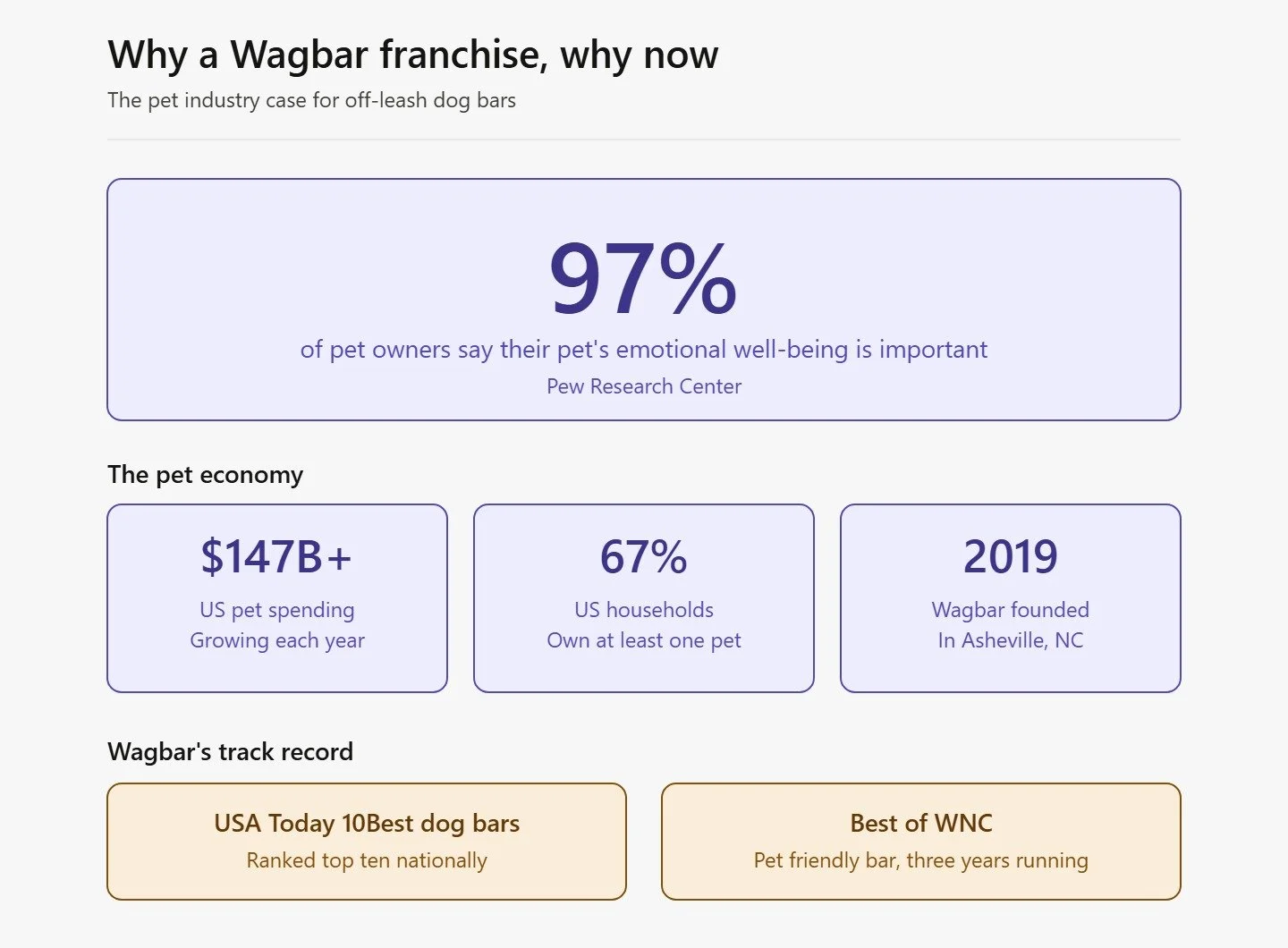
Commercial supervised facilities like off-leash dog park bars represent the premium alternative to traditional parks, providing professional staff monitoring all interactions, enforcing behavioral standards, and intervening before minor issues escalate. These facilities typically require proof of vaccinations, behavioral assessments before admission, and maintain controlled capacity preventing overcrowding that creates behavioral problems.
The staff supervision fundamentally changes the dynamic from traditional parks. Trained employees recognize dog body language indicating stress, fear, or mounting arousal before problems occur. They can separate dogs showing incompatible play styles, redirect overstimulated dogs, and remove animals displaying inappropriate behaviors. This creates safer environments where negative experiences happen far less frequently than unsupervised settings.
Supervised facilities often separate dogs by size or temperament, allowing more targeted matching than "all dogs together" approaches. Small dog areas prevent size-related injuries, while facilities might create separate sections for senior dogs, puppies, or dogs preferring calmer interactions. This segmentation allows more dogs to participate successfully than traditional parks where one-size-fits-all approaches exclude many animals.
Climate-controlled indoor facilities extend usability beyond seasonal limitations affecting traditional outdoor parks. Rain, extreme heat, cold weather, and seasonal darkness all reduce traditional park access, while supervised indoor facilities maintain consistent availability year-round. This reliability particularly benefits owners in regions with challenging climates where outdoor parks remain unusable for extended periods.
Membership pricing models at supervised facilities typically run $50-$150 monthly for unlimited access, while day passes cost $15-$30 per visit. This pricing positions supervised facilities as mid-tier options—more expensive than free public parks but far less than daily doggy daycare which costs $25-$45 per day. The value proposition centers on professional supervision, consistent availability, and superior safety compared to traditional parks.
Private Dog Park Rentals and Time-Share Arrangements
Private park rentals allow small groups to reserve entire dog parks for exclusive use during specific time blocks, eliminating concerns about unknown dogs or inconsistent supervision. These arrangements work particularly well for owners of reactive dogs, dogs in training, or groups of dogs with established positive relationships who want secure off-leash exercise without other animals present.
Rental models vary from permanent facilities offering hourly reservations ($25-$50 per hour) to homeowners converting their large fenced yards into shareable spaces through platforms like Sniffspot ($10-$30 per hour). The private access eliminates unpredictability while providing secure off-leash environments for exercise and play. Multiple dog owners can split rental costs, making this approach affordable when shared among 2-4 families.
Private rentals suit reactive dogs needing socialization with known, compatible dogs rather than random encounters. Owners can arrange regular playdates with specific dogs their reactive dog has successfully interacted with previously, building positive associations through controlled repetition. This structured approach aligns with behavior modification protocols better than hoping for good experiences at traditional parks.
The scheduling control private rentals provide allows visits during optimal times for specific dogs—early morning for dogs requiring minimal stimulation, midday for maximum activity, or evening for convenience. This flexibility particularly benefits working owners whose schedules don't align well with traditional park peak hours when facilities become crowded and chaotic.
Organized Hiking Groups and Outdoor Adventures
Structured hiking groups combine exercise, socialization, and mental stimulation through novel environments rich with interesting scents and terrain variations. These groups typically maintain smaller sizes (4-8 dogs) compared to dog parks, with group leaders screening participants for compatibility and managing dogs during hikes. The forward movement and environmental engagement often prevents the intense face-to-face interactions that trigger problems in stationary park settings.
Trail hiking provides superior exercise compared to dog park visits since dogs walk continuously for 1-3 hours rather than intermittent activity with frequent stops. The varied terrain engages different muscle groups while interesting scents and changing environments provide mental stimulation that pure physical exercise lacks. Many dogs return more tired from 1-hour hikes than 2-hour park visits due to the combined physical and mental engagement.
Hiking groups suit dogs with good leash manners and moderate reactivity who struggle in confined park spaces but manage well in loose-leash group walks. The structure of following trails with group leaders prevents the chaotic interactions possible in open spaces. Dogs focus on the activity rather than solely on other dogs, creating more natural social exposure.
Professional hiking services charge $25-$45 per hike depending on duration and group size, comparable to single daycare visits but providing different benefits. Some services offer pack memberships with unlimited hiking access for monthly fees of $200-$400. The model works well for high-energy breeds requiring more exercise than typical park visits provide.

Dog Sports and Training Classes
Organized dog sports including agility, nosework, rally obedience, dock diving, barn hunt, and lure coursing provide structured activities combining physical exercise, mental stimulation, and controlled socialization with other dogs. These programs teach specific skills while exposing dogs to other animals in managed environments where everyone focuses on training activities rather than free play.
The structured nature of dog sports provides socialization benefits without direct dog-to-dog interaction, reducing risks for reactive or cautious dogs. Dogs learn to work calmly in the presence of other dogs without necessarily interacting, building confidence and impulse control. The training focus gives handlers clear objectives and progression markers, unlike free play where "success" remains subjectively defined.
Group training classes ranging from basic obedience to advanced competition preparation cost $150-$300 for 6-8 week sessions, providing ongoing structured activity with socialization components. Private lessons at $75-$150 per session offer even more controlled environments for dogs requiring individual attention before joining groups. The investment in training provides lasting behavioral benefits beyond simple exercise.
Dog sports communities create social opportunities for both dogs and owners, building relationships around shared interests rather than just watching dogs play. Many owners find these communities more engaging and supportive than traditional park social dynamics, where connections remain superficial and encounters often feel transactional.
Structured Playgroups and Daycare Programs
Doggy daycare provides daily structured socialization in professionally supervised environments, though with significantly different models than supervised dog parks. Daycare programs typically maintain smaller playgroups (10-20 dogs vs. 50+ at parks), actively manage play sessions with regular rest periods, and employ staff trained in canine behavior and safe interaction facilitation.
Quality daycare facilities perform temperament evaluations before accepting new dogs, create playgroups based on play style and energy level, and rotate groups preventing over-arousal or bullying behaviors from developing. This active management creates more successful social experiences for wider ranges of dogs compared to traditional parks where management remains minimal or absent.
The daily attendance model allows daycare staff to know individual dogs well, understanding their preferences, triggers, and social patterns. This knowledge enables proactive management preventing problems before they occur. Staff can intervene at much earlier stages than traditional park visitors who lack familiarity with specific dogs' behavioral patterns.
Daycare pricing ranges from $25-$45 per full day or $15-$25 for half-day sessions, with package pricing reducing per-visit costs. Monthly unlimited passes cost $400-$600, positioning daycare as a premium option compared to park alternatives. However, the professional supervision and guaranteed socialization regardless of weather or owner availability creates value justifying higher costs for many families.
One-on-One Playdates and Small Group Interactions
Arranged playdates with specific dogs owners have carefully selected for compatibility provide the most controlled socialization option. These interactions allow gradual relationship building between dogs with compatible play styles, energy levels, and temperaments in environments owners can manage carefully.
One-on-one playdates work exceptionally well for puppies in critical socialization periods who need positive experiences without overwhelming stimulation. Meeting individual dogs of various ages and temperaments in controlled settings creates the varied exposure puppies need while maintaining safety and positive associations. The small scale allows owners to end sessions before dogs become overtired or overstimulated, when negative experiences become more likely.
Dogs recovering from negative incidents benefit from controlled playdates rebuilding confidence through successful interactions with known, gentle dogs. Rather than throwing them back into traditional park environments where anything might happen, playdates provide predictable positive experiences gradually expanding their comfort zones with other dogs.
The primary challenge with playdates involves finding compatible dogs and coordinating schedules between owners. Building networks of compatible dogs takes time and effort, unlike showing up at parks where dogs are always present. However, the investment in finding and maintaining these relationships creates valuable long-term social opportunities more sustainable than relying on random park encounters.
Matching Alternatives to Specific Dog Needs and Temperaments
Different alternatives serve different dogs, with optimal matches depending on individual temperament, age, training level, and specific behavioral needs. Understanding these matches enables owners to select alternatives most likely to succeed for their particular dogs rather than trial-and-error approaches consuming time and money.
High-Energy Dogs Requiring Intense Exercise
High-energy breeds like Border Collies, Australian Shepherds, Belgian Malinois, and working line German Shepherds need substantial daily exercise exceeding what typical park visits provide. These dogs benefit most from alternatives emphasizing physical exertion and mental stimulation rather than pure socialization.
Organized hiking groups provide the extended activity duration high-energy dogs require, combining continuous movement with environmental novelty that engages their minds while exercising bodies. A 2-hour group hike delivers more fatigue than 2 hours at a park where dogs alternate between active play and resting.
Dog sports including agility, dock diving, herding, or lure coursing channel high energy into structured outlets while building skills and strengthening handler bonds. These activities satisfy both physical and mental needs that socialization alone doesn't address. High-energy dogs often manage better with combination approaches—exercise-focused activities for physical outlets plus controlled socialization for social needs.
Private park rentals allow high-energy dogs to run extensively without limitations imposed by crowded public parks. Owners can bring exercise equipment like flirt poles, fetch toys, or training tools without worrying about other dogs interfering. This focused activity tires dogs more effectively than distracted park play.
Reactive or Fearful Dogs Rebuilding Confidence
Reactive dogs need the most carefully structured alternatives, emphasizing gradual exposure and positive associations rather than overwhelming immersion. These dogs benefit from approaches allowing distance control, predictable environments, and escape options when situations become uncomfortable.
Private park rentals with selected compatible dogs create optimal environments for reactive dogs to practice social interactions under controlled conditions. Owners can manage distances, end sessions before dogs become overwhelmed, and structure interactions supporting behavior modification plans. This aligns with professional training approaches rather than contradicting them.
Structured training classes focusing on impulse control, engagement, and working calmly around other dogs provide valuable skills while exposing reactive dogs to other animals at safe distances. Classes teach dogs to focus on handlers rather than other dogs, building the foundation for eventually managing in more challenging environments.
Hiking groups with small numbers and careful screening might work for some reactive dogs who manage better during movement than in stationary situations. However, these require experienced group leaders who understand reactivity and can manage situations appropriately. Not all hiking services accept reactive dogs, making screening essential.
One-on-one playdates with calm, socially appropriate dogs help reactive dogs build positive associations with other animals through successful interactions. Carefully choosing gentle, tolerant playmates who won't react to initial nervous behaviors creates success experiences reactive dogs desperately need.
Senior Dogs Requiring Gentle Socialization
Elderly dogs benefit from alternatives emphasizing calm social contact rather than vigorous play, matching their reduced energy levels and physical limitations. These dogs still enjoy companionship but need environments accommodating their slower pace and limited mobility.
Supervised facilities with dedicated senior dog areas provide appropriate socialization without competition from energetic young dogs. Staff can ensure elderly dogs don't get overwhelmed while still enjoying gentle social contact with similarly aged animals. The climate-controlled environments particularly benefit senior dogs with arthritis or other conditions aggravated by weather exposure.
Structured playgroups through daycare programs can work when facilities create senior-specific groups matching energy levels appropriately. These groups maintain calmer atmospheres with more resting periods compared to standard playgroups, accommodating reduced stamina while still providing social engagement.
Private playdates with compatible senior dogs or particularly gentle younger dogs allow elderly dogs to enjoy companionship at their own pace. Owners can end sessions when senior dogs tire, unlike traditional parks where leaving might feel premature for other dogs who want to continue playing.
Home visits from dog walkers or pet sitters providing one-on-one attention offer social stimulation for senior dogs who no longer enjoy or can't safely navigate group settings. While not providing dog-dog interaction, these visits prevent isolation while accommodating physical limitations.
Puppies in Critical Socialization Windows
Puppies need controlled positive exposure to various dogs, people, and environments during their critical socialization period (3-16 weeks). However, incomplete vaccination during this period makes traditional parks dangerous due to disease exposure. Alternatives must balance socialization needs with health protection.
Structured puppy classes offered by training facilities provide veterinary-approved socialization where all puppies have age-appropriate vaccinations and parasites are monitored. These classes expose puppies to other young dogs in controlled settings with professional guidance ensuring positive interactions and preventing negative experiences that can create lasting behavioral issues.
Private playdates with known vaccinated dogs in secure environments allow socialization without disease risks. Carefully selecting adult dogs known to be good with puppies—tolerant, patient, and appropriate with correction when puppies are too rough—provides valuable learning experiences teaching bite inhibition and appropriate play.
One-on-one training sessions focusing on foundation skills while gradually introducing distraction including other dogs at distances build solid behavioral foundations while providing controlled exposure. Private lessons allow trainers to ensure puppies have only positive experiences while learning essential skills.
Home socialization programs emphasizing novel experiences, various surfaces, different sounds, and meeting diverse people create well-rounded socialization without requiring traditional park exposure. Puppy socialization extends far beyond meeting other dogs, encompassing environmental confidence that home-based programs can develop effectively.
Combining Multiple Alternatives for Complete Socialization Programs
Most dogs benefit from combinations of alternatives addressing different needs rather than relying on single approaches. Building comprehensive programs provides physical exercise, mental stimulation, social interaction, and skill development creating well-rounded dogs better adjusted than those whose socialization comes from single sources.
Balanced Weekly Activity Schedules
Well-structured weekly schedules combine different activities targeting various developmental areas. A sample balanced week might include: two supervised facility visits for social play, one organized hike for extended exercise and environmental exposure, one training class for skill building and mental stimulation, two individual play sessions with specific compatible dogs, and one rest day allowing physical recovery.
This variety prevents over-reliance on any single activity while addressing the reality that dogs need more than just socialization. Physical fitness, mental challenges, relationship building with handlers, and exposure to different environments all contribute to balanced development that single activities can't provide alone.
The scheduling approach also accommodates owner lifestyles and budgets by spreading activities across the week rather than attempting everything daily. Working owners might use supervised facilities or daycare during workdays while dedicating weekends to hiking or training activities requiring more time investment.
Progressive Skill Building Across Activities
Strategic activity sequencing builds skills progressively, with each component supporting others. Training classes teaching impulse control and engagement make supervised facility visits more successful since dogs have skills for managing arousal. Hiking experience builds confidence and physical fitness supporting more active play during facility visits.
This integrated approach treats socialization as comprehensive development rather than isolated park visits. Dogs learn that different environments have different rules and expectations—training classes require focus, hikes involve sustained movement, supervised facilities allow play—developing behavioral flexibility more sophisticated than dogs who only know park environments.
Adapting Programs as Dogs Mature and Needs Change
Socialization programs should evolve with dogs rather than remaining static. Puppies might emphasize training classes and private playdates, transitioning to supervised facilities and hiking groups as they mature. Senior dogs gradually shift from active play toward gentler interactions, with programs adapting to accommodate changing physical capabilities.
Dogs recovering from incidents or injuries require temporary program modifications, perhaps substituting one-on-one activities for group settings during recovery periods. This flexibility prevents setbacks while maintaining engagement and preventing regression from complete inactivity during healing.
Seasonal adaptations account for weather extremes, with programs incorporating more climate-controlled indoor activities during summer heat or winter cold while maximizing outdoor time during pleasant weather. This maintains consistency in activity levels regardless of seasonal limitations affecting specific options.
Cost Comparisons Across Different Options
Understanding financial investments required for various alternatives enables realistic budgeting and helps owners identify options fitting their economic situations. Costs vary substantially across alternatives, from free informal arrangements to premium services requiring significant monthly investments.
Budget-Friendly Options Under $50 Monthly
Free traditional dog parks obviously represent the lowest-cost option, though this guide focuses on alternatives. Among alternatives, informal playdate exchanges where owners take turns hosting cost nothing beyond transportation and occasional hosting supplies. These require time investment and coordination effort but minimal financial outlay.
DIY hiking where owners organize their own informal groups with friends or neighbors provides free exercise and socialization. The time investment in coordinating schedules and finding appropriate trails represents the primary cost. Safety considerations require all participants understand basic dog behavior and commit to responsible management.
Private park rentals shared among 2-4 families reduce per-family costs to $5-$15 per visit, creating affordable secured exercise options. A group renting private space twice weekly might pay $40-$120 monthly per family depending on rental rates and group size, positioning this as budget-conscious alternative to commercial facilities.
Group training classes at $150-$300 for 6-8 week sessions average $20-$40 weekly, fitting tight budgets while providing structured learning and controlled socialization. Community recreation departments often offer lower-cost classes than private trainers, sometimes $100-$150 for similar programs.
Mid-Range Options $50-$150 Monthly
Supervised off-leash facility memberships typically cost $50-$150 monthly for unlimited access, providing reliable socialization with professional oversight at moderate prices. This pricing positions supervised facilities competitively against daycare while offering more flexibility since visits aren't all-day commitments.
Hiking service subscriptions offering weekly or bi-weekly group hikes average $100-$180 monthly depending on frequency and service quality. These programs combine exercise with socialization and environmental enrichment, delivering comprehensive benefits justifying mid-range pricing.
Training class sequences moving through beginner, intermediate, and advanced levels create ongoing monthly costs averaging $100-$200 when enrolled continuously. While individual sessions end, the progression through multiple levels maintains regular structured activity supporting sustained development.
Premium Options Exceeding $150 Monthly
Daily doggy daycare represents the premium option, with full-day attendance 5 days weekly costing $500-$900 monthly. Part-time attendance at 2-3 days weekly reduces costs to $200-$400 monthly while still providing regular structured socialization. The professional supervision and guaranteed social interaction regardless of weather or owner availability justifies premium pricing for families requiring reliable daily care.
Private training programs with individual attention cost $300-$600+ monthly depending on session frequency and trainer expertise. These programs suit dogs with specific behavioral issues requiring individualized approaches or owners wanting accelerated training progress. The investment pays dividends through faster skill acquisition and more targeted interventions.
Combination programs using supervised facilities plus regular hiking services plus ongoing training create comprehensive coverage costing $250-$400 monthly. While expensive, these multi-faceted approaches provide balanced development across physical, mental, and social domains that single activities can't match.
Building Custom Socialization Plans Without Traditional Dog Parks
Creating effective alternatives to traditional parks requires systematic assessment of individual dog needs, available options in specific geographic areas, owner schedules and budgets, and realistic goal setting. Following structured planning processes produces coherent programs rather than random activity collections.
Comprehensive Needs Assessment
Begin by honestly evaluating your dog's specific needs across multiple dimensions. Physical exercise requirements vary by breed, age, and individual energy level—a Border Collie needs fundamentally different exercise than a Pug. Mental stimulation needs relate to breed purpose and individual drive, with working breeds requiring more cognitive engagement than companion breeds typically do.
Social needs vary dramatically between individuals even within breeds. Some dogs thrive on extensive social contact with many different dogs, while others prefer smaller circles of familiar friends. Neither preference is wrong—they simply require different approaches. Forcing social butterflies into limited contact or overwhelming introverted dogs with excessive interaction both create problems.
Temperament assessment should identify specific challenges including reactivity, fearfulness, over-arousal, or poor social skills requiring targeted interventions. Understanding the dog behavior patterns your individual dog displays guides selection of appropriate alternatives rather than assuming all alternatives work equally for all dogs.
Local Resource Mapping
Survey available alternatives within reasonable driving distance, recognizing that willingness to travel affects which options realistically fit into regular routines. Urban areas typically offer more commercial alternatives like supervised facilities, daycare programs, and training studios, while rural locations might emphasize hiking, private rentals, and informal arrangements.
Contact potential service providers evaluating their approaches, policies, and compatibility with your dog's needs. Ask about temperament screening processes, staff training and experience, playgroup sizes and composition, and how they handle behavioral issues. Quality varies dramatically between providers even offering similar services.
Trial visits or consultations before committing to memberships or package purchases allow firsthand evaluation of whether specific alternatives suit your dog. Many supervised facilities and daycare programs offer discounted trial days, while training studios typically allow observing classes before enrolling. Use these opportunities assessing whether environments and approaches align with your dog's temperament and your comfort level.
Schedule Integration and Lifestyle Fit
Realistic schedule assessment prevents creating plans that look excellent on paper but prove unsustainable in practice. Consider work schedules, family obligations, seasonal variations in availability, and energy levels for activity supervision. Plans requiring heroic scheduling efforts or exhausting daily routines fail within weeks regardless of how beneficial activities might be for dogs.
Build flexibility into programs accommodating schedule variations, weather disruptions, and personal energy fluctuations. Rather than rigid daily requirements, create target weekly totals allowing makeup days when planned activities can't happen. This reduces pressure while maintaining overall activity levels supporting dog needs.
Goal Setting and Progress Evaluation
Establish specific, measurable goals guiding alternative selection and program structure. Goals might include "reduce reactive displays by 50% within 3 months," "build confidence around novel dogs," "maintain physical fitness comparable to park attendance," or "provide daily exercise without park exposure." Clear objectives enable evaluation of whether programs deliver desired outcomes.
Schedule quarterly reviews assessing progress toward goals and adjusting programs based on results. If approaches aren't producing desired outcomes, modify rather than persisting with ineffective strategies. Successful programs evolve based on observed results rather than adhering rigidly to original plans when evidence suggests changes would serve dogs better.
Document progress through journals, videos, or measurements tracking behavioral changes, physical condition, and social skills development. This evidence-based approach replaces subjective impressions with objective data informing program adjustments. The systematic approach mirrors professional training protocols producing more reliable results than intuitive methods.
Community Building Among Alternative Users
Connect with other owners using alternatives to traditional parks, creating support networks sharing resources, recommendations, and experiences. Online groups focused on specific alternatives like hiking groups or supervised facilities provide valuable communities understanding the challenges and benefits of non-traditional approaches.
These communities often organize informal playdate exchanges, share information about new facilities or services, and provide emotional support when facing judgment from traditional park advocates who question alternative choices. Finding your people—owners whose dogs have similar needs and who embrace alternatives enthusiastically rather than viewing them as second-best options—makes the journey more enjoyable and sustainable.

The relationship between customized socialization programs and overall dog health and wellness extends beyond just exercise and social contact to comprehensive care addressing physical, mental, and emotional needs through thoughtfully selected activities.
Bottom TLDR: Beyond traditional dog parks, successful alternative socialization programs combine multiple options including supervised facilities with professional oversight, private park rentals for controlled environments, organized hiking groups for exercise and environmental enrichment, structured training classes building skills, and carefully arranged playdates with compatible dogs. Match alternatives to individual dog temperaments and needs rather than forcing all dogs into identical approaches—reactive dogs need controlled exposure, senior dogs require gentle interactions, puppies benefit from structured classes, and high-energy dogs demand intense exercise options. Build comprehensive weekly schedules addressing physical exercise, mental stimulation, social interaction, and skill development through varied activities rather than relying exclusively on any single approach.