
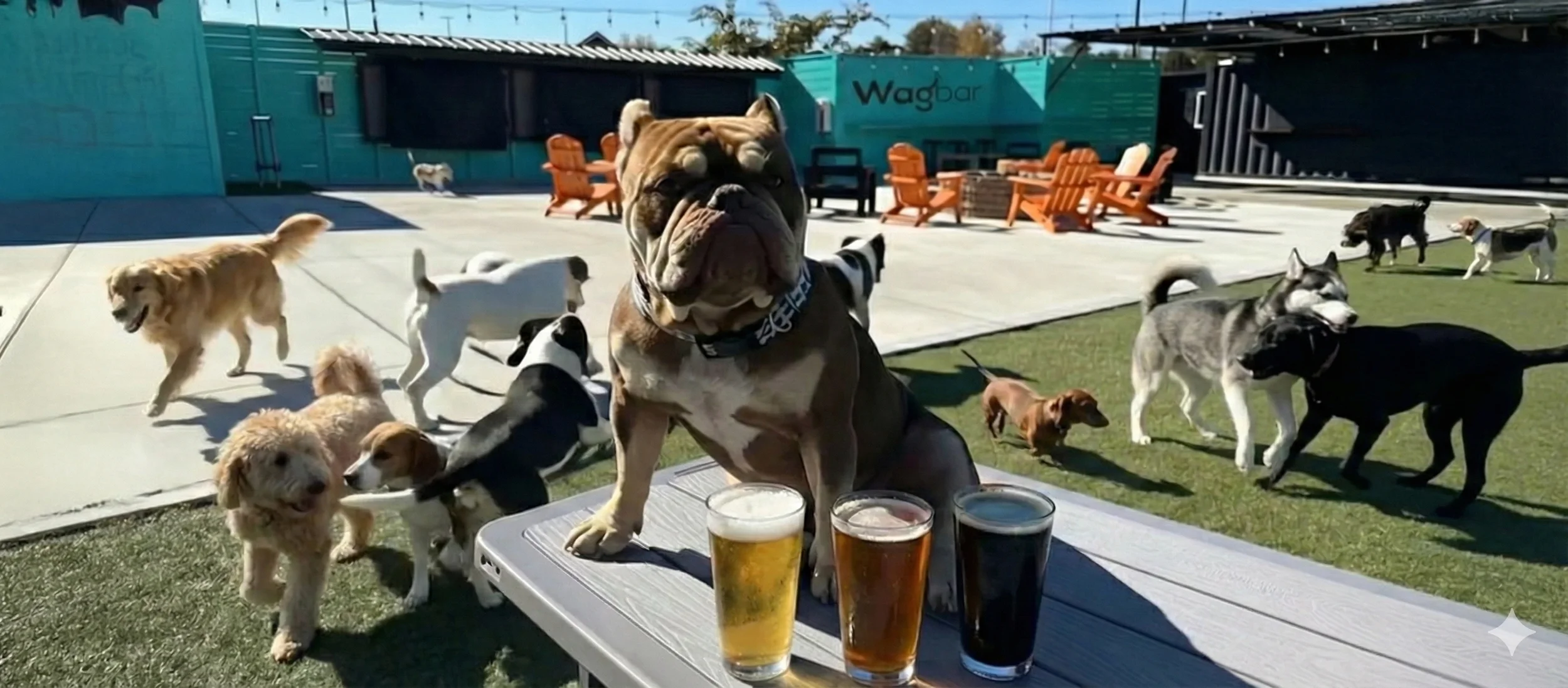
Best Times to Visit Knoxville Dog Parks: Seasonal Guide & Crowd Avoidance Tips
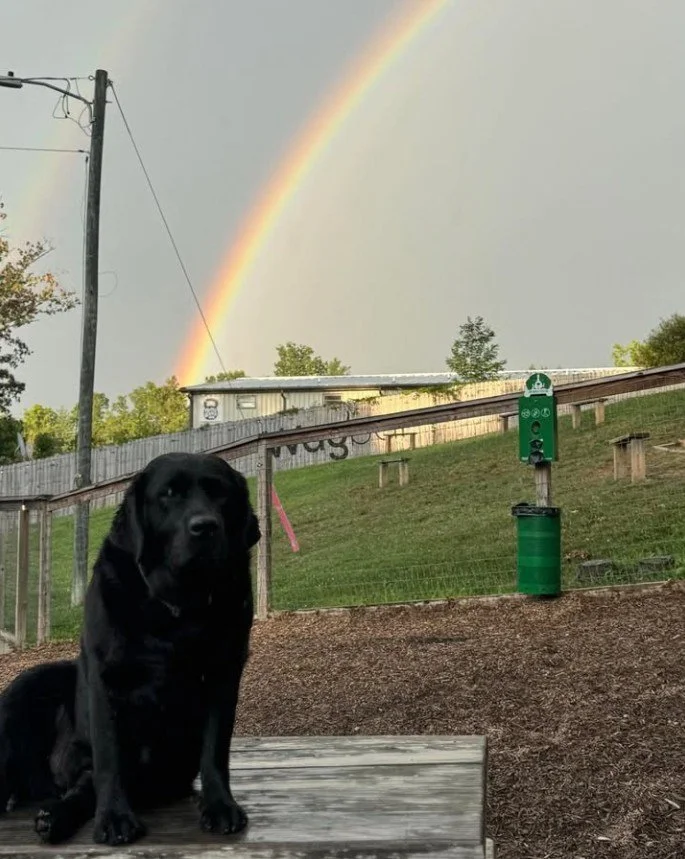
Top TLDR: The best times to visit Knoxville dog parks vary by season—spring and fall offer ideal temperatures but expect crowds at Victor Ashe and Tommy Schumpert on weekend mornings, while summer requires early morning or evening visits to avoid dangerous heat. Weekday afternoons between 1-4pm provide the quietest conditions at public parks, or visit Wagbar Knoxville during extended evening hours when public parks close at dusk. Plan visits around Tennessee's seasonal weather patterns and your dog's temperature tolerance for the safest, most enjoyable experiences.
Timing your dog park visits strategically transforms the experience from frustrating to fantastic. The difference between arriving at Victor Ashe Park on a Saturday at 10am versus a Tuesday at 2pm means the difference between navigating 30 dogs and their distracted owners versus enjoying peaceful play with 5-6 dogs and engaged supervision. Similarly, visiting Tommy Schumpert Park during July's afternoon heat versus a crisp October morning changes the experience from dangerously uncomfortable to perfectly pleasant.
This seasonal guide helps Knoxville dog owners identify the best times to visit based on weather conditions, crowd patterns, your dog's temperament, and your own schedule constraints. Understanding these patterns lets you maximize enjoyment while minimizing the frustrations that come with poor timing.
Spring in Knoxville: Peak Season with Weather Challenges
Spring brings Knoxville's most pleasant temperatures and creates peak demand at all dog parks. March through May sees dogs and owners emerging from winter hibernation, eager to enjoy outdoor time after months of limited exercise options.
Temperature Sweet Spot: Spring highs range from the mid-60s in March to the upper 70s in May, creating comfortable conditions for dogs of all coat types and exercise tolerances. Neither too hot for brachycephalic breeds nor too cold for small short-coated dogs, spring weather accommodates the broadest range of dogs simultaneously.
The Mud Factor: Tennessee's spring rains create significant challenges at public dog parks. Victor Ashe Park and Tommy Schumpert Park both develop muddy conditions that persist for days after heavy rain. The combination of saturated ground and dozens of paws churning the surface creates mud pits that coat dogs head-to-toe within minutes. Plan for extensive cleanup after spring visits to public parks, or choose Wagbar Knoxville where improved drainage and covered areas minimize mud exposure.
Crowd Patterns Peak: Spring weekends bring the year's largest crowds to Victor Ashe Park. Saturday and Sunday mornings from 9am-12pm can feature 40+ dogs simultaneously, creating chaotic conditions that stress anxious dogs and require maximum owner vigilance. If your dog handles crowds poorly, avoid spring weekend mornings entirely at popular public parks.
Best Spring Visiting Times:
Weekday afternoons (2-5pm): Quietest conditions at public parks before the evening rush of post-work visitors. Temperatures still comfortable, ground beginning to dry from morning dew.
Early weekday mornings (7-9am): Before the mid-morning crowd arrives. Ground may still be muddy from overnight, but fewer dogs mean more manageable interactions.
Sunday late afternoons (3-6pm): Weekend crowd begins dispersing as families head home for dinner prep. Parks remain busy but more manageable than morning peak.
Wagbar evenings (5-9pm): Extended hours let you skip the public park crowds entirely, visiting after sunset when Victor Ashe and Tommy Schumpert close.
Spring Weather Wildcards: Tennessee thunderstorms develop rapidly during spring. Monitor radar before visits, as sudden storms can trap you at the park or force rushed departures. Spring also marks the beginning of tick and flea season, requiring preventative medication before park visits become regular routine.
Summer in Knoxville: Heat Management Becomes Priority
Tennessee summers bring brutally hot, humid conditions that make afternoon dog park visits genuinely dangerous rather than just uncomfortable. Understanding summer heat risks prevents serious health consequences for dogs.
Temperature Realities: June through August highs regularly exceed 90°F with heat indices reaching 100°F+ during humid periods. These conditions create real risks of heat exhaustion, heat stroke, and paw pad burns on hot surfaces. Brachycephalic breeds (pugs, bulldogs, Boston terriers), overweight dogs, and senior dogs face elevated risks during summer heat.
Public Park Limitations: Victor Ashe Park, Tommy Schumpert Park, and Carl Cowan Park offer minimal shade and no climate control. By 11am on summer days, these parks become uncomfortable. By 2pm, they're potentially dangerous. Most experienced dog owners abandon public parks entirely during summer afternoons, creating dead zones from noon-6pm when parks sit nearly empty because conditions are too severe.
The Morning Window: Summer mornings before 9am provide the only comfortable window at public parks. Temperatures still sit in the 70s, surfaces haven't absorbed full sun heat, and humidity hasn't reached peak levels. Serious summer dog park users set alarms for early visits, knowing the window closes quickly as sun intensity increases.
Evening Timing at Public Parks: Public parks become comfortable again after 7pm as temperatures drop and sun intensity decreases. However, most public parks close at sunset (approximately 9pm in June, 8:30pm in July-August), leaving only a narrow 1-2 hour evening window before closure. This timing works for some schedules but excludes anyone working until 6pm or 7pm who can't reach parks before closing.
Wagbar's Climate Advantage: Summer showcases Wagbar Knoxville's covered areas with industrial fans creating airflow and shade. While still an outdoor facility, the climate control measures make 6pm, 7pm, or 8pm visits comfortable when public parks would be closed or insufferably hot. The ability to visit during traditional dinner hours without weather concerns changes summer dog park accessibility fundamentally.
Best Summer Visiting Times:
Early mornings (6:30-8:30am): Coolest temperatures, least sun exposure. Public parks nearly empty on weekday mornings. Weekend mornings busier but tolerable.
Late evenings at Wagbar (7-9pm): After the worst heat passes but with extended hours that closed public parks can't offer. Fans and covered areas provide comfort.
Avoid entirely (12-6pm): Dangerous heat window when public parks should be empty and even Wagbar requires careful monitoring of dogs for heat stress signs.
Summer Safety Protocols: Bring extra water for your dog during summer visits. Limit play sessions to 20-30 minutes rather than hour-plus visits in cooler weather. Watch for excessive panting, drooling, stumbling, or lethargy indicating heat exhaustion. Touch pavement with your hand—if it's too hot for your hand, it's too hot for paw pads. Consider seasonal health considerations when planning summer routines.
Fall in Knoxville: Peak Conditions and Maximum Crowds
Fall rivals spring as Knoxville's most pleasant outdoor season, with lower humidity than spring and more stable weather patterns creating consistently excellent dog park conditions. September through November brings the year's most enjoyable visits—and consequently, the year's largest crowds.
Perfect Weather Window: Temperatures ranging from upper 70s in September to mid-50s in November accommodate all dog types comfortably. Humidity drops significantly compared to summer, making even warmer days feel pleasant. Less rainfall than spring means better ground conditions with less mud at public parks.
Foliage Beauty: East Tennessee's fall foliage transforms dog park visits into scenic experiences. The mountains surrounding Knoxville create gorgeous backdrops for play sessions, and many owners report fall as their favorite season for the combination of perfect weather and beautiful surroundings.
Maximum Crowd Challenge: Fall's perfect conditions attract everyone simultaneously. Victor Ashe Park on October Saturday mornings can feature the highest dog counts of the entire year. Tommy Schumpert Park fills to capacity during fall weekends. Even Carl Cowan Park sees increased usage as word spreads about pleasant conditions.
These crowds mean more potential for conflicts, more difficulty monitoring your individual dog among dozens of others, and higher stress levels for dogs who get overwhelmed by chaos. Fall's benefits come with the price of managing popularity.
Best Fall Visiting Times:
Weekday mornings (8-11am): Beautiful weather, manageable crowds, comfortable temperatures. Ideal for retirees or work-from-home folks with flexible schedules.
Weekday late afternoons (3-5pm): Before evening rush but after lunch lull. Often overlooked window that provides quality experience.
Weekend very early (7-8:30am): Beat the main weekend crowd. Requires early wake-up but rewards with empty parks during peak season weather.
Wagbar weekday evenings (5-8pm): Extended hours let you enjoy perfect fall weather without competing for space at packed public parks during their pre-closure rush.
Fall-Specific Considerations: Shorter days mean dusk arrives earlier. By November, sunset occurs around 5:30pm, closing public parks precisely when working professionals finish their days. This timing makes Wagbar's extended hours particularly valuable during fall when weather is perfect but daylight disappears early. Fall also brings leaf accumulation that can hide hazards at public parks—watch for obscured holes or obstacles under leaf cover.

Winter in Knoxville: Mild But Unpredictable Conditions
Tennessee winters stay relatively mild compared to northern states, with average lows in the low 30s and highs in the upper 40s to low 50s. Most dogs handle these temperatures comfortably with proper preparation, though ice and occasional cold snaps create challenges.
Temperature Management: December through February brings variable conditions. Some days reach 60°F and feel springlike. Others drop to 25°F with biting wind chill. This unpredictability requires checking forecasts before each visit rather than assuming consistent conditions.
Most medium and large dogs with normal coats handle winter temperatures without issue. Small dogs, short-coated breeds (greyhounds, pit bulls, Chihuahuas), and senior dogs may need sweaters or coats during colder days. Very small dogs under 10 pounds may struggle with extended cold exposure.
Crowd Advantage: Winter brings the year's smallest crowds to public dog parks. Fair-weather dog owners skip visits during cold months, leaving Victor Ashe and Tommy Schumpert Park relatively empty even on weekends. This reduced competition for space benefits dogs who prefer quieter environments.
Public Park Limitations: No heated areas mean human comfort becomes the limiting factor at public parks. Owners get cold standing in 35°F weather with wind, cutting visits short even when dogs would happily continue playing. Benches turn uncomfortably cold. The lack of sheltered areas means exposure to wind chill that makes stated temperatures feel even colder.
Wagbar's Winter Advantage: Heated covered areas let owners remain comfortable during winter visits. You can sit in heated sections with a hot beverage while your dog plays in the cooler outdoor areas, extending visit duration beyond what public park conditions allow. This comfort factor changes winter dog park accessibility significantly for humans who tolerate cold poorly.
Best Winter Visiting Times:
Midday (11am-2pm): Warmest temperatures when sun reaches peak height. Public parks most tolerable during this window.
Weekend afternoons (12-3pm): Slightly warmer than mornings, less crowded than typical weekend mornings since cold weather discourages casual visitors.
Wagbar anytime (indoor/outdoor flexibility): Heated areas mean comfortable visits regardless of when you arrive. No need to time visits around narrow temperature windows.
Winter Safety Considerations: Ice creates slip hazards at public parks, which don't get salted or maintained during freezing conditions. Watch for icy patches, particularly in shaded areas or near water sources. Snow accumulation occasionally closes public parks entirely if Knox County deems conditions unsafe. Winter also reduces daylight hours severely—by December, public parks close by 5:15pm, making evening visits impossible.
Understanding Crowd Patterns: Day of Week and Time of Day
Beyond seasonal variations, crowd patterns follow predictable weekly and daily rhythms that smart visitors can exploit for better experiences.
Weekend Mornings (9am-12pm): Peak crowds at all parks, all seasons. Saturday and Sunday mornings attract the most visitors because this timing accommodates the broadest range of schedules. Expect maximum chaos, most dogs, least personal space. Best for highly social dogs who thrive on energy and excitement. Worst for anxious dogs, reactive dogs, or owners preferring quieter conditions.
Weekend Afternoons (1-4pm): Moderate crowds as morning visitors leave and evening visitors haven't yet arrived. Often overlooked sweet spot when families head home for lunch and naps. Parks remain busy but manageable, typically 10-15 dogs rather than 30+.
Weekday Early Mornings (7-9am): Quiet period attracting retirees, work-from-home professionals taking morning breaks, and dedicated dog owners squeezing in visits before work. Often fewer than 10 dogs present, creating calm environment ideal for training, building confidence in nervous dogs, or simply avoiding chaos.
Weekday Midday (11am-2pm): Quietest window at public parks. Most working people are at jobs, most stay-at-home parents are managing lunch and naps, most retirees avoiding midday sun during hot months. Can be nearly empty during summer heat but pleasantly quiet during spring and fall.
Weekday Late Afternoon (3-5pm): Crowds building as school releases, early shifters finish work, and evening visitors begin arriving. Moderate traffic, trending busier as closure time approaches at public parks.
Weekday Evening (5-7pm at public parks, 5-9pm at Wagbar): Heavy crowds at public parks during the hour before sunset closure as working professionals rush to fit in visits. Long lines at entry gates, overcrowded play areas, stressed atmosphere. Wagbar's extended hours beyond public park closures provide alternative for evening visitors who arrive after 6pm or 7pm.
Time-of-Day Strategy: Visit public parks during weekday off-peak windows (midday, early morning) for quiet experiences. Accept crowds if visiting during popular times and prepare accordingly. Use Wagbar's extended hours to avoid the public park evening crush entirely by visiting after sunset when public parks close.
Matching Visit Times to Your Dog's Temperament
Different dogs thrive under different conditions. Strategic timing based on your dog's personality maximizes positive experiences and minimizes stress.
For Confident, High-Energy Dogs: Weekend morning crowds at Victor Ashe provide maximum playmates and excitement. These dogs feed off energy and enjoy the stimulation of 20+ dogs running simultaneously. The chaos doesn't stress them—it energizes them. Peak times suit their needs perfectly.
For Shy or Anxious Dogs: Weekday midday visits when parks are nearly empty let nervous dogs explore without overwhelming stimulation. The quiet environment allows gradual confidence building through positive experiences with 2-3 calm dogs rather than being mobbed by dozens. Dog socialization for anxious dogs requires careful timing to avoid counterproductive overwhelming situations.
For Reactive Dogs: Early weekday mornings or Wagbar's supervised environment during quiet times provide controlled exposure with professional oversight. Avoid weekend crowds entirely until reactivity is well-managed. The ability to predict crowd levels helps prevent triggering situations that set back training progress.
For Senior Dogs: Midday visits during moderate weather avoid temperature extremes that challenge older dogs' thermoregulation. Quieter times mean less risk of being knocked down by rambunctious young dogs. Winter's heated indoor areas at Wagbar particularly benefit seniors with arthritis who stiffen in cold.
For Puppies: Visit during quieter windows when puppy won't be overwhelmed by adult dog energy. However, avoid completely empty parks—puppies need exposure to other dogs for proper socialization windows. Sweet spot is 3-5 calm adult dogs who tolerate puppy energy without being threatening.
For Small Dogs: Victor Ashe Park's small dog section works best during moderate crowd times. Too empty means no playmates. Too crowded means risk from occasional large dogs whose owners incorrectly use the small dog section. Weekday evenings or weekend mid-afternoons often hit the right balance.
Understanding your dog's needs and selecting appropriate timing prevents bad experiences that make dogs associate parks with stress rather than fun.
Special Event Considerations
Beyond regular visiting patterns, special events and circumstances create unusual crowd conditions requiring timing adjustments.
Holiday Weekends: Memorial Day, July 4th, Labor Day bring unusually large crowds as people enjoy long weekends. Public parks can become dangerously overcrowded. Consider skipping holiday weekend visits entirely or visiting only during very early morning windows before crowds arrive.
Local Event Impact: Major Knoxville events—UT football game days, festivals, marathons—can affect dog park traffic patterns. Some events draw people away from parks (fewer visitors during home football games as many owners attend). Others bring unusual visitors (out-of-town guests with dogs visiting during festivals). Monitor local calendars and adjust expectations accordingly.
Weather Event Aftermath: After several days of rain, expect huge crowds during the first nice day as pent-up dogs and owners flood parks simultaneously. Plan for chaos or wait 2-3 days for conditions to normalize.
School Schedule Impact: School breaks bring more families during typically quiet weekday hours. Summer vacation, winter break, and spring break mean weekday patterns more closely resemble weekend patterns. Teachers and students with dogs shift their visiting patterns around academic calendars.
First Snow/Unseasonably Nice Days: Unusual weather creates unusual patterns. First snowfall brings curious dogs and owners wanting to experience snow play. First 70-degree day after long cold winter brings massive turnout. These outlier events create unpredictable crowds regardless of typical day-of-week patterns.
Wagbar Events: Special programming—breed meetups, adoption events, live music nights—affects crowd levels at Wagbar. Check the events calendar before visits during evening hours when special programming might mean busier-than-normal conditions or alternatively, draws crowds away from open play areas into event spaces.
Creating Your Personal Dog Park Schedule
Rather than visiting randomly whenever the mood strikes, successful dog park users develop consistent routines that build community and create predictability for their dogs.

Weekly Consistency: Visit the same park at the same times each week. Your dog learns to anticipate park days and times, reducing anxiety. You encounter the same regular visitors, building relationships and accountability. Familiar faces create safer environments through shared expectations and norms.
Season-Specific Adjustments: Adjust your routine as seasons change. Summer schedule might be 7am weekday visits. Fall might shift to 4pm weekday visits. Winter could mean weekend midday visits. Flexibility around seasonal weather patterns maintains regular park access year-round.
Backup Options: Have secondary plans for when your preferred park is too crowded, too muddy, or otherwise unsuitable. Know that if Victor Ashe is packed on Saturday morning, you can try Tommy Schumpert or wait until evening to visit Wagbar. Having alternatives prevents wasted trips.
Weather Monitoring: Check forecasts before planning visits. Don't assume today will match yesterday. Tennessee weather shifts quickly, and being prepared prevents arriving at parks during dangerous conditions or right before thunderstorms.
Duration Planning: Match visit duration to conditions. Quick 20-minute visits suffice during summer heat or winter cold. Hour-plus visits work during perfect spring and fall weather. Don't feel obligated to stay longer just because you drove to the park—quality over quantity.
Recording Patterns: Keep mental notes about which times work best for your dog. After several months, patterns emerge showing your dog does best on Tuesday afternoons, or Saturday mornings are consistently too chaotic for them. Use this data to optimize your routine.
The investment in developing a strategic approach pays dividends through consistently positive experiences rather than the hit-or-miss results from random visiting patterns.
Wagbar's Extended Hours: Evening Access Advantage
The most significant timing advantage Wagbar Knoxville offers versus public parks involves extended evening hours that public parks fundamentally cannot provide.
After-Work Visits Become Possible: Public parks close at sunset—approximately 5:30pm in winter, 9pm in summer. If you work until 5pm or 6pm, you physically cannot reach public parks during huge portions of the year before they close. Wagbar's extended hours until 9pm or later mean after-work visits become viable year-round regardless of sunset time.
Avoiding Peak Crowds: Public parks experience crowding during the hour before closure as working people rush to fit in visits. The 6-7pm window at Victor Ashe in summer brings desperate crowds trying to use the park before 9pm closure. Wagbar's extended hours mean you can arrive at 7pm, 8pm, even 9pm without time pressure, skipping the pre-closure rush entirely.
Date Night Integration: Evening hours let couples combine dog exercise with social plans. Meet at Wagbar at 7pm, let dogs play while you have drinks and dinner from food trucks, stay until 9pm. This integration makes dog care part of entertainment rather than separate obligation preventing social activities.
Temperature Benefits: Summer evenings provide comfortable temperatures that afternoon hours don't offer. Rather than choosing between dangerous afternoon heat or no visit at all (if public parks close before evening cooldown), Wagbar's evening hours capture the most comfortable summer window.
Lighting and Safety: Professional lighting allows safe evening play year-round. Dogs can see clearly, owners can monitor behavior, no groping around in darkness that would characterize theoretical evening visits to unlighted public parks even if they stayed open.
Shift Worker Accommodation: People working non-traditional schedules—healthcare workers, restaurant staff, retail employees—gain access through extended hours that daytime-only public parks cannot provide. The broadened accessibility serves diverse work schedules rather than only accommodating 9-5 office workers.
The evening access fundamentally changes who can use dog parks regularly versus occasionally, transforming dog park visits from weekend-only luxury to weekday routine possibility.
Bottom TLDR: The best times to visit Knoxville dog parks depend on seasonal weather and crowd patterns—spring and fall offer ideal conditions but peak crowds on weekend mornings, summer requires early morning or evening visits to avoid dangerous heat, and winter brings empty parks but cold discomfort. Weekday afternoons between 1-4pm provide the quietest public park experiences year-round, while Wagbar Knoxville's extended evening hours past sunset offer comfortable alternatives when Victor Ashe, Tommy Schumpert, and Carl Cowan parks close at dusk. Visit during off-peak times for your dog's temperament, monitor Tennessee weather forecasts before trips, and develop consistent weekly routines that work across seasonal changes.