

Best Cities for Outdoor Franchise Investment: Climate, Demographics, and Market Opportunity
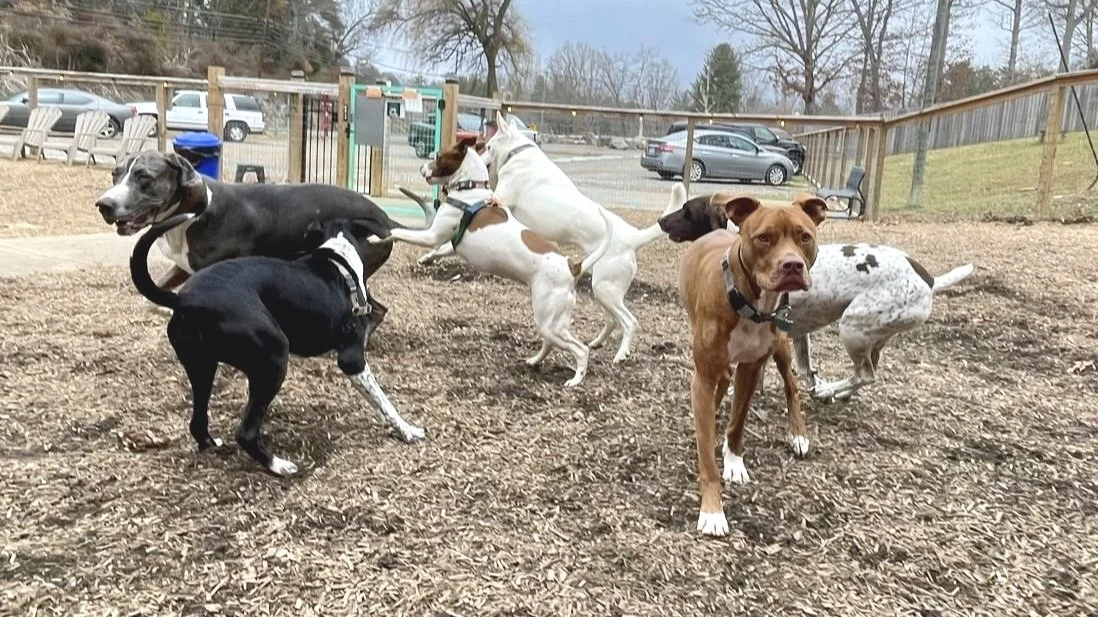
Top TLDR The best cities for outdoor franchise investment share four measurable traits: reliable sunshine, high dog ownership, above-average household income, and a culture built around outdoor socializing. This guide scores the top 10 markets and explains how to use climate, demographics, and lifestyle data to identify where an outdoor franchise like Wagbar's off-leash dog park and bar has the strongest chance of succeeding.
Key Takeaways
The best cities for outdoor franchise investment combine mild climates, high dog ownership rates, active lifestyle cultures, and disposable income that supports premium pet spending.
Cities with 200+ annual sunshine days, strong millennial populations, and established craft beer scenes consistently produce the strongest markets for off-leash dog park bar concepts.
U.S. pet owners spent over $147 billion in 2023, and demand for experience-based pet businesses is growing faster than traditional pet services (American Pet Products Association, 2024).
If you're evaluating outdoor franchise markets, start with the city's median household income, dog ownership density, and outdoor recreation culture before committing to a site.

Not every city is built for an outdoor franchise. A concept that thrives in Denver might struggle in a market with heavy year-round rain, low pet ownership, and a population more interested in indoor entertainment. Choosing the right city for an outdoor franchise investment is as important as choosing the right concept itself.
This guide breaks down what separates strong outdoor franchise markets from weak ones, scores the top cities across the factors that actually matter, and explains why Wagbar's off-leash dog park and bar concept targets the same high-opportunity markets that come up again and again in franchise location analysis.
What Makes a City Good for Outdoor Franchises
The obvious answer is weather. But climate is only one piece. Cities that consistently produce strong outdoor franchise performance share a cluster of overlapping characteristics: enough sunshine days to make outdoor operations viable year-round, demographics that skew toward active adults with disposable income, pet ownership rates well above the national average, and a cultural appetite for experience-based social spending.
Sunshine days and temperature range matter more than warmth alone. A city can be warm but rainy, which kills outdoor foot traffic in ways that cold-but-clear climates don't. Phoenix averages 299 sunny days per year. Knoxville averages around 200. Both outperform markets like Seattle or New Orleans, where unpredictable precipitation makes outdoor scheduling unreliable.
Household income shapes what customers will pay. Premium outdoor concepts, especially those combining pet services with food and beverage, depend on customers who treat their pets as family members and spend accordingly. Markets with median household incomes above $65,000 tend to support membership-based models better than lower-income markets that are more price-sensitive.
Outdoor lifestyle culture predicts repeat visitation. Cities where residents regularly hike, run, bike, and socialize outdoors produce customers who are already conditioned to spend time outside. That culture accelerates adoption of outdoor social concepts like off-leash dog bars, where the outdoor component is part of the appeal rather than an inconvenience.
Dog ownership density sets the ceiling on your customer base. According to the American Pet Products Association, 66% of U.S. households owned a pet in 2023, with dogs leading as the most popular choice. But that national figure masks wide variation at the city level. Sun Belt cities, college towns, and outdoor recreation hubs tend to run significantly higher than the national average.
For a deeper look at how pet spending breaks down by region, Wagbar's regional pet spending analysis covers the geographic dynamics in detail.
Climate Scoring: Sunshine Days, Temperature Range, and Precipitation
For an outdoor dog park franchise specifically, three climate variables drive the business model: how many days per year the space is comfortably usable, how wide the temperature swings are, and how much precipitation interrupts operations.
Sunshine Days (annual average) Cities above 250 sunny days per year have a significant operating advantage for outdoor concepts. Cities in the 200-250 range can still support strong outdoor businesses but benefit more from covered structures or heated spaces for shoulder-season use. Below 180 days, weather dependency becomes a meaningful revenue risk.
City Annual Sunny Days Notes Phoenix, AZ 299 Among the highest in the U.S. Denver, CO 300 High altitude, but dry and clear Charlotte, NC 212 Four-season with mild winters Atlanta, GA 218 Long spring/fall windows Knoxville, TN ~200 Shorter winters, humid summers Richmond, VA 196 Mid-Atlantic four-season Savannah, GA 228 Warm and humid year-round Dallas, TX 234 Hot summers, mild winters Los Angeles, CA 284 Near-ideal outdoor climate Asheville, NC 196 Mountain climate, mild summers
Temperature Range Extreme heat limits outdoor usability as much as cold does. Phoenix's 110°F summer days push customers indoors in July and August, which is worth factoring into revenue projections. Mountain cities like Asheville and Denver have cooler summers that keep outdoor spaces comfortable longer, even if their winters require more planning.
Precipitation Annual rainfall matters less than rainfall patterns. Cities with concentrated rainy seasons (most of their precipitation in winter) are often more outdoor-friendly than cities with distributed rain spread across the year. Knoxville, Charlotte, and Savannah all have rainy periods, but their dry stretches are predictable enough to plan around.
Wagbar's container bar system addresses climate variability directly: the covered bar structure provides shelter without fully enclosing the concept, extending the usable season in most markets. That's one reason Wagbar operates viably even in colder climates, where other outdoor concepts struggle.
Dog Ownership Rates by City
Dog ownership varies significantly by city, shaped by housing density, household income, green space availability, and lifestyle culture. Suburbs and smaller cities typically run higher than dense urban cores. College towns and outdoor recreation hubs tend to outperform their size.
Key data points from the American Pet Products Association and Census Bureau supplemental data:
Denver, CO: Frequently ranked among the most dog-friendly cities in the U.S. Approximately 65-70% of households own a dog, well above the national average.
Atlanta, GA: Atlanta metro dog ownership aligns closely with national trends at roughly 67%, supported by a large suburban population with yards and access to parks.
Phoenix, AZ: Sun Belt retirement and family demographics push pet ownership high; the desert climate also favors dogs that can handle heat.
Charlotte, NC: Growing millennial population with high homeownership rates in surrounding suburbs produces strong dog ownership numbers.
Knoxville, TN: Strong Appalachian outdoor culture. Dog ownership rates are high relative to population size, and the culture around pets skews toward active, trail-oriented ownership.
Savannah, GA: Hospitality and arts community, walkable downtown, above-average pet ownership among younger residents.
Richmond, VA: Growing young professional population post-pandemic has increased dog ownership in urban neighborhoods.
Dog ownership alone doesn't build a customer base. The combination of high ownership rates and the willingness to spend on premium pet experiences is what matters. To understand who's actually driving that spending, Wagbar's pet spending demographics breakdown is worth reading.
Outdoor Lifestyle Culture Indicators
Demographics and climate explain part of the picture. Culture fills in the rest. Cities with strong outdoor lifestyle cultures have residents who are already accustomed to spending time outside, organizing social activities around green spaces, and paying for experiences rather than just products.
Indicators worth evaluating when assessing a market:
Craft beer market density. Cities with thriving local brewery scenes have customer populations that already understand and embrace the social bar experience. They're also more likely to visit concepts that combine outdoor activity with craft beverage options. Denver, Asheville, and Charlotte all rank among the top craft beer markets per capita in the country.
Trail and park utilization. Cities with heavily used trail systems, dog parks, and recreation areas demonstrate existing demand for outdoor time with pets. This isn't just about parks existing, it's about whether people are actually using them. A city with 30 dog parks that are empty is less promising than a city with 10 that are consistently busy.
Millennial and Gen Z population share. These demographics over-index on pet ownership and pet spending relative to older cohorts. According to APPA data, adults aged 25-44 are more likely to own pets and spend on premium pet experiences than any other age group. Cities with strong population growth in this bracket, particularly those driven by tech employment, professional services, or university economies, tend to support experience-based pet concepts well.
Walkability and mixed-use development. Off-leash dog park concepts work best in areas where residents can arrive on foot or by short drive, have access to parking, and are already accustomed to spending extended time at a venue. Neighborhoods with walkable mixed-use corridors outperform purely suburban big-box areas for this concept.
Top 10 Outdoor Franchise Markets with Data
These ten cities consistently score well across climate, pet ownership, income, and lifestyle culture when evaluated for outdoor franchise investment.
1. Denver, CO 300 sunny days annually, one of the highest dog ownership rates in the country, median household income around $72,000, and a deeply embedded outdoor recreation culture built around hiking, cycling, and year-round activity. Denver's craft brewery scene rivals Asheville's on a per-capita basis. The combination makes it one of the strongest possible markets for an outdoor dog park franchise. Wagbar's Denver market analysis covers the specific opportunity in detail.
2. Phoenix, AZ 299 sunny days per year creates the longest outdoor operating season of any major U.S. city. Phoenix's explosive population growth over the last decade has brought a large millennial cohort with pets. Summer heat is the primary constraint, but covered structures and evening operations address it.
3. Charlotte, NC Fastest-growing major city in the Southeast, with an influx of young professionals from banking, tech, and healthcare. 212 sunny days, mild winters, strong suburban dog ownership, and a beer scene that has expanded rapidly in recent years. One of the more underserved markets relative to its population size and pet ownership rates.
4. Atlanta, GA Six million metro residents, median household income above the national average, diverse demographics that support community-driven social concepts, and a pet-friendly infrastructure that already includes numerous dog parks, dog-friendly patios, and pet-focused events. Atlanta's franchise opportunity page outlines the specific market case.
5. Savannah, GA Smaller than Atlanta but with a concentrated, walkable urban core that performs well for experience-based businesses. The arts and hospitality culture, combined with above-average warm days and a younger residential base in the downtown and Midtown neighborhoods, makes Savannah a strong market for boutique outdoor concepts.
6. Knoxville, TN University of Tennessee anchors a young population with strong outdoor recreation culture along the Smokies and Tennessee River corridor. Dog ownership rates are high, cost of real estate is significantly lower than peer markets, and the beer scene has grown substantially. Knoxville is already home to a Wagbar location, making it one of the brand's validated markets in the Southeast. Learn more at the Wagbar Knoxville location page.
7. Richmond, VA One of the more dog-dense cities on the East Coast relative to its size. A growing young professional population post-pandemic, a thriving James River outdoor recreation community, and a craft brewery scene that's among the best in Virginia. AJ Sanborn, Wagbar's Richmond-area franchisee, came from financial services specifically because he saw the market potential here.
8. Los Angeles, CA 284 sunny days annually creates a year-round outdoor operating environment. LA's dog culture is significant, with neighborhoods like Silver Lake, Los Feliz, and the South Bay running extremely high pet ownership rates. Cost of entry is higher than most markets, but the revenue ceiling is also higher given population density and consumer spending.
9. Dallas, TX 234 sunny days, a massive metro population, and strong disposable income driven by the energy, finance, and tech sectors. Dallas runs hot in summer but the spring and fall windows are excellent for outdoor operations. The metro's suburban sprawl means site selection matters more here than in a compact city like Savannah.
10. Asheville, NC Wagbar's flagship market proves the concept works in a smaller, mountain city with 196 sunny days and a tourism economy. The craft beer culture is well-documented (Asheville has one of the highest breweries-per-capita rates in the U.S.), and dog ownership is high among the outdoor recreation community. Asheville's Wagbar location is the brand's proving ground.
Why Wagbar Targets These Same Markets
The cities above didn't end up on this list by coincidence, and they didn't end up in Wagbar's expansion map by coincidence either. Wagbar's franchise development strategy is built around the same variables: climate viability, high dog ownership, active lifestyle culture, and the income demographics that support membership-based pet spending.
Wagbar is an off-leash dog park and bar, not a boarding facility or grooming service. The concept combines a fenced, off-leash play area with a fully licensed bar and container structure, creating a social hub where dogs play while their owners have a drink, meet neighbors, and spend extended time at the venue. That model depends on customers who are outdoor-oriented, dog-forward, and socially active. The cities in this guide produce that customer in concentration.
The revenue model aligns with outdoor markets specifically. Wagbar's revenue comes from a combination of daily entry fees, monthly and annual memberships, and bar sales. Membership models require a customer base large enough and loyal enough to sustain recurring revenue. Outdoor lifestyle cities produce higher membership retention because visits are more frequent in good weather, and the experience stays fresh.
The competitive landscape in outdoor markets is thinner. Most franchise categories are already densely penetrated in major metros. Off-leash dog bar franchises remain an early-stage category with limited direct competition in most of the markets listed above. That's a meaningful window for franchisees who move into these markets now, before saturation sets in.
Investment figures are consistent regardless of market. The initial franchise fee is $50,000, with total investment estimated between $470,300 and $1,145,900 depending on site, build-out, and local costs. The royalty fee is 6% of adjusted gross sales, plus a 1% marketing fund contribution. Franchisees committing to three or more units receive a 50% discount on the franchise fee for additional units. All investment figures are illustrative and prospective franchisees should consult the Franchise Disclosure Document for complete details.
For a complete picture of what goes into evaluating a franchise investment in this category, Wagbar's investment guide covers the key questions to ask.
Frequently Asked Questions
What is the single most important factor in outdoor franchise city selection?
Climate and dog ownership density are closely tied, but climate tends to be the limiting factor. A city with average dog ownership but 250+ sunny days can still produce strong revenue because the space is consistently usable. A city with high dog ownership and persistent rain will struggle to drive consistent attendance at an outdoor concept. Start with climate viability, then layer on ownership rates, income, and culture.
Do outdoor franchises work in colder Northern cities?
Yes, with the right build-out and operational approach. Wagbar operates in markets with genuine winters and has found that the concept holds up when the structure provides some weather protection and programming keeps customers engaged through shoulder seasons. Markets with cold but clear winters (Denver is the best example) tend to outperform markets with grey, wet winters even when temperatures are similar.
How does dog ownership density translate to membership sales?
The relationship isn't perfectly linear, but higher dog ownership in the immediate trade area (typically a 3-5 mile radius) does correlate with higher membership conversion rates. Markets where residents are accustomed to paying for dog park access, already have experience with other premium pet services, and have disposable income to support recurring subscriptions tend to convert at higher rates.
Why do craft beer markets overlap so heavily with strong outdoor franchise markets?
Both reflect the same underlying cultural orientation: residents who value local experience, social gathering, and spending on quality. A city that supports a strong independent craft brewery scene has already demonstrated willingness to pay a premium for a distinctly local, experience-based product. That same orientation transfers to off-leash dog bar concepts.
What markets does Wagbar still have available for franchise development?
Wagbar is actively expanding across the Southeast, Sun Belt, and select major metros. Denver, Charlotte, Atlanta, and several other cities listed in this guide still have available territories. The best starting point is the Wagbar franchising page, where prospective franchisees can submit an inquiry to discuss specific markets.
Is a smaller city viable for an outdoor franchise investment?
Absolutely. Knoxville and Asheville both demonstrate that smaller cities with strong outdoor culture and high dog ownership can support a Wagbar location at full performance. The key variables are dog ownership density within the trade area, income levels that support premium spending, and the presence of an outdoor recreation culture that already conditions customers to spend time outside with their dogs. Population size matters less than the concentration of the right customer profile.
Summary
The best cities for outdoor franchise investment share four traits: reliable sunshine, high dog ownership, above-average household income, and a cultural appetite for outdoor social experiences. Denver, Phoenix, Charlotte, Atlanta, Knoxville, and a handful of other markets consistently score well across all four. Wagbar targets these same cities because the off-leash dog park and bar model depends on exactly this customer base. Total investment runs $470,300 to $1,145,900 with a $50,000 franchise fee. Prospective franchisees should review the full Franchise Disclosure Document and consult with Wagbar's franchise development team to assess specific market availability and fit.
Bottom TLDR Evaluating cities for outdoor franchise investment comes down to climate viability, dog ownership density, household income, and outdoor lifestyle culture. The top markets, including Denver, Charlotte, Atlanta, and Knoxville, score well across all four. Wagbar's off-leash dog park and bar franchise targets these same cities for the same reasons. Start your evaluation by requesting the Franchise Disclosure Document and talking to Wagbar's franchise development team about market availability.